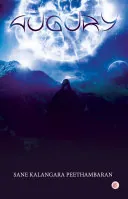
El Libro de Los Angeles

 74
74

El Libro de Los Angeles
Roche Lawson, Lanson, Roche’s El Libro de Los Angeles offers a meticulously organized compendium on angelic hierarchies, a welcome departure from more impressionistic treatments of the subject. The strength lies in its systematic approach, cataloging angelic roles and correspondences with a scholar’s rigor. A particular passage detailing the specific functions of the Archangels within the Sephirothic tree provides concrete grounding for abstract concepts. However, the work’s exhaustive cataloging occasionally risks becoming dry, lacking the narrative spark that might fully animate these celestial beings for the uninitiated reader. The authors’ adherence to established systems, while laudable for accuracy, sometimes limits exploration of less canonical angelic traditions. It is a valuable reference for the dedicated student but may require supplementary reading for those seeking a more experiential introduction to angelology.
📝 Description
74
Published in 1994, El Libro de Los Angeles details angelic hierarchies and functions in esoteric traditions.
El Libro de Los Angeles by Roche Lawson, Lanson, Roche offers a structured examination of angelic beings within various esoteric systems. The book systematically classifies celestial orders and explains their roles in spiritual development and their connection to the material world. It draws upon a wide array of historical and mystical sources to build a coherent cosmology of the unseen. This text is for students of comparative religion, occultism, and angelology who desire a detailed look at angelic lore. It is also useful for those involved in magical practice, theological study, or personal spiritual growth that requires a deeper understanding of celestial intermediaries. Researchers interested in the development of Western esotericism and its use of angelic symbolism will also find value here.
The work appeared in the mid-1990s, a time when interest in esoteric subjects was growing and specialized texts became more available. While not directly part of a specific historical movement, it combines elements from traditions like Kabbalah and Neoplatonism, both of which have long discussed angelic figures. The early 1990s saw ongoing academic and popular engagement with mystical traditions, continuing the work of earlier figures such as Eliphas Lévi and Helena Blavatsky.
El Libro de Los Angeles engages with long-standing traditions that explore the celestial hierarchy. It specifically references the nine orders of angels described by Pseudo-Dionysius the Areopagite, a key text in Christian angelology that influenced Western esotericism. The book synthesizes these ideas with concepts found in Kabbalistic angelology and Neoplatonic philosophy, both of which posit intermediary beings between the divine and the material. This synthesis places the book within the broader currents of Western magical and mystical thought that seek to understand and interact with angelic forces.
💡 Why Read This Book?
• Gain a structured understanding of angelic hierarchies, including the nine choirs outlined by Pseudo-Dionysius, which provides a framework for interpreting celestial influences in spiritual practice. • Learn specific correspondences between angelic names, their associated planets, and their perceived impact on human affairs, offering practical insights for esoteric studies. • Discover methods for discerning angelic communication and potential applications of angelic invocation, as presented within the text’s framework for spiritual development.
⭐ Reader Reviews
Honest opinions from readers who have explored this book.
❓ Frequently Asked Questions
When was El Libro de Los Angeles first published?
El Libro de Los Angeles was first published in 1994 by Roche Lawson, Lanson, and Roche, making it a relatively modern exploration of ancient angelic lore.
What are the main subjects covered in El Libro de Los Angeles?
The book primarily covers angelic hierarchies, their functions, correspondences with planets, and methods for spiritual practice related to angels.
Does the book discuss specific angelic names?
Yes, the text systematically details numerous angelic names and their traditional roles within various esoteric frameworks.
Is El Libro de Los Angeles suitable for beginners in angelology?
While comprehensive, its systematic and detailed nature may be best suited for those with some prior exposure to esoteric or religious studies seeking in-depth knowledge.
What esoteric traditions influence El Libro de Los Angeles?
The work draws from and synthesizes elements found in traditions such as Kabbalah, Neoplatonism, and established angelic taxonomies like Pseudo-Dionysius.
What is the primary aim of the book?
Its aim is to provide a detailed, structured guide to understanding angelic beings and their place within the spiritual cosmos for serious students.
🔮 Key Themes & Symbolism
Angelic Hierarchies
The work meticulously details the tiered structure of angelic beings, often referencing the nine choirs derived from Pseudo-Dionysius the Areopagite. It explains the distinct roles and functions within each order, from the Seraphim and Cherubim closest to the divine, down through the Virtues, Angels, and Archangels. This systematic classification provides a framework for understanding the flow of divine energy and influence in the cosmos, positioning angels as crucial intermediaries.
Celestial Correspondences
A significant aspect of the book involves mapping angelic entities to planetary influences and specific domains of operation. Each angelic choir and many individual angelic names are associated with particular planets, elements, and even aspects of human life or spiritual development. This allows practitioners to understand which angelic forces might be invoked for specific purposes or how celestial energies manifest in the mundane world.
Spiritual Practice and Invocation
Beyond theoretical exposition, El Libro de Los Angeles addresses the practical application of angelic knowledge. It outlines principles for discerning angelic messages, understanding divine guidance, and potentially engaging in forms of angelic invocation. The text suggests that a proper understanding of angelic roles can enhance one's spiritual path, facilitating a more direct connection with divine will and purpose.
Cosmic Order and Divine Will
The book presents angels as integral components of a divinely ordained cosmic order. They are depicted not as independent entities but as agents executing divine will, maintaining universal balance, and guiding creation. Understanding these celestial mechanisms is presented as key to grasping the underlying structure of reality and one's place within it, emphasizing a holistic worldview.
💬 Memorable Quotes
Direct passages from the work, attributed to the author.
“Angels are the messengers and executors of divine will, bridging the gap between the infinite Creator and the finite creation.”
— This statement captures the core function of angels as presented in the book: intermediaries vital for the transmission of divine power and instruction throughout the cosmos.
“Planetary correspondences offer a key to understanding the earthly manifestation of angelic forces.”
— This emphasizes the practical, astrological dimension explored in the text, showing how celestial beings are linked to observable cosmic cycles and influences.
“Discernment is paramount when seeking angelic guidance, distinguishing true divine impulse from lower influences.”
— This points to a critical aspect of practical angelology discussed in the book: the need for spiritual discernment to ensure correct interpretation of spiritual communications.
“The structure of angelic realms mirrors the structure of spiritual attainment within the human soul.”
— This interpretation suggests a micro/macrocosm relationship, implying that understanding the celestial order can provide insights into personal spiritual growth and inner development.
💡 Key Ideas
Editorial paraphrase of the work's core concepts — not direct quotes.
The nine choirs represent distinct energetic frequencies, each contributing to the harmonious functioning of the celestial spheres.
This paraphrased concept highlights the book's systematic approach to angelic taxonomy, viewing each order not just as a name but as a specific vibrational influence within the spiritual architecture.
🌙 Esoteric Significance
Tradition
The work is firmly rooted in the Western Esoteric Tradition, particularly drawing from Neoplatonic and Kabbalistic angelology. It organizes and expands upon established angelic hierarchies, most notably the nine choirs attributed to Pseudo-Dionysius. This approach aligns with Hermetic principles of correspondence and structure, presenting angels as integral parts of a divinely ordered cosmos, functioning as conduits of spiritual energy and divine will.
Symbolism
Key symbols include the various angelic choirs themselves, each representing a distinct level of divine emanation and function. Planetary correspondences are also central, with specific angels linked to celestial bodies like Jupiter, Mars, and Venus, symbolizing their influence over different aspects of existence and human experience. The concept of divine light and its transmission through angelic intermediaries is another pervasive symbolic motif.
Modern Relevance
Contemporary practitioners of ceremonial magic, comparative mystics, and scholars of religion continue to reference such texts for their systematic approach to angelology. The work informs modern interpretations of angelic roles within various spiritual paths, offering a detailed reference point for understanding traditional angelic lore in an era often characterized by more personalized spiritual practices.
👥 Who Should Read This Book
• Students of comparative religion seeking detailed taxonomies of celestial beings across different historical esoteric systems. • Practitioners of Western esotericism looking for a structured guide to angelic hierarchies and their correspondences for magical or meditative work. • Researchers of mystical traditions interested in how concepts of divine intermediaries have been systematized and explored in the late 20th century.
📜 Historical Context
Published in 1994, El Libro de Los Angeles emerged during a period of renewed popular and academic interest in esoteric subjects, building on trends from the late 20th century. While not directly aligned with a specific historical school like Golden Dawn ceremonial magic, it synthesizes and systemizes concepts found within older traditions, notably drawing heavily on the angelic taxonomy established by Pseudo-Dionysius the Areopagite in the 5th-6th century. This work appeared at a time when the internet was beginning to facilitate wider access to diverse spiritual texts, allowing for a more comprehensive compilation of angelic lore. It stands apart from the more individualistic or New Age approaches to angels prevalent in the era, offering a structured, almost theological, framework. Its reception was likely within niche esoteric circles, appreciated for its detailed cataloging rather than its revolutionary theoretical content.
📔 Journal Prompts
The concept of angelic choirs and their specific functions.
Reflect on the planetary correspondences assigned to different angelic orders.
Analyze the role of angels as intermediaries between the divine and the material.
Consider the implications of discernment when interpreting angelic communications.
Explore the potential relationship between angelic hierarchies and personal spiritual development.
🗂️ Glossary
Angelic Choirs
Distinct orders or groupings of angels, traditionally organized into nine ranks (e.g., Seraphim, Cherubim, Thrones) based on their proximity to God and specific functions within the celestial hierarchy.
Pseudo-Dionysius the Areopagite
A 5th or 6th-century Syrian monk and theologian whose works, particularly 'De Coelesti Hierarchia' (On the Celestial Hierarchy), established a widely influential model for classifying angels.
Correspondences
In esoteric traditions, the symbolic relationships between different elements, such as angels, planets, colors, numbers, and divine attributes, used for understanding cosmic order and practical application.
Invocation
The practice of calling upon a spiritual entity, such as an angel, often with the intention of receiving guidance, protection, or assistance in spiritual or magical work.
Divine Will
The ultimate intention or plan of the Creator; in esoteric contexts, angels are often seen as the primary agents through which this will is expressed and enacted in creation.
Neoplatonism
A school of philosophy originating in the 3rd century CE, heavily influenced by Plato, which posited a hierarchical structure of reality emanating from a supreme, ineffable 'One', often including divine intermediaries like angels.
Kabbalah
A system of Jewish mysticism that explores the nature of God and the creation through symbolic interpretations of scripture and a complex cosmology, including various levels of spiritual beings.
🔮 Readers Also Liked
Browse all →








More Free Occult Philosophy Books
View all →