The Sacred Books of the Hindus
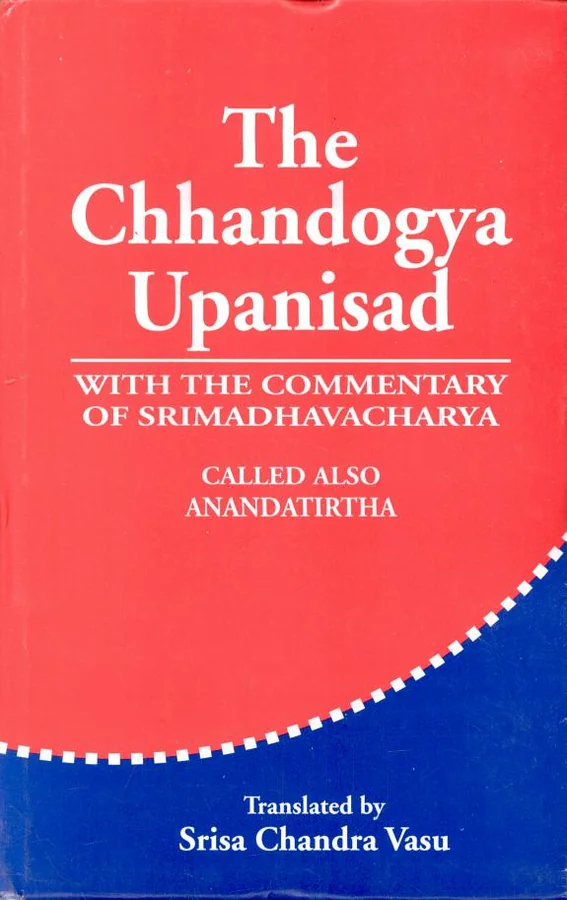
 83
83

The Sacred Books of the Hindus
While the first publication date of 2007 might suggest a contemporary take, *The Sacred Books of the Hindus* functions as a conduit to ancient yogic verse. Its strength lies in its directness, presenting Haṭha yoga as a rigorous discipline rather than a gentle stretch. The author (or compiler) clearly prioritizes authenticity, offering verses that detail the mechanics of breath and energy control with a seriousness often lost in modern yoga studios. However, this very focus can be a limitation for the uninitiated. The lack of extensive commentary or historical framing, beyond its initial publication, means readers must come with a pre-existing understanding of yogic terminology or be prepared for extensive external research. A particularly illustrative section details the mechanics of the three bandhas, treating them with a precision that underscores their energetic importance. This is not a book for casual reading; it demands focused study from those serious about the esoteric dimensions of Haṭha yoga.
📝 Description
83
This 2007 publication presents a verse work on Haṭha yoga principles and practices.
This volume focuses on the principles and practices of Haṭha yoga, directly transmitting yogic philosophy and physical discipline. It is not a modern interpretation but a classical text detailing methods designed to prepare the body and mind for spiritual pursuits. The book emphasizes the connection between postures (āsana), breath control (prāṇāyāma), and internal energetic locks (bandha).
It is intended for practitioners serious about understanding yoga's roots beyond its physical fitness aspects. The text appeals to those seeking to integrate yoga's philosophical underpinnings with their practice. Students of esoteric traditions who view yoga as a path to self-realization will find substantial material here, particularly concerning classical texts that informed yoga's development as a spiritual discipline.
The work addresses core Haṭha yoga concepts such as the purification of energy channels (nāḍīs), the awakening of kuṇḍalinī energy, and the establishment of a stable physical and mental state. It details the precise application of specific bandhas (mūla, uḍḍīyana, jalandhara) and explains their role in directing prāṇic flow.
While first published in 2007, this book engages with the lineage and concepts of Haṭha yoga as codified in medieval Indian texts like the *Haṭhayoga Pradīpikā* and *Gheranda Samhita*. These earlier traditions systematized yogic practices, moving them from oral transmission to written scriptures detailing techniques for physical and energetic purification. The text reflects this historical codification, focusing on methods intended for spiritual advancement and self-realization, rather than solely physical conditioning.
💡 Why Read This Book?
• Gain insight into the classical understanding of Haṭha yoga, moving beyond contemporary physical interpretations, by studying its detailed verses on āsanā and prāṇāyāma. • Understand the energetic mechanics of the three primary bandhas (mūla, uḍḍīyana, jalandhara) as described in the original yogic texts, offering a practical approach to internal energy control. • Explore the concept of nāḍī śuddhi (purification of energy channels) and its significance in preparing the body for higher yogic states, as presented in the text's foundational principles.
⭐ Reader Reviews
Honest opinions from readers who have explored this book.
❓ Frequently Asked Questions
What is the primary focus of *The Sacred Books of the Hindus*?
This volume focuses on Haṭha yoga, presenting a verse work that details its core practices. It emphasizes āsanā, prāṇāyāma, and bandha as integral components for physical and energetic preparation.
Who is the intended audience for this book?
The book is suited for dedicated yoga practitioners, students of esoteric traditions, and scholars interested in the philosophical and disciplinary roots of yoga beyond modern adaptations.
Does the book provide historical context for Haṭha yoga?
While first published in 2007, the text itself is a verse work reflecting classical Haṭha yoga principles, aligning with traditions established by earlier texts like the *Haṭhayoga Pradīpikā*.
What are some key concepts explored in the book?
Key concepts include the purification of nāḍīs (energy channels), the awakening of kuṇḍalinī, the role of the three gunas, and the precise application of yogic techniques like bandhas.
Is this book suitable for beginners to yoga?
It is best suited for those with some prior knowledge or a strong interest in the deeper philosophical and energetic aspects of yoga, as it presents classical teachings directly.
What does 'Haṭha' mean in the context of this book?
'Haṭha' refers to a specific path within yoga that uses physical postures and breath control to purify the body and mind, preparing them for spiritual development.
🔮 Key Themes & Symbolism
The Mechanics of Āsanā
This work presents physical postures not merely as exercises, but as precise tools for energetic manipulation. The verses detail how specific forms create internal pressure and release, facilitating the flow of prana through the body's subtle channels. It moves beyond the aesthetic of the pose to its functional purpose within a larger yogic system, emphasizing stability and control as prerequisites for deeper practice.
Prāṇāyāma and Energetic Control
Breath control is depicted as the primary lever for influencing the mind and vital energy (prana). The book elaborates on various techniques, explaining how controlled exhalations, inhalations, and retentions can purify the nāḍīs and build internal heat. This section highlights the scientific, almost alchemical, approach to breathwork in classical yoga, aiming for a transformation of consciousness.
The Power of Bandhas
The text dedicates significant attention to the three primary energetic locks: mūla bandha, uḍḍīyana bandha, and jalandhara bandha. These are presented as crucial for directing and containing prana, preventing its dissipation and channeling it upwards towards higher energetic centers. Their precise application is key to unlocking the full potential of Haṭha yoga practices.
Kuṇḍalinī and Subtle Anatomy
Underlying the physical practices is the concept of kuṇḍalinī, the dormant spiritual energy coiled at the base of the spine. The book explains how Haṭha yoga techniques, particularly the combination of āsanā, prāṇāyāma, and bandha, are designed to awaken and guide this energy upwards through the central channel (suṣumnā nāḍī), leading to higher states of awareness.
💬 Memorable Quotes
Direct passages from the work, attributed to the author.
“The body is the primary vehicle for the spirit's journey.”
— This sentiment underscores the yogic philosophy that physical discipline is not an end in itself, but a necessary foundation for spiritual advancement. The text emphasizes that a purified and strengthened body is essential for housing and directing subtle energies.
“Breath is the master; the mind is the servant.”
— This highlights the paramount importance of prāṇāyāma. By gaining mastery over the breath, one gains control over the restless mind, a fundamental step in yogic practice for achieving concentration and inner stillness.
“Through posture, establish stillness; through breath, achieve control.”
— This concise verse captures the essence of Haṭha yoga's dual approach. Āsanā provides the physical stability needed for sustained practice, while prāṇāyāma offers the means to regulate internal states and develop mental discipline.
“Energy flows where attention goes.”
— This points to the intricate connection between consciousness and vital force. The text implies that focused attention, cultivated through yogic techniques, can direct and amplify the body's subtle energies for specific purposes.
“The cessation of breath is the cessation of life's fluctuations.”
— This profound statement links breath control directly to the quieting of mental and emotional turbulence. Achieving a profound stillness in breath is presented as a pathway to transcending the ordinary limitations of sensory experience.
🌙 Esoteric Significance
Tradition
This work firmly belongs to the Haṭha yoga lineage, a significant branch within the broader spectrum of Indian esoteric traditions, often intersecting with Tantra. It represents the practical, body-centric approach to liberation that developed from earlier yogic and Upanishadic thought. Unlike purely devotional or philosophical paths, Haṭha yoga emphasizes physical and energetic manipulation as a direct means to achieve samādhi (enlightenment), viewing the body as a microcosm of the universe and a vessel for divine energy.
Symbolism
Key symbols include the nāḍīs, often visualized as channels or streams through which prana flows, with the central suṣumnā being paramount for kuṇḍalinī ascent. Kuṇḍalinī itself is a potent symbol of dormant spiritual power, typically depicted as a coiled serpent at the base of the spine. The bandhas, while functional, also carry symbolic weight, representing the 'locking' and directing of vital forces towards spiritual awakening.
Modern Relevance
Contemporary yoga practitioners and teachers who seek to deepen their understanding beyond postural alignment often turn to classical texts like this. Thinkers and practitioners in the fields of somatic psychology and embodied cognition also find value in its detailed exploration of the mind-body connection. Furthermore, modern Tantric and yogic scholars continue to reference these foundational verses for accurate historical and practical context.
👥 Who Should Read This Book
• Dedicated yoga practitioners seeking to understand the historical and philosophical underpinnings of Haṭha yoga beyond contemporary fitness trends. • Students of esoteric traditions interested in the yogic path as a system for energetic and consciousness transformation. • Scholars of comparative religion and philosophy researching the development of Indian spiritual practices and their classical texts.
📜 Historical Context
While *The Sacred Books of the Hindus* was first published in 2007, its content reflects the classical era of Haṭha yoga, flourishing from the medieval period onwards. This period saw the systematic codification of yogic practices, moving beyond earlier Vedic and Upanishadic traditions. Key texts like the *Haṭhayoga Pradīpikā* (circa 15th century) and the *Gheranda Samhita* (circa 17th century) established the foundational principles of āsanā, prāṇāyāma, and bandha. These works emerged within a broader Indian philosophical landscape that included various schools of Vedanta and Tantra, each offering different paths to liberation. Haṭha yoga distinguished itself by its strong emphasis on physical and energetic purification as a direct means to spiritual attainment. Unlike purely meditative or philosophical paths, it provided a detailed manual for bodily transformation. While specific reception details for this 2007 publication are not widely documented, it contributes to a modern resurgence of interest in these older yogic traditions, often studied alongside the works of influential figures like Swami Vivekananda, who popularized yoga in the West in the late 19th century.
📔 Journal Prompts
The role of āsanā in preparing the body for prāṇāyāma.
Personal experience with the concept of nāḍī purification.
The integration of the three bandhas in a single practice session.
Reflections on the serpent imagery of kuṇḍalinī energy.
How the practice of breath control impacts mental stillness.
🗂️ Glossary
Āsanā
Physical postures practiced in yoga. In Haṭha yoga, these are specifically designed to purify the body and prepare it for deeper meditative states.
Prāṇāyāma
The regulation and control of breath or vital energy (prana). It is a key component of Haṭha yoga, aimed at purifying the energy channels and calming the mind.
Bandha
Energetic locks or seals within the body, used to direct and contain prana. The three main bandhas are mūla, uḍḍīyana, and jalandhara.
Nāḍīs
Subtle energy channels within the body through which prana flows. There are said to be thousands of nāḍīs, with the three most important being Ida, Pingala, and Suṣumnā.
Kuṇḍalinī
A dormant spiritual energy, often symbolized as a coiled serpent, located at the base of the spine. Its awakening and ascent through the Suṣumnā nāḍī is a central goal of Haṭha yoga.
Prana
The vital life force or energy that permeates all living beings. In yoga, prana is often associated with the breath but encompasses all forms of energy.
Suṣumnā
The central energy channel in the subtle body, running along the spinal column. It is considered the pathway for the ascent of Kuṇḍalinī energy.
This book appears in 1 collection
🔮 Readers Also Liked
Browse all →









From the “Upanishads” Collection
View all →





More Free Occult Philosophy Books
View all →