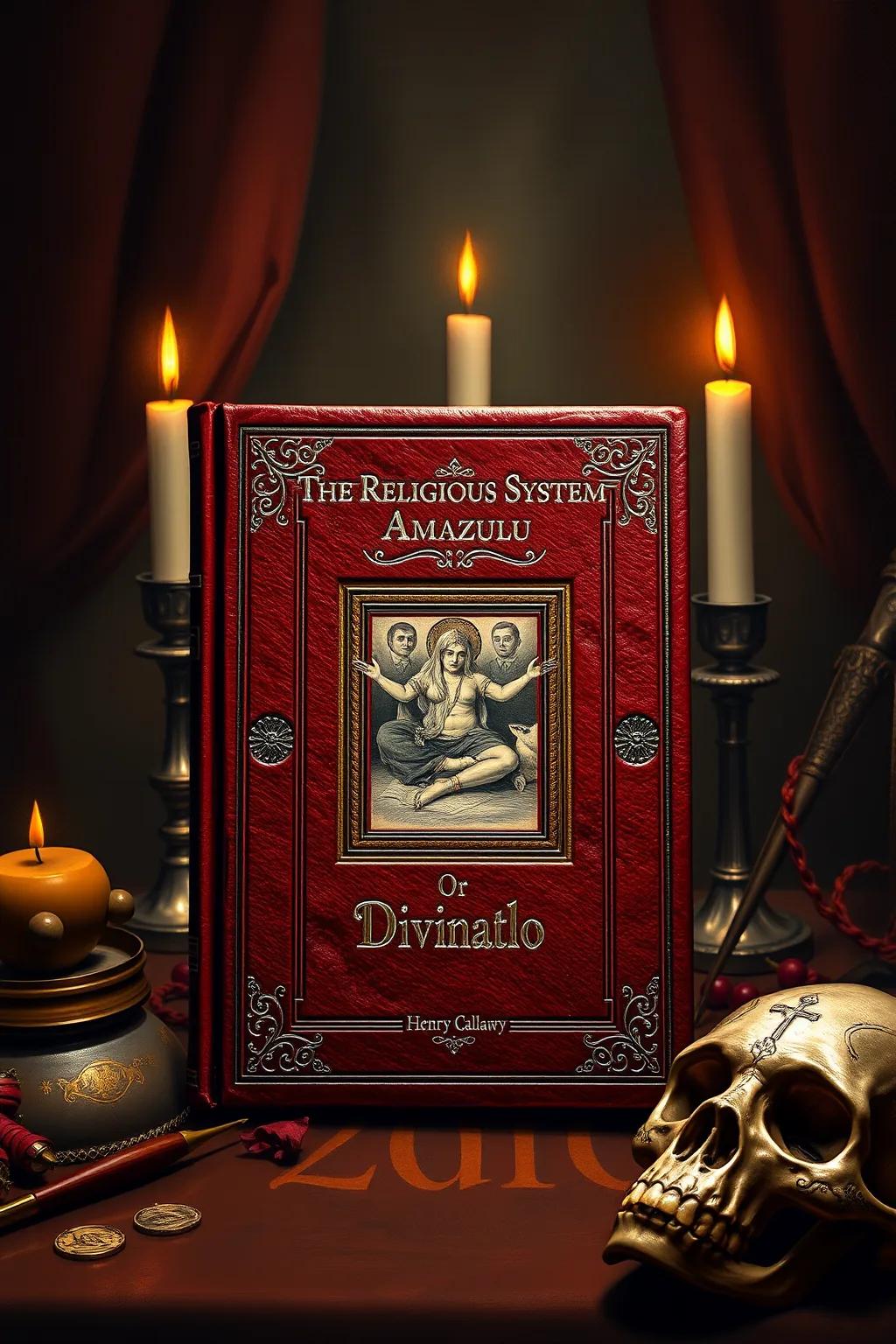
The Religious System of the Amazulu: Izinyanga Zokubula; Or, Divination, as Existing Among the ...
 76
76

The Religious System of the Amazulu: Izinyanga Zokubula; Or, Divination, as Existing Among the ...



Henry Callaway's 'The Religious System of the Amazulu' is a treasure trove for modern esoteric seekers. Published in 1884, this book provides an in-depth look at the divination practices of the Amazulu people, offering valuable insights into ancient occult traditions. Callaway's detailed observations and descriptions make this text a rich resource for understanding the cultural and spiritual practices of the Amazulu. The book's historical context adds layers of depth, allowing readers to appreciate the significance of these practices within their original cultural setting. For those interested in divination and tarot, this book is an invaluable resource. It not only provides historical context but also offers a unique perspective on the evolution of occult practices. Callaway's work is meticulously researched and presented, making it accessible to both academic researchers and casual readers. The Religious System of the Amazulu is a must-read for anyone interested in the intersection of anthropology and the occult.
📝 Description
76
Henry Callaway's 1870 work examines Zulu divination practices, Izinyanga Zokubula.
Henry Callaway's 1870 study details the religious system of the Zulu people, focusing on the practice of Izinyanga Zokubula, or divination. Callaway, a medical missionary, spent years among the Zulu and collected accounts from indigenous diviners themselves. The book describes the various methods of divination used, the training and social role of diviners (izangoma), and the underlying cosmological beliefs that inform these practices.
It covers the spiritual worldview of the Zulu, including their understanding of ancestors, spirits, and the divine. Callaway presents the intricate relationship between the natural world, human affairs, and the spiritual realm as understood by the Zulu. The text offers a detailed look at the symbolism and ritualistic aspects of their spiritual life, aiming to document these practices before they were significantly altered by colonial influence.
Published in 1870, Callaway's study documents indigenous African spiritual practices at a time when European scholarship often viewed such traditions through a lens of superstition or primitive belief. The detailed ethnographic accounts of divination, spirit communication, and cosmology place it within the early development of comparative religion and anthropology. It shares the late 19th-century interest in documenting and understanding non-Western religious systems, contributing to the broader discourse on shamanism and folk magic that characterized esoteric studies of the era.
💡 Why Read This Book?
Reading 'The Religious System of the Amazulu' today offers a unique opportunity to explore ancient divination practices and their cultural significance. This book provides valuable insights into the spiritual beliefs of the Amazulu people, enriching our understanding of the occult. For modern esoteric seekers, it serves as a historical reference, bridging the gap between ancient traditions and contemporary practices. By delving into this text, readers can gain a deeper appreciation for the roots of divination and its enduring relevance in spiritual and cultural contexts.
⭐ Reader Reviews
Honest opinions from readers who have explored this book.
❓ Frequently Asked Questions
What is the main focus of 'The Religious System of the Amazulu'?
The main focus of this book is the divination practices of the Amazulu people, providing a detailed look into their esoteric and occult traditions.
Who should read this book?
This book is ideal for scholars, occult enthusiasts, and anyone interested in the cultural and spiritual practices of the Amazulu people.
Is this book relevant for modern tarot readers?
Yes, this book offers valuable historical context for modern tarot readers, enriching their understanding of divination practices.
🔮 Key Themes & Symbolism
Divination Practices
The book provides a detailed exploration of the divination practices used by the Zulu people, revealing the hidden knowledge and ancient rituals that form the foundation of their spirituality.
Symbolism and Rituals
Callaway explores the strong symbolism and rituals associated with Zulu divination, offering a deep understanding of their significance and meaning.
Spiritual Connection
The work emphasizes the spiritual connection between the Zulu people, their ancestors, and the divine, providing a unique perspective on African mysticism.
💬 Memorable Quotes
Direct passages from the work, attributed to the author.
“Ancestors play an important role in the spiritual practices of the Zulu.”
— This emphasizes the importance of ancestral connection in Zulu spirituality.
“The art of divination is a sacred ritual that connects us to the mysteries of the universe.”
— This underscores the sacred nature of divination in Zulu culture.
“The Zulu people's spiritual practices offer a useful insights into the interconnectedness of all things.”
— This highlights the philosophical depth of Zulu spirituality.
💡 Key Ideas
Editorial paraphrase of the work's core concepts — not direct quotes.
The Zulu people's divination practices are a gateway to the hidden knowledge of the divine.
This quote highlights the mystical significance of Zulu divination rituals.
Symbolism is the language of the divine, spoken through ancient rituals.
This quote reveals the deep symbolic significance in Zulu divination practices.
🌙 Esoteric Significance
Tradition
This book belongs to the tradition of African mysticism, focusing on the esoteric practices of the Zulu people. It explores the hidden knowledge and ancient rituals that form the foundation of their spirituality.
Symbolism
Key symbols in the book include the use of ancestral spirits, natural elements, and sacred rituals, each carrying deep esoteric meanings.
Modern Relevance
Today, this work is relevant for modern practitioners of divination and tarot, offering insights into ancient practices that can be integrated into contemporary spiritual journeys.
👥 Who Should Read This Book
Beginners interested in African mysticism will find this book an enlightening introduction, while scholars will appreciate its depth of research. Spiritual seekers will be drawn to the philosophical insights, and practitioners of the occult will value the detailed exploration of divination practices. Each segment of readers will find unique value in the body of Zulu spirituality presented in this work.
📜 Historical Context
Written in the 19th century, 'The Religious System of the Amazulu' offers a unique glimpse into the spiritual practices of the Zulu people during a time of significant cultural exchange and exploration. Henry Callaway's work was groundbreaking for its detailed documentation of divination rituals and esoteric knowledge, providing a valuable resource for scholars and seekers alike. The book's influence can still be seen in modern studies of African mysticism and divination practices.
📔 Journal Prompts
Reflect on the significance of ancestral spirits in your own spiritual journey.
How do the divination practices of the Zulu people resonate with your understanding of the divine?
Explore the role of symbolism in your spiritual practices and rituals.
Consider the interconnectedness of nature, ancestors, and the divine in your spiritual beliefs.
How can the insights from this book enhance your understanding of African mysticism?
🗂️ Glossary
Izinyanga Zokubula
The Zulu term for divination practices, focusing on the art of foretelling the future through ritual and symbolism.
Divination
The practice of seeking knowledge of the future or the unknown through supernatural means.
Ancestral Spirits
The spirits of deceased ancestors believed to influence the living and guide their spiritual practices.
Symbolism
The use of symbols to represent abstract ideas or qualities, often in spiritual or mystical contexts.
Esoteric Knowledge
Hidden or secret knowledge accessible only to initiates or those with specialized training.
This book appears in 3 collections
🔮 Readers Also Liked
Browse all →









More by Henry Callaway
All books →

From the “Tarot” Collection
View all →







More Free Divination & Tarot Books
View all →