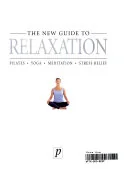
The New Guide to Relaxation
 72
72

The New Guide to Relaxation
Parragon, Incorporated's *The New Guide to Relaxation* offers a straightforward survey of common stress-reduction techniques. Its primary strength lies in its clarity; the explanations for progressive muscle relaxation, for instance, are easy to follow, making it suitable for absolute novices. However, the book's brevity means it only scratches the surface of each method. A passage detailing the supposed 'energy centers' in the body, while present, lacks the depth required for genuine esoteric engagement. While it provides a functional introduction, it doesn't deeply explore the underlying philosophical or spiritual frameworks that often accompany these practices. For a more robust understanding of relaxation as a spiritual discipline, further study is recommended.
📝 Description
72
Published in June 2003, The New Guide to Relaxation presents four methods for mental and physical calm.
This book introduces four distinct techniques for achieving mental and physical calm, moving beyond basic breathing exercises. It is designed for individuals seeking practical methods to manage stress and foster inner peace. The guide is suitable for those new to self-soothing practices as well as those wishing to add to their existing relaxation techniques.
The work lays out the core principles of each method it covers. Readers learn about the significance of focused attention, how visualization can alter mental states, and the physical advantages of deep breathing and progressive muscle relaxation. The book aims to equip readers with accessible tools for self-care.
The New Guide to Relaxation emerged in the early 2000s, a time when interest in mental well-being and stress management was growing. This book aligns with a broader cultural movement towards accessible self-help resources that incorporate contemplative and therapeutic practices. It reflects a popularization of methods aimed at cultivating inner peace and managing stress through structured techniques.
💡 Why Read This Book?
• Learn the foundational steps of Progressive Muscle Relaxation (PMR) as outlined in the book's specific sections, enabling you to physically release tension. • Gain an understanding of basic visualization techniques presented in the text, empowering you to mentally create calming environments. • Discover the principles of deep breathing exercises detailed in the 2003 publication, allowing for immediate physiological calming.
⭐ Reader Reviews
Honest opinions from readers who have explored this book.
❓ Frequently Asked Questions
What are the four relaxation methods covered in The New Guide to Relaxation?
The book introduces four popular relaxation methods: deep breathing exercises, progressive muscle relaxation, visualization, and a fourth technique that the book explores, likely a form of meditation or guided imagery.
When was The New Guide to Relaxation first published?
The New Guide to Relaxation was first published in June 2003 by Parragon, Incorporated.
Is this book suitable for someone new to relaxation techniques?
Yes, the guide is designed as an introduction, offering clear explanations for those beginning their journey with stress management and relaxation practices.
Does the book offer scientific backing for its methods?
While the book focuses on practical application, the techniques presented, such as deep breathing and PMR, are widely recognized for their physiological benefits, often discussed in wellness and psychology.
Where can I find more advanced relaxation techniques after reading this book?
This guide can serve as a stepping stone. Further exploration into specific modalities like biofeedback or advanced mindfulness meditation would offer deeper engagement.
What is the primary goal of the relaxation methods described?
The primary goal is to help individuals reduce stress, promote a sense of calm, and improve overall mental and physical well-being through practical, self-administered techniques.
🔮 Key Themes & Symbolism
Mind-Body Connection
The work emphasizes how mental states directly influence physical sensations and vice versa. It explores the concept that consciously altering physical tension through techniques like Progressive Muscle Relaxation can lead to a corresponding shift in mental state, reducing anxiety and promoting a sense of ease. This bidirectional relationship is central to its approach to stress management.
Conscious Awareness
Central to the efficacy of the described methods is the cultivation of conscious awareness. Whether focusing on the breath, scanning bodily sensations, or engaging the imagination, the book guides readers to direct their attention intentionally. This practice of focused awareness is presented as a tool to disengage from stressful thought patterns and anchor oneself in the present moment.
Internal Resourcefulness
The New Guide to Relaxation positions relaxation not as an external commodity but as an internal skill that can be developed and accessed by anyone. By presenting practical, learnable techniques, the book empowers individuals to tap into their own capacity for self-soothing and stress reduction, fostering a sense of personal agency over their well-being.
Physiological Regulation
A core theme is the body's natural capacity for relaxation and how specific techniques can trigger this response. The guide details how practices like deep diaphragmatic breathing can activate the parasympathetic nervous system, counteracting the effects of the stress response and promoting a state of physiological calm and balance.
💬 Memorable Quotes
Direct passages from the work, attributed to the author.
“Focused breathing can slow the heart rate and calm the mind.”
— This interpretation underscores the physiological impact of controlled respiration. It points to the direct link between conscious breathing patterns and the body's autonomic nervous system, leading to reduced agitation.
“Visualizing peaceful scenes can shift one's mental state.”
— This captures the essence of guided imagery, suggesting that the mind's ability to conjure calming mental landscapes can effectively alter mood and reduce feelings of stress or anxiety.
“Regular practice is key to mastering relaxation techniques.”
— This emphasizes the principle that skill development, even in relaxation, requires consistent effort. It suggests that the benefits become more profound and readily accessible with sustained application of the methods.
“Relaxation is an active skill, not just passive rest.”
— This highlights that achieving genuine relaxation involves conscious effort and engagement with specific techniques, rather than simply waiting for stress to dissipate on its own.
💡 Key Ideas
Editorial paraphrase of the work's core concepts — not direct quotes.
Tensing and then releasing muscles helps identify and relieve physical tension.
This paraphrased concept highlights the core mechanism of Progressive Muscle Relaxation, explaining how the contrast between tension and release makes one more aware of and capable of letting go of stored stress in the body.
🌙 Esoteric Significance
Tradition
While not explicitly tied to a single esoteric lineage, the book's techniques draw from universal contemplative practices found across various traditions. The emphasis on breathwork echoes yogic pranayama, and visualization shares roots with meditative practices in Buddhism and Hermeticism. It functions as a secularized introduction to principles often embedded within deeper esoteric systems, making them accessible without requiring adherence to specific doctrines.
Symbolism
The core symbolism lies in the body as a locus of experience and transformation. Tension is symbolically represented as stored stress or blockages, while release signifies purification and the return to a state of equilibrium. The act of focused breathing itself can symbolize the vital life force (prana or chi), and visualization employs archetypal imagery of peace and safety as symbolic anchors for mental stability.
Modern Relevance
The principles introduced in *The New Guide to Relaxation* remain highly relevant. Contemporary therapeutic approaches like Mindfulness-Based Stress Reduction (MBSR) and Acceptance and Commitment Therapy (ACT) build upon similar foundations of focused awareness and body-mind integration. Modern wellness apps and corporate mindfulness programs often feature techniques directly derived from the methods popularized by guides like this one, demonstrating its lasting impact on accessible stress-reduction strategies.
👥 Who Should Read This Book
• Individuals experiencing high levels of daily stress seeking immediate, practical coping mechanisms. • Beginners curious about the mind-body connection and looking for actionable techniques to cultivate calm. • Those interested in self-improvement who want to explore foundational relaxation methods before looking at more complex spiritual or therapeutic systems.
📜 Historical Context
Published in 2003, *The New Guide to Relaxation* emerged during a period of heightened public discourse on mental health and stress management, influenced by burgeoning fields like positive psychology and mind-body medicine. The late 20th and early 21st centuries saw a growing acceptance of practices previously considered fringe, such as meditation and biofeedback, moving them into mainstream wellness discussions. This book reflects that trend, offering accessible versions of techniques that had been explored more deeply by pioneers like Herbert Benson, whose work on the relaxation response gained traction in the 1970s. Unlike more academic or spiritually focused texts of the era, Parragon's guide aimed for broad appeal, simplifying complex ideas for a general audience seeking practical relief from the pressures of modern life.
📔 Journal Prompts
The experience of muscle tension release during Progressive Muscle Relaxation.
Sensory details of a visualized peaceful place.
Observations on how focused breathing affects your immediate emotional state.
The contrast between a tense and a relaxed physical posture.
Identifying moments of stress and applying a learned relaxation technique.
🗂️ Glossary
Progressive Muscle Relaxation (PMR)
A technique involving the sequential tensing and relaxing of different muscle groups to reduce physical tension and promote overall relaxation.
Visualization
The practice of forming mental images, often of calming or desired scenarios, to influence mood and reduce stress.
Deep Breathing
A method of controlled respiration that emphasizes diaphragmatic (belly) breathing to induce a state of calm and reduce physiological stress responses.
Stress Response
The body's automatic physiological and psychological reaction to perceived threats or demands, often involving the 'fight or flight' mechanism.
Mindfulness
A state of active, open attention to the present, without judgment. Often involves focusing on thoughts, feelings, and sensations.
Parasympathetic Nervous System
Part of the autonomic nervous system responsible for 'rest and digest' functions, counteracting the stress-induced sympathetic nervous system.
Autonomic Nervous System
The part of the nervous system that controls involuntary bodily functions, including heart rate, digestion, and breathing.
This book appears in 1 collection
🔮 Readers Also Liked
Browse all →









From the “Transcendental Meditation” Collection
View all →








More Free Spiritual Development Books
View all →