No Spiritual Investment in the World - Gnosticism and Postwar German Philosophy
 78
78

No Spiritual Investment in the World - Gnosticism and Postwar German Philosophy



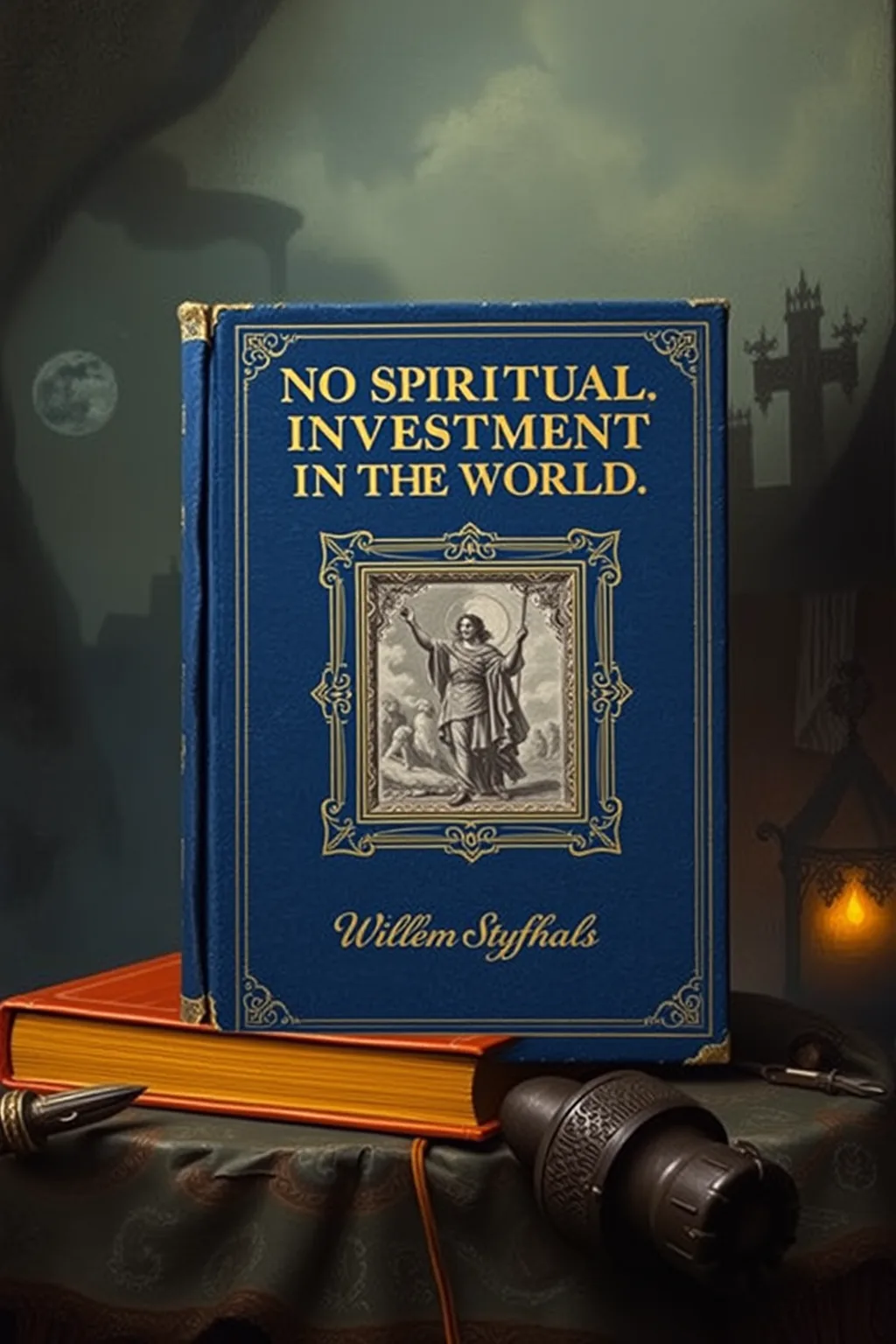
No Spiritual Investment in the World is a seminal work for anyone interested in the intersection of esoteric traditions and modern philosophy. Willem Styfhals' detailed analysis of Gnosticism's influence on German thought provides a rich tapestry of intellectual history that is both enlightening and thought-provoking. The book's strength lies in its ability to contextualize ancient heresies within contemporary debates, making it a valuable resource for modern esoteric seekers. Styfhals' writing is clear and engaging, making complex philosophical concepts accessible to a wide audience. The book is meticulously researched, with a wealth of references and insights that enrich the reader's understanding of Gnosticism and its enduring relevance. For those seeking to deepen their knowledge of esoteric traditions and their impact on modern thought, this book is a must-read.
📝 Description
78
Published in 2023, 'No Spiritual Investment in the World' examines Gnosticism's impact on postwar German philosophy.
This book traces the connections between ancient Gnostic thought and the philosophical currents in Germany after World War II. It looks at how ideas of hidden knowledge, the material world's perceived corruption, and the search for liberation resonated within the work of German thinkers. The author addresses the ways Gnosticism offered a framework for understanding alienation and societal critique in a period of reconstruction and reevaluation. The text aims to clarify the intellectual history linking these seemingly disparate traditions, highlighting shared concerns about existence, meaning, and human freedom. It considers the symbolic language and core tenets of Gnosticism as they reappeared or found parallels in the philosophical discourse of postwar Germany. The work invites readers to consider how these ancient ideas might inform contemporary questions about reality and our place within it.
Gnosticism, a diverse set of religious and philosophical movements prominent in the first centuries CE, centers on the idea of salvation through esoteric knowledge (gnosis). Gnostic systems often feature a radical dualism, positing a flawed creator god and a higher, true divine being, with humanity containing a spark of the divine trapped in the material world. This book situates Gnosticism not merely as an ancient phenomenon but as a persistent conceptual resource that resurfaced in later intellectual traditions, particularly when confronting existential despair or societal critique.
💡 Why Read This Book?
Reading No Spiritual Investment in the World today offers a unique perspective on how ancient esoteric traditions continue to influence modern thought. This book provides readers with a deeper understanding of Gnosticism and its role in shaping German philosophy post-World War II. By exploring the intellectual debates of the time, readers gain insights into the enduring relevance of esoteric traditions in contemporary discourse. This book is ideal for scholars, students, and enthusiasts of esoteric studies who seek to understand the profound impact of Gnosticism on modern philosophy.
⭐ Reader Reviews
Honest opinions from readers who have explored this book.
❓ Frequently Asked Questions
What is the main focus of No Spiritual Investment in the World?
The main focus of this book is the influence of Gnosticism on German intellectual discourse during the twentieth century, particularly post-World War II.
Who would benefit from reading this book?
Scholars, students, and enthusiasts of esoteric studies and German philosophy will find this book particularly beneficial.
Does the book provide historical context for Gnosticism?
Yes, the book offers a comprehensive intellectual history of Gnosticism's place in German thought, providing rich historical context.
🔮 Key Themes & Symbolism
Gnostic Symbolism
The book examines the detailed symbolism of Gnosticism, revealing how ancient symbols and hidden knowledge have shaped modern philosophical thought. This theme is crucial for understanding the esoteric underpinnings of Gnostic beliefs and their enduring relevance.
Modern Condition
No Spiritual Investment in the World examines how Gnosticism provides a framework for understanding the modern condition. By exploring the philosophical significance of Gnostic ideas, the book offers insights into the human experience in the contemporary world.
Intellectual History
The book presents a comprehensive intellectual history of Gnosticism's influence on postwar German philosophy. This theme highlights the complex interplay between ancient heresies and modern thought, providing a unique perspective on the evolution of philosophical ideas.
💡 Key Ideas
Editorial paraphrase of the work's core concepts — not direct quotes.
The true seeker of knowledge must be willing to question all that is known.
This quote underscores the importance of intellectual curiosity and the pursuit of hidden truths.
Gnosticism offers a path to spiritual liberation through the revelation of hidden knowledge.
This line highlights the esoteric significance of Gnostic beliefs and their potential for spiritual enlightenment.
The modern condition is a labyrinth of spiritual investments that bind us to the material world.
This passage explores the philosophical depth of Gnosticism and its relevance to contemporary thought.
The symbolism of Gnosticism is a language of the soul, speaking to the deepest parts of our being.
This quote emphasizes the mystical and esoteric nature of Gnostic symbolism and its power to reveal hidden truths.
In the quest for understanding, we must be willing to confront the enigmas of the past.
This line encourages readers to look at the mysteries of ancient traditions to gain insights into the modern world.
🌙 Esoteric Significance
Tradition
This book belongs to the Gnostic tradition, exploring the hidden knowledge and mystical symbolism that define this ancient heresy. Gnosticism, with its emphasis on spiritual liberation and the revelation of hidden truths, offers a wide range of esoteric insights.
Symbolism
Key symbols in this book include the Demiurge, the Archons, and the concept of the divine spark within humanity. These symbols represent the struggle between the material world and the spiritual realm, highlighting the esoteric quest for enlightenment.
Modern Relevance
This book matters today because it offers a framework for understanding the modern condition through the lens of ancient mystical traditions. Modern practitioners and seekers of hidden knowledge can draw upon these insights to read through the complexities of contemporary life.
👥 Who Should Read This Book
Beginners in esoteric studies may find this book challenging but rewarding, as it provides a comprehensive introduction to Gnosticism. Scholars of European history and modern philosophy will appreciate the depth of research and the unique perspective offered. Spiritual seekers and practitioners of mystical traditions will find valuable insights into the hidden knowledge and symbolism of Gnosticism. This book is ideal for anyone interested in the intersection of ancient heresies and contemporary thought.
📜 Historical Context
Throughout the twentieth century, German intellectuals grappled with the meaning of modernity, often turning to Gnosticism for answers. This book was written during a time when the world was recovering from the devastation of war and seeking new philosophical frameworks. The influence of Gnosticism on postwar German philosophy was profound, shaping the way thinkers approached questions of existence, spirituality, and the human condition. This work continues to be relevant today, offering a unique perspective on the enduring power of esoteric traditions.
📔 Journal Prompts
How does Gnosticism challenge your understanding of the modern condition?
What symbols from Gnosticism resonate with you personally?
In what ways can ancient mystical traditions inform contemporary spiritual practices?
How does the concept of hidden knowledge influence your spiritual journey?
Reflect on a moment when you questioned the spiritual investments in your life.
🗂️ Glossary
Gnosticism
An ancient Christian heresy emphasizing hidden knowledge (gnosis) and spiritual liberation.
Demiurge
In Gnosticism, a lesser deity responsible for creating the material world, often seen as flawed or malevolent.
Archons
Rulers or powers that govern the material world and impede spiritual enlightenment in Gnostic belief.
Divine Spark
The spiritual essence within humanity that seeks to reunite with the divine realm, a central concept in Gnosticism.
Intellectual History
The study of ideas and their development over time, often focusing on the influence of ancient traditions on modern thought.
This book appears in 8 collections
🔮 Readers Also Liked
Browse all →








From the “Transcendental Meditation” Collection
View all →






More Free Sacred Texts & Gnosticism Books
View all →