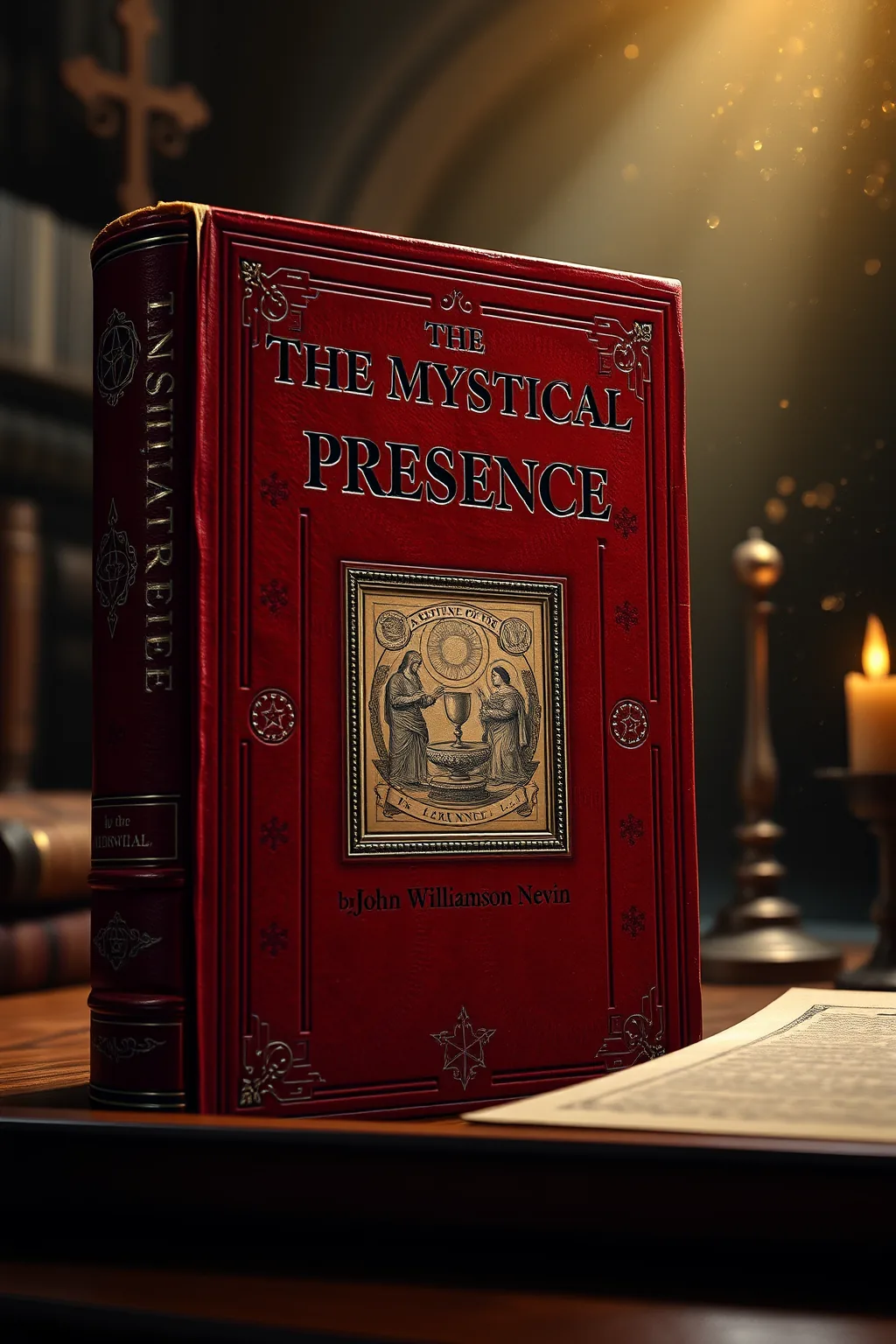
The Mystical Presence: A Vindication of the Reformed Or Calvinistic Doctrine of the Holy Eucharist
 84
84

The Mystical Presence: A Vindication of the Reformed Or Calvinistic Doctrine of the Holy Eucharist



John Williamson Nevin's 'The Mystical Presence' is a treasure trove for those interested in the esoteric and mystical dimensions of Christian theology. Published in 1867, this book offers a profound vindication of the Reformed or Calvinistic doctrine of the Holy Eucharist, making it a must-read for anyone exploring the mystical aspects of the sacrament. Nevin's work is meticulously researched and beautifully written, providing a deep dive into the spiritual and contemplative practices associated with the Eucharist. For modern esoteric seekers, this text serves as a bridge between historical theology and contemporary spiritual exploration. It invites readers to contemplate the mystical presence within the Eucharist, offering insights that can enrich one's spiritual journey.
📝 Description
84
John Williamson Nevin's 1846 work defends the Reformed doctrine of the Holy Eucharist.
In The Mystical Presence, John Williamson Nevin argues for a robust understanding of Christ's presence in the Eucharist, specifically within the Reformed or Calvinistic tradition. He sought to vindicate this doctrine against what he saw as overly spiritualized or rationalized interpretations prevalent in his time. Nevin examined the theological language and historical context surrounding the sacrament, contending that the Reformed confessions affirmed a real, though not corporeal, presence of Christ's body and blood.
This text engages with the symbolic and sacramental theology that bridges the material and spiritual. Nevin's approach is characterized by careful theological reasoning and a deep appreciation for the historic confessions of the Reformation. He presents the Eucharist not merely as a memorial but as a means through which believers encounter the living Christ. The book appeals to those interested in the specific theological debates of the 19th century and the deeper meaning of Christian worship.
Nevin's work engages with a tradition that views the Eucharist as a locus of divine encounter, transcending purely rational or memorialist interpretations. While rooted in specific Reformed confessions, his emphasis on the "mystical presence" aligns with broader Christian currents that affirm the sacraments as channels of spiritual reality. This perspective often involves a symbolic understanding where the physical elements act as signs and instruments of an invisible, spiritual grace, connecting the earthly rite to heavenly realities. It is a theological approach that resonates with those seeking a richer, more sacramental understanding of Christian faith.
💡 Why Read This Book?
Reading 'The Mystical Presence' today offers a unique opportunity to explore the esoteric and mystical dimensions of the Eucharist. Nevin's insights provide a historical context that can deepen one's understanding of spiritual practices and contemplative traditions. Whether you are a theologian, a spiritual seeker, or someone interested in the occult, this book offers valuable perspectives that can enrich your spiritual journey.
⭐ Reader Reviews
Honest opinions from readers who have explored this book.
❓ Frequently Asked Questions
What is the primary focus of 'The Mystical Presence'?
The primary focus of 'The Mystical Presence' is the Reformed or Calvinistic doctrine of the Holy Eucharist, exploring its mystical and spiritual dimensions.
Who should read this book?
This book is ideal for theologians, spiritual seekers, and those interested in the occult and mystical practices.
What historical context does the book provide?
The book provides a deep dive into 19th-century theological debates, focusing on the intersection of faith and mysticism.
🔮 Key Themes & Symbolism
Mystical Dimensions of the Eucharist
Nevin examines the hidden mystical dimensions of the Eucharist, revealing the profound spiritual symbolism embedded within this sacred rite. He explores how the Eucharist serves as a conduit for divine presence, offering readers a deeper understanding of the mystical union between the believer and the divine.
Symbolism and Hidden Knowledge
The book is rich with explorations of the symbolism and hidden knowledge that underpin the Eucharist. Nevin's work unravels the layers of meaning within the sacrament, providing readers with a comprehensive understanding of its esoteric significance.
Reformed Theology and Mysticism
Nevin's work bridges the gap between Reformed theology and mystical contemplation, offering a unique perspective on the intersection of these two realms. He challenges readers to consider the wide implications of divine presence in the sacrament, enriching their theological and spiritual understanding.
💬 Memorable Quotes
Direct passages from the work, attributed to the author.
“The Eucharist is a mystical encounter with the divine.”
— Nevin emphasizes the profound spiritual experience that occurs during the Eucharist.
“Symbolism is the language of the soul.”
— He underscores the importance of understanding the hidden symbolism within religious rites.
“The presence of God is both transcendent and immanent.”
— This highlights the dual nature of divine presence in the sacrament.
“Contemplation leads to deeper spiritual insight.”
— Nevin encourages readers to engage in contemplative practices to enhance their understanding.
“The Eucharist is a sacrament of unity and divine communion.”
— This underscores the spiritual bond formed between believers and the divine through the Eucharist.
🌙 Esoteric Significance
Tradition
The book belongs to the Hermetic and Christian mystical traditions, focusing on the esoteric dimensions of the Eucharist within Reformed theology. It draws on ancient mystical practices and symbols to enrich the reader's understanding of the sacrament.
Symbolism
Key symbols in the book include the bread and wine as representations of divine presence, and the act of communion as a mystical union between the believer and the divine. These symbols are explored in depth to reveal their hidden meanings and significance.
Modern Relevance
Today, Nevin's work remains relevant for modern practitioners of mystical and contemplative Christianity, offering clear insights into the esoteric dimensions of the Eucharist. It is used by scholars, spiritual seekers, and practitioners to enrich their understanding of the sacrament and its mystical significance.
👥 Who Should Read This Book
Beginners in theology may find this book challenging but rewarding, as it provides a foundational understanding of the mystical dimensions of the Eucharist. Scholars will appreciate its deep scholarly research and esoteric insights, making it an essential read for those interested in the intersection of theology and mysticism. Spiritual seekers and practitioners of mystical and contemplative Christianity will find it enriching, as it offers a unique perspective on the sacred rite and its wide implications for divine presence.
📜 Historical Context
Written in the mid-19th century, The Mystical Presence reflects the intellectual and spiritual climate of the time, characterized by a renewed interest in mystical and contemplative traditions within Christianity. Nevin's work was important for its time as it provided a scholarly yet spiritually enriching exploration of the Eucharist, challenging the prevailing theological views and offering a fresh perspective on the sacrament. Its influence can be seen in subsequent works that look at the mystical dimensions of Christian sacraments, making it a foundational text for those interested in the intersection of theology and mysticism.
📔 Journal Prompts
How does the Eucharist serve as a mystical encounter with the divine?
What are the hidden symbols within the Eucharist and their significance?
In what ways does contemplation enhance our understanding of the Eucharist?
How does Nevin's work bridge the gap between Reformed theology and mysticism?
What is the dual nature of divine presence in the sacrament of the Eucharist?
🗂️ Glossary
Eucharist
A Christian sacrament commemorating the Last Supper, involving the consumption of bread and wine as symbols of the body and blood of Christ.
Mystical
Relating to spiritual or esoteric experiences that transcend the physical realm.
Reformed Theology
A branch of Protestant Christianity emphasizing the sovereignty of God and the authority of Scripture.
Symbolism
The use of symbols to represent abstract ideas or qualities, often in a religious or mystical context.
Contemplation
A spiritual practice involving deep reflection and meditation, often aimed at achieving a closer union with the divine.
This book appears in 1 collection
🔮 Readers Also Liked
Browse all →






More by John Williamson Nevin
All books →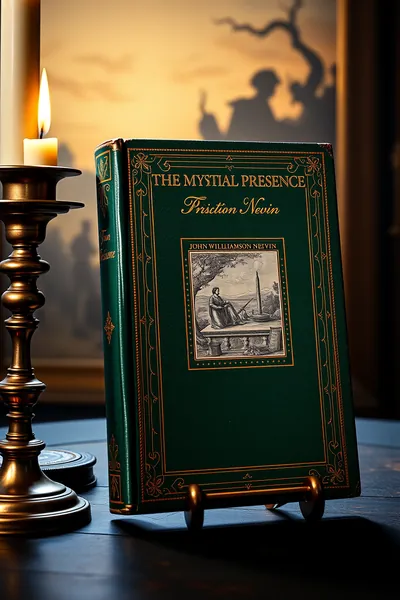

From the “Christian Mysticism” Collection
View all →




More Free Mysticism & Contemplation Books
View all →