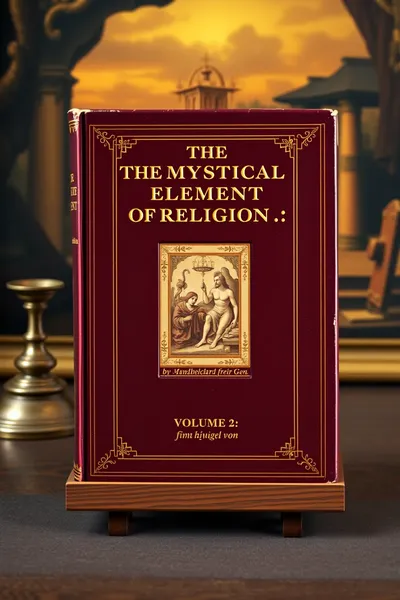
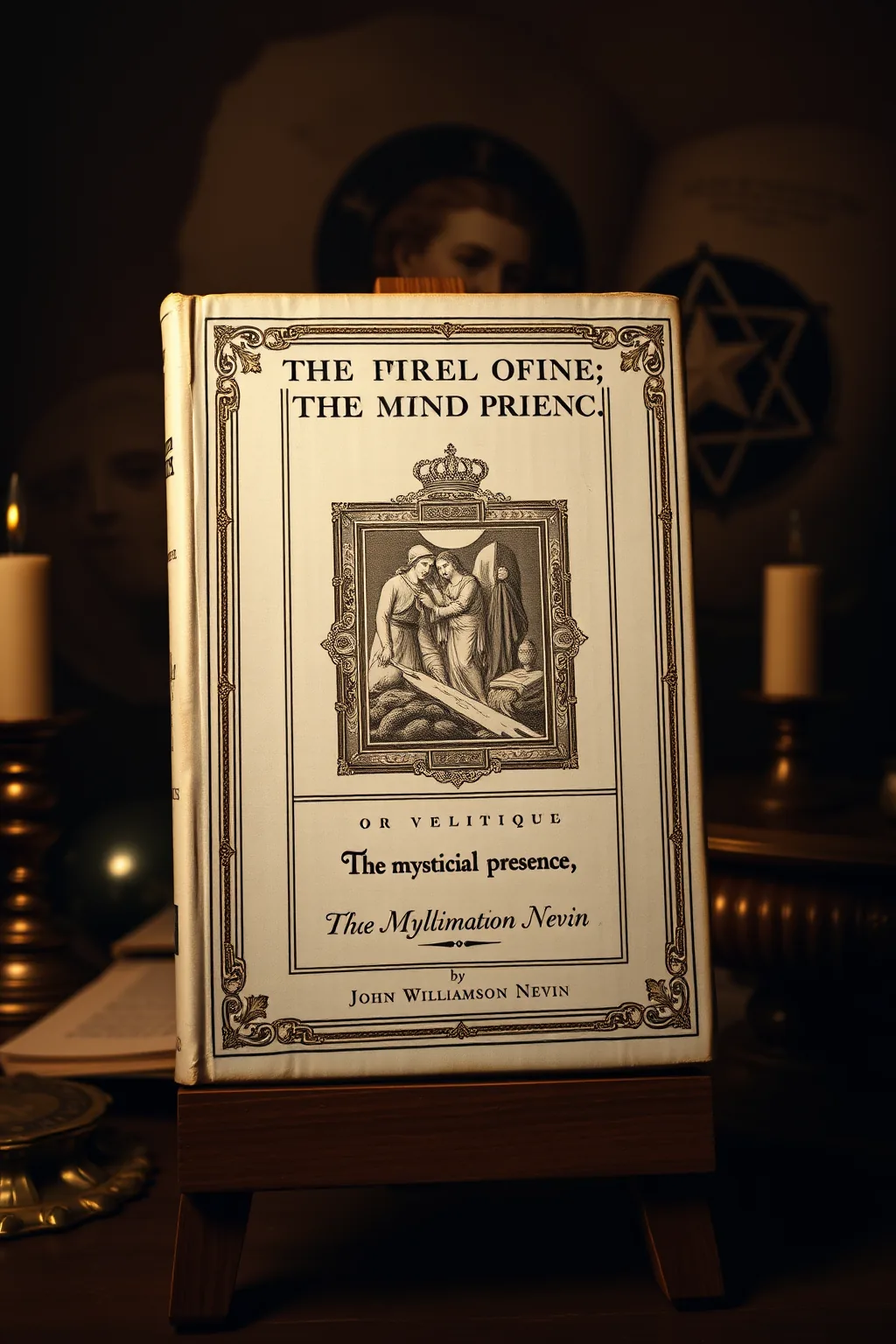
The mystical presence; or, A vindication of the reformed or Calvinistic doctrine of the holy ...
 75
75

The mystical presence; or, A vindication of the reformed or Calvinistic doctrine of the holy ...



John Williamson Nevin's The mystical presence; or, A vindication of the reformed or Calvinistic doctrine of the holy is a profound exploration of the mystical dimensions within Calvinism. Published in 1846, this work stands as a testament to Nevin's theological acumen and his ability to bridge the gap between traditional religious thought and the esoteric. For modern esoteric seekers, this book offers a rich tapestry of ideas that can deepen one's understanding of divine presence and spiritual contemplation. Nevin's arguments are meticulously crafted, drawing on a wide range of sources to support his views. The book's historical context adds an additional layer of depth, making it a valuable resource for those interested in the evolution of religious thought. While some readers may find the language and concepts challenging, the effort is well worth it for the spiritual insights gained. This text is a hidden gem for those exploring the mystical traditions within Christianity.
📝 Description
75
John Williamson Nevin argued in 1846 that Reformed theology held a genuine mystical doctrine.
In 1846, John Williamson Nevin published 'The Mystical Presence; or, A Vindication of the Reformed or Calvinistic Doctrine of the Holy Communion.' He contended that Calvinism, often perceived as intellectual, possessed a robust doctrine of the real, spiritual presence of Christ in the Eucharist. Nevin sought to correct what he saw as a misinterpretation of Reformed theology, asserting that it affirmed a genuine mystical union between the believer and Christ.
His work connects this doctrine to the broader history of Christian thought, drawing on patristic and medieval sources to support his claims. Nevin's argument centers on the idea that the spiritual presence is not merely symbolic but a real, albeit non-corporeal, participation in the divine. This book offers a detailed theological defense of this position, engaging with contemporary debates about the Lord's Supper and the nature of religious experience.
Nevin's work engages with the concept of the mystical presence within a Reformed theological framework, which historically emphasized spiritual reality over outward ritual. While not an 'esoteric' text in the sense of occult traditions, it addresses the 'hidden knowledge' of divine communion. Nevin sought to demonstrate that the Reformed tradition, despite its rationalist reputation, articulated a profound understanding of spiritual union with Christ, accessible through faith and the sacraments. This interpretation aligns with broader currents of Christian thought that explore the inner life and the direct experience of the divine, often considered 'mystical' in nature.
💡 Why Read This Book?
Reading The mystical presence; or, A vindication of the reformed or Calvinistic doctrine of the holy today offers a unique opportunity to explore the esoteric roots of Calvinism. This book provides valuable insights into the mystical dimensions of Christian spirituality, making it an essential read for those interested in the intersection of religion and esotericism. By delving into Nevin's arguments, readers can gain a deeper understanding of divine presence and the role of mysticism in spiritual contemplation. This text is particularly relevant for modern seekers who wish to reconcile traditional religious beliefs with contemporary spiritual practices.
⭐ Reader Reviews
Honest opinions from readers who have explored this book.
❓ Frequently Asked Questions
What is the main focus of The mystical presence?
The main focus of The mystical presence is the exploration of the mystical dimensions within the reformed or Calvinistic doctrine. Nevin argues for the presence of God in the lives of believers, drawing on biblical and philosophical sources.
Who should read this book?
This book is ideal for readers interested in the intersection of esoteric thought and Christian theology. It is particularly valuable for those exploring the mystical traditions within reformed thought and seeking a deeper understanding of spiritual experiences.
What historical context does this book provide?
The book was published in 1846 during a time of religious revival, when many sought to reconcile traditional Christian beliefs with emerging scientific and philosophical ideas. It offers insights into the evolution of religious thought during this period.
🔮 Key Themes & Symbolism
Divine Presence
The book looks at the concept of the divine presence within the human spirit, exploring the mystical union between God and humanity. This theme is central to the Reformed doctrine and is examined through the lens of esoteric and symbolic interpretations.
Symbolism and Hidden Knowledge
Nevin's work is rich in symbolism and hidden knowledge, revealing the deeper layers of spiritual truth that lie beneath the surface of religious doctrine. This theme invites readers to uncover the mystical and esoteric dimensions of their faith.
Spiritual Contemplation
The book encourages readers to engage in deep spiritual contemplation, inviting them to reflect on the profound and subtle aspects of their religious experience. This theme is explored through a combination of philosophical and theological insights.
💬 Memorable Quotes
Direct passages from the work, attributed to the author.
“Hidden knowledge reveals the divine within us.”
— Nevin emphasizes the importance of esoteric insights in understanding the divine presence.
“True faith is a journey of discovery.”
— Nevin encourages readers to begin of spiritual discovery and introspection.
💡 Key Ideas
Editorial paraphrase of the work's core concepts — not direct quotes.
The mystical presence is the heart of true spiritual experience.
This line underscores the centrality of the mystical union in authentic religious practice.
Symbolism is the language of the soul.
This quote highlights the role of symbolism in communicating spiritual truths.
The Reformed doctrine is a path to mystical contemplation.
This line suggests that the Reformed tradition can be a gateway to deeper spiritual exploration.
🌙 Esoteric Significance
Tradition
This book belongs to the Hermetic tradition, emphasizing the mystical union between the divine and the human spirit. It draws on symbols and hidden knowledge to reveal deeper spiritual truths.
Symbolism
Key symbols in the book include the mystical presence of God, the language of the soul, and the journey of spiritual discovery. These symbols are used to convey the esoteric dimensions of religious experience.
Modern Relevance
Today, this book remains relevant for modern practitioners of mystical traditions who seek to understand the deeper layers of spiritual truth. It offers a timeless exploration of the mystical presence and its significance in contemporary spiritual practice.
👥 Who Should Read This Book
Beginners may find this book challenging due to its dense theological and symbolic content, but it is an invaluable resource for scholars and spiritual seekers. Those with a background in theology or mysticism will appreciate the depth and insight provided by Nevin's exploration of the Reformed doctrine. Practitioners of esoteric traditions will find it particularly enlightening, as it offers a unique perspective on the mystical and contemplative aspects of religious experience.
📜 Historical Context
Written in the 19th century, 'The Mystical Presence' emerged during a time of significant theological debate and spiritual awakening. Nevin's work was important because it sought to reconcile the more rationalistic aspects of Reformed theology with the mystical and contemplative dimensions of religious experience. This book has influenced subsequent generations of theologians and spiritual seekers, providing a framework for understanding the esoteric and symbolic aspects of faith.
📔 Journal Prompts
Reflect on the concept of the mystical presence in your own spiritual journey.
How does symbolism enhance your understanding of divine presence?
Consider the role of hidden knowledge in your spiritual practice.
Explore the philosophical implications of the Reformed doctrine on mystical contemplation.
What insights can you gain from Nevin's exploration of the divine-human union?
🗂️ Glossary
Mystical Presence
The concept of the divine presence within the human spirit, explored through esoteric and symbolic interpretations.
Reformed Doctrine
The theological principles of the Reformed or Calvinistic tradition, which emphasize the sovereignty of God and the authority of Scripture.
Esoteric Traditions
Spiritual practices and beliefs that focus on hidden knowledge and mystical experiences.
Symbolism
The use of symbols to convey deeper spiritual truths and insights.
Spiritual Contemplation
The practice of deep reflection and introspection to explore the profound aspects of religious experience.
This book appears in 1 collection
🔮 Readers Also Liked
Browse all →







More by John Williamson Nevin
All books →


From the “Christian Mysticism” Collection
View all →









More Free Mysticism & Contemplation Books
View all →