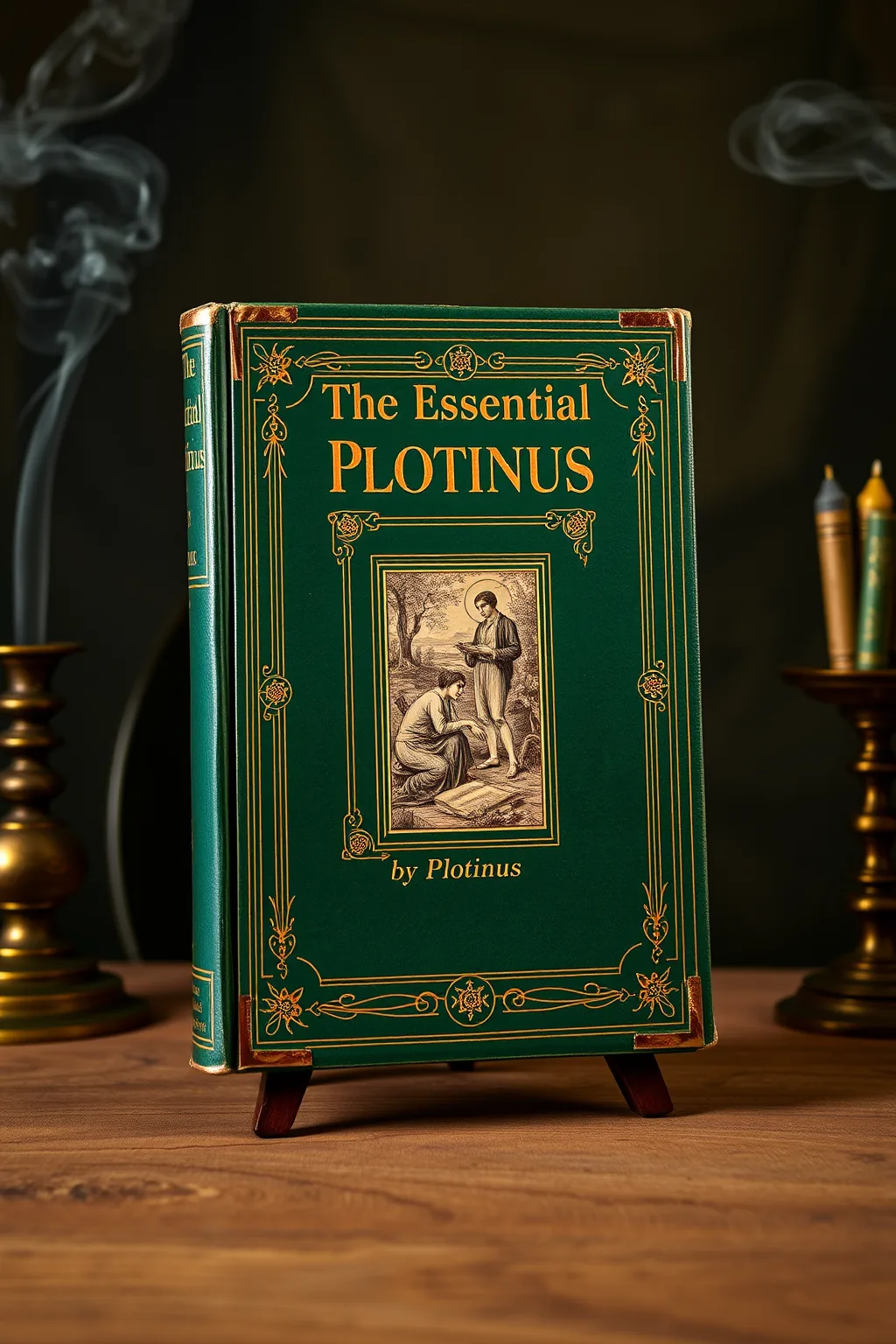
The Materiality of Magic

 81
81

The Materiality of Magic
Dietrich Boschung and Jan N. Bremmer's "The Materiality of Magic" offers a vital corrective to scholarship that privileges textual over tangible evidence in the study of ancient sorcery. By focusing on the physical carriers of magical intent—gems, rings, amulets, and figurines—the book grounds abstract theories of magic in concrete, often surprisingly mundane, objects. A particular strength lies in the detailed examination of magical gems, where iconography and inscription converge to create potent apotropaic devices. While the collection is comprehensive, some essays feel more like inventories of objects than deep dives into their specific socio-historical contexts, occasionally leaving the reader yearning for more interpretive depth on individual pieces. Nevertheless, the volume's consistent focus on the material dimension provides an indispensable resource for anyone studying ancient ritual and belief, shifting the paradigm from what was said about magic to what was held, worn, and deployed.
📝 Description
81
Published in 2014, The Materiality of Magic examines how physical objects facilitated ancient magical practices.
This volume moves beyond abstract theories to investigate the physical objects used in ancient magic. It argues that artifacts like engraved gems, amulets, ritual drawings, and inscribed figurines were not mere props but active agents in spellcasting and the manipulation of unseen forces. The contributors highlight the crucial role of these material objects in understanding magic's historical effectiveness and cultural significance.
The book addresses a gap in scholarship that has often prioritized textual evidence over the archaeological and artifactual record. It situates the study of magical objects within broader historical trends, including personal devotion, the use of apotropaic devices, and the spread of magical knowledge across the Roman and Hellenistic worlds. The work is intended for academics specializing in ancient history, religious studies, and the history of magic, as well as advanced students and independent researchers.
This collection places the study of ancient magic firmly within the history of religions and material culture. It acknowledges that for many ancient cultures, the distinction between ritual, magic, and religion was blurred, with tangible objects playing a central role in mediating spiritual forces and personal agency. By focusing on the materiality, the book connects with the broader academic interest in how belief systems manifest physically and how practitioners interacted with the world through objects believed to hold power.
💡 Why Read This Book?
• Understand the tangible vectors of ancient magic, learning how objects like inscribed amulets and ritual figurines were believed to actively shape reality, moving beyond mere symbolic representation. • Analyze the interplay between inscription and image on magical artifacts, as discussed in chapters examining gems from the Greco-Roman period, to grasp how written spells and divine depictions were fused for efficacy. • Contextualize the use of magical paraphernalia within the broader cultural landscape of antiquity, appreciating how items like protective amulets served specific social and religious functions in daily life.
⭐ Reader Reviews
Honest opinions from readers who have explored this book.
❓ Frequently Asked Questions
What is the primary focus of "The Materiality of Magic"?
The book's primary focus is on the physical objects used in ancient magical practices, such as gems, amulets, figurines, and drawings, exploring their role and function beyond mere textual descriptions.
Who are the editors of "The Materiality of Magic"?
The editors are Dietrich Boschung and Jan N. Bremmer. The work was first published in 2015.
What types of material evidence are discussed in the book?
The book discusses a range of material evidence including engraved gems, rings, amulets, figurines, and drawings, as well as grimoires and other inscribed objects.
What historical periods does "The Materiality of Magic" cover?
The book primarily covers magic in antiquity, with a focus on the Greco-Roman and Hellenistic periods, examining the material culture of these eras.
How does this book differ from other works on ancient magic?
Unlike many previous books focusing on formulas and incantations, "The Materiality of Magic" uniquely concentrates on the tangible artifacts and their significance in ancient magical practices.
What scholarly disciplines would find this book useful?
The book is valuable for scholars and students in ancient history, religious studies, classical studies, archaeology, and the history of magic.
🔮 Key Themes & Symbolism
Operative Power of Objects
This theme examines how ancient magical objects were not passive symbols but were believed to possess inherent operative power. The work details how specific materials, shapes, and inscriptions on items like engraved gems or protective amulets were intended to directly influence events, ward off evil, or invoke deities. The focus is on the object as an active agent in the magical transaction, a concept central to understanding ancient ritual practices across the Mediterranean world.
Inscription and Iconography
A significant aspect explored is the fusion of written spells and divine imagery on magical artifacts. The book analyzes how the careful arrangement of names, epithets, and potent phrases alongside depictions of gods or mythological scenes on items like magical gems amplified their efficacy. This synergy between text and image was considered crucial for directing the object's inherent power and ensuring the desired magical outcome.
Amulets and Apotropaic Functions
The collection extensively investigates the role of amulets and talismans in providing magical protection. It details various forms, from small figurines to inscribed rings, and explains their apotropaic purpose – to avert misfortune, illness, or malevolent forces. The scholarship highlights the widespread use of such objects in daily life across the Roman and Hellenistic periods, underscoring their importance in personal and communal well-being.
The Material Grimoire
Beyond portable objects, the book also touches upon the materiality of written magical knowledge itself, referencing grimoires and papyri. It considers how the physical form of these texts, the materials used, and the act of writing or copying spells contributed to their magical potency. This perspective connects the tangible artifacts to the documented traditions of magic, bridging the gap between practice and theory.
💬 Memorable Quotes
Direct passages from the work, attributed to the author.
“The focus shifts from the discourse of magic to its material carriers.”
— This statement expresses the book's core argument: that understanding magic requires examining the physical objects through which it was enacted, rather than solely focusing on theoretical discussions or written spells.
“Gems, rings, drawings, amulets, and figurines were not mere symbols but instruments.”
— This highlights the active, functional role attributed to magical objects in antiquity. They were seen as tools designed to perform specific tasks, directly intervening in the world.
“The combination of inscription and image on an object determined its power.”
— This reflects the belief that the effectiveness of a magical artifact stemmed from the synergistic relationship between its visual representations and the written magical formulae or divine names inscribed upon it.
“Scholars have increasingly recognized the importance of archaeological evidence.”
— This indicates a scholarly trend towards integrating artifactual and material culture studies into the broader understanding of ancient magical practices, moving beyond purely textual analysis.
“The materiality of magic is essential for grasping its historical context.”
— This emphasizes that to truly comprehend how magic functioned in ancient societies, one must consider the physical objects involved and their tangible role in ritual and belief systems.
🌙 Esoteric Significance
Tradition
This work primarily engages with the material culture of Greco-Roman and Hellenistic magic, which forms a foundational stratum for much of Western esotericism. While not explicitly a text *within* an esoteric tradition, it provides crucial historical and archaeological context for practices found in Hermeticism, Neoplatonism, and later ceremonial magic, which often draw upon or reinterpret ancient magical artifacts and concepts.
Symbolism
Key symbols explored include divine iconography on magical gems (e.g., depictions of Iao, Sabaoth, or chthonic deities) intended to channel specific powers, and potent geometric designs or sigils found on amulets and amulets, believed to act as keys or seals for magical operations. The very act of inscribing names of power, like those of archangels or divine emanations, onto physical objects served as a symbolic invocation and containment of spiritual forces.
Modern Relevance
Contemporary practitioners of Hermeticism, ceremonial magic, and talismanic magic frequently draw inspiration from the objects and practices detailed in this book. Thinkers and groups focused on reconstructing ancient ritual, or those interested in the symbolic power of amulets and inscribed objects, find essential grounding in the scholarly analysis of these historical materials. The work informs modern occult discussions on the efficacy of material components in magical workings.
👥 Who Should Read This Book
• Students of Classical Antiquity and Religious Studies: Gain a nuanced understanding of how material culture intersected with belief systems, particularly concerning magic, divination, and ritual practices in the Greco-Roman world. • Researchers in the History of Magic: Access a focused collection of essays that highlight artifactual evidence, offering insights into the practical application and physical manifestations of magic beyond textual sources. • Practitioners of Western Esoteric Traditions: Discover the historical roots and material foundations of practices involving amulets, talismans, and inscribed objects, enriching your understanding of their efficacy and symbolism.
📜 Historical Context
Published in 2015, "The Materiality of Magic" emerged during a period of intense scholarly interest in the history of ancient magic, building upon foundational work by scholars like Fritz Graf and Garth Fowden. While previous decades saw numerous studies on magical texts, incantations, and the social construction of sorcery, Boschung and Bremmer's collection addressed a perceived lacuna by focusing squarely on the archaeological and artifactual evidence. This emphasis on tangible objects represented a methodological shift, moving beyond textual analysis to explore the physical means by which magic was performed. The book's contributors engaged with a rich body of evidence from the Hellenistic and Roman worlds, directly addressing the material culture of magic in contrast to the philosophical debates on magic prevalent in some academic circles. Its publication contributed to a growing consensus that a holistic understanding of ancient magic necessitates the integration of textual, iconographic, and archaeological data.
📔 Journal Prompts
The operative power of inscribed gems in ancient magic.
Amulets and their apotropaic functions in daily life.
The material grimoire and its influence on magical practice.
How did the combination of inscription and image enhance an object's perceived efficacy?
The shift from discourse to material carriers in studying magic.
🗂️ Glossary
Amulet
An object worn or carried for protection against evil, danger, or disease. In antiquity, amulets often featured inscriptions or symbolic imagery believed to imbue them with magical properties.
Apotropaic
Having the power to ward off evil or bad luck. Apotropaic objects, such as certain amulets or figurines, were used to repel malevolent influences or misfortune.
Gem (Magical)
Engraved gemstones used in antiquity for magical purposes, often bearing divine figures, symbols, or incantations believed to grant protection, power, or influence over events.
Figurine
Small, sculpted figures, often made of clay, metal, or stone, used in various ancient contexts, including religious votives, household cults, and magical practices for protection or invocation.
Grimoire
A textbook of magic, typically containing instructions on how to cast spells, perform rituals, and use magical ingredients. While the term is more common in later periods, ancient magical texts share this function.
Materiality
The quality or state of being material; the physical existence of objects. In the context of magic, it refers to the tangible artifacts and substances through which magical power was believed to operate.
Iconography
The visual images and symbols used in a work of art or the study or interpretation of these. In magical artifacts, iconography often conveys divine presence or symbolic meaning crucial to the object's function.
This book appears in 1 collection
🔮 Readers Also Liked
Browse all →








From the “Talismans” Collection
View all →
More Free Occult Philosophy Books
View all →