The Magic of the Middle Ages
 69
69

The Magic of the Middle Ages

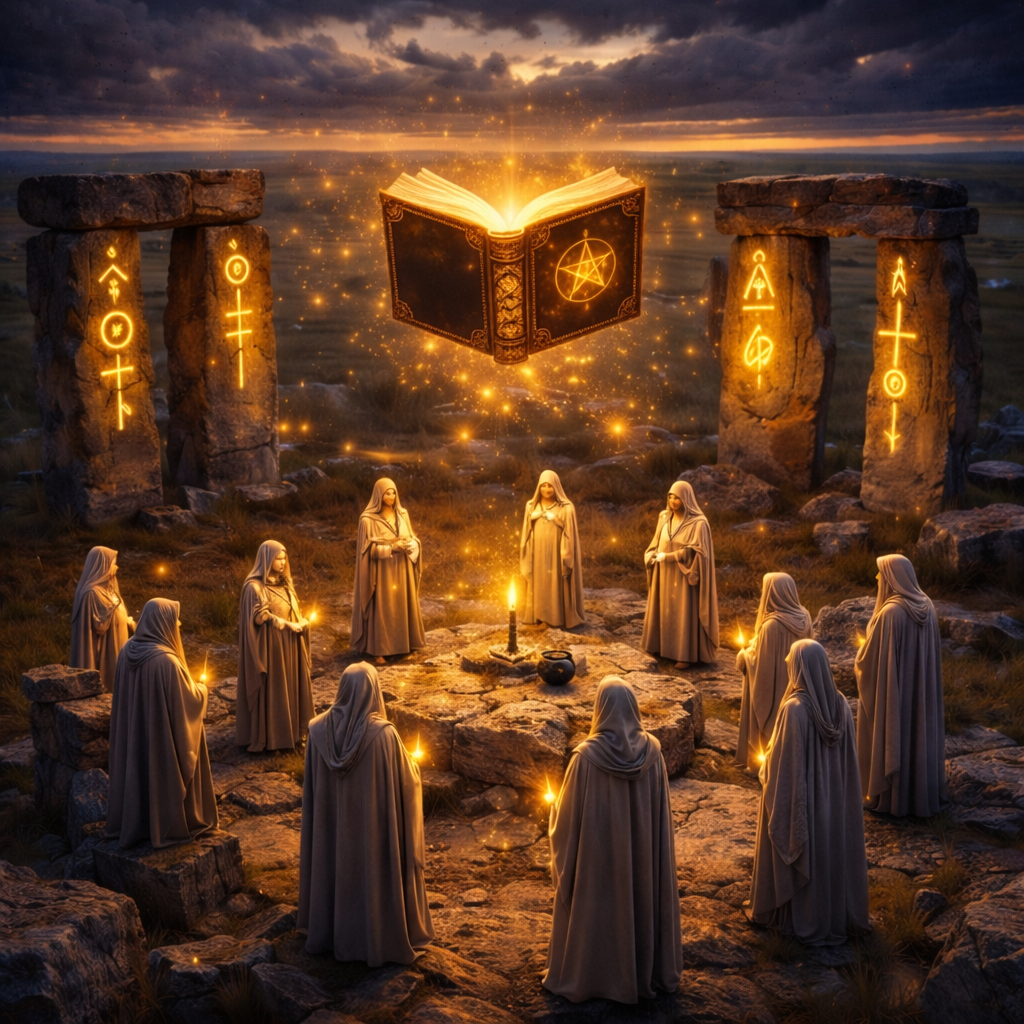

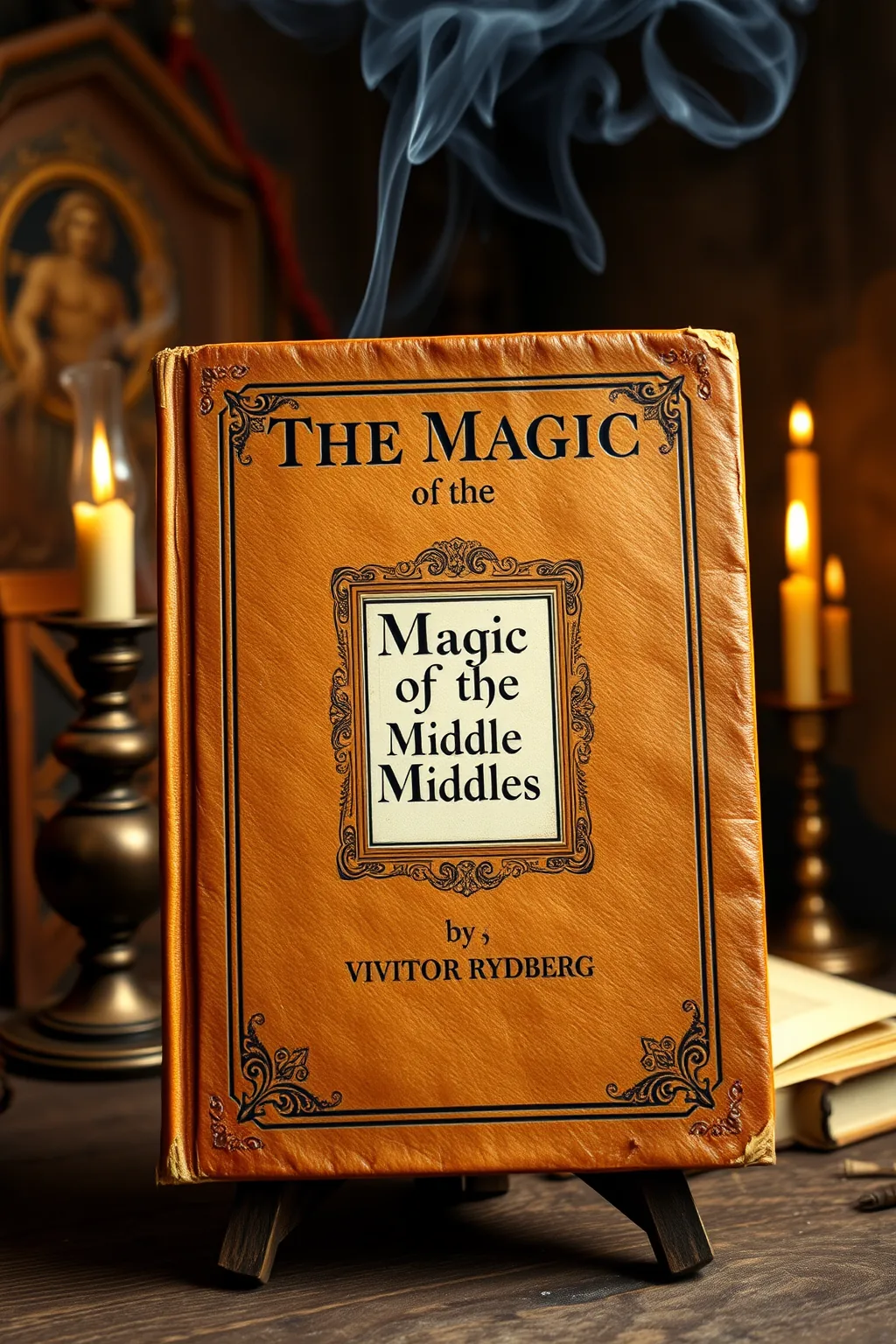
Viktor Rydberg's 'The Magic of the Middle Ages' is a treasure trove for modern esoteric seekers. Published in 1828, this work remains a foundational text for understanding the magical and occult beliefs of medieval Europe. Rydberg's detailed research and scholarly approach make this book an invaluable resource for both historians and practitioners of the occult. The text is rich with descriptions of magical rituals, alchemical practices, and divination methods, offering a comprehensive view of the esoteric landscape of the Middle Ages. For contemporary readers, the book provides a historical context that enriches their understanding of modern magical traditions. It serves as a bridge between the past and present, illustrating how ancient beliefs and practices have evolved over time. Rydberg's insights into the interplay between religion, science, and magic are particularly enlightening, shedding light on the complex web of influences that shaped medieval thought. Overall, 'The Magic of the Middle Ages' is a must-read for anyone interested in the history of the occult and the enduring fascination with magical arts.
📝 Description
69
Viktor Rydberg's 1871 work examines medieval magic as a system of thought and practice.
Viktor Rydberg's 'The Magic of the Middle Ages' reconstructs the esoteric currents of medieval Europe. The book details how practices like alchemy and astrology were integrated into the everyday lives and intellectual frameworks of the period. Rydberg focuses on the symbolic language and the ritualistic aspects that characterized this era. He shows how these elements formed a distinct worldview, separate from but interacting with mainstream religious and philosophical thought.
The author examines the philosophical underpinnings of these magical beliefs, tracing their connection to earlier traditions and their potential impact on later esoteric movements. The text aims to illuminate a period often misunderstood, presenting medieval magic not as superstition, but as a coherent system of knowledge and spiritual pursuit. Readers encounter a detailed account of how magic functioned within the medieval context.
This book fits within the late 19th-century revival of interest in Western esotericism. Rydberg engages with historical occult traditions, viewing medieval magic as a precursor to later occult philosophies. It reflects a scholarly approach to understanding magical systems as historical phenomena, distinct from mere folklore. The work positions medieval practices within a lineage of hermeticism and Gnosticism, seeking to understand their intellectual and spiritual significance.
✍️ Author
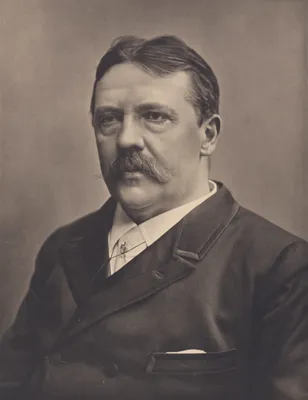
Rydberg, Viktor
Abraham Viktor Rydberg (Swedish pronunciation: [ˈɑ̂ːbraham ˈvɪ̌kːtɔr ˈrŷːdbærj]; 18 December 1828 – 21 September 1895) was a Swedish writer and a member of the Swedish Academy, 1877–1895..
💡 Why Read This Book?
Reading 'The Magic of the Middle Ages' today offers a unique perspective on the esoteric traditions that have shaped our world. This book provides a deep dive into the magical practices and occult beliefs of medieval Europe, offering readers a richer understanding of the historical roots of modern esotericism. By exploring the rituals and superstitions of the past, readers can gain insights into the evolution of magical arts and their enduring appeal. Additionally, the book serves as a valuable resource for those interested in the cultural and historical context of the Middle Ages, providing a comprehensive overview of the social, political, and religious factors that influenced medieval society.
⭐ Reader Reviews
Honest opinions from readers who have explored this book.
❓ Frequently Asked Questions
What is the main focus of 'The Magic of the Middle Ages'?
The main focus of 'The Magic of the Middle Ages' is the exploration of esoteric practices and occult beliefs that were prevalent in medieval European society. It delves into magical rituals, alchemy, and divination, providing a comprehensive overview of the mystical traditions of the era.
Who should read this book?
This book is ideal for anyone interested in the history of esoteric traditions, medieval studies, and the occult. It is particularly valuable for historians, practitioners of the occult, and those seeking to understand the cultural and historical context of medieval magic.
What historical context does the book provide?
The book offers a detailed historical context for the magical and occult practices of the Middle Ages, examining the social, political, and religious factors that contributed to their development. It provides insights into the interplay between religion, science, and magic during this period.
🔮 Key Themes & Symbolism
Alchemy
Rydberg explores the mystical art of alchemy, exploring its philosophical and spiritual dimensions. He reveals how alchemists sought to transform base metals into gold, symbolizing the spiritual transformation of the soul.
Astrology
The book examines the role of astrology in medieval society, highlighting how celestial bodies were believed to influence human affairs. Rydberg discusses the symbolism and esoteric practices associated with astrology, providing a deep understanding of its significance.
Symbolism
Symbolism is a central theme, with Rydberg exploring the hidden meanings behind medieval symbols and rituals. He reveals how these symbols were used to convey esoteric knowledge and spiritual truths, making this book a rich resource for those interested in the occult.
💡 Key Ideas
Editorial paraphrase of the work's core concepts — not direct quotes.
The alchemist seeks not just gold, but the transformation of the soul.
This quote underscores the spiritual dimension of alchemy, highlighting its esoteric significance.
The stars above guide the fate of men below.
This line emphasizes the belief in astrology's influence on human affairs, a key theme in the book.
Symbols are the language of the divine, whispered in the ears of the initiated.
This quote underscores the importance of symbolism in medieval esoteric traditions.
Medieval magic is a range woven with threads of alchemy, astrology, and symbolism.
This line highlights the interconnectedness of the book's key themes, providing a unified vision of medieval esoteric practices.
In the heart of the Middle Ages, magic was not a mere illusion, but a pathway to hidden knowledge.
This quote emphasizes the profound and mystical nature of medieval magic, as explored in the book.
🌙 Esoteric Significance
Tradition
This book belongs to the Hermetic tradition, which emphasizes the transformation of the self through spiritual and alchemical practices. Hermeticism, with its roots in ancient Egypt and Greece, finds a rich expression in the medieval world as explored by Rydberg.
Symbolism
Key symbols include the alchemical symbols of sulfur, mercury, and salt, representing the transformation of the soul. Astrological symbols, such as the zodiac and planetary influences, are also central. These symbols convey deep esoteric knowledge and spiritual truths.
Modern Relevance
Today, this book remains relevant for modern practitioners of the occult and esoteric arts. Its exploration of medieval magic provides valuable insights into the foundations of modern Hermetic and alchemical practices. Many contemporary esotericists and occultists continue to study and apply the principles outlined by Rydberg.
👥 Who Should Read This Book
Beginners in the occult will find this book a rich introduction to medieval esoteric practices. Scholars of medieval history will appreciate the depth of research and historical context provided. Spiritual seekers will be drawn to the philosophical and spiritual dimensions of the book's themes. Practitioners of the occult will find valuable insights and inspiration for their own esoteric pursuits.
📜 Historical Context
The Middle Ages were a time of profound spiritual and intellectual exploration, where alchemy, astrology, and esoteric rituals were integral to daily life. Viktor Rydberg's 'The Magic of the Middle Ages' provides a detailed look at this era, highlighting the significance of these mystical practices in medieval society. The book was important when written because it offered a scholarly exploration of esoteric traditions that had long been shrouded in secrecy. Its influence can be seen in modern esoteric and occult literature, where the themes and symbols explored by Rydberg continue to resonate.
📔 Journal Prompts
How do the esoteric practices of the Middle Ages influence your understanding of modern spirituality?
Reflect on the symbolism of alchemy and its significance in your own spiritual journey.
Consider the role of astrology in your life and how it might influence your decisions and beliefs.
How do medieval symbols and rituals resonate with your own spiritual practices?
Explore the idea of spiritual transformation as described by Rydberg and its relevance to your own quest for enlightenment.
🗂️ Glossary
Alchemy
The mystical art of transforming base metals into gold, symbolizing the spiritual transformation of the soul.
Astrology
The study of celestial bodies and their influence on human affairs, a central practice in medieval esoteric traditions.
Hermeticism
An esoteric tradition emphasizing the transformation of the self through spiritual and alchemical practices.
Symbolism
The use of symbols to convey hidden knowledge and spiritual truths, a key aspect of medieval magic.
Medieval Magic
The mystical and esoteric practices of the Middle Ages, including alchemy, astrology, and ritual symbolism.
This book appears in 14 collections
🔮 Readers Also Liked
Browse all →




From the “Transcendental Meditation” Collection
View all →






More Free Magic & Ritual Books
View all →