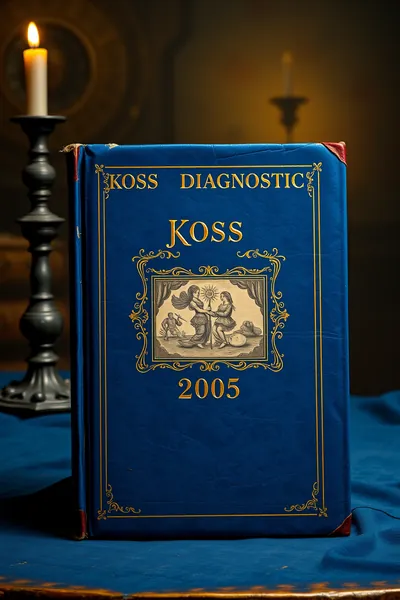
The laughing Jesus

 80
80

The laughing Jesus
Timothy Freke's "The Laughing Jesus" offers a compelling, albeit controversial, reframing of the Christ figure. Freke asserts that the historical Jesus was not the divine son of God in the orthodox sense, but a radical sage teaching inner liberation, a perspective he argues is obscured by later theological developments. The strength of the book lies in its persistent, critical engagement with the Gospel narratives, drawing parallels with Gnostic and Eastern mystical traditions to paint a picture of a Jesus who advocated ecstatic joy and self-realization. Freke's interpretation of Jesus as a "Wisdom Teacher" is particularly striking, challenging the pervasive image of a suffering savior. However, a limitation is the book's reliance on speculative interpretations; while Freke marshals considerable textual analysis, the absence of definitive historical proof for his more radical claims leaves room for skepticism. A passage that particularly stands out is Freke's re-reading of the "Kingdom of Heaven" not as a future afterlife, but as an immediate, internal state of consciousness attainable through Jesus's teachings. Ultimately, "The Laughing Jesus" serves as a powerful, if debated, call to reconsider the very foundations of Christian belief and the nature of spiritual authority.
📝 Description
80
Timothy Freke's 2005 book reinterprets Jesus as a sage of inner liberation and ecstatic joy.
Timothy Freke's "The Laughing Jesus," published in 2005, proposes a radical reevaluation of the Jesus narratives. Freke argues against the traditional view of Jesus as an orthodox divine savior. Instead, he frames Jesus as a wise teacher who offered a path toward personal freedom and profound happiness. The book examines early Christian writings, suggesting they contain allegorical and mythical layers often misunderstood. Freke connects Jesus's teachings to pre-Christian Gnostic traditions that prioritized direct spiritual experience over rigid dogma.
This work is intended for readers approaching religious and spiritual subjects with a critical, open perspective. It will interest those drawn to Gnosticism, early Christianity, and unconventional views of Jesus. Individuals looking for the historical and philosophical roots of Western spirituality, or those seeking a personal, experiential spirituality beyond institutionalized religion, will find Freke's arguments engaging. It also serves scholars of comparative religion and esoteric studies.
Published in the early 2000s, "The Laughing Jesus" aligns with a resurgence of interest in Gnostic texts, notably the Nag Hammadi library. Freke's work engages with these texts to present an alternative understanding of early Christianity, one that diverges from developing orthodox doctrines. It draws from a history of heterodox Christian thought and esoteric interpretations, including movements like the Cathars and contemporary spiritual traditions, all aiming to uncover a mystical dimension in Jesus's message.
💡 Why Read This Book?
• Understand Jesus as a radical sage: Learn to interpret the Gospels through the lens of inner liberation and ecstatic wisdom, moving beyond orthodox dogma to grasp the "inner kingdom" concept Freke emphasizes. • Explore Gnostic parallels: Discover how Freke connects Jesus's teachings to pre-Christian Gnostic traditions and Eastern mystical paths, offering a comparative religious perspective not found in standard theological texts. • Re-evaluate Christian symbolism: Gain new insights into key Christian symbols and narratives, such as the "Kingdom of Heaven," as presented in Freke's 2005 work, fostering a deeper, more personal spiritual understanding.
⭐ Reader Reviews
Honest opinions from readers who have explored this book.
❓ Frequently Asked Questions
What is Timothy Freke's central argument in 'The Laughing Jesus'?
Freke argues that Jesus was a radical sage teaching inner liberation and ecstatic joy, not a divine savior. He posits that orthodox interpretations obscure this original message, which aligns more with Gnostic and Eastern mystical traditions.
How does Freke interpret the 'Kingdom of Heaven'?
Freke interprets the 'Kingdom of Heaven' as an immediate, internal state of consciousness achievable through spiritual self-realization, rather than a future afterlife or a geographical location.
What is the significance of the 'laughing Jesus' concept?
The 'laughing Jesus' represents a figure of ecstatic wisdom and freedom, embodying joy and liberation from worldly concerns, contrasting with the somber, suffering savior often depicted in Christian art and theology.
Which historical or spiritual traditions does Freke draw upon?
Freke draws upon Gnostic traditions, Eastern mysticism (e.g., Buddhism, Hinduism), and heterodox Christian thought to reinterpret Jesus's teachings and message.
When was 'The Laughing Jesus' first published?
The book 'The Laughing Jesus' by Timothy Freke was first published in 2005.
Is this book suitable for traditional Christians?
This book challenges many traditional Christian doctrines and interpretations. It is best suited for those open to critical re-examinations of religious texts and historical figures, rather than those seeking orthodox affirmations.
🔮 Key Themes & Symbolism
Jesus as Wisdom Teacher
Freke presents Jesus not as a divine son of God, but as a profound Wisdom Teacher, akin to figures in Eastern traditions. The focus shifts from salvation through sacrifice to liberation through gnosis and self-realization. This perspective reinterprets the Gospel narratives to emphasize Jesus's role in awakening individuals to their own divine potential, teaching a path of inner peace and ecstatic joy rather than adherence to external dogma or a future heavenly reward.
Gnostic and Esoteric Christianity
The work heavily emphasizes the influence of Gnostic thought on early Christianity, suggesting that orthodox Christianity suppressed more esoteric interpretations. Freke aligns Jesus's teachings with the Gnostic pursuit of direct spiritual knowledge (gnosis) and the concept of an "inner kingdom." This theme challenges the historical development of the Church and advocates for a recovery of mystical, experiential spirituality over creedal religion.
Inner Liberation and Ecstasy
Central to Freke's thesis is the idea that Jesus's primary message was about achieving a state of inner freedom and ecstatic awareness. The "laughing" aspect symbolizes this liberation from fear, suffering, and societal conditioning. This theme posits that the ultimate goal of spiritual practice is not adherence to rules, but the attainment of joyful, uninhibited consciousness, a state accessible to all through direct experience.
Reinterpreting the Gospels
Freke offers a critical reading of the New Testament Gospels, proposing that they contain layers of mythological and allegorical material that have been literalized over time. He seeks to peel back these layers to reveal an original, more radical message. This involves questioning the historical Jesus versus the Christ of faith, and exploring how early Christian communities might have understood Jesus's words and deeds through various mystical lenses.
💬 Memorable Quotes
Direct passages from the work, attributed to the author.
“The Kingdom of Heaven is within you.”
— This interpretation emphasizes Freke's view that the 'Kingdom of Heaven' is not a future destination but an immediate, internal state of consciousness accessible through spiritual awakening and self-realization, a core Gnostic and mystical concept.
“Orthodox interpretations obscure Jesus's original message.”
— This statement reflects Freke's critique of mainstream Christianity, suggesting that centuries of theological development and institutionalization have distorted or hidden the radical, liberating essence of Jesus's teachings as originally intended.
“Gnosis is direct spiritual knowledge.”
— This interpretation defines the key Gnostic term central to Freke's argument. It posits that true spiritual understanding comes not from scripture or authority, but from direct, intuitive insight and personal experience of the divine.
💡 Key Ideas
Editorial paraphrase of the work's core concepts — not direct quotes.
Jesus taught a path of inner liberation and ecstatic joy.
This paraphrased concept highlights Freke's central thesis: Jesus's teachings were aimed at freeing individuals from psychological and spiritual bondage, leading to profound happiness and uninhibited awareness, rather than focusing on dogma or external salvation.
Jesus was a radical sage, not a divine savior.
This paraphrased concept captures Freke's redefinition of Jesus's role, presenting him as a human exemplar of enlightened wisdom who showed others how to achieve their own spiritual potential, rather than a unique, supernatural redeemer.
🌙 Esoteric Significance
Tradition
This work aligns with Gnostic and esoteric Christian traditions, reinterpreting the figure of Jesus through the lens of mystical experience and direct knowledge (gnosis). It departs from orthodox Christianity by emphasizing inner liberation and ecstatic joy over dogma and salvation through sacrifice. Freke connects Jesus's teachings to broader mystical currents, including Eastern philosophies, suggesting a universal path to enlightenment that transcends specific religious boundaries.
Symbolism
The central symbol is the "laughing Jesus," representing ecstatic freedom and spiritual joy, contrasting with the suffering savior archetype. The "Kingdom of Heaven" is reinterpreted not as a celestial realm but as an internal state of consciousness, a core Gnostic concept. Freke also explores the symbolism of divine "gnosis" as the ultimate goal, representing direct, intuitive spiritual understanding rather than intellectual assent.
Modern Relevance
Contemporary thinkers exploring comparative mysticism, Gnosticism, and non-dual spiritualities often draw on Freke's work. His reinterpretation speaks to those seeking a more experiential and less dogmatic approach to spirituality. Modern movements emphasizing personal transformation, ecstatic practices, and the recovery of suppressed esoteric traditions find validation in his arguments about Jesus as an enlightened sage.
👥 Who Should Read This Book
• Students of comparative religion: Those interested in understanding the historical Jesus and early Christianity beyond orthodox interpretations will find Freke's Gnostic and Eastern parallels informative. • Seekers of alternative spirituality: Individuals disillusioned with institutionalized religion and searching for a more personal, experiential path to spiritual awakening will appreciate the focus on inner liberation and ecstatic joy. • Scholars of Gnosticism: Researchers and enthusiasts of Gnostic texts and philosophies will find "The Laughing Jesus" a provocative engagement with the figure of Christ through a Gnostic lens.
📜 Historical Context
Published in 2005, "The Laughing Jesus" emerged during a resurgence of interest in Gnostic texts, fueled by discoveries like the Nag Hammadi library and popular works by scholars such as Elaine Pagels. Freke's book positioned itself within a lineage of heterodox Christian thought, challenging the dogmatic interpretations that had dominated Western religious discourse for centuries. It entered a landscape where alternative spiritualities and critical historical-religious studies were gaining traction. The work implicitly engaged with ongoing debates about the historical Jesus and the formation of Christian doctrine, standing in contrast to the more conservative theological viewpoints prevalent in many circles. While not subject to specific censorship events, its arguments placed it at odds with traditional ecclesiastical interpretations, aligning it with esoteric and comparative religious scholarship.
📔 Journal Prompts
Reflect on the concept of the 'inner kingdom' as presented by Freke.
Consider the symbolism of Jesus as a 'laughing sage' versus a suffering savior.
Explore parallels between Freke's interpretation of Jesus and figures from Eastern mystical traditions.
How might the concept of 'gnosis' inform your personal spiritual understanding?
Analyze a Gospel passage through the lens of inner liberation rather than external salvation.
🗂️ Glossary
Gnosis
A Greek term meaning 'knowledge,' often referring to intuitive, experiential, or direct spiritual insight into divine mysteries, central to Gnostic traditions.
Inner Kingdom
Freke's interpretation of the 'Kingdom of Heaven' as a state of consciousness and spiritual realization achieved within oneself, rather than an external or future realm.
Wisdom Teacher
A designation Freke applies to Jesus, emphasizing his role as an enlightened guide who imparts profound understanding and a path to self-realization, akin to sages in other spiritual traditions.
Ecstatic Joy
A state of intense happiness and spiritual rapture, seen by Freke as a key aspect of the liberated consciousness taught by Jesus.
Orthodox Christianity
The mainstream, traditional doctrines and interpretations of Christianity, often contrasted by Freke with more esoteric or heterodox viewpoints.
Esoteric
Relating to or accessible only by a small number of people with a specialized knowledge or interest; inner, mystical teachings.
Sage
A profoundly wise person, often one who through age and experience has gained eminence for wisdom and sound judgment; Freke's view of Jesus.
🔮 Readers Also Liked
Browse all →








More by Timothy Freke
All books →





More Free Sacred Texts & Gnosticism Books
View all →