The Kashf al-mahjúb: The oldest Persian treatise on Súfiism
 70
70

The Kashf al-mahjúb: The oldest Persian treatise on Súfiism



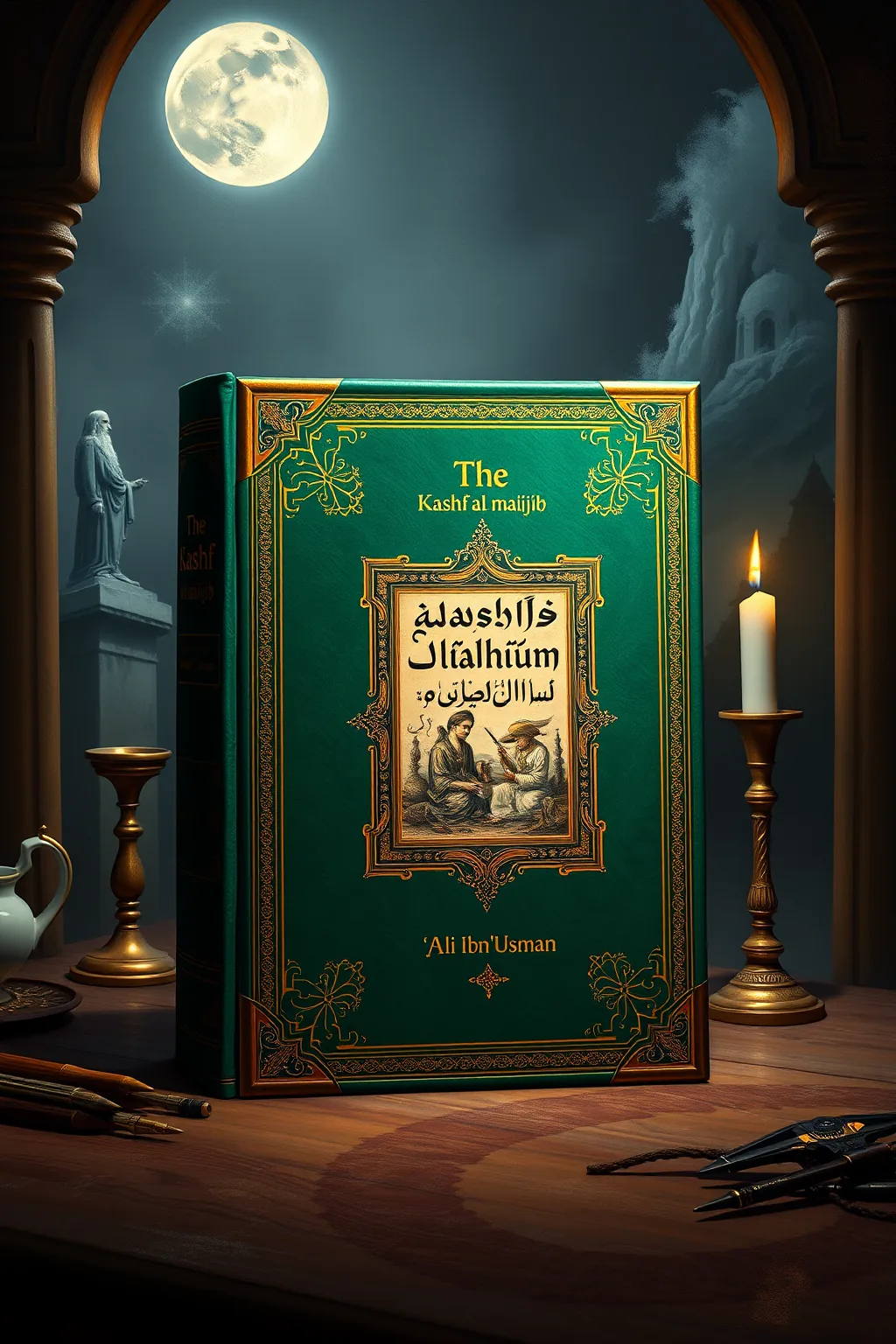
The Kashf al-mahjúb by Hujviri is a foundational text that remains as relevant today as it was nearly a thousand years ago. For modern esoteric seekers, this book offers a deep dive into the mystical traditions of Sufism, providing a framework for understanding the spiritual journey. Hujviri's writing is both accessible and profound, making complex spiritual concepts approachable for readers new to Sufism while offering deeper insights for those already familiar with the tradition. The book's exploration of contemplation and mysticism is particularly valuable, as it encourages readers to engage in personal spiritual practice. The Kashf al-mahjúb is a must-read for anyone interested in the esoteric dimensions of Islam and the contemplative practices that have shaped Sufi thought.
📝 Description
70
Written in the 11th century, The Kashf al-mahjúb is the oldest known Persian text on Sufism.
‘Ali ibn ‘Usman Hujviri completed his Kashf al-mahjúb, or "Unveiling of the Veiled," in the mid-11th century. This work functions as an extensive manual for Sufi practice and belief, written in Persian for a wider audience. Hujviri addresses fundamental questions about the nature of God, the role of prophets, and the spiritual path. He details the ranks of saints, the importance of the shaykh, and the stages of the spiritual journey. The book also discusses the etiquette of the Sufi community and refutes perceived heresies within early Sufism.
Hujviri's treatise is not merely theoretical; it offers practical advice for those seeking spiritual realization. He explains the proper conduct for dervishes and outlines the necessary disciplines for purifying the soul. The text serves as a foundational document for understanding the development of Sufi thought and practice in the formative period of its history. It remains a significant source for studying early Islamic mysticism.
The Kashf al-mahjúb is a primary source for early Persian Sufism, a mystical branch of Islam. It codifies beliefs and practices that emerged from the Prophet Muhammad's teachings and early Islamic asceticism. Hujviri systematizes concepts like annihilation in God (fana) and subsistence in God (baqa), central to the Sufi path. The text outlines the spiritual hierarchy and the stations (maqamat) a seeker must traverse. It aims to clarify the path for practitioners, distinguishing true Sufism from heterodox interpretations.
✍️ Author
Hujviri, ‘Ali ibn ‘Usman
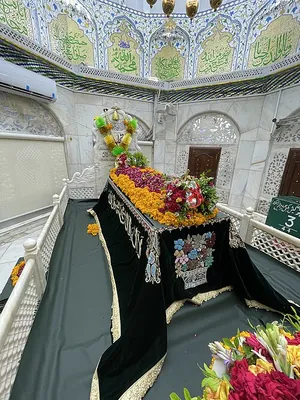
Abu al-Hasan Ali ibn Uthman al-Jullabi al-Hujwiri (Persian: ابو الحسن علی بن عثمان الجلابی الھجویری, romanized: Abū al-Ḥasan ʿAlī ibn ʿUthmān al-Jullābī al-Hujwīrī; c. 1009-1072/77), known reverentially as Data Sahib (Persian: داتا صاحب, romanized: Dātā Ṣaḥib), was an Islamic scholar and mystic who authored Kashf al-Mahjub, the earliest treatise on Sufism in the Persian language.
💡 Why Read This Book?
Reading 'The Kashf al-mahjúb' today offers a unique opportunity to connect with the roots of Sufi mysticism. This book provides a comprehensive introduction to the spiritual practices and philosophies that have guided Sufis for centuries. By exploring the themes of divine love, spiritual enlightenment, and contemplative practices, readers can gain a deeper understanding of their own spiritual journeys. This text is particularly valuable for those seeking to integrate esoteric knowledge into their daily lives, as it offers practical guidance and profound insights.
⭐ Reader Reviews
Honest opinions from readers who have explored this book.
❓ Frequently Asked Questions
What is the significance of 'The Kashf al-mahjúb' in Sufi literature?
'The Kashf al-mahjúb' is significant because it is one of the oldest and most comprehensive treatises on Sufism, providing foundational insights into Sufi doctrines and practices.
Who should read this book?
This book is ideal for scholars of Islamic mysticism, spiritual seekers, and anyone interested in the esoteric traditions of Sufism.
What are the key themes in 'The Kashf al-mahjúb'?
Key themes include the nature of the divine, the path to spiritual enlightenment, and the role of contemplation in Sufi practice.
🔮 Key Themes & Symbolism
The Path to Union with the Divine
The Kashf al-mahjúb delves deeply into the spiritual journey towards union with the Divine, exploring the mystical practices and contemplations that lead to this ultimate goal. This theme is central to Sufi teachings and offers useful insights into the nature of divine love and spiritual enlightenment.
Divine Mysteries
The treatise unravels the intricate web of divine mysteries, inviting readers to contemplate the deeper dimensions of existence. This exploration is rich in symbolic language and esoteric knowledge, making it a vital resource for those seeking to understand the mystical heart of Islam.
Symbolic Richness of Sufi Teachings
Hujviri’s work is renowned for its symbolic richness, using metaphors and allegories to convey profound spiritual truths. This theme highlights the beauty and complexity of Sufi symbolism, offering a deep dive into the hidden meanings behind Sufi teachings.
💬 Memorable Quotes
Direct passages from the work, attributed to the author.
“Symbols are the language of the soul.”
— Hujviri emphasizes the importance of symbolic language in conveying spiritual truths, making it a key aspect of Sufi teachings.
“The seeker’s journey is a dance of the soul.”
— This metaphorical expression captures the dynamic and transformative nature of the Sufi spiritual path.
💡 Key Ideas
Editorial paraphrase of the work's core concepts — not direct quotes.
The journey to the Divine is a journey within.
This quote underscores the Sufi belief that spiritual enlightenment comes from inner contemplation and self-discovery.
The path to union is paved with love.
This quote highlights the central role of divine love in the Sufi spiritual journey, guiding seekers towards union with the Divine.
The mysteries of the Divine are revealed to the pure of heart.
This passage emphasizes the importance of spiritual purity and devotion in uncovering the hidden knowledge of Sufism.
🌙 Esoteric Significance
Tradition
The Kashf al-mahjúb belongs to the Sufi tradition, which is rooted in Islamic mysticism. This tradition emphasizes the direct experience of the Divine and the pursuit of spiritual enlightenment through contemplation and inner journeying.
Symbolism
Key symbols in the Kashf al-mahjúb include the journey, the heart, and the dance of the soul. These symbols represent the spiritual path, the seat of divine love, and the dynamic nature of the Sufi experience, respectively.
Modern Relevance
The Kashf al-mahjúb remains relevant today for modern practitioners of Sufism and other mystical traditions. Its exploration of divine mysteries and spiritual guidance offers timeless insights into the human experience and the pursuit of spiritual enlightenment.
👥 Who Should Read This Book
Beginners in Sufism may find the Kashf al-mahjúb challenging due to its deep esoteric content, but it is useful for scholars and practitioners seeking a comprehensive understanding of early Sufi thought. Spiritual seekers will appreciate the useful insights into the divine mysteries and the path to union with the Divine, while practitioners will benefit from the rich symbolic language and spiritual guidance offered in the text.
📜 Historical Context
The Kashf al-mahjúb was written in the 11th century during a time of significant intellectual and spiritual ferment in the Islamic world. This period saw the flourishing of Sufi mysticism, with scholars and spiritual leaders seeking to deepen their understanding of the divine mysteries and the path to spiritual enlightenment. Hujviri’s work played a central role in shaping the early Sufi tradition, providing foundational insights and spiritual guidance that continue to influence modern practitioners.
📔 Journal Prompts
Reflect on the significance of the journey to the Divine in your own spiritual practice.
Consider the role of symbolic language in conveying spiritual truths.
Explore the concept of divine love and its importance in the Sufi spiritual journey.
Write about the importance of spiritual purity in uncovering hidden knowledge.
Contemplate the dynamic and transformative nature of the Sufi spiritual path.
🗂️ Glossary
Sufism
A mystical branch of Islam that emphasizes direct experience of the Divine and spiritual enlightenment.
Divine Mysteries
The hidden truths and symbols that reveal the nature of the Divine and the spiritual path.
Union with the Divine
The ultimate goal of Sufi spirituality, representing the merging of the individual soul with the Divine.
Esoteric Knowledge
Hidden spiritual truths and insights that are revealed through contemplation and inner journeying.
Symbolic Language
The use of metaphors and allegories to convey profound spiritual truths in Sufi teachings.
This book appears in 2 collections
🔮 Readers Also Liked
Browse all →







From the “Christian Mysticism” Collection
View all →







More Free Mysticism & Contemplation Books
View all →