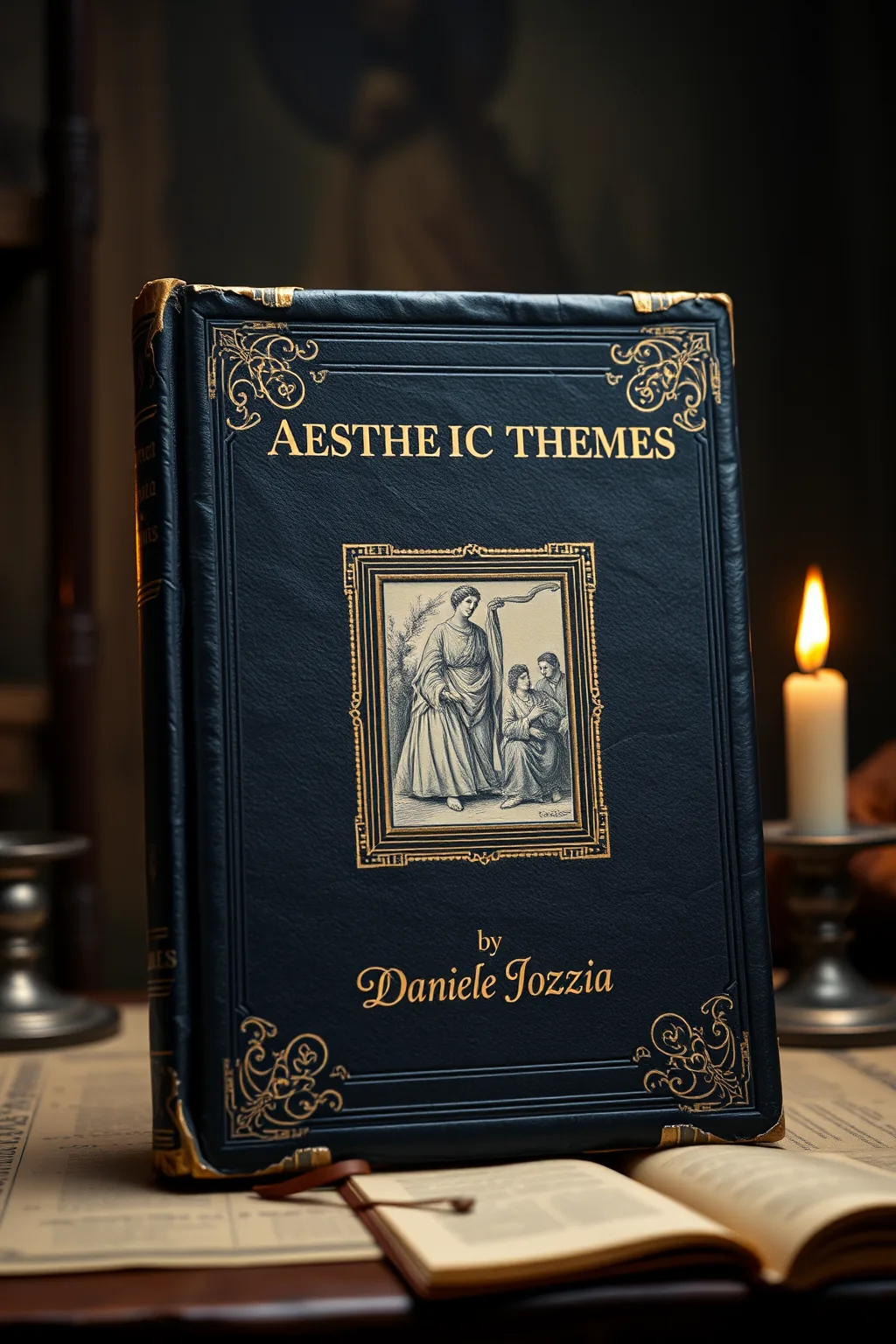
Aesthetic themes in pagan and Christian Neoplatonism
 62
62

Aesthetic themes in pagan and Christian Neoplatonism



Review by Isolde Whitaker (Sacred Texts Editor) — Daniele Iozzia's 'Aesthetic Themes in Pagan and Christian Neoplatonism' is a profound exploration of the esoteric roots of aesthetics. The author masterfully unravels the mystical insights of Plotinus and other Neoplatonists, revealing how their reflections on beauty and art have shaped Western thought. This book is a treasure trove for those seeking to understand the hidden knowledge that underpins our appreciation of art. Highly recommended for scholars and practitioners of esoteric traditions.
📝 Description
62
Daniele Iozzia's 2021 book connects Neoplatonic aesthetics to later artistic movements.
This study examines the aesthetic theories present in both pagan and Christian Neoplatonism. Iozzia argues that figures like Plotinus developed concepts of beauty and artistic imagination that predate the formal discipline of aesthetics. The book traces how these ideas informed later periods, including the Renaissance and Romantic eras. It looks at the philosophical and symbolic dimensions of art within these ancient traditions. The aim is to show how Neoplatonic thought shaped Western perceptions of beauty and creativity. The work considers the theological and metaphysical underpinnings of aesthetic appreciation in late antiquity.
By analyzing texts from Plotinus, Porphyry, and other key Neoplatonists, the book illuminates their views on the divine source of beauty. It also discusses how Christian thinkers adapted these concepts to their own theological frameworks. The author connects these ancient ideas to the development of aesthetic discourse in subsequent centuries. This approach highlights the continuity of certain philosophical concerns across different historical and religious contexts.
Daniele Iozzia's work situates Neoplatonic aesthetics within a broader tradition of esoteric thought. Neoplatonism itself, with its emphasis on hierarchical emanations from a divine source and the ascent of the soul towards ultimate reality, has long been a cornerstone of esoteric philosophy. This book shows how Neoplatonists conceptualized beauty not merely as a sensory experience but as a manifestation of divine order and truth. Their ideas on the mediation of the divine through forms and symbols resonate with other esoteric traditions that seek to understand the underlying spiritual architecture of the cosmos. The connection to Christian Neoplatonism further links it to mystical streams within monotheistic religions.
💡 Why Read This Book?
Read 'Aesthetic Themes in Pagan and Christian Neoplatonism' to uncover the mystical dimensions of aesthetics and art. Ideal for spiritual seekers, scholars of ancient philosophy, and practitioners of esoteric traditions, this book offers a deep dive into the symbolism and philosophical significance that have influenced Western art and thought.
⭐ Reader Reviews
Honest opinions from readers who have explored this book.
❓ Frequently Asked Questions
What is the main focus of 'Aesthetic Themes in Pagan and Christian Neoplatonism'?
The book explores the mystical underpinnings of aesthetics as discussed by Neoplatonists, particularly Plotinus, and their influence on art and beauty.
Who is the intended audience for this book?
This book is ideal for scholars of ancient philosophy, seekers of esoteric knowledge, and practitioners of mystical traditions.
How does this book contribute to the understanding of aesthetics?
The book reveals how ancient philosophers like Plotinus laid the groundwork for modern aesthetics, highlighting the mystical and symbolic dimensions of art.
What makes this book unique in the field of esoteric literature?
It bridges the gap between ancient philosophical insights and modern aesthetic theory, offering a rich, mystical perspective on art and beauty.
Are there any key symbols discussed in the book?
Yes, the book delves into the key symbols and their meanings as interpreted by Neoplatonists, providing a deeper understanding of their esoteric significance.
🔮 Key Themes & Symbolism
The Mystical Roots of Aesthetics
This book explores the esoteric insights of Neoplatonists like Plotinus, revealing how their reflections on beauty and art laid the groundwork for modern aesthetics. The mystical dimensions of art and beauty are explored through symbolic interpretations and philosophical significance.
The Influence of Neoplatonism on Western Art
Discover how the ideas of Plotinus and other Neoplatonists influenced the artistic taste of their time and shaped Western art and thought. This theme highlights the enduring impact of Neoplatonic philosophy on the appreciation of art.
Symbolism in Ancient Aesthetics
Explore the key symbols and their meanings as interpreted by Neoplatonists. This theme provides a deeper understanding of the mystical and esoteric dimensions of ancient aesthetics, offering a rich, evocative journey through the symbolism of art and beauty.
💬 Memorable Quotes
Direct passages from the work, attributed to the author.
“Beauty is the splendor of truth.”
— Plotinus' reflection on the essence of beauty, emphasizing its mystical and transcendent nature.
“Art is a gateway to the divine.”
— The book highlights how Neoplatonists viewed art as a means of connecting with the divine, revealing its esoteric significance.
“Symbolism is the language of the soul.”
— The book explores how Neoplatonists used symbols to convey deep, esoteric truths about art and beauty.
💡 Key Ideas
Editorial paraphrase of the work's core concepts — not direct quotes.
The imagination is a sacred faculty.
This quote underscores the value of artistic imagination in Neoplatonic thought, emphasizing its mystical and symbolic dimensions.
The beauty of the world is a reflection of divine perfection.
This quote expresses the Neoplatonic view of beauty as a manifestation of divine perfection, revealing its mystical and transcendent nature.
🌙 Esoteric Significance
Tradition
This book belongs to the Hermetic tradition, which seeks to uncover the hidden knowledge and mystical insights that underlie our understanding of the world. Neoplatonism, with its emphasis on the divine and the transcendent, is a key component of this esoteric tradition.
Symbolism
Key symbols discussed in the book include the idea of beauty as a reflection of divine perfection, the sacred faculty of imagination, and the use of art as a gateway to the divine. These symbols reveal the mystical and esoteric dimensions of ancient aesthetics, offering a deeper understanding of their significance.
Modern Relevance
This book is relevant today for seekers of esoteric knowledge and practitioners of mystical traditions. It provides a rich, evocative journey through the mystical dimensions of art and beauty, offering a deeper understanding of their enduring impact on Western thought. Modern practitioners can use these insights to enhance their spiritual practices and deepen their appreciation of art.
👥 Who Should Read This Book
Beginners in esoteric studies will find this book an accessible introduction to the mystical dimensions of aesthetics. Scholars of ancient philosophy will appreciate the depth of research and the esoteric insights it offers. Spiritual seekers will be drawn to the symbolic interpretations and philosophical significance of art and beauty. Practitioners of mystical traditions will find this book a valuable resource for enhancing their spiritual practices.
📜 Historical Context
In Late Antiquity, as the Roman Empire was in decline, philosophers like Plotinus sought to preserve and transmit the wisdom of ancient Greece. Their reflections on beauty and art laid the groundwork for modern aesthetics, influencing the Renaissance and Romantic eras. This book provides a rich, evocative journey through the mystical and esoteric dimensions of ancient aesthetics, offering a deeper understanding of their enduring impact on Western thought.
📔 Journal Prompts
How do the mystical insights of Neoplatonism influence your understanding of art and beauty?
What symbols from ancient aesthetics resonate with your spiritual journey?
How does the idea of beauty as a reflection of divine perfection enhance your appreciation of art?
In what ways can the sacred faculty of imagination deepen your spiritual practices?
How does the use of art as a gateway to the divine inspire your creative endeavors?
🗂️ Glossary
Neoplatonism
A philosophical tradition that seeks to uncover the mystical and esoteric dimensions of ancient Greek philosophy, emphasizing the divine and the transcendent.
Plotinus
A key Neoplatonist philosopher whose reflections on beauty and art laid the groundwork for modern aesthetics.
Aesthetics
The study of beauty and art, exploring their mystical and symbolic dimensions.
Symbolism
The use of symbols to convey deep, esoteric truths about art and beauty.
Hermetic Tradition
An esoteric tradition that seeks to uncover hidden knowledge and mystical insights underlying our understanding of the world.
This book appears in 7 collections
🔮 Readers Also Liked
Browse all →








More by Daniele Iozzia
All books →
From the “Christian Mysticism” Collection
View all →







More Free Alchemy & Hermeticism Books
View all →