The Heroic Ideal
 81
81

The Heroic Ideal
Kendrick’s "The Heroic Ideal" confronts the contemporary debasement of the term "hero" head-on. The book’s strength lies in its rigorous historical scaffolding, beginning with the stark, often brutal, heroism of ancient Greece. It effectively contrasts the demigod status of an Achilles with the later, more complex knightly ideals of medieval chivalry. A notable passage meticulously details the societal expectations placed upon a Homeric warrior, highlighting their divine parentage and their fraught relationship with fate. However, the work occasionally suffers from a somewhat dry academic tone that might alienate readers seeking a more narrative approach. While it excels at dissecting the historical frameworks, its engagement with modern manifestations feels less developed, offering broad strokes rather than nuanced critiques of contemporary heroism. Despite this, Kendrick provides a vital corrective to casual usage, grounding the concept in its powerful, original contexts.
📝 Description
81
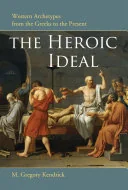
M. Gregory Kendrick's The Heroic Ideal (2019) examines the Western hero archetype from ancient Greece to today.
This book offers a detailed look at the Western idea of the hero. Kendrick traces how this concept developed from ancient Greece through modern times. He moves past present-day, simplified understandings to find the original power and varied meanings of heroism. The work breaks down how different historical periods defined and showed heroism, creating a structured analysis of this key archetype.
Kendrick places the hero within specific historical periods. This includes the demi-gods and noble warriors of Homeric epics, the knights of the Middle Ages, and figures from more recent times. The book addresses the classical view of the hero, distinguishing it from later Christian or romantic ideas. It also contrasts these with the often secular or commercial heroes seen in the 20th and 21st centuries. The text considers various heroic types, like the warrior, the sage, and the tragic hero, analyzing their traits and roles in society. It questions bravery, the link between individuals and fate or the divine, and the lasting human need for examples of courage and goodness.
Within occult philosophy, The Heroic Ideal engages with the perennial search for archetypal forms that structure human experience and consciousness. Kendrick's analysis of heroism touches upon the vital force and transformative potential inherent in these figures, often seen as conduits between the mundane and the transcendent. The book’s focus on the hero’s journey and embodiment of specific virtues aligns with traditions that explore the development of the individual will and the realization of higher potentials, placing it in conversation with Western esoteric currents that examine the nature of spiritual development and the active life.
💡 Why Read This Book?
• Understand the foundational concept of the hero as presented in ancient Greek epics, distinguishing it from modern, diluted interpretations. • Gain insight into the specific heroic types analyzed, such as the warrior archetype, and their cultural significance across different historical periods. • Re-evaluate contemporary notions of heroism by examining the stark contrasts between ancient ideals and modern celebrity or comic book figures, as discussed in the book's later sections.
⭐ Reader Reviews
Honest opinions from readers who have explored this book.
❓ Frequently Asked Questions
What is the primary distinction between ancient Greek heroes and modern heroes according to Kendrick?
Kendrick emphasizes that ancient Greek heroes, often semi-divine or divinely favored warriors like those in Homer's epics, possessed a status and relationship with fate fundamentally different from contemporary figures. Their heroism was tied to aristocratic lineage and divine intervention, a far cry from today's widespread application of the term.
Which historical periods does "The Heroic Ideal" examine regarding the concept of heroism?
The book meticulously explores the concept of the hero across three primary historical periods: the ancient world (particularly Greece), the medieval era (focusing on chivalric ideals), and the modern world, contrasting each epoch's definition and embodiment of heroism.
Does the book discuss specific heroic archetypes?
Yes, "The Heroic Ideal" pays special attention to particular heroic types. It examines figures like the warrior, the sage, and the tragic hero, detailing their characteristics and societal roles as understood within their respective historical contexts.
What is the author's view on the current usage of the word 'hero'?
M. Gregory Kendrick critically assesses the current usage of 'hero,' arguing it has become an 'all-purpose moniker' applied too broadly. He seeks to restore a deeper understanding by tracing the term's historical weight and original connotations.
Is the book suitable for someone interested in comparative mythology?
Absolutely. By tracing the evolution of the heroic archetype across different eras and cultures, "The Heroic Ideal" provides a valuable framework for comparative mythological studies, highlighting both continuity and significant shifts in heroic ideals.
What is the initial publication date of "The Heroic Ideal"?
The first publication of M. Gregory Kendrick's "The Heroic Ideal" was on January 10, 2014. This date places its analysis within the context of early 21st-century discourse on cultural archetypes.
🔮 Key Themes & Symbolism
Evolution of the Heroic Archetype
Kendrick charts the transformation of the heroic ideal from its origins in ancient Greece, where heroes were often semi-divine figures or aristocratic warriors facing fate, through the medieval period's emphasis on chivalry and Christian virtue, to the fragmented and often secularized versions prevalent today. The work highlights how societal values and religious beliefs fundamentally shaped the definition and perception of heroism across these eras, moving from divinely sanctioned figures to more human, yet still exceptional, individuals.
The Warrior and the Sage
The book dissects distinct heroic types, particularly focusing on the warrior and the sage. It examines the warrior's role in ancient societies, bound by codes of honor and often destined for a glorious, albeit perilous, life. The sage, representing wisdom and often a more contemplative form of heroism, is also explored as a counterpoint or complementary figure within the Western tradition. This thematic division allows for a nuanced understanding of different paths to eminence and influence.
Heroism vs. Celebrity
A central argument of "The Heroic Ideal" is the stark divergence between true heroism and modern celebrity or the popularization of the term. Kendrick contrasts the profound, often sacrificial, nature of historical heroic acts with the superficial, often commercially driven, attributes associated with contemporary figures. The book implicitly critiques a culture that dilutes meaningful archetypes into mere pop culture icons, urging a return to the original gravitas of the heroic ideal.
Fate and Free Will
The interplay between fate and individual agency is a recurring motif, especially in the examination of ancient heroes. Figures like Achilles grappled with prophecies and divine will, highlighting a worldview where destiny played a significant role. Kendrick explores how this concept evolved, with later heroic traditions placing more emphasis on moral choice and the exercise of free will within challenging circumstances, reflecting shifts in philosophical and theological thought.
💬 Memorable Quotes
Direct passages from the work, attributed to the author.
“The word 'hero' today is an all-purpose moniker.”
— This statement expresses Kendrick's core critique: the modern usage of 'hero' has lost its specific, powerful meaning, becoming a casual label applied too broadly across various contexts, from military valor to entertainment figures.
“Ancient Greece identified heroes as demigods or aristocratic, mortal warriors.”
— This highlights the foundational definition of heroism in the Western tradition. It points to a time when heroic status was intrinsically linked to divine lineage or elite social standing and martial prowess, setting a high, distinct bar.
“Special attention is paid to particular heroic types, such as warriors.”
— This indicates the book's structured approach, moving beyond a general overview to detailed analysis of specific archetypes. The warrior, as a primary example, suggests a focus on courage, conflict, and societal roles associated with martial figures.
“The book examines the concept of the hero through ancient, medieval, and modern worlds.”
— This outlines the chronological scope of Kendrick's inquiry, demonstrating a comprehensive historical perspective. It signals an intention to trace the evolution and transformation of the heroic ideal across significant epochs of Western civilization.
💡 Key Ideas
Editorial paraphrase of the work's core concepts — not direct quotes.
The contrast between original usage and today's application is a key theme.
This paraphrased concept underscores the book's central thesis: a significant departure exists between the profound, often religiously or mythologically charged, meaning of 'hero' in the past and its casual, diluted use in the present.
🌙 Esoteric Significance
Tradition
While "The Heroic Ideal" is primarily a work of cultural and historical analysis, its focus on archetypes and the evolution of foundational concepts aligns with perennialist and esoteric traditions that seek universal patterns in human thought and symbolism. It departs from explicitly magical or ritualistic lineages, instead offering a philosophical exploration of archetypal forms that underpin many esoteric systems, particularly those drawing heavily on classical foundations like Hermeticism or Neoplatonism. The work serves as a preparatory text, clarifying the source material from which many esoteric notions of the ideal human or divine-human are derived.
Symbolism
The book implicitly engages with potent symbols inherent in the heroic narrative. The 'warrior' archetype carries the symbolism of active engagement, discipline, and the confrontation with chaos, often representing the ego's struggle or the soul's battle against lower nature. The concept of 'fate' or 'divine will' symbolizes the larger cosmic order or destiny that even exceptional individuals must contend with, reflecting an understanding of forces beyond human control. The 'aristocratic' or 'demigod' status symbolizes inherent potential, a spark of the divine within the human, pointing towards an inner nobility or higher calling.
Modern Relevance
Contemporary thinkers and practitioners interested in Jungian psychology, archetypal astrology, or philosophical inquiries into human potential often find Kendrick's work valuable. It provides a historical and conceptual anchor for understanding the enduring power of the hero archetype in modern consciousness, which continues to manifest in art, literature, and personal development. His analysis helps to differentiate between superficial identifications with heroic figures and a deeper, more integrated understanding of the heroic journey as a process of self-discovery and transformation, relevant to modern spiritual seekers and psychotherapists alike.
👥 Who Should Read This Book
• Students of Western philosophy and classical studies seeking to understand the foundational concepts of heroism as they developed from ancient Greece through medieval chivalry. • Enthusiasts of mythology and comparative literature interested in tracing the evolution of archetypes and their cultural significance across historical epochs. • Readers critical of modern media's dilution of meaningful terms, desiring a rigorous examination of the historical weight and original connotations of the word 'hero'.
📜 Historical Context
M. Gregory Kendrick's "The Heroic Ideal," first published in 2014, emerged during a period of renewed interest in archetypal studies and a cultural critique of superficial heroism often amplified by media. The book's focus on the Western tradition positions it within ongoing academic and philosophical debates about classical antiquity's influence on contemporary thought. While not directly engaging with a specific contemporary author like Joseph Campbell in terms of narrative structure, Kendrick's work implicitly offers a more historically grounded and less psychologically speculative counterpoint to popular mythographers. The intellectual currents it taps into include classical philology, history of ideas, and comparative literature, seeking to reclaim the specific weight of the term 'hero' from its inflationary modern usage. Its reception, though not marked by significant public events, resides within the scholarly discourse on classical reception and archetypal analysis.
📔 Journal Prompts
The concept of the 'heroic ideal' across ancient, medieval, and modern periods.
Warrior archetypes and their societal functions.
The evolution of heroism from demigods to contemporary figures.
The role of fate versus free will in ancient heroic narratives.
Distinguishing between true heroism and popularized celebrity status.
🗂️ Glossary
Demigod
In ancient Greek mythology, a being with partial divine blood, often a child of a god and a mortal. Such figures possessed extraordinary abilities and played significant roles in myths and epics.
Aristocratic Warrior
A warrior belonging to the highest class of society in ancient or medieval times, whose status was often hereditary. Their heroism was frequently linked to leadership, martial skill, and adherence to a code of honor.
Homeric Hero
Refers to the type of heroes depicted in the epic poems attributed to Homer, such as the Iliad and the Odyssey. These figures are often characterized by their martial prowess, pride, and complex relationship with the gods and fate.
Chivalric Hero
The ideal knight of the Middle Ages, embodying virtues such as courage, courtesy, loyalty, and piety. Chivalric heroism often involved quests, defense of the weak, and adherence to a Christian moral code.
Archetype
A recurring symbol, character type, or narrative pattern that is believed to be present in the collective unconscious of humanity. The hero is a prominent example of a universal archetype.
All-purpose Moniker
A phrase used to describe a term that has become so generalized or widely applied that it loses its specific, original meaning and power, becoming a common label for many different things.
Heroic Type
A specific category or classification of hero defined by particular characteristics, roles, or historical contexts, such as the warrior hero, the tragic hero, or the sage hero.
This book appears in 1 collection
🔮 Readers Also Liked
Browse all →







From the “Archetypes” Collection
View all →






More Free Occult Philosophy Books
View all →