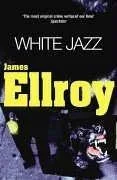
White Jazz
 73
73

White Jazz
Ellroy’s "White Jazz" delivers the expected sonic boom of his signature prose, a relentless staccato that propels the reader through a morally desolate Los Angeles. The novel’s strength lies in its unflinching portrayal of systemic corruption, where the lines between cop and criminal blur into an indistinguishable shade of gray. The sheer velocity of the narrative, while exhilarating, occasionally sacrifices depth for momentum. For instance, the character of Dave Klein, a LAPD detective navigating a treacherous landscape of mobsters and political intrigue, feels more like a conduit for plot machinations than a fully realized individual. While the book excels at depicting the atmosphere of the late 1960s Los Angeles, its characters often serve the plot's machinations rather than driving it organically. The Verdict: A characteristically brutal and propulsive crime narrative that prioritizes atmosphere and plot over nuanced character development.
📝 Description
73
James Ellroy published "White Jazz" in 2018, a novel set in 1960s Los Angeles.
James Ellroy's "White Jazz" plunges readers into the criminal underworld of Los Angeles during the late 1960s. The narrative follows cops, criminals, and political figures caught in a cycle of corruption and violence. Ellroy's prose is clipped and the pace relentless, mirroring the high-stakes environment.
This novel is suited for readers who appreciate hard-boiled detective fiction with a dark, complex edge. Those interested in the moral ambiguities of law enforcement and the influence of organized crime on civic life will find "White Jazz" particularly engaging. It is not for readers seeking a straightforward morality tale, as it does not shy away from graphic content or flawed characters.
While not explicitly esoteric in a mystical sense, Ellroy's work often functions as a descent into the grimy, hidden mechanisms of power and corruption that underpin societal structures. "White Jazz" fits this pattern by dissecting the Los Angeles Police Department's controversial history and the political landscape that allowed corruption to flourish. The novel operates as a dark mirror, reflecting the less savory aspects of American urban life and the often brutal realities beneath a veneer of order, making it a study in the esoteric nature of power and its abuse.
💡 Why Read This Book?
• Gain insight into the pervasive corruption within law enforcement during the late 1960s, as depicted through the actions of characters like LAPD detective Dave Klein. • Experience Ellroy's distinctive, hard-boiled prose style, characterized by short, punchy sentences and a relentless narrative drive that mirrors the chaotic setting. • Understand the complex interplay between organized crime, politics, and police work in a specific historical moment, exemplified by the novel’s depiction of Los Angeles.
⭐ Reader Reviews
Honest opinions from readers who have explored this book.
❓ Frequently Asked Questions
What is the primary setting for James Ellroy's "White Jazz"?
The novel is primarily set in Los Angeles, California, during the late 1960s, a period of significant social upheaval and political tension in the city.
Who is the main protagonist in "White Jazz"?
The central figure is Dave Klein, a detective within the Los Angeles Police Department, who finds himself entangled in a dangerous web of crime and corruption.
What historical events or periods influence "White Jazz"?
The book is influenced by the atmosphere of the late 1960s, including the aftermath of the Watts Riots (1965) and broader societal changes, reflecting a city grappling with unrest and hidden criminality.
Is "White Jazz" part of a series?
While "White Jazz" features characters and settings that Ellroy has explored in other works, it is generally considered a standalone novel, though it shares thematic and atmospheric connections with his broader oeuvre, particularly his L.A. Quartet.
What is James Ellroy's writing style like in "White Jazz"?
Ellroy's style is known for its sparse, clipped prose, rapid pacing, and a bleak, cynical tone. "White Jazz" exemplifies this with its short sentences and focus on the darker aspects of human nature and society.
What are the main themes explored in "White Jazz"?
Key themes include corruption, betrayal, loyalty (and its absence), the abuse of power, and the moral compromises made by individuals operating within a corrupt system.
🔮 Key Themes & Symbolism
The Corrupting Badge
"White Jazz" dissects the notion of law enforcement as a shield against crime, revealing it instead as a potential breeding ground for corruption. The novel illustrates how the power vested in the LAPD, particularly during the turbulent late 1960s, could be wielded for personal gain and illicit dealings. Characters like Dave Klein are caught in this duality, where upholding the law becomes indistinguishable from participating in criminal enterprises. This theme challenges the idealized image of the police, presenting a more cynical reality where the "badge" signifies not just authority but the capacity for profound moral compromise and deep-seated rot within the system.
Loyalty and Betrayal's Price
Within the treacherous field of "White Jazz," loyalty is a currency as volatile as any on the black market, and betrayal is an almost inevitable consequence of ambition and survival. The narrative intricately maps out webs of allegiance – between cops, mobsters, and political figures – that are constantly tested and frequently fractured. The book suggests that true loyalty is rare, often superseded by self-interest or the brutal demands of the criminal world. Characters who cling to outdated notions of honor or allegiance often meet grim fates, highlighting the harsh, unforgiving nature of the environment Ellroy depicts.
The L.A. Crucible
James Ellroy uses Los Angeles in the late 1960s as more than just a setting; it functions as a character in itself, a crucible forging the fates of its inhabitants. The city's undercurrent of social unrest, political maneuvering, and pervasive criminal influence provides the volatile atmosphere for the novel's events. From the shadowy backrooms where deals are struck to the sun-drenched streets masking underlying decay, Los Angeles is depicted as a place where ambition, corruption, and violence are inextricably linked. The specific historical moment, marked by events like the Watts Riots, amplifies the sense of a society teetering on the edge.
Moral Ambiguity and Identity
"White Jazz" plunges into the murky depths of moral ambiguity, where characters are rarely pure heroes or villains but complex, often deeply flawed individuals. The constant exposure to violence, deceit, and the compromises required for survival erodes personal identity. Protagonists like Dave Klein grapple with the psychological toll of their actions, questioning their own morality and the very nature of justice. The novel suggests that in this world, the lines between right and wrong become so blurred that individuals must constantly redefine themselves, often at the cost of their own integrity and humanity.
💬 Memorable Quotes
Direct passages from the work, attributed to the author.
“The street is the truth.”
— This aphorism speaks to the raw, unvarnished reality that exists outside of polite society or official narratives. It suggests that true understanding of human nature and the dynamics of power and crime can only be found by observing the actions and interactions in the criminal underworld, the "street."
“Justice is a dirty business.”
— This sentiment reflects the novel's bleak outlook on the legal system and law enforcement. It implies that achieving anything resembling justice often requires engaging in morally compromised or outright illegal activities, making the pursuit of righteousness itself a corrupting endeavor.
“Everyone’s got a secret they’re keeping.”
— This highlights the pervasive atmosphere of deception and hidden agendas within the narrative's world. It suggests that beneath the surface of every character and every interaction lies a concealed truth, contributing to the constant paranoia and mistrust.
“The badge doesn’t make you good, it just gives you power.”
— This interpretation directly challenges the inherent authority and moral standing often associated with police officers. It argues that the uniform and the authority it confers do not guarantee ethical conduct, but rather provide the means to exert control, which can be used for good or ill.
“Survival is the only law that matters.”
— This expresses the primal drive at the heart of the novel's characters. In a world where morality is fluid and institutions are corrupt, the fundamental instinct to survive becomes the ultimate guiding principle, overriding any other ethical or legal considerations.
🌙 Esoteric Significance
Tradition
While "White Jazz" is primarily a work of crime fiction, its exploration of hidden power structures, moral decay, and the psychological toll of operating in a corrupt system can be viewed through a lens adjacent to certain esoteric traditions. The Gnostic emphasis on a fallen or corrupt material world, ruled by flawed demiurges (analogous to corrupt officials or mob bosses), finds a secular echo here. The novel's focus on uncovering hidden truths and navigating treacherous spiritual (or in this case, criminal) landscapes also aligns with Hermetic principles of understanding hidden correspondences and the nature of reality.
Symbolism
The "badge" itself functions as a potent symbol, representing not just authority but the potential for hypocrisy and hidden corruption. The constant motif of "secrets" and "lies" underscores the esoteric concept of hidden knowledge and the veil obscuring true reality. The city of Los Angeles itself becomes a symbol of seductive glamour masking profound rot, a common theme in literature that explores the illusion of the material world.
Modern Relevance
Contemporary thinkers and writers exploring themes of systemic corruption, the erosion of truth in public life, and the psychological impact of living in a high-surveillance, information-saturated society can find resonance in Ellroy's work. The novel's unflinching look at institutional rot and the blurring of lines between power and criminality speaks to ongoing debates about policing, politics, and media manipulation. Its influence can be seen in modern noir and crime fiction that continues to dissect the dark underbelly of urban life.
👥 Who Should Read This Book
• Students of American crime fiction who want to understand the evolution of the hard-boiled genre beyond classic noir. • Readers interested in socio-political thrillers that examine the corrupting influence of power and organized crime on institutions. • Those who appreciate dense, fast-paced narratives with complex, morally ambiguous characters operating in a specific historical milieu.
📜 Historical Context
James Ellroy's "White Jazz" is steeped in the atmosphere of Los Angeles during the late 1960s, a period marked by significant social and political turbulence. The aftermath of the 1965 Watts Riots loomed large, contributing to a sense of unease and racial tension within the city. This era also saw the rise of counterculture movements challenging established norms and increasing paranoia fueled by the Cold War. Ellroy places his narrative within this volatile context, exploring the LAPD's role during a time when its practices were already under scrutiny. Key contemporaries like Joan Didion, who chronicled California's cultural shifts, explored similar themes of societal fragmentation. While not directly engaging with specific esoteric movements of the time, the novel's depiction of deep-seated conspiracy and moral decay within institutions can be seen as reflecting a broader cultural disillusionment, a sentiment echoed in various underground and counter-cultural critiques of the era.
📔 Journal Prompts
The corrupting influence of the badge.
Working through the labyrinth of lies.
Survival as the ultimate law.
The symbolic weight of Los Angeles.
The price of exposed secrets.
🗂️ Glossary
LAPD
Abbreviation for the Los Angeles Police Department, the primary law enforcement agency depicted in the novel, often portrayed with deep-seated corruption.
The Street
A colloquial term representing the criminal underworld and the raw, often brutal reality of life outside legitimate society, considered by some characters to be the ultimate source of truth.
Badge
Symbol of a police officer's authority, but in "White Jazz," it frequently represents the potential for corruption, abuse of power, and hidden criminal activity.
L.A. Quartet
A series of novels by James Ellroy set in Los Angeles, exploring interconnected characters and themes of crime, corruption, and violence across different eras. "White Jazz" is often considered a thematic continuation or companion piece.
Noir
A genre of crime fiction and film characterized by cynicism, moral ambiguity, and a bleak outlook, often featuring doomed protagonists and corrupt institutions.
Watts Riots
A major race riot that occurred in the Watts neighborhood of Los Angeles in August 1965, reflecting deep-seated racial tensions and social unrest that contribute to the novel's atmosphere.
Dave Klein
The central protagonist of "White Jazz," an LAPD detective entangled in a dangerous web of crime, politics, and betrayal.
🔮 Readers Also Liked
Browse all →









More by James Ellroy
All books →


More Free Occult Philosophy Books
View all →