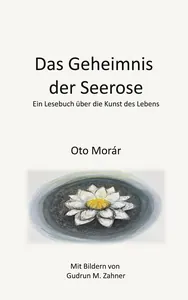
The Hero Within
 83
83

The Hero Within
Pearson's *The Hero Within* offers a compelling map of the psyche, grounding Jungian concepts in relatable narratives. Her articulation of the six archetypes—Innocent, Orphan, Wanderer, Warrior, Altruist, Magician—provides a clear framework for understanding personal development. The strength lies in its accessibility; Pearson translates complex psychological theory into actionable insights derived from diverse sources like mythology and literature. A notable limitation is the potential for oversimplification; while the archetypes are distinct, lived experience often involves a more fluid interplay between them than the structure might initially suggest. The discussion of the Warrior archetype, for instance, effectively highlights the need for boundaries and assertiveness, yet could benefit from deeper exploration of the shadow aspects of this drive in contemporary contexts. Despite this, the book remains a valuable guide for those seeking to understand their internal landscape.
📝 Description
83
Carol S. Pearson's 2013 book, *The Hero Within*, updates a key text on Jungian psychology.
Published in 2013, Carol S. Pearson's *The Hero Within* reexamines Jungian psychology through the lens of six primary archetypes: the Innocent, the Orphan, the Wanderer, the Warrior, the Altruist, and the Magician. Pearson draws on literature, anthropology, and psychology to show how these universal patterns appear in individual lives and broader cultural stories. The book serves as a guide for self-discovery, giving readers a structure to understand their personal growth and life changes. It speaks to those who want a deeper understanding of their own stories and the psychological forces behind them. Readers interested in Jungian psychology, mythology, and archetypal patterns will find value here. The work is also useful for people going through major life transitions, feeling stuck, or wishing to tap into their inner strengths. Therapists, counselors, and educators focused on developmental psychology and personal growth will also benefit.
Emerging from the tradition of archetypal psychology, *The Hero Within* builds on Carl Jung's mid-20th-century theories of the collective unconscious and archetypes. Pearson extends these ideas into practical frameworks for modern readers. The book's focus on using archetypal understanding for personal empowerment places it within a lineage of depth psychology and mythological studies that gained traction throughout the late 20th and early 21st centuries. It connects to ongoing discussions about how ancient patterns inform contemporary psychological understanding.
💡 Why Read This Book?
• You will learn to identify the six distinct heroic archetypes—Innocent, Orphan, Wanderer, Warrior, Altruist, and Magician—and their associated developmental tasks, offering a personalized framework for self-understanding that moves beyond generic advice. • You will gain practical methods for navigating life transitions by recognizing which archetypal phase you are currently in, drawing on Pearson's application of Jungian psychology first explored in her work. • You will discover how to tap into the inherent strengths of each archetype to overcome challenges, using examples from literature and anthropology that Pearson cites to illustrate the universality of these patterns since their initial conceptualization.
⭐ Reader Reviews
Honest opinions from readers who have explored this book.
❓ Frequently Asked Questions
What are the six archetypes discussed in Carol S. Pearson's *The Hero Within*?
The book identifies six primary heroic archetypes: the Innocent, the Orphan, the Wanderer, the Warrior, the Altruist, and the Magician. These represent distinct developmental stages and psychological patterns.
What is the primary psychological framework used in *The Hero Within*?
The book is grounded in Jungian psychology, specifically Carl Jung's theories on archetypes and the collective unconscious, applied to personal development.
When was *The Hero Within* first published?
The book was first published on August 13, 2013, though its conceptual development stems from earlier work in archetypal psychology.
How does *The Hero Within* help readers understand themselves?
By presenting six archetypes, the book offers readers a lens through which to view their life experiences, challenges, and potential for growth, identifying patterns and strengths.
What disciplines does Carol S. Pearson draw upon in this book?
Pearson integrates insights from literature, anthropology, and psychology to define and illustrate the archetypal patterns discussed.
Is *The Hero Within* suitable for beginners in psychology?
Yes, the book is designed to be accessible, translating complex Jungian concepts into understandable frameworks for personal exploration.
🔮 Key Themes & Symbolism
Archetypal Stages of Development
The work posits that individuals progress through distinct archetypal phases, moving from the dependency of the Innocent to the transformative power of the Magician. Each archetype, such as the Orphan grappling with loss or the Wanderer seeking meaning, presents unique challenges and opportunities for growth. Pearson's framework, drawing from Jungian psychology, illuminates how recognizing these patterns in one's life can facilitate self-awareness and guide personal evolution. The book uses literary and anthropological examples to demonstrate the universality of these stages across cultures and time.
The Warrior's Path to Integration
Pearson's exploration of the Warrior archetype emphasizes the development of strength, boundaries, and the courage to confront life's adversities. This archetype is crucial for moving beyond victimhood or passivity, enabling individuals to assert their needs and protect their values. The book details how the Warrior's energy, when properly channeled, supports the pursuit of goals and the defense of one's authentic self. It’s about mastering internal conflicts and external challenges, a concept central to many psychological growth models.
Empowerment Through the Magician
The Magician archetype represents the culmination of the heroic journey, embodying wisdom, integration, and the capacity for transformation. Pearson describes this stage as one where individuals can consciously shape their reality by understanding and applying the lessons learned from previous archetypal phases. This archetype is linked to profound self-knowledge and the ability to effect positive change, both internally and externally. It signifies a mastery over the self and a deep connection to the underlying patterns of existence, reflecting esoteric traditions of conscious creation.
The Orphan and the Quest for Belonging
Pearson identifies the Orphan archetype as a key stage characterized by feelings of abandonment, alienation, and the search for connection and identity. This phase, often triggered by loss or disillusionment, compels individuals to seek community and a sense of belonging. The work explores how reading through the Orphan stage fosters resilience and a deeper understanding of interdependence. It's a critical point for developing empathy and recognizing shared human experiences, moving from isolation toward collective identity.
💬 Memorable Quotes
Direct passages from the work, attributed to the author.
“We must be willing to be the heroine of our own story.”
— This statement underscores the book's core message: personal agency and the active role individuals must play in their own development and life narrative.
“The archetypes are not stages we pass through and leave behind, but aspects of ourselves that remain with us.”
— This interpretation highlights that archetypes are enduring patterns within the psyche, not merely temporary phases, suggesting a lifelong integration process.
“The Warrior must learn to fight for what is right, not just for personal gain.”
— This suggests that the Warrior archetype's strength is most effectively utilized when aligned with ethical principles and a sense of justice, moving beyond ego-driven conflict.
“The Magician understands the interconnectedness of all things.”
— This concept points to the holistic awareness and wisdom associated with the Magician, suggesting a deep understanding of universal principles and their application.
💡 Key Ideas
Editorial paraphrase of the work's core concepts — not direct quotes.
The Orphan's journey is often about finding one's tribe.
This paraphrased concept emphasizes the social and communal aspect of the Orphan archetype, focusing on the search for connection and belonging after experiencing separation.
🌙 Esoteric Significance
Tradition
Pearson's work draws heavily from the analytical psychology tradition, which itself has strong esoteric underpinnings through Jung's exploration of alchemy, Gnosticism, and Eastern mysticism. While not explicitly aligning with a single lineage like Hermeticism or Kabbalah, *The Hero Within* reflects the alchemical principle of transformation and the Gnostic quest for inner knowledge. It fits within the broader Western esoteric landscape by providing a psychological framework for understanding spiritual development and the integration of the self, often a core concern in esoteric studies.
Symbolism
The six archetypes themselves function as potent symbols of universal human experiences and developmental potentials. The 'Wanderer,' for instance, symbolizes the quest for meaning and the journey into the unknown, a motif present in countless mythologies and spiritual traditions. The 'Magician' represents mastery, transformation, and the hidden forces of creation, echoing alchemical and Hermetic symbolism of the adept. These archetypes serve as symbolic keys, unlocking deeper understanding of the psyche and its relationship to the cosmos.
Modern Relevance
Contemporary spiritual and self-help movements frequently engage with archetypal psychology, making Pearson's work highly relevant. Thinkers and practitioners in areas like mythopoetic men's movements, Jungian-oriented coaching, and even certain branches of transpersonal psychology utilize archetypal frameworks. The book's emphasis on personal empowerment and narrative construction aligns with modern therapeutic approaches that focus on meaning-making and resilience, demonstrating its continued influence on how individuals understand their life path.
👥 Who Should Read This Book
• Individuals exploring Jungian psychology and archetypal theory who seek a structured introduction to core concepts and their practical application. • People undergoing significant life transitions (career changes, relationship shifts, personal crises) who wish to understand their experiences through the lens of developmental archetypes. • Students and practitioners of counseling, therapy, or spiritual guidance who want to incorporate archetypal frameworks into their work with clients or their own personal growth.
📜 Historical Context
Carol S. Pearson's *The Hero Within* stands in dialogue with the mid-20th-century explosion of depth psychology, particularly the work of Carl Jung and his followers. Jung's theories on archetypes, first articulated in works like *Psychology and Alchemy* (1944) and *Man and His Symbols* (1964), provided the bedrock for understanding universal psychic patterns. Pearson's contribution, emerging significantly in the late 20th century and updated for a 2013 publication, adapted these concepts for a broader audience seeking personal growth. This period also saw the rise of humanistic psychology, championed by figures like Abraham Maslow, emphasizing self-actualization and individual potential, a parallel current to Pearson's focus on heroic development. While not directly engaged in public debates with psychoanalytic figures like Sigmund Freud, Pearson’s work implicitly positions itself within the analytical psychology tradition, offering a more accessible and empowering interpretation of psychic life than some earlier psychoanalytic models.
📔 Journal Prompts
Reflect on the Orphan archetype's core challenge of abandonment and your personal experiences with seeking belonging.
Consider the Warrior's call to action: what internal or external battles are you currently facing?
Analyze the Innocent archetype's reliance on trust; where in your life is this trust well-placed, and where might it be challenged?
Explore the Wanderer's journey: what unknown territories are you being called to explore within yourself or in your life?
How does the Magician's potential for transformation manifest in your current understanding of your own capabilities?
🗂️ Glossary
Archetype
In Jungian psychology, a universal, inherited pattern or image that is part of the collective unconscious, influencing human behavior and perception. Examples include the Hero, the Mother, and the Trickster.
Collective Unconscious
A concept introduced by Carl Jung, referring to a deeper layer of the unconscious mind shared by all humans, containing archetypes and primordial images.
Jungian Psychology
A school of psychology founded by Carl Jung, emphasizing the importance of archetypes, the collective unconscious, and the process of individuation for psychological health.
Individuation
In Jungian psychology, the lifelong process of psychological differentiation, aiming to integrate the conscious and unconscious aspects of the personality to achieve wholeness.
Innocent
An archetype representing primal trust, optimism, and a desire for safety and simplicity; often associated with childhood and the beginning of a journey.
Orphan
An archetype characterized by feelings of abandonment, alienation, and the search for identity and belonging; often a catalyst for growth through hardship.
Wanderer
An archetype embodying the quest for meaning, freedom, and exploration; associated with journeys, independence, and confronting the unknown.
This book appears in 1 collection
🔮 Readers Also Liked
Browse all →








From the “Archetypes” Collection
View all →


More Free Occult Philosophy Books
View all →