The Black Arts
 71
71

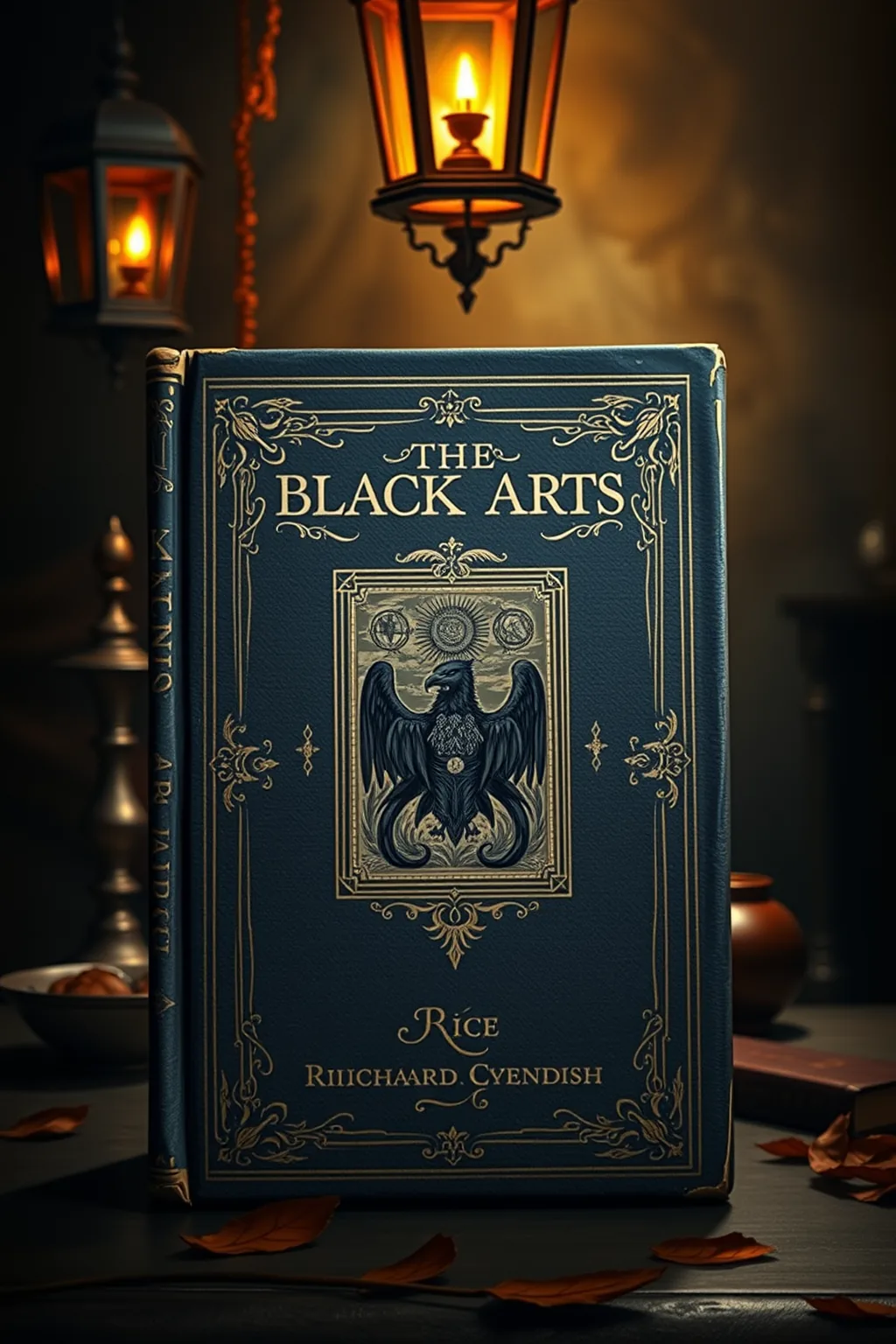
The Black Arts
Richard Cavendish’s *The Black Arts* offers a commendable, if somewhat encyclopedic, charting of Western esoteric currents. Its strength lies in its sheer breadth, covering everything from ancient Sumerian magic to modern witchcraft with remarkable detail. Cavendish’s prose is clear, avoiding the overly sensationalist tone that often plagues such surveys. However, its comprehensive nature can sometimes lead to a lack of depth on any single subject; the exploration of Thelema, for instance, feels cursory. A particularly striking section details the historical persecution of alleged witches, grounding the more theoretical discussions in stark historical reality. It is a valuable catalog for the curious, though perhaps less so for the seasoned practitioner seeking deep initiatory secrets.
📝 Description
71
Richard Cavendish published *The Black Arts* in 1983, a survey of Western occult traditions.
Richard Cavendish's *The Black Arts*, published in 1983, surveys Western occult traditions. The book traces practices and beliefs from ancient times through the late 20th century. It covers witchcraft, ceremonial magic, alchemy, astrology, divination, and spiritualism. Cavendish aimed to present a thorough, though sometimes detached, account of esoteric phenomena that mainstream history often overlooks.
This work serves as a structured introduction to Western occultism. It is suitable for students of comparative religion, historians of secret societies, and anyone interested in the historical development of magical and mystical thought. The book offers substantial material on the cultural impact of these traditions, from folk magic to complex ceremonial practices.
This book appeared in 1983, a time when academic and public interest in the occult had resurfaced. Following the counterculture movements of the 1960s and 70s, Cavendish's survey provided a broad and accessible overview. While other scholars had examined specific areas like Renaissance magic, Cavendish's work offered a wider lens on the often misunderstood history of Western esotericism, touching upon figures like Aleister Crowley and groups such as the Golden Dawn.
💡 Why Read This Book?
• Gain a structured understanding of the historical evolution of Western occult practices, from ancient rituals to ceremonial magic, as detailed in Cavendish's survey of traditions predating the 1980s. • Learn about key figures and movements within esoteric history, such as the influence of Aleister Crowley and the practices of groups like the Golden Dawn, as presented in the book's historical context. • Distinguish between various forms of magic and divination by examining their distinct rituals, symbolism, and philosophical underpinnings, as systematically laid out in the book's conceptual explanations.
⭐ Reader Reviews
Honest opinions from readers who have explored this book.
❓ Frequently Asked Questions
What historical periods does Richard Cavendish's *The Black Arts* cover?
The book spans from ancient magical traditions, possibly referencing Mesopotamian or Egyptian practices, through medieval alchemy and Renaissance occultism, up to the various spiritualist and magical movements prevalent in the 20th century before its 1983 publication.
Is *The Black Arts* suitable for absolute beginners to occult studies?
Yes, its comprehensive and clear approach makes it an excellent starting point for beginners seeking an overview of Western esoteric history and practices, without requiring prior specialized knowledge.
Does *The Black Arts* focus on practical magic or historical study?
While it details practices and rituals, the primary focus of *The Black Arts* is historical and descriptive, aiming to inform the reader about the context, beliefs, and evolution of various occult traditions rather than providing a how-to guide.
What kind of witchcraft traditions are discussed in *The Black Arts*?
The book examines historical notions of witchcraft, including beliefs surrounding covens, sabbats, and folk magic, as well as its representation in folklore and its connection to broader occult movements.
How does *The Black Arts* relate to modern esoteric movements?
By detailing the historical roots and development of occult traditions, the book provides essential background for understanding contemporary esoteric practices, from neo-paganism to ceremonial magic revivalism.
What is the publication year of *The Black Arts* by Richard Cavendish?
Richard Cavendish's *The Black Arts* was first published in 1983, placing its survey of esoteric movements within the context of late 20th-century scholarship and public interest.
🔮 Key Themes & Symbolism
Witchcraft and Folk Magic
The book meticulously traces the historical perception and practice of witchcraft, moving beyond sensationalized accounts to explore its roots in pre-Christian European beliefs and its evolution through the witch trials. Cavendish examines the concept of the sabbat, the role of familiars, and the enduring influence of folk magic on spiritual practices, offering a grounded perspective on what 'witchcraft' has historically signified across different eras and cultures.
Ceremonial Magic and Hermeticism
Cavendish provides an overview of ceremonial magic, detailing its structured approach to ritual and its philosophical underpinnings often found in Hermeticism, Kabbalah, and Neoplatonism. The work likely discusses the development of magical orders, the significance of angelic and demonic invocations, and the pursuit of gnosis or spiritual enlightenment through formalized magical operations, placing these practices within their historical and intellectual contexts.
Alchemy and Esoteric Science
The book explores alchemy not merely as an early form of chemistry but as a complex spiritual and philosophical discipline. It explores the symbolic language of alchemical texts, the pursuit of the Philosopher's Stone, and the concept of spiritual transformation mirroring material transmutation. This section likely connects alchemical symbolism to broader Hermetic principles and the quest for esoteric knowledge.
Divination and Spiritualism
Cavendish surveys various methods of divination, such as astrology, tarot, and geomancy, examining their historical use as tools for understanding fate and the divine will. The work also addresses the rise of Spiritualism in the 19th and 20th centuries, exploring phenomena like séances, mediumship, and the communication with spirits, placing these practices within the ongoing human fascination with the unseen world.
💬 Memorable Quotes
Direct passages from the work, attributed to the author.
“The history of magic is a history of belief.”
— This statement highlights Cavendish's approach, emphasizing that understanding magic requires examining the cultural and psychological contexts in which these beliefs flourished and evolved over centuries.
“Witchcraft beliefs often reflected societal anxieties.”
— This interpretation suggests that the persecution and accusations of witchcraft were frequently tied to broader social, political, and religious tensions of the time, rather than solely to the actual practices of individuals.
“Ceremonial magic provided structure for esoteric endeavors.”
— This concept underscores the organized and systematic approach found in ceremonial magic, distinguishing it from more spontaneous or folk-based magical practices through its defined rituals and hierarchies.
💡 Key Ideas
Editorial paraphrase of the work's core concepts — not direct quotes.
Alchemy sought both material and spiritual perfection.
This paraphrase captures the dual nature of alchemical pursuits, which aimed not only at the transformation of base metals into gold but also at the purification and elevation of the alchemist's own soul.
Esotericism offered alternative paths to knowledge.
This paraphrased idea points to the role of esoteric traditions in providing frameworks for understanding reality and achieving spiritual insight outside the doctrines of established religious or scientific institutions.
🌙 Esoteric Significance
Tradition
While not strictly adhering to a single lineage, *The Black Arts* functions as a comprehensive overview of Western Esotericism, touching upon Hermeticism, Kabbalah, alchemy, witchcraft, and ceremonial magic. It serves as a bridge, connecting disparate traditions under a common umbrella of hidden knowledge and spiritual discipline, presenting them as parts of a continuous, albeit complex, historical stream.
Symbolism
The work likely examines prevalent symbols such as the Pentagram, representing the five elements or the microcosm of humanity in ceremonial magic, and the Ouroboros, symbolizing cyclicality, eternity, and the alchemical process of transformation and self-creation. These symbols are presented as crucial keys to understanding the underlying philosophies of the traditions discussed.
Modern Relevance
Contemporary practitioners of Wicca, ceremonial magic, and various forms of neo-paganism often draw upon the historical foundations detailed in works like *The Black Arts*. Modern occultists and scholars of religion continue to reference Cavendish's survey for its foundational overview of traditions that inform current spiritual paths and esoteric research.
👥 Who Should Read This Book
• Students of comparative religion and history of magic seeking a broad introduction to Western esoteric traditions before the 1980s. • Individuals curious about the historical development of witchcraft, alchemy, and ceremonial magic, looking for a comprehensive and clearly written overview. • Researchers of secret societies and occult movements interested in understanding the lineage and practices that shaped modern esoteric thought and practice.
📜 Historical Context
Published in 1983, Richard Cavendish’s *The Black Arts* arrived during a resurgence of popular and academic interest in Western esotericism. The preceding decades had seen a growing openness to alternative spiritualities, fueled in part by the counter-culture movement and a critical re-examination of historical narratives. Scholars like Frances Yates had already laid significant groundwork in areas such as Renaissance Hermeticism, but Cavendish’s work offered a more sweeping, accessible survey. It appeared at a time when figures like Aleister Crowley, whose influence on 20th-century magic was considerable, were being increasingly discussed. The book navigated a landscape where established religions and nascent New Age movements coexisted, providing a historical grounding for a diverse array of magical and mystical practices that often operated outside mainstream discourse.
📔 Journal Prompts
The concept of the sabbat in historical witchcraft beliefs.
The alchemical pursuit of both material and spiritual perfection.
The role of divination as a means to understand the divine will.
The structured approach of ceremonial magic versus folk magic.
The historical perception of witchcraft as a reflection of societal anxieties.
🗂️ Glossary
Alchemy
An ancient esoteric tradition focused on the transformation of matter, often symbolized by the transmutation of base metals into gold, but also encompassing spiritual purification and the search for the Elixir of Life or Philosopher's Stone.
Ceremonial Magic
A formalized system of magic involving elaborate rituals, invocations, and specific timing, often drawing on Hermetic, Kabbalistic, and Neoplatonic principles to achieve spiritual or magical ends.
Divination
The practice of seeking knowledge of the future or the unknown by supernatural means, employing methods such as astrology, tarot, geomancy, or scrying.
Esotericism
A broad category of spiritual, mystical, or occult traditions that claim access to a higher knowledge or power, often concealed from the general populace and accessible only to initiated individuals.
Hermeticism
A philosophical and religious tradition based primarily upon writings attributed to Hermes Trismegistus, emphasizing the unity of all things and the potential for human spiritual ascent through gnosis.
Kabbalah
A system of Jewish mysticism that explores the nature of God and the universe through esoteric interpretations of scripture, often represented by the Tree of Life diagram.
Witchcraft
Historically, a complex term encompassing folk magic, nature-based spiritual practices, and beliefs in malevolent sorcery, often associated with persecution during various historical periods.
🔮 Readers Also Liked
Browse all →








More by Richard Cavendish
All books →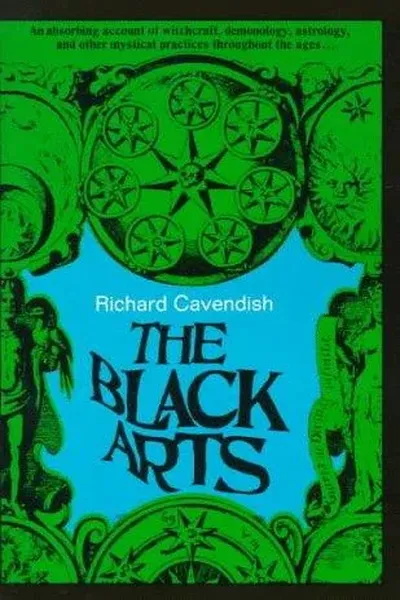


More Free Occult Philosophy Books
View all →