Archetypes
 77
77

Archetypes
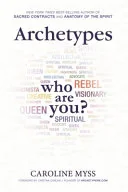
Caroline Myss's "Archetypes" offers a compelling, if sometimes densely packed, exploration of universal human behavioral patterns. The strength of the book lies in its ability to demystify complex psychological concepts, translating them into accessible energetic blueprints. Myss’s extensive work with archetypes, spanning over 25 years, lends significant weight to her interpretations. For instance, her detailed breakdown of the "Orphan" archetype, illustrating its core fears and potential for victimhood or resilience, provides a clear lens for self-examination. However, the sheer number of archetypes discussed can feel overwhelming at times, potentially leading to a less focused experience for some readers. While the book is grounded in Jungian theory, its practical, self-help orientation may not satisfy those seeking purely academic discourse. "Archetypes" ultimately serves as a potent tool for self-understanding, offering a structured method to identify and work with the fundamental energies that shape our lives.
📝 Description
77
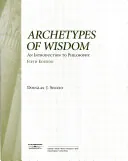
Caroline Myss's 2013 book, Archetypes, maps universal human behavior patterns.
Published in 2013, Caroline Myss's Archetypes examines the fundamental patterns that shape human behavior. Myss draws on her extensive study to present these universal blueprints as a way to understand personal motivations and life decisions. The book suggests that identifying these archetypal energies within ourselves and others can reveal recurring themes, explain attractions and dislikes, and clarify feelings of being out of sync with one's life direction. Myss views archetypes not as fixed roles but as active forces influencing how we perceive the world and act within it.
This work is for individuals interested in deepening their understanding of personal psychology and spiritual development. It will resonate with those who sense a constant search or dissatisfaction, questioning if their current life truly reflects their inner self. Readers focused on self-discovery, personal growth, and the hidden influences on relationships, careers, and consumer choices will find it valuable. It is especially useful for those who have already engaged with psychological or spiritual ideas and want to apply them practically for greater self-awareness.
Myss's work builds on Carl Jung's early 20th-century articulation of archetypes as universal patterns from the collective unconscious. Her approach, however, situates these concepts within a contemporary spiritual framework popular in New Age and esoteric circles since the 1970s. Unlike purely academic psychological discourse, Myss emphasizes the practical application of archetypes for personal empowerment and self-discovery.
💡 Why Read This Book?
• Gain a practical framework for understanding your inherent motivations and recurring life patterns, as explained through Myss's research into archetypes like the "Seeker." • Discover how to identify and engage with specific archetypal energies in your relationships and career choices, moving beyond generic advice. • Learn to recognize the potential pitfalls and strengths associated with your dominant archetypes, fostering conscious personal growth and authenticity, as detailed in the book's exploration of these patterns.
⭐ Reader Reviews
Honest opinions from readers who have explored this book.
❓ Frequently Asked Questions
What is the core concept of Caroline Myss's "Archetypes"?
The book's core concept is that universal patterns of behavior, known as archetypes, influence our lives. Myss explores these patterns, first theorized by Carl Jung, to help readers understand their motivations, attractions, and life choices.
When was Caroline Myss's "Archetypes" first published?
Caroline Myss's "Archetypes" was first published on January 8, 2013. This edition builds upon her extensive work in the field over the preceding decades.
How does Myss's approach to archetypes differ from Carl Jung's?
While Myss draws heavily on Carl Jung's foundational work, her "Archetypes" focuses more on practical application for personal empowerment and spiritual growth, distinguishing it from Jung's purely psychological and analytical approach.
What are some examples of archetypes discussed in the book?
The book discusses numerous archetypes, including prominent ones like the Orphan, the Innocent, the Seeker, the Warrior, and the Sage, detailing their characteristic traits and energetic influences.
Can "Archetypes" help me understand my relationships better?
Yes, by identifying the archetypes present in yourself and others, you can gain insight into relationship dynamics, understand why certain connections form, and navigate interpersonal challenges more effectively.
Is this book suitable for beginners in esoteric studies?
Yes, "Archetypes" is written in an accessible style, making it suitable for beginners interested in esoteric concepts and self-discovery, while still offering depth for those with prior knowledge.
🔮 Key Themes & Symbolism
Universal Behavioral Patterns
The book posits that human experience is shaped by inherent, universal blueprints known as archetypes. These are not fixed roles but dynamic energetic patterns that influence our perceptions, desires, and actions. Myss identifies and categorizes these archetypes, suggesting that recognizing them within oneself and others is key to understanding recurring themes in life, from relationships to career paths. The exploration moves beyond mere psychological labels to an energetic understanding of human motivation.
Self-Discovery and Personal Power
A central theme is the empowerment that comes from self-awareness. By identifying one's dominant archetypes, individuals can better understand their innate strengths, potential weaknesses, and the underlying reasons for their choices and attractions. Myss frames this knowledge as a tool for conscious living, enabling readers to move from reactive patterns to proactive engagement with their life path and spiritual development.
Spiritual Growth Framework
"Archetypes" offers a spiritual lens through which to view human behavior and personal development. It connects archetypal understanding to a larger journey of the soul, suggesting that recognizing these patterns is integral to spiritual maturation. The work encourages readers to see their life experiences, including challenges, as opportunities for growth facilitated by conscious interaction with their archetypal energies.
Authenticity in Life Choices
The book addresses the feeling of searching for something undefined and the desire for a life that truly fits. Myss suggests that aligning one's external life with internal archetypal truths is crucial for authenticity. By understanding the archetypes that most strongly influence them, readers can make more informed choices that honor their true nature, leading to greater fulfillment and a sense of purpose.
💬 Memorable Quotes
Direct passages from the work, attributed to the author.
“Archetypes are universal patterns of behavior that, once discovered, help you better understand your life.”
— This foundational statement expresses the book's premise: that inherent, shared human behavioral blueprints exist and that recognizing them is the key to gaining self-knowledge and insight into one's personal circumstances.
“Are you constantly searching for something you can't put your finger on, or wondering whether you are living a life that truly fits?”
— This question highlights a common human experience of existential unease or misalignment, suggesting that the book's exploration of archetypes offers a potential answer and a path toward greater authenticity and fulfillment.
“The work explores how archetypes explain why you are drawn to certain people, ideas or products and turned off by others.”
— This interpretation points to the practical application of archetype theory in everyday life, explaining subconscious preferences and aversions as manifestations of underlying archetypal influences.
“Discovering archetypes is a step towards living a life that truly fits.”
— This interpretation links the discovery of archetypes directly to the outcome of achieving a more authentic and aligned existence, suggesting a practical benefit for the reader's personal journey.
💡 Key Ideas
Editorial paraphrase of the work's core concepts — not direct quotes.
Understanding your primary archetypes can illuminate recurring patterns in your life.
This paraphrased concept emphasizes the diagnostic power of archetype identification, suggesting that pinpointing one's dominant archetypal energies can reveal the root causes of repeated life events or behaviors.
🌙 Esoteric Significance
Tradition
Myss's work on archetypes draws heavily from Jungian psychology but reframes it within a modern esoteric and spiritual self-help context. While Jungian archetypes are rooted in the collective unconscious, Myss emphasizes their energetic nature and direct application to personal spiritual development and intuition. Her lineage can be seen as a contemporary evolution of psychological mysticism, bridging analytical psychology with New Age spiritual practices and concepts of energetic healing.
Symbolism
Key symbols explored include the "Orphan," representing vulnerability and abandonment, and the "Warrior," embodying strength and the drive to overcome obstacles. These archetypes function symbolically as fundamental energies within the human psyche. The "Innocent" symbolizes purity and trust, while the "Seeker" represents the quest for knowledge and meaning. These symbols are not merely abstract concepts but are presented as dynamic forces that readers can identify and consciously work with.
Modern Relevance
Myss's "Archetypes" continues to influence contemporary spiritual and personal development circles. Its concepts are echoed in various coaching modalities, mindfulness practices, and modern explorations of the human psyche that seek practical tools for self-understanding. Thinkers and practitioners in fields like intuitive development, energy psychology, and conscious living often cite or implicitly build upon Myss's framework for understanding universal human patterns.
👥 Who Should Read This Book
• Individuals seeking to understand recurring patterns in their lives and relationships, who want a structured approach beyond generic self-help advice. • Aspiring practitioners of esoteric studies or psychology who wish to explore the practical application of Jungian archetypes in a contemporary, spiritually-oriented context. • Anyone feeling a sense of dissatisfaction or searching for deeper meaning, looking for tools to align their life choices with their authentic self.
📜 Historical Context
Caroline Myss's "Archetypes," published in 2013, emerges from a rich intellectual tradition deeply rooted in Carl Jung's mid-20th-century psychological theories. Jung's concept of archetypes, presented in works like "Man and His Symbols" (1964), posited universal, inherited patterns of thought and imagery within the collective unconscious. Myss's work significantly engages with and expands upon Jung's ideas, particularly within the burgeoning self-help and New Age movements that gained momentum from the 1970s onwards. While Jung's focus was primarily analytical psychology, Myss translates these concepts into a framework for personal empowerment and spiritual growth. Her approach gained traction alongside contemporary figures like Marianne Williamson and Deepak Chopra, who also popularized spiritual and metaphysical concepts for a wider audience. The reception of such works often navigates a space between psychological acceptance and broader spiritual interpretation, with Myss's extensive background in medical intuition and energy medicine informing her unique perspective.
📔 Journal Prompts
Your dominant archetypes and their impact on your daily choices.
Moments you've felt most aligned with the "Warrior" archetype.
How the "Orphan" archetype manifests in your current life situation.
Identifying archetypal influences in a recent significant decision.
Exploring the "Seeker" archetype's role in your personal growth journey.
🗂️ Glossary
Archetype
A universal, archaic pattern or image that derives from the collective unconscious and is believed by Jung to influence behavior and understanding. Myss applies this to energetic blueprints for human behavior.
Collective Unconscious
In Jungian psychology, a part of the unconscious mind derived from ancestral memory and experience, distinct from the personal unconscious. It contains archetypes.
Orphan Archetype
A pattern representing feelings of abandonment, victimhood, or isolation, but also the potential for resilience and self-reliance when acknowledged and integrated.
Warrior Archetype
An archetype embodying strength, courage, discipline, and the drive to overcome obstacles and achieve goals through focused action.
Seeker Archetype
The pattern associated with the quest for knowledge, truth, and meaning, often involving exploration, learning, and a desire for deeper understanding.
Energetic Blueprint
A concept used by Myss to describe the underlying energetic pattern of an archetype that influences thoughts, feelings, and behaviors.
Authenticity
The quality of being genuine and true to oneself; in the context of the book, aligning one's life with their inherent archetypal nature.
This book appears in 1 collection
🔮 Readers Also Liked
Browse all →









From the “Archetypes” Collection
View all →




More Free Occult Philosophy Books
View all →