What is a Grimoire?
A grimoire is a textbook of magic, typically containing instructions for invoking spirits, performing rituals, creating talismans, and casting spells. These books often date back centuries and represent a codified system of magical practice. They range in scope from practical spellbooks to complex theological and philosophical treatises on the nature of magic and the cosmos. The contents often reflect the cultural and religious context of their origin, blending esoteric traditions with folk beliefs.
Best Books for Complete Beginners
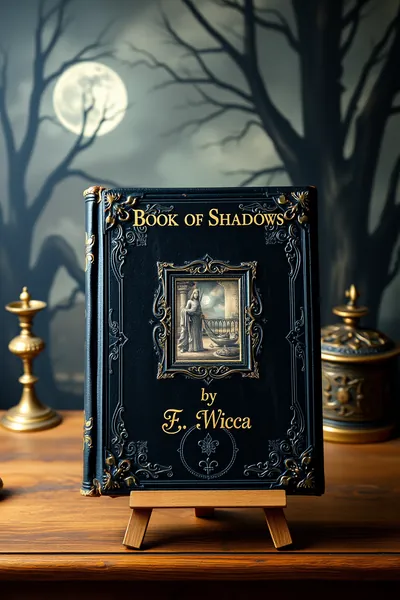
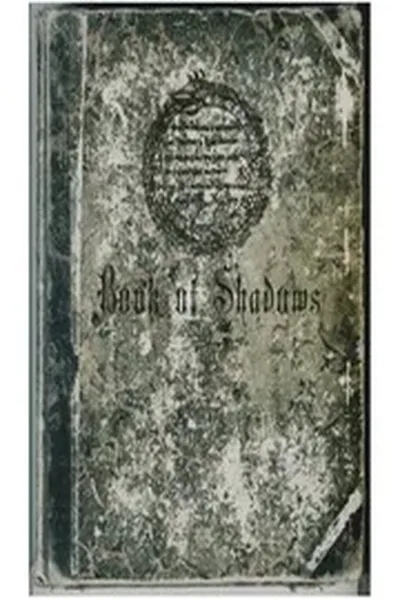
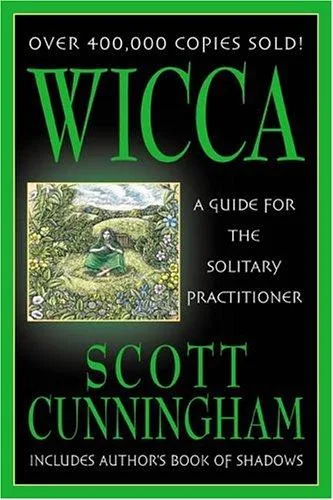
For those new to grimoires, starting with accessible guides is recommended. 'Grimoires & Practical Magic' offers a broad overview. 'The Complete Guide To Wicca And Witchcraft' by Leocosmos provides foundational concepts relevant to many magical practices. 'Book Of Shadows' by Gerald Gardner (1940) offers historical context on modern witchcraft traditions. 'The Coven of Amber Riverwood' by jeremiah.moze@gmail.com presents a more contemporary approach to magical workings. These texts introduce core principles without overwhelming the novice practitioner.
Intermediate Reading
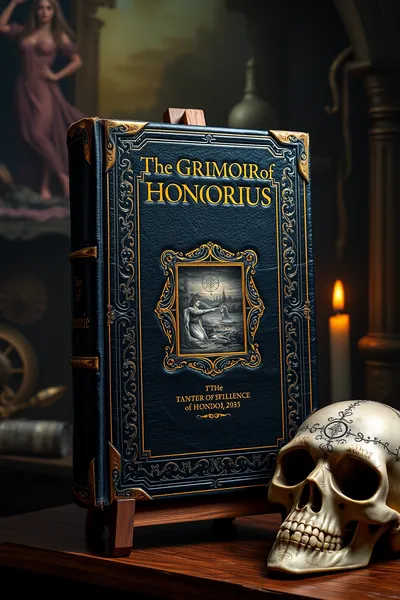
Moving beyond introductory material, intermediate students can engage with more specific traditions. 'The Grimoire of Honorius' (Medieval Grimoires edition) explores classical ceremonial magic. Stephen Skinner's 'The Complete Magicians Tables' (2007) offers a structured approach to magical correspondences. Michael Ford's 'Luciferian Witchcraft Grimoire Of The Serpent' explores a specific esoteric path. 'Magic That Works, Practical Training For The Children Of Light' by Nineveh Shadrach focuses on practical application of magical principles.
Classical / Advanced Texts
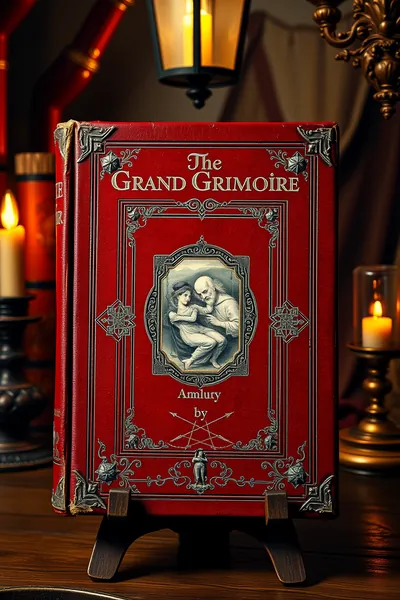
Serious students will find value in primary source material and complex systems. 'The lesser Key of Solomon, Goetia, the book of evil spirits' is a key work on demonology and spirit invocation. 'The Grand Grimoire' (also known as 'Le Dragon Rouge') is a notorious text associated with black magic. 'The Eighth Book of Moses: A Greco-Egyptian Grimoire' (2005) offers a window into Hellenistic magical traditions. 'Verus Jesuitarum libellus' (1875) contains powerful conjurations from a Jesuit-related tradition.
Reading Order — Step by Step
Begin with foundational concepts: Start with 'Grimoires & Practical Magic' and 'The Complete Guide To Wicca And Witchcraft' in Month 1. In Month 2, explore historical context with 'Book Of Shadows' by Gerald Gardner and look at specific practices with 'The Grimoire of Honorius'. By Month 3, tackle more complex systems like 'The lesser Key of Solomon, Goetia' and 'The Grand Grimoire'. Continue advanced study with texts like 'The Eighth Book of Moses' and Skinner's 'The Complete Magicians Tables' thereafter, integrating theoretical knowledge with practical application.
Frequently Asked Questions
Which grimoire book should I read first?
For beginners, 'Grimoires & Practical Magic' is a good starting point due to its overview. Alternatively, 'The Complete Guide To Wicca And Witchcraft' by Leocosmos offers foundational concepts.
Are grimoires dangerous?
Grimoires contain potent magical instructions. Approach them with respect, a clear understanding of your intentions, and a solid foundation in magical ethics to mitigate potential risks.
What is the difference between a grimoire and a book of shadows?
A grimoire is typically a textbook for specific magical operations, often involving spirit invocation. A Book of Shadows is more personal, containing spells, rituals, and notes specific to a witch or coven's practice.
Can I practice magic from any grimoire?
While many grimoires are available, some contain practices that require extensive training or carry significant spiritual/psychological risks. Start with introductory texts and proceed cautiously to more advanced material.
Where do grimoires come from?
Grimoires evolved over centuries, drawing from ancient magical traditions, Kabbalah, alchemy, Hermeticism, and folk beliefs. Many were compiled or written during the late medieval and Renaissance periods.
Are all grimoires about evil magic?
No. While some grimoires, like 'The Grand Grimoire', are associated with darker practices, many focus on benevolent magic, spirit communication, divination, and spiritual development.
What is 'The Lesser Key of Solomon'?
'The Lesser Key of Solomon' is a famous 17th-century grimoire detailing the 72 demons of the Goetia, their seals, and methods for their invocation and control.
How do I understand the language in old grimoires?
Old grimoires often use archaic language, symbolic imagery, and specialized terminology. Consulting scholarly commentaries or annotated editions can help clarify their meaning and context.