The Gnostics and Their Remains, Ancient and Mediaeval ...

 78
78

The Gnostics and Their Remains, Ancient and Mediaeval ...



'The Gnostics and Their Remains, Ancient and Mediaeval' by Charles William King is a treasure trove for modern esoteric seekers. King's work is a pioneering exploration of Gnosticism, a movement often shrouded in mystery and misinterpretation. The book's strength lies in its detailed examination of Gnostic texts, artifacts, and historical context, making it an essential read for those interested in the deeper layers of religious and philosophical thought. King's scholarly approach demystifies many of the esoteric concepts, providing a clear and accessible path into the complex world of Gnosticism. For contemporary readers, this book offers a bridge between ancient wisdom and modern spiritual inquiry, highlighting the enduring relevance of Gnostic ideas in today's search for meaning and enlightenment.
📝 Description
78
Charles William King published 'The Gnostics and Their Remains' in 1887, detailing ancient and medieval Gnostic traditions.
Charles William King's 1887 work, 'The Gnostics and Their Remains, Ancient and Mediaeval', examines the historical development and doctrines of Gnosticism. The book investigates the origins of Gnostic thought, tracing its connections to earlier philosophical and religious currents. King analyzes the complex mythologies and cosmological systems that characterized various Gnostic sects, paying close attention to their symbolic language and esoteric interpretations of scripture. He also discusses the material evidence associated with Gnosticism, including inscriptions, amulets, and other artifacts that shed light on their beliefs and practices.
The author's approach is academic, drawing on a wide range of primary sources available in his time. He seeks to reconstruct the beliefs and practices of these groups, highlighting their divergence from orthodox Christianity and their emphasis on secret knowledge for spiritual liberation. The book provides a detailed account of the philosophical underpinnings of Gnosticism, including its dualistic worldview and its views on the nature of the material world and the divine.
King's research aims to present a comprehensive overview of Gnostic history and thought for a Victorian audience interested in ancient religions and occult philosophies. The text is dense with scholarly detail, reflecting the research methods of its era. It remains a significant historical compilation of Gnostic materials as understood in the late 19th century.
Published in the late 19th century, this book emerged during a period of renewed interest in esoteric traditions. Charles William King's work situates Gnosticism within the broader context of ancient mystery religions and early Christian heterodoxies. It reflects a scholarly effort to understand Gnostic systems, which were often seen as precursors or parallels to later occult movements. The book's focus on hidden doctrines and spiritual emancipation aligns with the esoteric currents of its time, which sought alternative paths to spiritual understanding outside mainstream religious structures.
✍️ Author
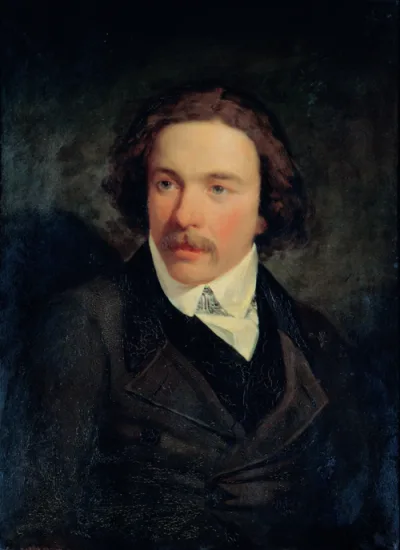
Charles William King
Charles William King was an English antiquarian, numismatist, and author, known for his works on gems and classical art.
💡 Why Read This Book?
Reading 'The Gnostics and Their Remains, Ancient and Mediaeval' today offers a profound journey into the esoteric traditions that have influenced Western thought for centuries. This book provides a unique perspective on the origins of mystical and spiritual beliefs, helping readers understand the roots of many modern esoteric practices. By delving into the rich history and symbolism of Gnosticism, readers gain insights into the human quest for divine knowledge and spiritual enlightenment. Whether you are a scholar, a spiritual seeker, or simply curious about the occult, this book will expand your horizons and deepen your appreciation for the mysteries of the esoteric world.
⭐ Reader Reviews
Honest opinions from readers who have explored this book.
❓ Frequently Asked Questions
What is the primary focus of 'The Gnostics and Their Remains'?
The primary focus of this book is the exploration of Gnosticism, an ancient religious movement that combines elements of Christianity, Judaism, and pagan philosophies. It delves into the beliefs, rituals, and artifacts associated with Gnosticism, providing a comprehensive overview of its historical and cultural significance.
Who would benefit from reading this book?
Scholars, historians, and anyone interested in esoteric and occult studies will benefit from reading this book. It offers valuable insights into ancient mystical traditions and their influence on modern spirituality.
How does this book contribute to the understanding of Gnosticism?
This book contributes to the understanding of Gnosticism by providing detailed analyses of Gnostic texts and artifacts, as well as their historical context. It demystifies many of the esoteric concepts, making them accessible to a wider audience and highlighting their relevance in contemporary spiritual inquiry.
🔮 Key Themes & Symbolism
Hidden Knowledge
King explores the esoteric teachings of the Gnostics, revealing hidden knowledge that has been passed down through generations. This theme studies the mystical and symbolic aspects of Gnosticism, offering readers a deeper understanding of ancient wisdom and its relevance to modern spiritual practices.
Symbolism and Mysticism
The book is rich in symbolism, with King providing detailed interpretations of Gnostic symbols and their mystical significance. This theme is crucial for understanding the deeper layers of Gnostic thought and its impact on esoteric traditions.
Philosophical Significance
King's work challenges conventional religious beliefs, offering a more mystical and personal path to enlightenment. This theme explores the philosophical implications of Gnostic teachings and their relevance to contemporary spiritual seekers.
💬 Memorable Quotes
Direct passages from the work, attributed to the author.
“Symbols are the language of the mystical.”
— King emphasizes the importance of symbolism in understanding esoteric teachings.
“Ancient wisdom holds the secrets of the universe.”
— This highlights the enduring relevance of ancient texts and artifacts in modern spiritual practices.
“The path to enlightenment is a personal journey.”
— King's work challenges traditional religious narratives, offering a more individualized spiritual path.
💡 Key Ideas
Editorial paraphrase of the work's core concepts — not direct quotes.
The divine spark within humanity is the key to true enlightenment.
This quote underscores the Gnostic belief in the inherent divinity of the human soul.
The Gnostics sought knowledge beyond the material world.
This quote captures the essence of Gnostic teachings, which focus on spiritual and mystical insights.
🌙 Esoteric Significance
Tradition
This book belongs to the Gnostic tradition, which emphasizes hidden knowledge and spiritual enlightenment. It studies the mystical and symbolic aspects of Gnosticism, providing readers with a deeper understanding of ancient wisdom and its relevance to modern spiritual practices.
Symbolism
Key symbols in the book include the divine spark, the serpent, and the cross. These symbols are interpreted within the context of Gnostic teachings, offering readers insights into the deeper layers of spiritual and philosophical thought.
Modern Relevance
This book is relevant today for modern practitioners of the occult and esoteric traditions. It provides a comprehensive look at ancient Gnostic texts and artifacts, offering a deeper understanding of esoteric teachings and their impact on contemporary spiritual practices.
👥 Who Should Read This Book
Beginners may find the book challenging due to its scholarly approach and esoteric content. However, it is an invaluable resource for scholars of religious studies, spiritual seekers, and practitioners of the occult. Those interested in the mystical and esoteric traditions will find it particularly enlightening.
📜 Historical Context
Written in the 19th century, 'The Gnostics and Their Remains, Ancient and Mediaeval' was a groundbreaking work that shed light on the often-misunderstood teachings of the Gnostics. During this era, there was a growing interest in esoteric and mystical traditions, and King's book provided a comprehensive and scholarly exploration of Gnostic texts and artifacts. Its influence can be seen in the revival of interest in ancient wisdom and the development of modern esoteric practices.
📔 Journal Prompts
Reflect on the concept of the divine spark within humanity. How does this idea resonate with your own spiritual beliefs?
Consider the role of symbolism in ancient and modern spiritual practices. How do symbols help us understand deeper truths?
Explore the idea of a personal journey to enlightenment. How does this differ from traditional religious narratives?
Think about the enduring relevance of ancient wisdom. How do ancient texts and artifacts influence contemporary spiritual practices?
Reflect on the impact of Gnostic teachings on modern esoteric traditions. How have these teachings shaped your own spiritual path?
🗂️ Glossary
Gnosticism
An esoteric tradition that emphasizes hidden knowledge and spiritual enlightenment.
Divine Spark
The inherent divinity of the human soul, a key concept in Gnostic teachings.
Esoteric
Relating to knowledge that is intended for a small, select group of people.
Symbolism
The use of symbols to represent abstract ideas or qualities.
Mystical
Relating to spiritual experiences that are beyond the ordinary or physical.
This book appears in 4 collections
🔮 Readers Also Liked
Browse all →





More by Charles William King
All books →





From the “Gnosticism” Collection
View all →



More Free Sacred Texts & Gnosticism Books
View all →