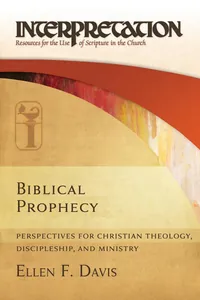
The gnostic Bible

 76
76

The gnostic Bible
The Gnostic Bible offers a vital, if often bewildering, counterpoint to canonical religious literature. Its strength lies in presenting a broad spectrum of Gnostic thought, from the philosophical intricacies of the *Trimorphic Protennoia* to the narrative power of the *Gospel of Thomas*. The sheer volume of material, however, can be overwhelming for the uninitiated. A particularly striking element is the repeated emphasis on the material world as a prison, a stark contrast to creation narratives found elsewhere. While the translations are generally accessible, the inherent complexity of Gnostic cosmology presents a persistent challenge. This compilation serves as an indispensable resource for understanding a significant, yet often marginalized, strand of ancient spirituality.
📝 Description
76
The Gnostic Bible gathers scriptures excluded from the canonical Bible, revealing early Christian and Jewish mystical thought.
This compilation gathers texts that did not make it into the standard biblical canon, offering a view into early Christian and Jewish mystical traditions. The scriptures within focus on a distinct understanding of divinity, the material universe, and achieving spiritual freedom through direct knowledge, or gnosis. These writings provide alternative theological viewpoints and narratives, differing from established doctrines.
Emerging from the early centuries CE, these texts reflect a period of significant religious exploration and philosophical discussion. Gnosticism, as a broad movement, existed alongside early Christianity and Judaism, proposing different ideas about scripture and salvation. Many of these writings were suppressed by figures like Irenaeus of Lyons in the 2nd century CE, and their existence was largely unknown until major discoveries, such as the Nag Hammadi library in 1945.
These texts belong to the Gnostic tradition, a diverse set of religious ideas prominent in the early centuries CE. Gnosticism proposed that salvation came through secret knowledge (gnosis) that revealed the true nature of the divine and the material world. It often presented a cosmology with a remote, true God, a lesser creator (the Demiurge) responsible for the material universe, and divine emanations (aeons) involved in the cosmic drama. This perspective offered a counterpoint to mainstream interpretations of Judaism and Christianity, emphasizing an inner, spiritual awakening over external rituals or doctrines.
💡 Why Read This Book?
• Gain direct access to the foundational texts of Gnosticism, such as the *Gospel of Thomas*, offering unique sayings attributed to Jesus not found in the New Testament. • Understand the concept of the Demiurge, a creator deity distinct from the supreme God, central to Gnostic cosmology and its view of the material world. • Explore the significance of *gnosis* (salvific knowledge) as presented in these scriptures, providing an alternative path to spiritual liberation compared to faith-based doctrines.
⭐ Reader Reviews
Honest opinions from readers who have explored this book.
❓ Frequently Asked Questions
When were the original Gnostic texts likely written?
The majority of texts compiled in The Gnostic Bible likely originated between the 2nd and 4th centuries CE, a period of diverse theological development within early Christianity and Judaism.
What does 'Gnosticism' refer to?
Gnosticism is a broad term for a variety of ancient religious movements that emphasized *gnosis*, or salvific knowledge, as the key to spiritual liberation from the material world.
Where were many Gnostic texts discovered?
Many significant Gnostic texts, including those found in this collection, were discovered in Nag Hammadi, Egypt, with the most famous cache unearthed in 1945.
How does Gnosticism differ from mainstream Christianity?
Gnosticism often posits a flawed creator god (the Demiurge) for the material world, contrasts with the orthodox Christian view of a benevolent God creating a good world, and emphasizes personal gnosis over faith and sacraments.
Is 'The Gnostic Bible' a single ancient text?
No, 'The Gnostic Bible' is a modern compilation of various ancient Gnostic scriptures, first published in 2003, bringing together texts previously scattered or unknown.
Who is Sophia in Gnostic texts?
Sophia, meaning 'Wisdom,' is a key divine emanation in many Gnostic systems. Her desire or fall from the divine realm is often depicted as leading to the creation of the material universe.
🔮 Key Themes & Symbolism
The Flawed Material World
A central tenet explored across these texts is the inherently flawed and illusory nature of the material universe. It is often described as a prison created by a lesser, ignorant deity, the Demiurge, rather than the perfect creation of the supreme, unknowable God. This perspective frames the physical existence as a place of suffering and spiritual entrapment, from which the divine spark within humanity must escape.
Gnosis as Salvation
Unlike salvation through faith or works, Gnostic traditions emphasize *gnosis* – direct, experiential knowledge of the divine – as the primary means of liberation. This knowledge awakens the dormant spiritual essence within individuals, revealing their true origin in the divine realm and enabling them to transcend the limitations of the material world. The texts detail various pathways and revelations leading to this salvific understanding.
Divine Emanations and the Pleroma
The texts describe a complex cosmology populated by divine beings or aeons, collectively forming the Pleroma, the totality of the Godhead. Figures like Sophia play crucial roles in the unfolding of creation, often through inadvertent actions or desires that lead to the formation of the material cosmos. Understanding these intricate spiritual hierarchies is key to grasping the Gnostic worldview.
Alternative Christology
The figure of Jesus Christ is often reinterpreted within Gnostic scriptures. While recognized as a divine messenger, his nature and mission are presented differently. Some texts focus on his secret teachings and the *gnosis* he imparts, rather than his atoning sacrifice. This emphasis on hidden knowledge and spiritual awakening offers a distinct perspective on Christian salvation.
💬 Memorable Quotes
Direct passages from the work, attributed to the author.
“Jesus said, 'I am not your master. Because you drank, you have become drunk from the bubbling spring which I measured out.'”
— This saying from the *Gospel of Thomas* highlights Jesus' role as a facilitator of spiritual awakening, not an authoritarian figure. It suggests that true understanding comes from an internal, divine source that he has revealed, leading to an intoxicating inner enlightenment.
“He who has not known the Father has not known anything.”
— A fundamental Gnostic principle, this statement underscores the absolute necessity of directly knowing the true, supreme God. Without this *gnosis*, all other knowledge and worldly experience are considered ultimately meaningless or illusory.
“The Kingdom of God is within you.”
— While also present in canonical scripture, this saying from the *Gospel of Thomas* is central to Gnostic thought. It emphasizes the immanent nature of the divine and the potential for individuals to access the Kingdom through inner spiritual realization rather than external religious structures.
“The world is a corpse, and men are corpses.”
— This stark declaration reflects the Gnostic view of the material realm as dead and corrupt. It suggests that unenlightened humanity is spiritually deceased, trapped in a lifeless existence until awakened by *gnosis*.
💡 Key Ideas
Editorial paraphrase of the work's core concepts — not direct quotes.
For the Aeon was the first that came forth from the Mind, and it was the Mind that brought forth the Word.
This quote from *Trimorphic Protennoia* illustrates the Gnostic concept of emanation, where divine reality unfolds in stages. The Mind conceives, the Word expresses, and the Aeon (a divine being) manifests, outlining a hierarchical process of creation originating from the supreme, unknowable God.
🌙 Esoteric Significance
Tradition
This work is foundational to the Gnostic tradition, a complex set of ancient religious and philosophical movements. It departs significantly from the mainstream Abrahamic religions by positing a flawed creator deity (the Demiurge) responsible for the material world, and by emphasizing personal, intuitive knowledge (*gnosis*) over dogma or mediated salvation. It represents a radical reinterpretation of creation, humanity's place within it, and the path to spiritual liberation.
Symbolism
Key symbols include the Pleroma, representing the totality of divine being and spiritual emanations, often depicted as a area of light and spirit. The Serpent, often a positive figure, represents wisdom and the awakening of consciousness, contrasting with its traditional negative portrayal. Sophia, or Wisdom, is a central divine figure whose fall from the Pleroma precipitates the creation of the material world, symbolizing divine longing and its unintended consequences.
Modern Relevance
Contemporary esoteric practitioners, comparative religion scholars, and depth psychologists continue to draw from Gnostic texts. Movements like the Gnostic Revival and interpretations within Jungian psychology explore Gnostic themes of the shadow self, the archetypal feminine, and the critique of societal structures. The emphasis on direct experience and personal revelation remains relevant for those seeking alternative spiritual frameworks outside of conventional religious institutions.
👥 Who Should Read This Book
• Students of early Christian history and comparative religion: To understand the diverse theological field of the 1st-4th centuries CE and the heterodox movements that shaped early religious discourse. • Seekers of alternative spiritual paths: For those interested in non-dualistic cosmologies and a focus on inner knowledge (*gnosis*) as a means of spiritual liberation. • Scholars of esoteric traditions: To engage with primary source material that directly influenced later mystical and occult systems in the Western tradition.
📜 Historical Context
The collection of texts presented as The Gnostic Bible emerged from a vibrant, yet often contentious, spiritual milieu in the early centuries CE. This era, roughly from the 2nd to the 4th century, saw a proliferation of diverse interpretations of Jewish and Christian traditions. Gnosticism, characterized by its emphasis on *gnosis* (salvific knowledge) and often dualistic cosmology, competed with the developing orthodox Christianity championed by figures like Irenaeus of Lyons, who vigorously denounced Gnostic teachings in his *Against Heresies* around 170-180 CE. The suppression of Gnostic writings led to their near disappearance until the important discovery of the Nag Hammadi library in Egypt in 1945. These codices, preserved in Coptic, provided direct access to texts previously known only through the critiques of their opponents, revealing a far more complex and nuanced spiritual landscape than previously understood.
📔 Journal Prompts
The implications of the Demiurge's flawed creation for understanding suffering.
Personal reflections on achieving *gnosis* beyond intellectual understanding.
The role of Sophia's fall in the creation narrative and its personal resonance.
Comparing Jesus' secret teachings in the *Gospel of Thomas* to canonical accounts.
The concept of the Pleroma and its potential depiction of ultimate reality.
🗂️ Glossary
Gnosis
A Greek term meaning 'knowledge,' specifically referring to salvific, intuitive, or experiential knowledge of the divine and ultimate reality, central to Gnostic traditions.
Demiurge
In Gnosticism, a lesser, often ignorant or malevolent, creator deity responsible for fashioning the material world, distinct from the supreme, transcendent God.
Pleroma
The totality of divine powers, emanations, and spiritual beings that constitute the fullness of the Godhead in Gnostic cosmology.
Sophia
A key divine emanation, often translated as 'Wisdom,' whose actions and fall from the Pleroma are typically depicted as leading to the creation of the material universe.
Aeon
A divine being or spiritual power that emanates from the supreme God and constitutes the Pleroma in Gnostic cosmology.
Barbelo
A significant aeon in some Gnostic systems, often considered the first emanation from the unknowable God, and sometimes associated with Sophia.
Sethian Gnosticism
A major branch of Gnosticism that traced its spiritual lineage back to Seth, the third son of Adam and Eve, viewing him as a divine revealer.
🔮 Readers Also Liked
Browse all →








More by Unknown
All books →



More Free Sacred Texts & Gnosticism Books
View all →