The Facts on Spirit Guides
 75
75

The Facts on Spirit Guides
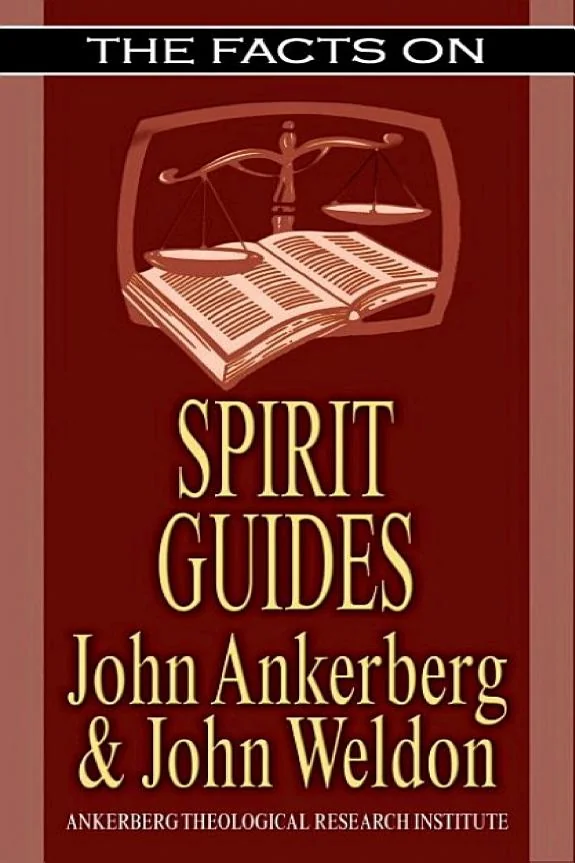
Ankerberg and Weldon's "The Facts on Spirit Guides" offers a starkly contrarian view within the broad spectrum of esoteric literature. Rather than exploring the potential benefits or philosophical underpinnings of spirit communication, the authors launch a direct theological assault, identifying all such entities as demonic. Their strength lies in this unwavering, consistent perspective, providing a clear, if polemical, framework for those within a specific evangelical Christian tradition. However, this very focus is also its limitation; it dismisses alternative interpretations out of hand, offering little room for nuanced discussion or engagement with the lived experiences of those who find positive meaning in spirit guide contact. A passage discussing the purported 'absolute certainty' claimed by spirit guides about God, while intended to expose deception, instead highlights the book's foundational distrust of any non-biblical spiritual authority.
Ultimately, this book functions less as an exploration and more as a warning, rooted entirely in a specific religious dogma.
📝 Description
75
Published in 2011, The Facts on Spirit Guides critiques contemporary spiritual phenomena, identifying 'spirit guides' as deceptive entities.
John Ankerberg and John Weldon's 2011 book, The Facts on Spirit Guides, scrutinizes the modern practice of seeking guidance from spirits. The authors argue that individuals who believe they are communicating with benevolent spirits are instead encountering deceptive forces. According to their interpretation of biblical scripture, these purported guides are demonic entities disguised as sources of wisdom. The book aims to inform readers who are involved with or curious about spirit communication, as well as those concerned by New Age practices.
The authors' central thesis is that 'spirit guides' are not divine messengers but are actually demons acting with a deceptive purpose. They contend these entities provide false information regarding God and the meaning of life. Ankerberg and Weldon contrast this with a Christian viewpoint that upholds the Bible as the exclusive source of spiritual authority. The work seeks to equip readers with an understanding of what the authors perceive as the dangers inherent in paranormal communication.
This book stands as a direct theological challenge to spiritualist and New Age movements that gained significant popularity in the late 19th and 20th centuries, influenced by figures like Helena Blavatsky and Edgar Cayce. Ankerberg and Weldon approach these phenomena from an evangelical Christian perspective, specifically interpreting them through the framework of biblical demonology. They reject theosophical and spiritualist understandings of spirit communication, asserting that such interactions are not with benign spirits but with malevolent, deceptive forces as understood within their religious tradition.
💡 Why Read This Book?
• Gain a specific theological critique of spirit communication, understanding the evangelical Christian perspective that views 'spirit guides' as demonic, as detailed in the book's analysis of biblical texts concerning spiritual deception. • Learn to identify specific claims made by entities during spiritual communication that Ankerberg and Weldon categorize as manipulative, a concept central to their argument against engaging with these spirits. • Grasp the authors' interpretation of historical spiritualist movements and compare their biblical counter-arguments to the foundational ideas presented by figures like Helena Blavatsky, allowing for a comparative theological study.
⭐ Reader Reviews
Honest opinions from readers who have explored this book.
❓ Frequently Asked Questions
What is the primary argument presented by Ankerberg and Weldon regarding spirit guides?
Ankerberg and Weldon argue that 'spirit guides' are not benevolent entities but are actually demonic powers attempting to deceive people. They base this conclusion on their interpretation of biblical scriptures, asserting these spirits offer false teachings about God and life's purpose.
What specific biblical passages do the authors reference to support their claims?
While not exhaustive, the book likely draws upon passages concerning spiritual warfare, discernment, and warnings against false prophets or spirits, such as those found in Deuteronomy 18:10-12 and 1 John 4:1.
Who is the intended audience for 'The Facts on Spirit Guides'?
The book is primarily aimed at individuals within the evangelical Christian community or those seeking a theological perspective on spirit communication, particularly those concerned about New Age practices and potential spiritual deception.
When was 'The Facts on Spirit Guides' first published?
The book was first published on April 20, 2011, reflecting discussions and concerns prevalent in the early 21st century regarding the rise of spiritualism and New Age beliefs.
What is the authors' view on the certainty claimed by spirit guides?
Ankerberg and Weldon view the 'absolute certainty' claimed by spirit guides about God and life's purpose as a deceptive tactic. They suggest this false certainty is used to lure individuals away from biblical truth and into spiritual error.
Does the book offer alternative methods for spiritual guidance?
Yes, the authors implicitly advocate for seeking spiritual guidance exclusively through the Bible and traditional Christian prayer and study, presenting these as the only reliable and safe sources of divine truth.
🔮 Key Themes & Symbolism
Demonic Deception
The central thesis posits that purported spirit guides are not benevolent entities but are, in fact, demonic forces. This theme explores the authors' interpretation of biblical accounts that warn against spiritual deception, suggesting these entities mimic divine communication to mislead seekers. The work argues that the 'certainty' these guides project about God and life's purpose is a tool of manipulation designed to draw individuals away from what the authors consider true spiritual understanding found solely within the Bible.
Biblical Discernment
This theme focuses on the authors' emphasis on using the Bible as the ultimate authority for discerning spiritual truth. They present biblical passages as a framework for identifying and rejecting deceptive spiritual influences. The work equips readers, from their perspective, with the tools to critically evaluate spiritual experiences and messages, contrasting them against scriptural teachings to avoid what they term 'seduction' by the spirit world.
Spiritual Warfare
The book frames the interaction with spirit guides within the context of spiritual warfare. It suggests that these encounters are not benign explorations but are active engagements with malevolent spiritual powers. The authors' approach implies that individuals are under spiritual attack and need to be armed with scriptural knowledge and faith to resist these forces and protect themselves from what they perceive as demonic infiltration.
Critique of New Age Practices
Ankerberg and Weldon critically examine the proliferation of New Age beliefs and practices, particularly those involving channeling, mediumship, and communication with non-physical entities. They challenge the underlying assumptions of these movements, arguing that their spiritual foundations are inherently flawed and dangerous according to a specific evangelical Christian worldview. The book serves as a direct refutation of the positive framing often applied to such spiritual pursuits.
💬 Memorable Quotes
Direct passages from the work, attributed to the author.
“Thousands are communicating with the spirit world in search of guidance.”
— This observation highlights the widespread engagement with spiritualism and related practices that the book seeks to address, setting the stage for its critical analysis of these interactions and the entities involved.
“Are they good spirits as declared... or are they the demons spoken of in the Bible?”
— This rhetorical question expresses the core dichotomy presented by the authors. It frames the central investigation of the book: challenging the self-proclaimed benevolence of spirit guides and proposing a potentially sinister alternative rooted in biblical demonology.
“This book reveals the demonic powers behind these spirit guides.”
— This statement serves as a direct declaration of the book's ultimate conclusion and purpose. It promises to expose hidden, malevolent forces, positioning the work as an investigative exposé aimed at warning readers about the true nature of their spiritual contacts.
“How to avoid the seduction of the spirit world & demonic powers.”
— This phrase from the original blurb indicates a practical, cautionary aim of the book. It suggests that engaging with the spirit world is not merely an exploration but a potentially dangerous act of 'seduction' that requires active avoidance strategies.
💡 Key Ideas
Editorial paraphrase of the work's core concepts — not direct quotes.
The 'spirit guides' they're contacting claim to speak with absolute certainty about the nature of God and the purpose of life.
This quote points to a key tactic attributed to these entities: projecting unwavering authority. The authors interpret this absolute certainty not as wisdom, but as a manipulative tool designed to engender trust and bypass critical examination of their messages.
🌙 Esoteric Significance
Tradition
This work does not align with any specific esoteric tradition but rather acts as a direct critique from an evangelical Christian perspective. It engages with phenomena often discussed within spiritualist, theosophical, and New Age circles but reframes them entirely through a theological lens that identifies them as demonic, a concept antithetical to the self-discovery and spiritual evolution central to most esoteric paths.
Symbolism
The primary 'symbol' the book engages with is the 'spirit guide' itself, which it reinterprets not as a benevolent helper or ascended master, but as a deceptive demon. The Bible is presented as the ultimate symbolic authority, a 'map' to navigate spiritual truth, contrasting with the 'false maps' allegedly provided by guides. The concept of 'seduction' functions symbolically, representing the alluring but ultimately destructive nature of these spiritual encounters.
Modern Relevance
While not directly influencing esoteric thought, the book remains relevant for contemporary practitioners and scholars of comparative religion or those interested in the history of anti-occult discourse. It serves as a case study in how specific religious doctrines interpret and often condemn alternative spiritual practices, a dynamic that continues in discussions surrounding mindfulness, yoga, and even therapeutic modalities that touch upon altered states of consciousness.
👥 Who Should Read This Book
• Individuals exploring the validity of spiritual communication and seeking a critical, biblically-based perspective on the nature of 'spirit guides'. • Concerned family members or friends seeking to understand the theological objections to New Age spiritual practices involving entities. • Apologists or students of comparative religion interested in the historical and theological arguments against occult and esoteric phenomena from a specific evangelical Christian viewpoint.
📜 Historical Context
Published in 2011, "The Facts on Spirit Guides" entered a cultural landscape where New Age spirituality, including channeling and spirit communication, had been subjects of popular interest for decades. Its intellectual roots lie in specific evangelical Christian apologetics, seeking to counter or debunk movements often associated with figures like Helena Blavatsky or Theosophy, which gained prominence in the late 19th century. While movements like Spiritualism and Theosophy offered frameworks for understanding communication with non-corporeal entities as potentially enlightening, Ankerberg and Weldon’s work aligns with a more conservative, biblically literalist interpretation that views such phenomena through the lens of demonology. This approach contrasts sharply with the more syncretic or universalist spiritual philosophies prevalent in alternative spiritual circles. The book's reception within mainstream esoteric scholarship was likely limited due to its overtly polemical and exclusionary theological stance, rather than engaging with the phenomena on their own terms.
📔 Journal Prompts
The concept of 'seduction' as applied to spirit communication: how does this framing influence your perception?
Biblical discernment: what specific criteria does the book suggest for evaluating spiritual messages?
The 'absolute certainty' claimed by spirit guides: reflect on why this trait might be seen as a deceptive tactic.
Identifying demonic powers: what biblical interpretations are presented to support this identification?
The contrast between biblical guidance and spirit guide communication: outline the key differences according to the authors.
🗂️ Glossary
Spirit Guides
Entities with whom individuals claim to communicate for spiritual advice or enlightenment. The book argues these are demonic impersonators, not benevolent spirits.
Demonic Powers
Malevolent spiritual entities, as described in biblical texts, that are believed to deceive humans and oppose divine will. The book equates these with purported spirit guides.
Spiritual Deception
The act of misleading individuals regarding spiritual truths or realities. The authors contend that spirit guides employ this tactic to lead people astray from biblical teachings.
Biblical Discernment
The practice of critically evaluating spiritual claims, experiences, and entities based on interpretations of the Bible. This is presented as a crucial tool for avoiding deception.
Seduction
In this context, the act of alluring someone into a potentially harmful or spiritually erroneous path through deceptive means, often by offering appealing but false promises or insights.
New Age Practices
A broad range of spiritual or quasi-religious beliefs and practices that emerged in the late 20th century, often encompassing alternative healing, spirituality, and paranormal phenomena. The book critiques these.
Apologetics
The field of religious apologetics involves defending a particular faith or belief system against objections, often by providing reasoned arguments and evidence. This book functions as apologetics from an evangelical standpoint.
This book appears in 1 collection
🔮 Readers Also Liked
Browse all →






From the “Spirit Guides” Collection
View all →






More Free Sacred Texts & Gnosticism Books
View all →