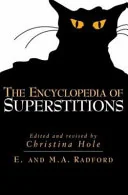
The Encyclopedia of Superstitions
 74
74

The Encyclopedia of Superstitions
Radford and Radford’s Encyclopedia of Superstitions presents a formidable catalog of human credulity, spanning an impressive breadth of topics from the seemingly mundane to the deeply ritualistic. Its strength lies in its sheer comprehensiveness and clear, alphabetical organization, making it an accessible reference for anyone curious about the myriad ways people have sought to control fate or understand the inexplicable. The entries on birth customs, for instance, reveal fascinating cross-cultural parallels in anxieties and hopes surrounding new life. However, the work, by its nature as an encyclopedia, sometimes lacks deeper analytical depth, presenting phenomena without always fully exploring the socio-psychological underpinnings or the nuanced historical shifts in belief. A notable passage detailing the persistent fear of Friday the 13th, while informative, could benefit from more robust engagement with the calendrical and theological roots of such anxieties. Ultimately, this is an invaluable, if somewhat dry, repository for the student of folklore and popular belief.
📝 Description
74
Published in December 2003, this encyclopedia catalogs popular beliefs, omens, and practices across cultures and history.
Edwin Radford and Mona Augusta Radford's encyclopedia is an alphabetical compendium detailing a vast array of popular beliefs, omens, and practices. It functions as a reference work that explains the origins and manifestations of superstitions, spanning from ancient rituals to common folk wisdom. The book meticulously organizes information concerning specific numbers, animals, and customs related to birth, marriage, and death. Its central purpose is to document and illustrate the widespread nature of these often illogical, yet deeply ingrained, human beliefs.
This volume is a valuable resource for folklorists, anthropologists, cultural historians, and anyone interested in how human belief systems develop. Researchers seeking to understand the psychology and social functions of superstition will find it useful. Enthusiasts of comparative mythology and religious studies can use it to trace the cross-cultural spread of ideas. Writers and creators looking for specific details to add authenticity to fictional or historical narratives will discover a wealth of material within its pages.
This work stands within a tradition of collecting and categorizing folklore and popular beliefs. It draws upon centuries of recorded human conviction, documenting phenomena that often exist outside formal religious or scientific structures. While not a primary source of esoteric doctrine, it provides a comprehensive record of beliefs that have historically informed practices and worldviews, engaging with the persistence of such ideas even in the face of rationalist critiques.
💡 Why Read This Book?
• Gain specific insights into the origins and variations of superstitions related to animals, such as the common belief in black cats as omens, as detailed in the encyclopedia's entries. • Understand the historical context of birth customs and death rituals, recognizing how practices documented in the book reflect societal anxieties and hopes across different eras. • Explore the concept of sympathetic magic through concrete examples provided in the text, learning how ancient beliefs about cause and effect continue to influence modern folklore.
⭐ Reader Reviews
Honest opinions from readers who have explored this book.
❓ Frequently Asked Questions
When was The Encyclopedia of Superstitions first published?
The Encyclopedia of Superstitions was first published in December 2003, compiling a vast range of beliefs and practices.
What kind of superstitions does the book cover?
The book covers a wide spectrum, including spells, charms, birth customs, death customs, omens, divination practices, and folk beliefs related to animals, numbers, and everyday events.
Is the book organized alphabetically?
Yes, the encyclopedia is meticulously organized with alphabetized entries, making it easy to locate specific topics and cross-reference information.
Who are the authors of The Encyclopedia of Superstitions?
The authors are Edwin Radford and Mona Augusta Radford, who compiled this extensive reference work.
What is the primary purpose of this encyclopedia?
Its primary purpose is to document, categorize, and explain the origins and manifestations of superstitions from various cultures and historical periods.
Can this book help writers or researchers?
Absolutely. Researchers in folklore, anthropology, and comparative religion, as well as writers seeking authentic details, will find it a rich source of information.
🔮 Key Themes & Symbolism
Omens and Portents
The work meticulously documents how humans have historically sought meaning in everyday occurrences, interpreting natural events, animal behaviors, and even chance encounters as signs of future fortune or misfortune. From the flight of birds to the appearance of specific insects, the encyclopedia details a vast array of omens and their associated beliefs, illustrating a deep-seated human drive to predict and control destiny. These entries reveal how societal anxieties and hopes are often projected onto the natural world.
Rituals and Charms
A significant portion of the encyclopedia is dedicated to the practices undertaken to influence events or ward off harm. This includes detailed descriptions of apotropaic charms, protective amulets, and specific ritualistic actions believed to avert bad luck or attract good fortune. The book explores the diverse forms these rituals take, from elaborate ceremonies to simple, ingrained habits, highlighting the universal human impulse to actively engage with perceived supernatural forces.
Birth and Death Customs
The encyclopedia offers a fascinating glimpse into the deeply ingrained superstitions surrounding the most significant life transitions: birth and death. It catalogues a wide range of beliefs and practices associated with childbirth, naming ceremonies, mourning periods, and burial rites across different cultures. These entries often reveal shared human concerns about purity, protection of the vulnerable, and the proper passage of the soul, demonstrating how superstitions are woven into the fabric of life's most profound moments.
Sympathetic Magic
The concept of sympathetic magic, the belief that like influences like, is a recurring theme throughout the encyclopedia. Entries explore how objects, images, or actions are used to affect a person or event at a distance, based on a perceived mystical connection. This includes practices like voodoo dolls, curses, and blessings, illustrating a worldview where the visible and invisible realms are intimately connected and can be manipulated through specific symbolic means.
💬 Memorable Quotes
Direct passages from the work, attributed to the author.
“The fear of Friday the 13th and its supposed ill fortune.”
— This entry exemplifies the book's focus on specific, widely recognized superstitions, tracing their perceived origins and cultural impact.
“Beliefs surrounding the significance of specific numbers, such as seven or thirteen.”
— Illustrates the deep dive into numerology and symbolic meaning attached to figures, showing how numbers carry cultural weight beyond their mathematical value.
“The use of charms and amulets for protection against evil.”
— Highlights the practical application of superstition, where tangible objects are imbued with power to influence one's safety and well-being.
“Customs and superstitions associated with marriage ceremonies.”
— Demonstrates how superstitions permeate even the most significant personal milestones, reflecting societal hopes and anxieties about commitment and future happiness.
“Folklore concerning the behavior of animals as omens.”
— This showcases the connection between the natural world and human belief, where animal actions are interpreted as messages or portents.
🌙 Esoteric Significance
Tradition
While not explicitly tied to a single esoteric lineage like Hermeticism or Kabbalah, the Encyclopedia of Superstitions functions as a foundational text for understanding the practical application of folk magic and popular belief systems, which often intersect with esoteric traditions. It documents the underlying currents of sympathetic magic and animism that inform many magical practices, providing a broad survey of the 'magical thinking' that permeates human culture, regardless of formal initiation into specific occult orders.
Symbolism
The work frequently touches upon symbolic motifs that hold significance across various esoteric traditions. Numbers, for instance, are analyzed not just for their statistical prevalence in superstitions but for their inherent symbolic weight (e.g., the number 3 representing completion or the divine, 7 for perfection or spiritual attainment). Animals often appear as potent symbols, embodying specific qualities or acting as messengers between worlds, reflecting ancient totemic and shamanic beliefs. Objects like mirrors or certain plants are also explored for their perceived magical properties, linking them to practices of scrying or herbalism.
Modern Relevance
Contemporary practitioners of witchcraft, modern paganism, and even psychological approaches to folklore often reference or draw upon the detailed documentation found in such encyclopedias. The work’s comprehensive cataloging helps modern adherents understand the historical roots and cultural diffusion of rituals, charms, and beliefs they may practice or study. Thinkers exploring the psychology of belief, cognitive biases, and the enduring human need for narrative and meaning in the face of uncertainty also find value in its extensive record of human credulity.
👥 Who Should Read This Book
• Folklorists and Anthropologists: Researchers seeking a comprehensive, alphabetized reference for cross-cultural comparison of beliefs, rituals, and omens. • Writers and Creatives: Authors and artists looking for authentic details and inspiration for historical fiction, fantasy, or works exploring human psychology. • Students of Comparative Religion: Scholars interested in the 'popular religion' and folk beliefs that often coexist with, and influence, formal religious structures.
📜 Historical Context
The Encyclopedia of Superstitions, first published in December 2003, arrived at a time when academic and popular interest in folklore, cultural anthropology, and the sociology of belief was considerable. While the book itself is a modern compilation, it draws upon a vast historical record of human practices and beliefs that stretch back millennia. It engages implicitly with the Enlightenment's legacy of rationalism by meticulously documenting the persistence of what rationalists often dismissed as irrationality. The work exists within a tradition of encyclopedic cataloging of the strange and the popular, a genre that saw significant development in the 19th and 20th centuries. It can be seen as a successor to earlier collectors of folklore and occult lore, though its publication date places it firmly in a contemporary academic milieu that increasingly valued ethnographic detail and comparative analysis, even for seemingly fringe beliefs.
📔 Journal Prompts
The persistent fear of Friday the 13th, its cultural impact, and personal resonance.
Sympathetic magic and its manifestation in everyday beliefs or practices.
The symbolic meaning attributed to specific animals in folklore and personal experience.
Rituals and charms designed for protection: their historical context and psychological function.
Cross-cultural variations in birth customs and death rituals as documented in the encyclopedia.
🗂️ Glossary
Apotropaic
Relating to or designed to ward off evil or bad luck. Many superstitions involve apotropaic charms, rituals, or gestures intended to protect the individual.
Sympathetic Magic
A form of magic based on the principle that like produces like or that a person or thing can affect another through a mystical connection. This is a core concept explored through various superstitions.
Divination
The practice of seeking knowledge of the future or the unknown by supernatural means. The encyclopedia details numerous forms of divination.
Omen
An event regarded as a portent of good or evil. The book catalogs countless omens derived from natural phenomena, animal behavior, and chance occurrences.
Charm
A spoken word or utterance, or an object, believed to have magic power. The encyclopedia documents many types of charms used for protection or to influence fortune.
Folk Belief
Traditional beliefs and customs passed down through generations within a community or culture. Superstitions are a major component of folk belief.
Superstition
An irrational belief that certain events or things will bring good or bad luck. The encyclopedia is a comprehensive survey of such beliefs.
This book appears in 1 collection
🔮 Readers Also Liked
Browse all →








From the “Superstition” Collection
View all →



More Free Occult Philosophy Books
View all →