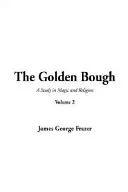
The Golden Bough
 78
78

The Golden Bough
Frazer's ambitious survey, The Golden Bough, remains a formidable compilation of global myth and ritual, particularly its detailed examination of sympathetic magic. The sheer breadth of evidence gathered by Frazer, spanning from ancient Rome to Indigenous Australian practices, is its undeniable strength. However, the work's grand narrative, positing a linear progression from magic to religion to science, feels increasingly dated and reductionist from a modern anthropological perspective. One particularly striking passage details the elaborate rituals surrounding the King of Rome's succession, illustrating the potent blend of divine kingship and ritual sacrifice Frazer believed was fundamental. While its analytical framework may be challenged, the book's encyclopedic collection of lore is unparalleled. The Golden Bough is a foundational, if flawed, cornerstone for understanding the history of religious studies.
📝 Description
78
James George Frazer's The Golden Bough, completed in 1915, analyzed global myths and rituals.
First published in full in 1915, The Golden Bough is James George Frazer's comprehensive comparative study of mythology and religion. Frazer, a Scottish anthropologist, gathered extensive documentation of ancient rituals, magic, and beliefs from cultures worldwide. His primary aim was to identify universal patterns in human religious thought and practice. He paid particular attention to the figure of the dying and reviving god and the principles of sympathetic magic.
The work emerged during a vibrant period for academic and cultural inquiry, contributing to the then-new fields of anthropology and comparative mythology. Frazer's theories on the origins of religion and magic sparked considerable discussion, impacting many later researchers. However, its evolutionary model and use of scattered evidence faced later challenges. The book remains a significant reference for understanding the historical development of religious and magical concepts.
While not strictly an esoteric text, The Golden Bough significantly influenced the study of Western esotericism by providing a vast comparative framework for understanding magic, myth, and ritual across cultures. Frazer's analysis of sympathetic magic and the recurring figure of the dying god offered new perspectives on ancient belief systems, which resonated with occultists and scholars of secret traditions. It helped contextualize magical practices within broader historical and anthropological trends, even as it sought rational explanations.
💡 Why Read This Book?
• Gain insight into Frazer's theory of sympathetic magic, learning how ancient peoples believed they could influence events through imitation and connection, a concept explored in Book I. • Understand the recurring motif of the dying and reviving god, a central thesis Frazer identified across diverse cultures, as detailed in his extensive comparative analysis. • Appreciate the historical development of anthropological thought by examining Frazer's methodology and conclusions, which profoundly shaped early 20th-century studies of myth and ritual.
⭐ Reader Reviews
Honest opinions from readers who have explored this book.
❓ Frequently Asked Questions
When was the first edition of The Golden Bough published?
The first edition of The Golden Bough was published in two volumes in 1890. It was later expanded into twelve volumes, with the final edition completed in 1915.
What is 'sympathetic magic' as defined by Frazer?
Frazer defined sympathetic magic as based on the principle that like produces like (homeopathic) or that things once in contact continue to be connected (contagious). He saw this as a fundamental early stage of human thought.
What is the 'dying and reviving god' concept?
This refers to a recurring mythological archetype Frazer identified, where a divine or semi-divine figure undergoes death and resurrection, often linked to seasonal cycles and fertility.
Is The Golden Bough still considered authoritative by modern anthropologists?
While foundational, its evolutionary model and broad generalizations are often critiqued. Modern anthropology favors more nuanced, context-specific analyses, though Frazer's work remains historically significant.
What subjects does Frazer cover in The Golden Bough?
The book covers a vast range of subjects including mythology, folklore, magic, religion, ancient customs, sacred kingship, and comparative ritual practices from numerous cultures worldwide.
Who was James George Frazer?
James George Frazer (1854-1941) was a Scottish anthropologist and classical scholar best known for his monumental work, The Golden Bough, which explored comparative mythology and the history of religion.
🔮 Key Themes & Symbolism
Sympathetic Magic
Frazer's seminal concept, sympathetic magic, posits that individuals can influence events and people through magical means based on perceived connections. He divided this into homeopathic magic (like affects like, e.g., a voodoo doll) and contagious magic (things once connected continue to influence each other, e.g., using hair clippings). This theme is explored extensively throughout the early volumes, examining its prevalence in diverse cultures as a foundational element of early human belief systems and ritual practice.
The Dying and Reviving God
A core thesis of the work, Frazer identified a widespread archetype of a god or divine figure who dies and is resurrected, often tied to agricultural cycles and the renewal of nature. He meticulously gathered examples from various mythologies, suggesting this motif reflected ancient rituals aimed at ensuring fertility and cosmic order. This theme underpins much of his analysis of sacred kingship and seasonal festivals across different societies.
Evolution of Religious Thought
Frazer proposed a developmental trajectory for human thought, moving from a stage of magic, through religion, and finally to science. He argued that magic was humanity's first attempt to control the universe, followed by religion as a means of appealing to supernatural beings, with science representing the ultimate understanding of natural laws. This evolutionary framework, though debated, was highly influential in shaping early anthropological theories.
Sacred Kingship and Ritual
The book delves deeply into the role of kings and rulers in ancient societies, often portraying them as divine or semi-divine figures bound by strict ritualistic duties, including periodic sacrifice. Frazer's examination of figures like the priest-king of Nemi illustrates how political power was intertwined with religious observance and the perceived need to maintain cosmic balance through ritual reenactments of death and rebirth.
💬 Memorable Quotes
Direct passages from the work, attributed to the author.
“The world is governed by laws, and these laws are immutable.”
— This statement expresses Frazer's belief in a rational, ordered universe governed by discoverable principles, reflecting the scientific and positivist currents of his era.
“The resemblance of the facts to the theory is, however, the sole recommendation of the theory.”
— A methodological principle for Frazer, this suggests that his comparative analysis is driven by observed patterns in myths and rituals, and the theory is a direct consequence of these parallels.
“In proportion as the resemblance between the cause and the effect is greater, the influence of the cause is supposed to be greater.”
— This articulates the core principle of homeopathic magic, where the perceived similarity between a magical act and its intended outcome is believed to enhance its efficacy.
“The notion of a king who is a god, and whose life is the life of his people, is very ancient.”
— This interpretation of Frazer's concept of divine kingship points to the widespread belief that a ruler's well-being was directly linked to the prosperity and survival of their entire community.
💡 Key Ideas
Editorial paraphrase of the work's core concepts — not direct quotes.
Magic is a false science.
This paraphrased concept highlights Frazer's view of magic as an early, albeit incorrect, attempt to understand and manipulate the natural world, preceding both religion and true science.
🌙 Esoteric Significance
Tradition
While not strictly an esoteric text in the vein of Hermeticism or Kabbalah, The Golden Bough profoundly influenced the development of modern Western esotericism, particularly Theosophy and Neopaganism. Frazer's exploration of ancient fertility cults, sacred kingship, and the dying-and-reviving god archetype provided a rich sourcebook for those seeking pre-Christian spiritual traditions and universal patterns in mythology that could be reinterpreted for contemporary magical practice.
Symbolism
The book extensively analyzes symbols related to agricultural cycles and cosmic renewal. The 'dying and reviving god' is a potent symbol of sacrifice, transformation, and the promise of rebirth, resonating with themes of death and resurrection central to many mystery traditions. The sacred tree, often associated with fertility goddesses and divine consorts, also appears as a recurring motif, symbolizing life, connection to the earth, and the axis mundi.
Modern Relevance
Contemporary Neopagan movements, particularly those focused on Wicca and Goddess spirituality, draw heavily on Frazer's synthesis of ancient myths and rituals. Thinkers like Mircea Eliade, while developing his own theories of the sacred, engaged with Frazer's work on archetypal patterns. The book continues to inform discussions on comparative mythology, ritual studies, and the psychological underpinnings of belief, making its concepts relevant to scholars and practitioners alike.
👥 Who Should Read This Book
• Students of comparative religion and mythology: To understand a foundational, albeit debated, framework for analyzing cross-cultural religious phenomena and ritual practices. • Aspiring anthropologists and folklorists: To study the methods and scope of early ethnographic research and its impact on academic disciplines. • Practitioners of modern esotericism and Neopaganism: To explore the source material that informed many contemporary beliefs about ancient fertility cults, divine figures, and nature-based spirituality.
📜 Historical Context
Published in its comprehensive form in 1915, The Golden Bough emerged from a late Victorian and Edwardian intellectual milieu fascinated by evolution, comparative studies, and the origins of civilization. Frazer's work was a significant contribution to the burgeoning field of anthropology, alongside contemporaries like E.B. Tylor and later figures such as Bronisław Malinowski. The book's ambitious scope and its evolutionary framework, positing a progression from magic to religion to science, profoundly influenced thought but also drew criticism. For instance, anthropologist Andrew Lang, while initially supportive, later engaged in scholarly debates with Frazer regarding the interpretation of totemism and early religious beliefs. The extensive citation of classical sources alongside ethnographic data positioned it as a bridge between classical scholarship and modern social sciences, though its reliance on secondary sources and a teleological view of cultural development would be major points of contention for later generations of scholars.
📔 Journal Prompts
The concept of sympathetic magic, specifically homeopathic principles, in relation to modern belief systems.
The recurring motif of the dying and reviving god across different cultural narratives.
Frazer's proposed evolutionary stages from magic to religion to science.
The role of sacred kingship and its ritualistic obligations.
The interpretation of ancient fertility rites and their symbolic meaning.
🗂️ Glossary
Sympathetic Magic
A system of magic based on the principle that like produces like (homeopathic) or that things once in contact continue to be connected (contagious), allowing for influence over distant objects or people.
Dying and Reviving God
An archetypal figure in mythology who undergoes death and subsequent resurrection, often linked to seasonal cycles, agricultural fertility, and the renewal of life.
Sacred Kingship
The concept of a monarch whose authority is derived from divine or religious sources, often implying a role as a mediator between the human and divine realms, sometimes involving ritual sacrifice.
Homeopathic Magic
A branch of sympathetic magic based on the principle that 'like produces like,' where magical acts imitate the desired outcome (e.g., making a wax figure to harm an enemy).
Contagious Magic
A branch of sympathetic magic based on the principle that things which have been in contact continue to be connected, allowing influence through remnants like hair or nail clippings.
Nemi
A lake in ancient Italy where a unique priesthood, the 'King of the Wood' (Rex Nemorensis), performed ritualistic duties, including a magical combat for succession, famously studied by Frazer.
Totemism
A system of belief where humans are thought to have a spiritual connection with particular animals, plants, or objects, often forming the basis of social organization and religious practice.
This book appears in 1 collection
🔮 Readers Also Liked
Browse all →









From the “Superstition” Collection
View all →



![The secrets of black arts!: A key note to witchcraft, devination [sic], omens, forwarnings, apparitions, sorcery, dæmonology, dreams, predictions, visions, and the Devil's legacy to earth mortals, compacts with the Devil! With the most authentic history of Salem witchcraft](/img/thumb/the-secrets-of-black-arts-b-a-key-note-to-witchcraft-devination-sic-omens-forwarnings-apparitions-sorcery-d-monology-dreams-predictions-visions-and-the-devil-s-legacy-to-earth-mortals-compacts-with-th.webp)
More Free Occult Philosophy Books
View all →