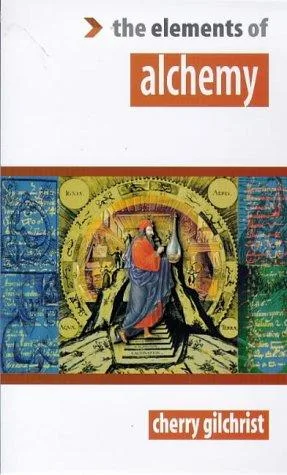
The elements of alchemy
 61
61

The elements of alchemy



Cherry Gilchrist's 'The Elements of Alchemy' is a masterclass in esoteric insights, meticulously crafted to reveal the profound depths of alchemical symbolism. Gilchrist's work stands out for its clarity and depth, making it an essential read for those seeking to understand the mystical underpinnings of alchemy. The book is particularly strong in its exploration of the philosophical significance of alchemical processes, providing a rich context for both beginners and advanced practitioners. Its authoritative tone and comprehensive coverage make it a must-have for anyone interested in the occult and Hermetic traditions.
📝 Description
61
Cherry Gilchrist's 'The Elements of Alchemy' examines the symbolism and philosophy of the alchemical tradition.
This book by Cherry Gilchrist details the symbolic language and philosophical underpinnings of alchemy. It examines how alchemists understood the transformation of matter as a parallel to spiritual change. Gilchrist discusses core alchemical concepts, including the four elements, the Great Work, and the search for the elixir of life. The text aims to clarify the often obscure terminology and imagery found in alchemical literature. It presents alchemy not just as a proto-chemistry but as a system of spiritual development and self-knowledge.
The author connects alchemical practices and theories to broader esoteric traditions. Readers will find explanations of the symbolic meanings behind metals, planets, and laboratory equipment. The book also touches upon the historical context of alchemy, its rise, and its eventual separation from empirical science. Gilchrist's approach seeks to make the complex ideas of alchemy accessible to those interested in Western esotericism.
Alchemy, as a Western esoteric tradition, historically served as both a practical art and a spiritual philosophy. 'The Elements of Alchemy' situates itself within this lineage, tracing the symbolic meanings and philosophical goals that extended beyond mere material transmutation. It connects alchemical concepts to broader Hermetic thought and the pursuit of spiritual enlightenment, viewing the alchemical process as a metaphor for psychological and spiritual development. The book aims to interpret the arcane language and imagery that characterized this field for centuries, placing it within a context of seeking hidden knowledge.
💡 Why Read This Book?
Read 'The Elements of Alchemy' to gain a deeper understanding of the mystical and esoteric practices that have shaped human thought for millennia. Ideal for seekers, scholars, and practitioners of alchemy, this book offers a comprehensive guide to the symbolism and philosophy behind the alchemical process. Discover the hidden knowledge that has inspired generations of mystics and occultists, and unlock the secrets of inner transformation and spiritual enlightenment.
⭐ Reader Reviews
Honest opinions from readers who have explored this book.
❓ Frequently Asked Questions
What is the primary focus of 'The Elements of Alchemy'?
The book focuses on the mystical and esoteric aspects of alchemy, exploring its symbolism, philosophy, and historical significance.
Who is the intended audience for this book?
This book is intended for seekers of esoteric knowledge, scholars of Hermeticism, and practitioners of alchemy.
What makes 'The Elements of Alchemy' unique?
The book stands out for its comprehensive coverage of alchemical symbolism and its deep philosophical insights, making it a valuable resource for both beginners and advanced practitioners.
Is this book suitable for beginners?
Yes, while it offers advanced insights, the book is written in a way that makes it accessible to beginners in the field of alchemy.
What historical context does the book provide?
The book delves into the historical significance of alchemy, exploring its influence on various cultures and its enduring impact on modern esoteric practices.
🔮 Key Themes & Symbolism
Transformation
At the heart of alchemy lies the theme of transformation, both physical and spiritual. Gilchrist explores how the alchemical process mirrors the journey of self-discovery and inner alchemy, offering readers a path to spiritual enlightenment.
Symbolism
The book looks at the strong symbolism of alchemy, revealing the hidden meanings behind ancient symbols and their relevance to modern seekers of esoteric knowledge.
Philosophical Significance
Gilchrist's work provides a deep philosophical context for alchemy, exploring its influence on Hermetic traditions and its enduring relevance in the world of the occult.
💡 Key Ideas
Editorial paraphrase of the work's core concepts — not direct quotes.
Alchemy is the art of transformation, both of matter and of the self.
This quote underscores the dual nature of alchemy, emphasizing its role in both physical and spiritual transformation.
The seeker of alchemical knowledge must be willing to journey into the unknown.
This line highlights the courage required to explore the mystical and esoteric domains of alchemy.
Symbols are the language of the soul, speaking to us in ways that words cannot.
This passage emphasizes the importance of symbolism in alchemy, revealing its deep spiritual significance.
The alchemical process is a mirror of the journey of life, full of trials and triumphs.
This quote connects the alchemical process to the broader human experience, offering insights into personal growth and spiritual development.
In the crucible of alchemy, the base is transformed into the noble.
This line illustrates the transformative power of alchemy, highlighting its ability to elevate the ordinary to the extraordinary.
🌙 Esoteric Significance
Tradition
The book belongs to the Hermetic tradition, which emphasizes the unity of all things and the pursuit of spiritual enlightenment through esoteric knowledge. This tradition has deeply influenced Western occultism and continues to inspire seekers of hidden truths.
Symbolism
Key symbols in alchemy, such as the philosopher's stone and the ouroboros, are explored in depth, revealing their profound meanings and connections to the alchemical process. These symbols serve as guides for the spiritual journey of transformation.
Modern Relevance
Today, 'The Elements of Alchemy' remains relevant for modern practitioners of Hermeticism and the occult. Its insights into alchemical symbolism and philosophy continue to inspire seekers of esoteric knowledge, offering a pathway to inner transformation and spiritual enlightenment.
👥 Who Should Read This Book
Beginners in the field of alchemy will find this book an accessible and comprehensive introduction to the mystical and esoteric practices of the art. Scholars of Hermeticism will appreciate its deep philosophical insights and historical context. Spiritual seekers will be drawn to its exploration of transformation and inner alchemy, while practitioners of the occult will find valuable guidance in its symbolism and esoteric knowledge.
📜 Historical Context
Written during a time of renewed interest in esoteric traditions, 'The Elements of Alchemy' by Cherry Gilchrist provides a comprehensive overview of alchemical practices and their historical significance. The book was important when written because it offered a bridge between ancient alchemical wisdom and modern esoteric thought. Its influence can be seen in the growing interest in Hermeticism and the occult, making it a foundational text for contemporary seekers of hidden knowledge.
📔 Journal Prompts
How does the concept of transformation in alchemy relate to your personal journey?
What symbols in the book resonate with you the most, and why?
In what ways can the alchemical process be applied to your spiritual practice?
How does the historical context of alchemy influence your understanding of its significance today?
What insights from 'The Elements of Alchemy' can you apply to your quest for inner transformation?
🗂️ Glossary
Philosopher's Stone
A legendary alchemical substance said to be capable of turning base metals into gold and granting immortality.
Ouroboros
A symbol depicting a serpent or dragon swallowing its own tail, representing the cycle of life and death, and the unity of all things.
Inner Alchemy
The process of spiritual transformation and self-discovery through the practice of alchemy.
Hermeticism
An esoteric tradition based on the writings of Hermes Trismegistus, emphasizing the unity of all things and the pursuit of spiritual enlightenment.
Alchemical Process
The series of steps and transformations involved in the practice of alchemy, aimed at achieving spiritual and physical enlightenment.
This book appears in 3 collections
🔮 Readers Also Liked
Browse all →





More by Cherry Gilchrist
All books →

From the “Hermeticism” Collection
View all →







More Free Alchemy & Hermeticism Books
View all →