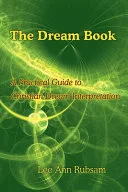
The Dream Book
 76
76

The Dream Book
Lee Ann Rubsam’s *The Dream Book* offers a compelling counter-narrative to the predominantly psychological frameworks that currently dominate dream analysis. By foregrounding the biblical tradition of divine communication through dreams, Rubsam challenges readers to reconsider their nocturnal experiences not as mere subconscious wanderings but as potential divine dialogues. The strength of the book lies in its earnest attempt to bridge the gap between ancient spiritual practice and modern personal experience. A notable limitation, however, is the book's singular focus on a specific theological interpretation, which may not resonate with those outside that particular faith tradition. The discussion around the 'divine encoding' of messages, while central, could benefit from more varied examples beyond direct biblical parallels to illustrate its broader applicability. Nevertheless, the work provides a valuable lens for those seeking to connect with a spiritual dimension through their dreams.
📝 Description
76
Lee Ann Rubsam's The Dream Book argues dreams are divine communications, not just subconscious events.
This volume approaches dreams not as random neurological occurrences or simple subconscious expressions, but as encoded messages from a higher power. Rubsam seeks to equip readers with tools to understand these symbolic communications. The book draws parallels between biblical narratives and contemporary dream experiences, aiming to reconnect individuals with the divine through nocturnal visions.
The Dream Book is for those seeking a deeper spiritual understanding of their inner lives, especially those who feel drawn to prophetic or divine aspects of their dreams. It appeals to readers interested in theological dream interpretations, particularly within a Christian framework, as well as those with a wider interest in esoteric symbolism and spiritual guidance. Individuals who have experienced vivid or recurring dreams and seek a framework for their potential meaning beyond conventional psychology will find this work relevant.
Dream interpretation has a long history, dating back to ancient Egypt and Mesopotamia where dreams were seen as omens. Biblical figures like Joseph famously interpreted dreams, and early Christianity acknowledged prophetic dreams. Rubsam revisits this spiritual dimension, contrasting it with modern psychological theories like Freudian and Jungian analysis which often sideline divine interpretations. Her work reasserts the significance of dreams as a channel for spiritual insight and divine guidance.
💡 Why Read This Book?
• You will learn to identify potential divine messages within your dreams, moving beyond psychological interpretations to understand them as symbolic communications, as Rubsam outlines in her discussion of "divine encoding." • You will gain practical methods for interpreting dream symbolism through a spiritual lens, drawing from biblical precedents and contemporary examples provided in the text. • You will feel empowered to engage more actively with your subconscious, recognizing the potential for spiritual growth and guidance that the book suggests is available through dream work.
⭐ Reader Reviews
Honest opinions from readers who have explored this book.
❓ Frequently Asked Questions
What is the primary argument of The Dream Book regarding dreams?
The book argues that dreams are primarily a means by which God communicates with individuals, using symbolism and metaphor much like divine messages were conveyed in the Bible.
Who is Lee Ann Rubsam?
Lee Ann Rubsam is the author of The Dream Book, which was first published in 2020, exploring the spiritual and biblical aspects of dream interpretation.
How does The Dream Book relate to biblical dream interpretation?
It directly connects contemporary dream experiences to biblical accounts of God speaking through dreams, using figures like Joseph as examples of divine communication and interpretation.
What kind of symbolism does the book focus on?
The book emphasizes understanding the symbolic language of dreams as a form of divine encoding, suggesting that recognizing these symbols is key to deciphering God's messages.
Is The Dream Book suitable for non-religious readers?
While rooted in a biblical framework, the book's exploration of symbolism and divine communication might offer insights for those interested in spiritual growth, though its core interpretation is theological.
When was The Dream Book first published?
The Dream Book by Lee Ann Rubsam was first published in November 2020.
🔮 Key Themes & Symbolism
Divine Communication Channel
The central theme posits dreams as a direct line for divine communication, echoing biblical narratives where God spoke through visions. This perspective reframes dreams from random subconscious output to intentional messages from a higher power. The book explores how this divine dialogue functions, suggesting that God actively seeks to connect with individuals through their dream states, requiring a receptive and interpretive approach from the dreamer to engage with these spiritual transmissions. It encourages a view of dreams as sacred encounters ripe with meaning.
Symbolic Language of Dreams
This theme focuses on the inherent symbolic nature of dream content. It argues that divine messages are 'wrapped in symbolism' to test understanding and faith, necessitating an interpretive skill set. The book aims to decode these symbols, drawing parallels between biblical dream imagery and contemporary dream experiences. Understanding this symbolic language is presented as the key to unlocking the spiritual significance of dreams, transforming them from opaque experiences into clear divine guidance and revelation.
Reclaiming Prophetic Dreams
The work seeks to re-establish the validity and importance of prophetic dreams within a modern spiritual context. It challenges the secularization of dream interpretation, which often prioritizes psychological explanations over spiritual ones. By referencing biblical figures and accounts, the book advocates for a return to recognizing dreams as potential sources of prophecy and divine insight, encouraging readers to approach their dreams with reverence and a readiness to receive spiritual wisdom.
Personal Spiritual Engagement
This theme emphasizes the active role of the individual in their spiritual journey through dream interpretation. It's not enough to simply have dreams; one must actively engage with them, seeking their meaning and applying the divine wisdom received. The book promotes a personal discipline of dream recall and reflection, fostering a direct, personal relationship with the divine through the intimate space of one's dreams, thereby enhancing spiritual growth and connection.
💬 Memorable Quotes
Direct passages from the work, attributed to the author.
“What if they are really messages from God so wrapped in symbolism that you're not recognizing them for what they are?”
— This provocative question challenges the reader's assumptions about their dreams, suggesting that overlooked or dismissed nocturnal experiences might hold profound divine significance, obscured by a lack of understanding of symbolic language.
“Throughout the Bible, God spoke to His people through dreams, and He's still doing it today.”
— This statement asserts the continuity of divine communication through dreams across history, positioning biblical narratives not as ancient relics but as ongoing patterns of divine interaction relevant to contemporary believers.
“He wants to speak to YOU in this way!”
— This personalizes the concept of divine communication, implying a direct, individual relationship where God utilizes dreams as a specific and intentional method to connect with each person.
“The Dream Book gives [you the tools to understand].”
— This highlights the practical, instructional purpose of the book, promising readers the knowledge and methods necessary to effectively interpret their dreams as divine messages.
“5 Stars at Readers' Favorite!”
— This signifies critical acclaim from a recognized review platform, lending credibility and endorsement to the book's content and its reception by literary critics.
🌙 Esoteric Significance
Tradition
This work aligns with traditions that view dreams as a form of spiritual revelation, particularly within Abrahamic mysticism and certain esoteric Christian streams. It departs from purely psychological dream analysis, emphasizing a direct, divine source for dream content. While not strictly Hermetic or Kabbalistic in its primary framework, it shares with these traditions an understanding of hidden meanings and symbolic language as pathways to gnosis or divine knowledge. The emphasis on encoded messages speaks to Gnostic ideas of divine sparks needing to decipher spiritual truths.
Symbolism
The book likely engages with archetypal symbols common in spiritual dream interpretation. For instance, water might represent the subconscious or divine flow, while flying could symbolize spiritual transcendence or divine perspective. Animals often carry specific spiritual meanings, and biblical figures or narratives appearing in dreams are interpreted as direct divine messages or lessons. The core symbolism revolves around dreams themselves as a sacred space for divine encounter and revelation.
Modern Relevance
In an era saturated with digital information and often disconnected from traditional spiritual practices, *The Dream Book*'s emphasis on personal, internal revelation through dreams finds resonance. It speaks to contemporary seekers exploring Jungian archetypes, spiritual psychology, or direct divine guidance outside institutional religion. Thinkers and practitioners in fields like spiritual counseling, esoteric studies, and those interested in the intersection of faith and psychology may draw upon its perspective to validate and explore the spiritual dimension of dreams.
👥 Who Should Read This Book
• Individuals interested in exploring the spiritual dimensions of their dreams, particularly those who feel their dreams carry a message beyond the psychological, will find a framework for understanding divine communication. • Readers familiar with biblical narratives and seeking to connect those ancient accounts of prophetic dreams to their own contemporary experiences will gain a new perspective. • Those who feel disillusioned by purely psychological interpretations of dreams and are searching for a more faith-based or divinely-oriented approach to dream analysis will find this book offers a compelling alternative.
📜 Historical Context
The concept of divine dreams has roots stretching back to antiquity, with figures like Joseph in the Hebrew Bible (circa 1500 BCE) famously interpreting dreams for Pharaoh, a practice recognized within early religious traditions. By the Hellenistic period, dream interpretation flourished, often intertwined with oracles and prophetic pronouncements. Within Christianity, while interpretations varied, prophetic dreams were acknowledged, particularly in early church writings. However, the rise of Enlightenment rationalism and later, the dominance of Freudian psychoanalysis in the 20th century, largely relegated divine interpretations of dreams to the fringes of intellectual discourse. Lee Ann Rubsam's *The Dream Book*, published in 2020, emerges in a contemporary spiritual landscape where individuals increasingly seek meaning beyond purely secular or psychological frameworks. It directly challenges the prevailing skepticism towards supernatural interpretations, seeking to revive an older tradition of dream understanding that was more prevalent before figures like Sigmund Freud popularized his theories of the unconscious in the early 20th century.
📔 Journal Prompts
Reflect on a recurring symbol from your dreams and its potential divine meaning.
Consider the biblical accounts of dreams and how they mirror your own dream experiences.
Analyze a recent dream using the concept of 'divine encoding' presented in the book.
What personal messages do you believe God is sending you through your dreams?
Explore the emotional impact of viewing your dreams as divine communications.
🗂️ Glossary
Divine Communication
The act or process by which a divine entity (e.g., God) conveys messages, guidance, or revelations to individuals, often through non-ordinary means such as dreams or visions.
Symbolism
The use of symbols—objects, images, or actions—to represent abstract ideas or spiritual concepts, particularly as employed in dreams to convey divine messages.
Dream Encoding
The concept that divine messages within dreams are deliberately wrapped in symbolic language, requiring interpretation to be understood, similar to how information is encoded for transmission.
Prophetic Dreams
Dreams that are believed to contain foreknowledge of future events or provide divine guidance or warnings, as seen in various religious and spiritual traditions.
Spiritual Interpretation
The process of analyzing dream content through a spiritual or religious lens, seeking divine meaning, guidance, or revelation rather than solely psychological explanations.
Biblical Dream Accounts
Narratives found within the Bible where divine messages are conveyed through dreams, such as the dreams interpreted by Joseph for Pharaoh or the dreams of the Magi.
Receptive Dreaming
An approach to dreaming that emphasizes openness, attentiveness, and a willingness to receive and understand potential divine messages conveyed during sleep.