The Book of Were-Wolves
 80
80

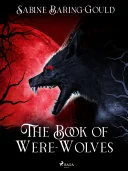
The Book of Were-Wolves
Sabine Baring-Gould’s 'The Book of Were-Wolves' remains a foundational text for anyone studying lycanthropy, a testament to its author's extensive research and encyclopedic approach. The sheer volume of collected anecdotes and historical references is impressive, offering a granular view of werewolf beliefs across centuries and geographies. One particularly striking section details the legal confessions and trials of individuals accused of shapeshifting in 16th-century France, painting a stark picture of judicial paranoia. However, the work's primary limitation is its 19th-century perspective; Baring-Gould often interprets folklore through a lens that prioritizes rational explanation, sometimes at the expense of the inherent symbolic or psychological truths within the myths themselves. His attempts to debunk or explain away the supernatural feel dated when compared to modern psychoanalytic or anthropological interpretations. Nevertheless, for its exhaustive cataloging of lore and historical instances, the book is an invaluable resource.
📝 Description
80
Sabine Baring-Gould published 'The Book of Were-Wolves' in 1865, analyzing lycanthropy beyond simple folklore.
Sabine Baring-Gould's 1865 book examines lycanthropy, moving past folklore to consider historical accounts and psychological aspects. The author traces werewolf legends across various cultures, from ancient Greek myths to medieval European trials. Baring-Gould collects numerous tales, analyzing the societal anxieties and belief systems that shaped these stories.
Published in the Victorian era, a time of scientific progress alongside renewed interest in the occult and medieval past, Baring-Gould's work addressed contemporary views on superstition. It appeared when figures like the Brothers Grimm collected folktales and psychological studies began to explore delusion. The book offered a scholarly yet accessible compilation on a subject often treated sensationally.
It analyzes lycanthropy through its mythological roots, documented historical instances, and the mental states of those who believed themselves to be werewolves. The work discusses the spread of werewolf lore, noting commonalities in different traditions. Baring-Gould also considers possible explanations for these beliefs.
Appearing in the Victorian era, 'The Book of Were-Wolves' engaged with a period that saw both scientific rationalism and a revived fascination with the supernatural. Baring-Gould's study of lycanthropy taps into a long tradition of exploring human-animal transformations and anxieties about the wild within society. The book situates itself within a growing interest in folklore and the darker aspects of belief, contributing to an understanding of how societies construct and interpret monstrous figures and their perceived realities.
💡 Why Read This Book?
• Gain an understanding of the historical legal proceedings and confessions related to lycanthropy, such as those documented from 16th-century France, offering concrete examples of societal fear and belief. • Explore the cross-cultural mythological roots of the werewolf, tracing its presence from ancient Greek narratives to Norse sagas, providing a broad comparative perspective. • Examine Baring-Gould's 19th-century attempts to psychologize werewolf beliefs, exploring early theories on delusion and self-identification that predate modern psychoanalysis.
⭐ Reader Reviews
Honest opinions from readers who have explored this book.
❓ Frequently Asked Questions
What historical periods does Baring-Gould's book cover regarding werewolf legends?
The book spans from ancient folklore, including Greek and Norse myths, through medieval European tales and into the 19th century, detailing historical accounts and trials of alleged lycanthropes.
Does 'The Book of Were-Wolves' offer practical advice for dealing with lycanthropy?
Yes, it includes 'tips and tricks for curing yourself of a werewolf conviction,' reflecting the historical context of seeking remedies for perceived afflictions.
What is the author's perspective on the psychological causes of werewolf beliefs?
Baring-Gould explores the dark psychological reasons why people might believe themselves to be part wolf, investigating delusion, societal anxieties, and potential mental states.
Is 'The Book of Were-Wolves' based on academic research or folklore collection?
It is a reference book that combines extensive folklore collection with an attempt at historical and psychological analysis, drawing from ancient myths, legends, and reported cases.
When was Sabine Baring-Gould's 'The Book of Were-Wolves' originally published?
The original publication date for Sabine Baring-Gould's 'The Book of Were-Wolves' was 1865.
What ancient myths are discussed in relation to werewolves?
The work references ancient Greek myths, such as tales involving Zeus transforming into a wolf, and explores the presence of shapeshifting figures in Norse mythology.
🔮 Key Themes & Symbolism
Folklore and Mythology
The book meticulously gathers werewolf legends from diverse cultural traditions, examining their origins and variations. It highlights common motifs found in Greek myths, Norse sagas, and later European folklore, illustrating how the archetype of the shapeshifter has been interpreted across different historical periods and belief systems. Baring-Gould treats these narratives not merely as fanciful tales but as reflections of deeper cultural anxieties and understandings of the human condition.
Historical Accounts and Trials
A significant portion of the work is dedicated to scrutinizing historical records, particularly legal proceedings and confessions from periods where belief in witchcraft and demonic pacts was prevalent. Baring-Gould analyzes documented cases of individuals accused of lycanthropy, especially during the witch trials of the 16th and 17th centuries in Europe. This provides a stark, often grim, perspective on how societal fears could lead to accusations and persecution.
Psychological Underpinnings
Beyond folklore and historical events, Baring-Gould probes the psychological dimensions of werewolf beliefs. He investigates the potential mental states, delusions, and self-perceptions that might lead individuals to believe they are transforming into wolves. This exploration touches upon early understandings of psychological disorders and the human tendency to identify with primal or animalistic forces, especially during times of stress or societal upheaval.
Cultural Diffusion of the Werewolf
The book examines how the concept of the werewolf spread and adapted across different geographical regions and cultures. By comparing narratives from various traditions, Baring-Gould identifies recurring patterns and unique local interpretations of shapeshifting. This comparative approach reveals the universality of certain archetypes and the ways in which different societies have grappled with the boundary between human and beast.
💬 Memorable Quotes
Direct passages from the work, attributed to the author.
“The belief in were-wolves has been found in all countries, and in all ages.”
— This statement underscores Baring-Gould's central thesis: that lycanthropy is not an isolated phenomenon but a persistent and widespread element of human belief systems across history and geography.
“The confessions of the accused were often extracted under torture.”
— This observation highlights the problematic nature of historical 'evidence' for lycanthropy, pointing to the role of coercion and extreme duress in generating confessions during periods of intense persecution.
“The wolf was often associated with the devil and demonic possession.”
— This interpretation reveals the theological and symbolic framework through which lycanthropy was understood in many historical contexts, linking the transformation to malevolent supernatural forces.
“Some men have believed themselves to be wolves, and behaved as such.”
— This points to the psychological aspect of lycanthropy, suggesting that belief alone could manifest in observable behaviors, blurring the lines between delusion and perceived reality.
“Ancient myths often feature gods or heroes who could assume animal forms.”
— This highlights the deep roots of shapeshifting lore, connecting the werewolf phenomenon to older mythological traditions where divine or heroic figures exhibited similar transformations.
🌙 Esoteric Significance
Tradition
While not strictly adhering to a single esoteric lineage, Baring-Gould's work touches upon themes resonant within Hermeticism and Western esotericism concerning the transformation of consciousness and the archetypal relationship between humanity and the primal forces of nature. It examines the human fascination with the 'other' – the beast within – which is a recurring motif in Gnostic explorations of the soul's journey and the shadow self. The book's focus on belief and perceived reality also aligns with magical traditions that emphasize the power of the mind in shaping experience.
Symbolism
The werewolf itself is a potent symbol of duality: the civilized human versus the wild, instinctual beast. It represents the breakdown of boundaries, the fear of the unknown within oneself and the external world, and the primal urge for freedom or savagery. The wolf form often symbolizes a connection to lunar cycles, the subconscious, and the untamed aspects of nature, serving as a powerful totem or anima figure for those undergoing internal or external transformations.
Modern Relevance
Contemporary practitioners of animism, shamanism, and certain branches of modern Paganism draw upon the archetypal imagery of the wolf, often reclaiming it as a symbol of strength, intuition, and connection to the wild. Baring-Gould’s work provides historical context for these modern interpretations, illustrating the deep-seated human fascination with the wolf archetype. Thinkers in Jungian psychology and those exploring shadow work continue to find relevance in the book's exploration of the psychological dimensions of believing oneself to be part animal.
👥 Who Should Read This Book
• Folklore and Mythology Enthusiasts: Readers eager to explore the origins and cross-cultural variations of werewolf legends, from ancient Greek myths to medieval European trials, will find a comprehensive catalog. • History of Belief Scholars: Those interested in the history of witchcraft, demonic possession, and societal anxieties during periods like the 16th and 17th centuries will benefit from the examination of historical accounts and trials. • Students of Psychology and Archetypes: Individuals fascinated by the psychological underpinnings of belief, delusion, and the human psyche's relationship with primal instincts will find Baring-Gould's early explorations insightful.
📜 Historical Context
Sabine Baring-Gould's 'The Book of Were-Wolves' emerged in 1865, a period of intense scholarly interest in folklore and comparative mythology, exemplified by the work of the Brothers Grimm. The Victorian era was simultaneously embracing scientific rationalism and indulging in a fascination with the medieval and the occult. Baring-Gould's text positioned itself as a serious investigation into lycanthropy, attempting to synthesize folklore, historical accounts, and nascent psychological theories. It appeared at a time when ethnographic and anthropological studies were gaining traction, seeking to understand societal beliefs from the inside out, though Baring-Gould’s approach often leaned towards debunking superstition through rational explanation. His work implicitly engaged with the intellectual currents that sought to explain away perceived irrationalities, contrasting with more romantic or spiritual interpretations of myth prevalent among some contemporaries. The book aimed to catalogue and analyze these beliefs, providing a comprehensive reference for a subject often relegated to the sensational or the superstitious.
📔 Journal Prompts
The historical werewolf trials documented in the 16th century.
The Greek mythological figures capable of shapeshifting.
Baring-Gould's analysis of psychological motivations for lycanthropy.
The symbolic meaning of the wolf across different cultural traditions.
The 'tips and tricks' for curing werewolf convictions mentioned by Baring-Gould.
🗂️ Glossary
Lycanthropy
The mythical or alleged condition of being a werewolf, involving the supposed ability to transform into a wolf or adopt wolf-like characteristics.
Werewolf
A mythological or folkloric human with the ability to shapeshift into a wolf, either purposely or after being placed under a curse or affliction.
Folklore
The traditional beliefs, customs, and stories of a community, passed through the generations by word of mouth.
Mythology
A collection of myths, especially one belonging to a particular religious or cultural tradition; the body of myths that exist about a person or subject.
Witch Trials
Historical persecutions, particularly in early modern Europe and colonial America, of persons accused of practicing witchcraft.
Delusion
An idiosyncratic belief or impression that is firmly maintained despite being contradicted by what is generally accepted as reality or rational argument.
Shapeshifting
The ability to transform oneself into a different form, typically that of an animal.
This book appears in 1 collection
🔮 Readers Also Liked
Browse all →








From the “Lycanthropy” Collection
View all →






More Free Occult Philosophy Books
View all →