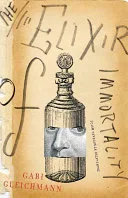
The Elixir of Immortality
 73
73

The Elixir of Immortality
Gabi Gleichmann's "The Elixir of Immortality" presents an ambitious scope, tracing a single family's millennia-long secret of eternal life. The novel excels in its depiction of the sheer weight of history and inherited obligation. Ari Spinoza's deathbed narration, attempting to encapsulate thirty-six generations of custodianship, is a compelling entry point. However, the narrative's vast temporal leaps occasionally dilute the emotional impact, making it difficult to fully connect with individual characters across such immense spans. The depiction of the manuscript's transmission, while central, feels more like a historical artifact than a living secret at times. The work grapples profoundly with the nature of legacy and the potential obsolescence of ancient knowledge in the face of mortality. It is a work that demands patience, rewarding the reader with a unique perspective on the passage of time and the endurance of familial burdens.
📝 Description
73
Gabi Gleichmann's novel traces the Spinoza family's secret quest for immortality from the 11th century to the present.
The Elixir of Immortality follows the Spinoza family across a thousand years as they guard a manuscript detailing a recipe for eternal life. The story begins with Ari Spinoza on his deathbed, receiving the weighty responsibility of passing this ancestral secret to the next generation, a duty incumbent upon thirty-six generations since the 11th century.
The narrative unfolds against the backdrop of European history, from the medieval period through eras of intellectual and social upheaval. The fictional Spinoza lineage encounters real historical events and societal changes, illustrating the persistent struggle to maintain a hidden tradition over vast stretches of time. The book examines the philosophical questions surrounding a life extended indefinitely, contrasting the desire for continued existence with the inevitability of death.
At its heart, the novel grapples with the nature of legacy, the weight of inherited secrets, and humanity's enduring fascination with immortality. The manuscript itself represents the continuous, though precarious, transfer of knowledge and a secret across generations.
This novel engages with the alchemical and mystical traditions that have long explored the possibility of prolonging human life. It touches upon the idea of a hidden, inherited body of knowledge, a common theme in esoteric lore where secret recipes or spiritual disciplines are passed down through select lineages. The manuscript functions as a tangible artifact of this secret tradition, mirroring the guarded transmission of texts within various occult and hermetic schools.
💡 Why Read This Book?
• Gain insight into the transmission of esoteric knowledge across generations, understanding how the Spinoza family manuscript, a secret held since the 11th century, is passed down through thirty-six generations. • Explore the philosophical quandaries of immortality, examining the personal and familial costs of such a legacy as embodied by Ari Spinoza's final narrative. • Witness how a fictional family's hidden tradition interacts with historical epochs, from the medieval era to modern times, revealing the pressures of secrecy.
⭐ Reader Reviews
Honest opinions from readers who have explored this book.
❓ Frequently Asked Questions
What is the central secret passed down by the Spinoza family?
The Spinoza family passes down a secret manuscript containing the recipe for immortality. This legacy has been maintained from father to son for thirty-six generations, beginning in the 11th century.
Who is Ari Spinoza and what is his role in the book?
Ari Spinoza is the last known descendant of the family tasked with safeguarding the immortality secret. The novel begins with him on his deathbed, initiating his narrative to pass on this legacy.
What historical periods does "The Elixir of Immortality" cover?
The novel spans approximately a thousand years of European and Jewish history, beginning in the 11th century and extending through various epochs up to the modern era.
Does the book provide a literal recipe for immortality?
While the manuscript containing a recipe for immortality is central to the plot, the book focuses more on the historical, familial, and philosophical implications of such a secret rather than a literal alchemical formula.
Is the Spinoza family in the book related to the philosopher Baruch Spinoza?
The novel uses the Spinoza name, evoking the philosopher, but the family and their secret are fictional creations by Gabi Gleichmann, distinct from the historical philosopher's life and works.
What is the primary conflict for the last descendant, Ari Spinoza?
Ari Spinoza's primary conflict is that he has no son to whom he can entrust the family's secret manuscript, the recipe for immortality, as he faces his own mortality.
🔮 Key Themes & Symbolism
The Burden of Legacy
The novel meticulously details the weight of a secret passed down through generations. The Spinoza family's custodianship of an immortality recipe, starting from the 11th century, becomes a profound inheritance. This theme examines how ancestral obligations shape individual lives and the potential for such a legacy to become a curse rather than a gift, especially when faced with the finality of death and the challenge of transmission, as seen with Ari Spinoza.
The Nature of Immortality
Beyond the physical act of achieving eternal life, the book probes its existential implications. It questions whether unending existence is desirable, particularly when it isolates individuals from the natural cycle of life and death. The narrative explores the potential for immortality to lead to detachment, ennui, or the corruption of ancient knowledge, contrasting the Spinoza family's secret with the broader human experience across centuries.
Transmission of Knowledge
The core of the story revolves around the precarious act of passing down a potent secret. The manuscript itself symbolizes this fragile chain, threatened by historical upheaval, familial disputes, and the simple passage of time. The novel illustrates the challenges inherent in preserving and transmitting esoteric knowledge, highlighting the risks of loss, misinterpretation, or the knowledge becoming obsolete, as Ari Spinoza grapples with his inability to continue the chain.
Family and Lineage
The Spinoza family's identity is inextricably linked to their unique secret. The narrative traces the lineage from its origins in the 11th century, showing how this shared inheritance defines their relationships, their history, and their place in the world. The story examines the pressures and expectations placed upon descendants, particularly the male heirs responsible for safeguarding the recipe, and the ultimate crisis when this line falters.
💬 Memorable Quotes
Direct passages from the work, attributed to the author.
“Thirty-six generations have guarded this secret, a millennium of whispers and hidden ink.”
— This statement expresses the immense temporal scale and the clandestine nature of the Spinoza family's legacy, emphasizing the long and secretive journey of their immortality manuscript.
“The end of my life is the beginning of my story's telling.”
— Ari Spinoza's dying words frame the narrative's structure, suggesting that his imminent death is the catalyst for revealing the family's ancient secret, turning his final moments into an act of transmission.
“History erodes even the most carefully guarded secrets.”
— This reflects the underlying tension in the novel: the struggle of the Spinoza family to maintain their ancient secret against the relentless forces of historical change and societal evolution over a thousand years.
“To live forever is to watch everyone you know turn to dust.”
— This interpretation of the narrative's theme underscores the profound isolation and sorrow that eternal life might entail, contrasting the potential longevity of the immortal with the transient nature of human relationships.
💡 Key Ideas
Editorial paraphrase of the work's core concepts — not direct quotes.
Immortality is not a gift, but a custodianship.
This paraphrased sentiment highlights the novel's exploration of eternal life not as a passive reward, but as an active, ongoing responsibility and burden carried by the Spinoza lineage.
🌙 Esoteric Significance
Tradition
The work taps into the perennial quest for immortality found across various esoteric traditions, most notably alchemy and Hermeticism, which seek transformative processes for physical and spiritual perfection. While not strictly adhering to a single lineage, the Spinoza family's secret manuscript and their pursuit of eternal life align with the alchemical goal of the Philosopher's Stone or Elixir Vitae, representing a hidden, handed-down gnosis.
Symbolism
The central symbol is the manuscript itself, representing inherited knowledge, the burden of secrets, and the fragile chain of transmission. The Spinoza family lineage symbolizes the enduring human desire for transcendence and control over mortality. The recurring motif of the passage of time, contrasted with the static goal of immortality, highlights the tension between natural cycles and unnatural prolongation of existence.
Modern Relevance
In contemporary discussions around transhumanism and life extension, "The Elixir of Immortality" offers a historical, philosophical counterpoint. It prompts reflection on the ethical and existential costs of achieving immortality, resonating with modern concerns about the potential dehumanizing effects of radical life extension technologies and the value of finite human existence.
👥 Who Should Read This Book
• Readers interested in historical fiction that incorporates speculative or esoteric elements, particularly those fascinated by long-running family sagas and hidden legacies. • Individuals exploring philosophical themes of mortality, legacy, and the nature of existence, seeking a narrative that spans centuries to examine these concepts. • Those drawn to narratives about secret knowledge and ancient traditions, curious about how such secrets might be preserved and transmitted through historical upheaval.
📜 Historical Context
Gabi Gleichmann's "The Elixir of Immortality" emerged in 2013, a period where historical fiction often explored grand narratives and hidden lineages. While not directly engaging with contemporary esoteric movements, its premise echoes earlier fascination with alchemical secrets, akin to the themes explored by authors like Umberto Eco in "Foucault's Pendulum" (1988), which similarly examined secret societies and esoteric lore. The novel situates its fictional Spinoza family's quest for immortality against the backdrop of over a thousand years of European and Jewish history, touching upon periods of both intellectual flourishing and intense persecution. The work implicitly contrasts the family's secret, potentially Gnostic or Hermetic, pursuit of life extension with mainstream religious doctrines that emphasize mortality and the afterlife. Its reception was generally positive, noted for its ambition and scope, though some critics pointed to the challenge of sustaining emotional connection across such vast temporal distances.
📔 Journal Prompts
The Spinoza family's millennium-long custodianship of the immortality manuscript.
Ari Spinoza's final narrative as a means of legacy transmission.
The contrast between historical flux and the static goal of eternal life.
The potential isolation and burden of immortality.
Reflecting on the concept of a thousand-year-old secret.
🗂️ Glossary
The Manuscript
The secret document passed down through thirty-six generations of the Spinoza family, containing the recipe for immortality and serving as the central artifact of their legacy.
Thirty-six Generations
The specific number of generations the Spinoza family has guarded the secret, spanning approximately one thousand years from the 11th century to the present narrative.
Elixir of Immortality
The legendary substance or recipe detailed in the manuscript, believed to grant eternal life, representing the ultimate goal and burden of the Spinoza family.
Ari Spinoza
The final known descendant of the Spinoza lineage, who initiates the narrative from his deathbed, facing the crisis of not having a son to inherit the family's secret.
Custodianship
The role and responsibility undertaken by each Spinoza heir to protect and preserve the secret manuscript and its contents across centuries.
European and Jewish History
The broad historical backdrop against which the Spinoza family's secret unfolds, encompassing centuries of societal changes, cultural developments, and periods of both integration and persecution.
Deathbed Narrative
The narrative structure initiated by Ari Spinoza at the end of his life, serving as his final act of transmission and storytelling.