The Book of Tea
 80
80

The Book of Tea
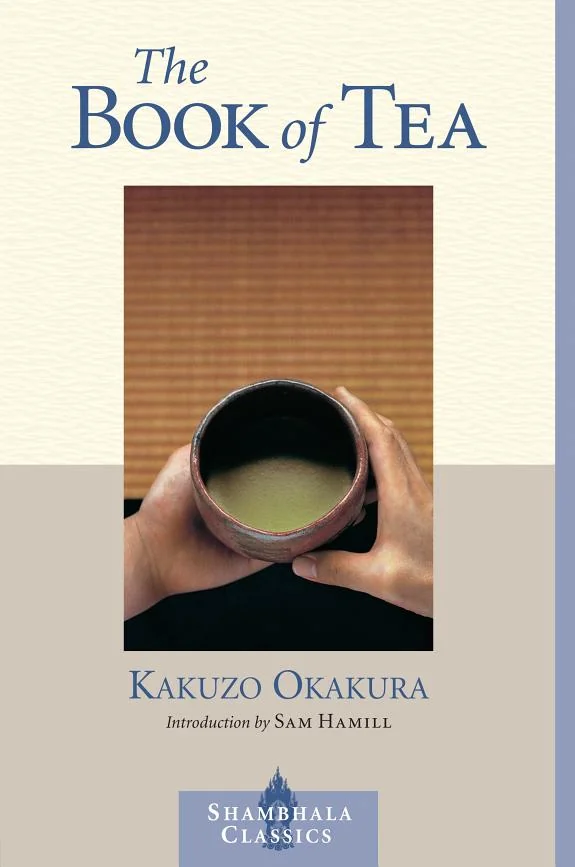
Kakuzō Okakura’s The Book of Tea offers a unique window into a cultural practice elevated to an art form. Rather than a dry historical account, Okakura crafts an essay that celebrates the aesthetic and spiritual dimensions of the Japanese tea ceremony. He masterfully connects the ritual to broader philosophical currents, particularly Taoism and Zen Buddhism, presenting it as a path to tranquility and a deeper appreciation of life. The work’s strength lies in its lyrical prose and its ability to evoke the serene atmosphere of the tea room, making complex philosophical ideas accessible. A particularly striking passage details the significance of the tea bowl, emphasizing its role in fostering connection and humility. However, the book's original publication in English for a Western audience in 1906, while a feat of cultural diplomacy, occasionally leads to explanations that might feel introductory to those already steeped in East Asian philosophy. Despite this, Okakura's exploration of "Wabi"—the beauty of imperfection—remains a potent concept for contemporary readers. The Book of Tea is a valuable, if somewhat romanticized, introduction to a profound cultural philosophy.
📝 Description
80
Published in 1906, Kakuzō Okakura's The Book of Tea uses tea ceremony to explore Japanese aesthetics and spirituality.
Kakuzō Okakura wrote The Book of Tea in 1906, presenting the Japanese "Way of Tea" not simply as a beverage ritual but as a philosophy of life. He connects the practice to core principles of harmony, respect, purity, and tranquility, drawing lines from its Taoist and Buddhist origins in China to its development in Japan. Okakura employs the act of preparing tea as a means to discuss broader ideas about art, nature, and human relationships, advocating for a more deliberate and aesthetically aware engagement with daily existence.
The book is for anyone interested in the intersection of culture, philosophy, and aesthetics, particularly those seeking to grasp the historical and spiritual roots of Asian traditions, especially the Japanese tea ceremony. Readers drawn to contemplative practices, mindfulness, and the appreciation of art and nature will find it meaningful. It also serves scholars of comparative religion, cultural history, and those interested in Zen Buddhism and Taoism, showing how ritual can shape everyday life.
The Book of Tea emerges from a tradition where everyday practices are imbued with spiritual and philosophical meaning. It connects the ritual of tea to ancient Eastern contemplative paths, specifically Taoism and Buddhism, which seek enlightenment through mindful engagement with the present moment. Okakura frames the tea ceremony as a vehicle for cultivating inner peace and appreciating the subtle beauty in the mundane, aligning with esoteric goals of spiritual transformation through disciplined action and aesthetic awareness.
💡 Why Read This Book?
• Understand the philosophy of Wabi: Learn how the concept of finding beauty in imperfection, as discussed in relation to tea bowls and tea houses, can foster a deeper appreciation for the natural world and simple objects. • Explore the Taoist and Zen roots of a ritual: Discover how ancient Chinese Taoism and Japanese Zen Buddhism inform the principles of harmony, respect, purity, and tranquility central to the Way of Tea. • Appreciate the integration of arts: Grasp how architecture, pottery, and floral arrangement are intentionally combined within the tea ceremony, as detailed in the sections on the tea room and its accoutrements, to create a unified aesthetic experience.
⭐ Reader Reviews
Honest opinions from readers who have explored this book.
❓ Frequently Asked Questions
When was The Book of Tea originally published?
The Book of Tea was first published in 1906. Kakuzō Okakura wrote it in English specifically for a Western audience to foster cross-cultural understanding of Japanese aesthetics and philosophy.
What is the philosophical concept of 'Wabi' as presented in the book?
Wabi, as explored in The Book of Tea, refers to an aesthetic and philosophical ideal that embraces imperfection, transience, and simplicity. It finds beauty in the natural, the aged, and the unpretentious, contrasting with ostentatious displays of wealth or perfection.
How does Taoism influence the Way of Tea?
The work highlights Taoism's emphasis on living in harmony with nature, simplicity, and balance. This influence is evident in the tea ceremony's focus on natural materials, tranquil settings, and the appreciation of the present moment, reflecting Taoist ideals of effortless action (Wu Wei).
What role does Zen Buddhism play in the tea ceremony?
Zen Buddhism's principles of mindfulness, impermanence, and the pursuit of enlightenment through everyday actions are central. The tea ceremony becomes a form of active meditation, encouraging practitioners to be fully present and aware, transcending the mundane through ritual.
Who was Kakuzō Okakura and why did he write this book?
Kakuzō Okakura (1862–1913) was a Japanese scholar, art historian, and curator. He wrote The Book of Tea to introduce Westerners to the spiritual and aesthetic significance of Japanese culture, particularly the tea ceremony, amidst a period of rapid modernization and international engagement.
What are the four principles of the Japanese tea ceremony mentioned by Okakura?
Okakura elaborates on four fundamental principles derived from Zen Buddhism that guide the Way of Tea: Harmony (Wa), Respect (Kei), Purity (Sei), and Tranquility (Jaku). These principles aim to cultivate inner peace and mindful interaction.
🔮 Key Themes & Symbolism
The Way of Tea as Art
Okakura presents the Japanese tea ceremony not as a mere social custom but as a comprehensive art form that integrates philosophy, aesthetics, and daily life. The "Way of Tea" encompasses the meticulous design of the tea room, the choice of pottery, the arrangement of flowers, and the very manner in which tea is prepared and served. Each element is imbued with meaning, intended to cultivate an atmosphere of serenity and mindfulness. The book details how this ritualistic practice serves as a vehicle for appreciating beauty in simplicity and fostering a deeper connection with both nature and fellow humans.
Wabi: Beauty in Imperfection
A central tenet explored is Wabi, the Japanese aesthetic that finds profound beauty in imperfection, asymmetry, and the natural processes of aging. Okakura uses examples like a cracked tea bowl or a weathered tea house to illustrate how these seemingly flawed objects possess a deeper character and authenticity. This concept, rooted in Zen Buddhist principles, encourages a shift in perception, valuing the genuine and the understated over the polished and the superficial. It advocates for an appreciation of the transient nature of existence and the subtle elegance found in the unadorned.
Harmony with Nature and Taoism
The influence of Taoism is palpable throughout The Book of Tea, particularly in its emphasis on living in accordance with the natural order. Okakura draws parallels between Taoist philosophy and the tea ceremony's reverence for nature. The tea room is often designed to blend seamlessly with its surroundings, incorporating natural elements and evoking a sense of being in harmony with the landscape. This connection promotes a mindful existence, encouraging individuals to find balance and simplicity by observing and emulating the effortless flow of the natural world.
Zen Buddhism and Mindfulness
The spiritual core of the tea ceremony, as described by Okakura, is deeply intertwined with Zen Buddhism. The practice is presented as a form of active meditation, demanding complete presence and awareness from both the host and the guests. The meticulous, deliberate actions involved in preparing and serving tea cultivate mindfulness, helping participants to transcend everyday concerns and achieve a state of mental clarity and tranquility. The ceremony embodies Zen ideals of simplicity, direct experience, and the realization of the sacred in the ordinary.
💬 Memorable Quotes
Direct passages from the work, attributed to the author.
“Tea began to be regarded as a symbol of the aesthetic of the infinite and the absolute.”
— This statement captures Okakura's view of tea's elevated status. It suggests that the simple act of drinking tea transcends its physical form, becoming a conduit for contemplating profound philosophical concepts like infinity and the ultimate reality, as understood within Eastern spiritual traditions.
“The philosophy of tea is essentially the aesthetic of the human world.”
— Okakura posits that the principles governing the tea ceremony—harmony, respect, purity, and tranquility—are not confined to this ritual. Instead, they represent fundamental ideals for human interaction and societal organization, suggesting that a mindful, aesthetic approach to life can lead to a more harmonious existence.
“Simplicity was the keynote of the aesthetic of our ancestors.”
— This highlights a core value Okakura seeks to convey: the appreciation of simplicity as a high form of aesthetic expression, particularly in contrast to later, more elaborate styles. It connects this ideal to ancient traditions, suggesting it represents a purer, more fundamental form of beauty.
“The tea-room is a sanctuary where one may leave the cares of the world behind.”
— This interpretation underscores the function of the tea room as a space for spiritual and mental respite. It’s a deliberate refuge designed to foster introspection and peace, allowing individuals to disconnect from external pressures and reconnect with themselves and the present moment.
“The art of appreciating a tea-bowl lies in understanding its history and the hands that shaped it.”
— Okakura emphasizes that the value of an object, like a tea bowl, is not solely in its material worth but in its narrative and the human touch involved in its creation. This perspective encourages a deeper, more mindful engagement with objects, recognizing the stories and craftsmanship they embody.
🌙 Esoteric Significance
Tradition
The Book of Tea functions as a bridge between Eastern philosophical traditions and Western esoteric sensibilities. While not strictly adhering to any single Western lineage like Hermeticism or Theosophy, it draws heavily on Taoism and Zen Buddhism, both of which possess esoteric dimensions focused on direct experience, inner transformation, and the realization of ultimate reality. Okakura presents the Way of Tea as a practical method for cultivating these states, aligning with the broader esoteric goal of achieving spiritual enlightenment through disciplined practice and refined perception.
Symbolism
The tea ceremony is rich with symbolism. The tea bowl itself is a potent symbol of humility and connection; its imperfections (Wabi) speak to the transient and authentic nature of existence. The tea room, often minimalist and integrated with nature, symbolizes a sanctuary for mindfulness and detachment from the material world, echoing Taoist ideals of simplicity. Water, a key element in tea preparation, represents purity and the flow of life, cleansing the spirit and facilitating clarity.
Modern Relevance
Contemporary mindfulness practices, minimalist design movements, and the interest in slow living echo many of the principles Okakura articulated. Thinkers and practitioners in fields ranging from contemplative studies to art therapy find value in his articulation of Wabi and the integration of aesthetic principles into daily life. The book continues to inform discussions on cultural diplomacy and the search for meaning in a fast-paced, technologically driven world, serving as a touchstone for those seeking balance and a deeper appreciation of the present moment.
👥 Who Should Read This Book
• Students of Zen Buddhism and Taoism: Those seeking to understand the practical application of these philosophies in a cultural ritual will find detailed insights into how principles like mindfulness and harmony with nature are embodied. • Aspiring practitioners of Japanese arts: Individuals interested in ikebana, pottery, or Japanese garden design will benefit from understanding the aesthetic philosophy that underpins these disciplines as presented in the context of the tea ceremony. • Seekers of mindful living and aesthetics: Readers drawn to contemplative practices, the appreciation of simple beauty, and the integration of art into everyday life will discover a framework for cultivating tranquility and aesthetic awareness.
📜 Historical Context
Published in 1906, The Book of Tea emerged during a key moment for Japan, as it navigated rapid modernization and increased international engagement following the Meiji Restoration. Kakuzō Okakura, a key figure in promoting Japanese art and culture abroad, penned the work in English, aiming to present a sophisticated understanding of Japanese aesthetics and philosophy to a Western audience often swayed by simplistic or exoticized views. He was influenced by his association with Ernest Fenollosa, an American scholar who championed Japanese art. The book offered a counter-narrative to the burgeoning image of Japan as solely a military or industrial power, instead highlighting its deep artistic and spiritual traditions. This was particularly relevant as Western perceptions of Japan were often shaped by events like the Russo-Japanese War (1904-1905) and the nation’s exhibition at international fairs, where superficial displays could overshadow profound cultural insights.
📔 Journal Prompts
The tea room as a sanctuary: How does the concept of leaving the 'cares of the world behind' apply to your personal space?
The aesthetic of the human world: Reflect on how principles of Harmony, Respect, Purity, and Tranquility manifest in your daily interactions.
Wabi in everyday objects: Identify an object in your possession that embodies the beauty of imperfection, similar to Okakura's examples of tea bowls.
The art of tea preparation: Consider how the deliberate, mindful actions described in the Way of Tea could inform a simple daily ritual you perform.
Nature's influence on aesthetics: How can incorporating elements inspired by nature, as seen in the tea garden, enhance your sense of well-being?
🗂️ Glossary
Chadō
Literally 'The Way of Tea,' this refers to the traditional Japanese tea ceremony, a ritualized art form that emphasizes aesthetics, mindfulness, and spiritual discipline.
Wabi
An aesthetic and philosophical concept in Japanese culture that values simplicity, imperfection, asymmetry, and the natural processes of aging, finding beauty in the understated and the unpretentious.
Taoism
An ancient Chinese philosophy and religion emphasizing living in harmony with the Tao (the Way), characterized by simplicity, naturalness, and effortless action (Wu Wei).
Zen Buddhism
A school of Mahayana Buddhism that emphasizes meditation, direct experience, and the attainment of enlightenment through mindful practice and insight into one's own nature.
Harmony (Wa)
One of the four core principles of the tea ceremony, representing the ideal of peaceful coexistence, unity, and agreement among people and with nature.
Respect (Kei)
Another core principle of the tea ceremony, signifying sincere deference and consideration towards others, objects, and the ritual itself.
Purity (Sei)
A principle in the tea ceremony that refers to both physical cleanliness and spiritual purity, encouraging a clean heart and mind free from worldly distractions.
Tranquility (Jaku)
The ultimate aim of the tea ceremony, representing a state of profound inner peace, serenity, and calm achieved through the practice of the other principles.
This book appears in 1 collection
🔮 Readers Also Liked
Browse all →








From the “Zen Buddhism” Collection
View all →








More Free Occult Philosophy Books
View all →