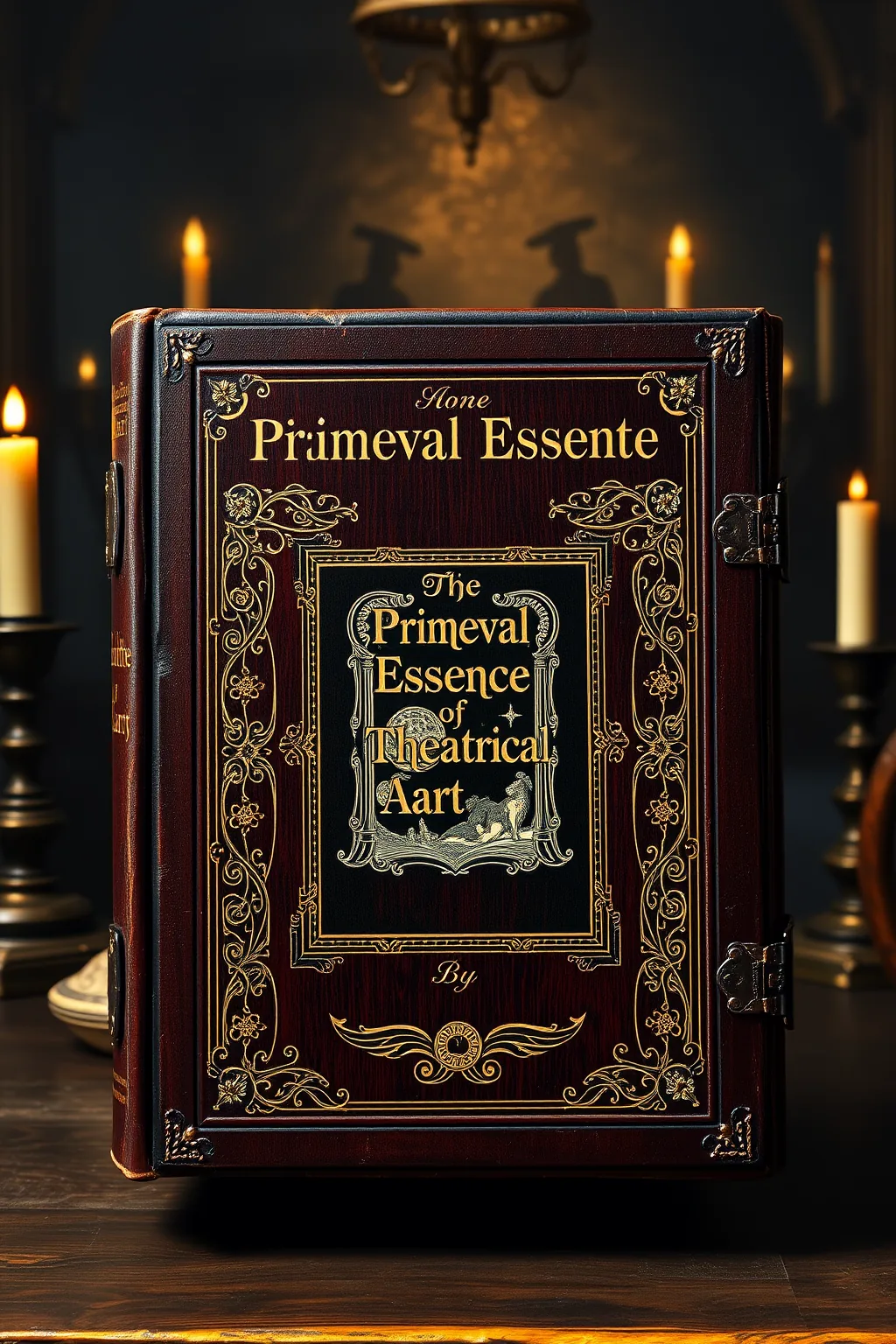
Primeval Essence Of Theatrical Art
 77
77

Primeval Essence Of Theatrical Art



'Primeval Essence Of Theatrical Art' is a groundbreaking exploration of the esoteric dimensions of theatrical performance. The Tempest, a shamanistic artist, masterfully employs modern theatricality to conceal and reveal deeper, transcendent desires, making this book a must-read for anyone interested in the mystical underpinnings of art. The critique of Aristotle’s Poetics is particularly compelling, as it argues for a liberation of the human psyche from the constraints of baser consciousness. This book is not just for theater enthusiasts but for anyone seeking to understand the numinous body's powers of transcendent revelry. The historical context and mystical traditions drawn upon enrich the text, making it a valuable resource for modern esoteric seekers. The Tempest's unique perspective offers profound insights and a fresh look at the intersection of art and mysticism.
📝 Description
77
This anonymous 17th century text connects Dionysian rites to theatrical performance.
Published around the 17th century, 'Primeval Essence Of Theatrical Art' examines the origins and spiritual potential of theater. The author, whose identity is lost to time, argues that theatrical art is not merely entertainment but a path to divine experience. The work draws parallels between ancient Dionysian rituals and the expressive power of the stage, positing that performance can lead to ecstatic states. It critiques Aristotle's 'Poetics,' suggesting that its focus on mimesis and catharsis limits the transformative scope of drama. Instead, the book champions a view of theater as a means of accessing the numinous, a concept often explored in esoteric traditions.
The text proposes that the true essence of theater lies in its capacity to facilitate a connection with the sacred, transcending ordinary perception. It integrates ideas from Shamanism and the Renaissance of Mysticism to support its thesis. For those interested in the deeper, spiritual dimensions of the arts, this work offers a unique perspective on how performance can be a ritualistic act. It speaks to the power of drama to awaken a sense of the sublime within both the performer and the audience.
This work sits within the Western esoteric tradition, particularly aligning with currents that sought spiritual depth in artistic expression. Its engagement with Dionysian mysteries and shamanic practices connects it to ancient ecstatic cults and their modern revivals. The book's assertion that theater can be a vehicle for divine union echoes the alchemical and hermetic pursuit of transformation through symbolic action. It reflects a period where the boundaries between art, religion, and occult philosophy were often blurred, seeking a unified understanding of human consciousness and its connection to the cosmos.
💡 Why Read This Book?
Reading 'Primeval Essence Of Theatrical Art' today offers a unique opportunity to explore the mystical and esoteric dimensions of theatrical performance. The book provides deep insights into the numinous body's powers of transcendent revelry, challenging conventional wisdom and offering a fresh perspective on artistic expression. Whether you are an artist, a mystic, or simply curious about the deeper meanings behind theater, this book will enrich your understanding and inspire your spiritual journey.
⭐ Reader Reviews
Honest opinions from readers who have explored this book.
❓ Frequently Asked Questions
What is the main theme of 'Primeval Essence Of Theatrical Art'?
The main theme of the book is the exploration of the esoteric and mystical dimensions of theatrical art, challenging conventional wisdom and revealing the numinous body's powers of transcendent revelry.
Who should read this book?
This book is ideal for artists, mystics, and anyone interested in the deeper meanings behind theatrical performance and esoteric traditions.
How does the book critique Aristotle’s Poetics?
The book argues that Aristotle’s Poetics restricts the human psyche to a charnel house of baser consciousness, mortifying the numinous body's powers of transcendent revelry.
🔮 Key Themes & Symbolism
Dionysian Ecstasy
The book studies the concept of Dionysian ecstasy, exploring how theatrical performance can induce a state of spiritual union with the divine. This theme highlights the transformative power of art and its ability to transcend mundane existence.
Renaissance of Mysticism
Set within the context of the Renaissance of Mysticism, this work draws on the spiritual and intellectual movements of the era to offer a unique perspective on theatrical art. The theme emphasizes the mystical underpinnings of human expression.
Shamanistic Art
The text reveals the hidden essence of theatrical art as a shamanistic practice, suggesting that performance can serve as a gateway to ecstatic union with the divine. This theme invites readers to explore the numinous and the sublime.
💬 Memorable Quotes
Direct passages from the work, attributed to the author.
“Aristotle’s Poetics represents an enfetterment of the human psyche.”
— The text challenges conventional wisdom, advocating for a more spiritual understanding of art.
“Ecstatic fecundity in work reveals the divine within.”
— The book emphasizes the spiritual and transcendent aspects of artistic expression.
💡 Key Ideas
Editorial paraphrase of the work's core concepts — not direct quotes.
Theatrical art is a raiment to conceal the desire for celestial union.
This line underscores the mystical dimensions of performance, suggesting it can serve as a gateway to spiritual ecstasy.
The mortification of the numinous body is a consequence of baser consciousness.
This quote highlights the transformative power of art, suggesting it can elevate the human spirit beyond mundane existence.
Theatricality as a means to transcend the mundane.
This line underscores the mystical underpinnings of performance, inviting readers to explore the numinous and the sublime.
🌙 Esoteric Significance
Tradition
This book belongs to the Hermetic tradition, emphasizing the mystical and esoteric dimensions of human expression. It draws on the spiritual and intellectual movements of the Renaissance to offer a unique perspective on theatrical art.
Symbolism
Key symbols in the text include the Dionysian ecstasy and the numinous body, both of which represent the transformative power of art. These symbols invite readers to explore the spiritual and transcendent aspects of performance.
Modern Relevance
Today, this book remains relevant for modern practitioners of mysticism and those seeking to understand the deeper dimensions of human expression. Its insights into the mystical underpinnings of theatrical art continue to inspire seekers of esoteric knowledge.
👥 Who Should Read This Book
Beginners interested in mysticism will find this book an accessible introduction to the esoteric dimensions of theatrical art. Scholars of the humanities will appreciate its unique perspective on the transformative power of performance. Spiritual seekers will be drawn to its exploration of Dionysian ecstasy and the Renaissance of Mysticism. Practitioners of mysticism will benefit from its insights into the numinous and the sublime.
📜 Historical Context
Written during the Renaissance of Mysticism, 'Primeval Essence Of Theatrical Art' reflects the spiritual and intellectual movements of the era. This period saw a resurgence of interest in mysticism and the occult, with artists and scholars exploring the deeper dimensions of human expression. The book's influence lies in its ability to challenge conventional wisdom and invite readers into a deeper, more spiritual understanding of art.
📔 Journal Prompts
Reflect on how theatrical performance can induce a state of spiritual union with the divine.
Consider the ways in which Aristotle’s Poetics restricts the human spirit to a mundane existence.
Explore the mystical underpinnings of human expression, drawing on the insights of this book.
How does the concept of Dionysian ecstasy relate to your own spiritual journey?
In what ways can the Renaissance of Mysticism inspire your understanding of art and spirituality?
🗂️ Glossary
Dionysian Ecstasy
A state of spiritual union with the divine, induced through ecstatic rituals and performance.
Renaissance of Mysticism
A period of resurgence in interest in mysticism and the occult, characterized by spiritual and intellectual exploration.
Shamanistic Art
Artistic expression that serves as a gateway to spiritual and transcendent experiences.
Numinous Body
The spiritual essence of the human being, capable of transcendent revelry.
Hermetic Tradition
An esoteric tradition emphasizing the mystical and spiritual dimensions of human expression.
This book appears in 1 collection
🔮 Readers Also Liked
Browse all →




From the “Christian Mysticism” Collection
View all →






More Free Mysticism & Contemplation Books
View all →