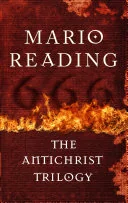
The Antichrist Trilogy
 78
78

The Antichrist Trilogy
Mario Reading's 'The Antichrist Trilogy' offers a compelling, if speculative, reading of Nostradamus's quatrains, focusing intently on the concept of the 'Three Antichrists'. The strength lies in Reading's ability to draw seemingly coherent links between historical titans like Napoleon and Hitler and the cryptic verses. His depiction of a secret society actively involved with these figures adds a layer of conspiratorial intrigue that, while familiar, is executed with a narrative drive that keeps the pages turning. However, the work occasionally falters under the weight of its own ambition. The extrapolation to the 'third Antichrist' can feel more like a creative leap than a rigorously argued conclusion, relying heavily on an interpretation of prophecy that some may find overly flexible. A particularly striking passage details how Napoleon's campaigns might be seen as a deliberate, albeit dark, preparation for the 'new order' prophesied, framing him not just as a conqueror but as a pawn in a cosmic game. Ultimately, 'The Antichrist Trilogy' is an imaginative and provocative work for devotees of prophetic lore, though its conclusions require a significant suspension of disbelief.
📝 Description
78
Mario Reading's 2013 book connects Napoleon and Hitler to Nostradamus's prophecies.
Mario Reading's The Antichrist Trilogy examines the prophecies of Nostradamus, specifically focusing on the seer's predictions of three Antichrists. Reading links Napoleon Bonaparte and Adolf Hitler to this prophetic framework, suggesting their historical roles align with cryptic verses. The book posits that a secret society may have influenced the rise and impact of these figures, presenting an argument for an underlying agenda shaping world events across centuries. It does not aim to provide definitive historical accounts but rather encourages readers to consider alternative interpretations of past events and potential future developments. This work is for those interested in the intersection of prophecy, history, and conspiracy theories, particularly those drawn to Nostradamus's writings and their potential applications to historical figures and future possibilities. Readers who enjoy speculative history, occult investigations, and analyses of secret societies will find much to consider within its pages.
Published in 2013, The Antichrist Trilogy emerged during a time of heightened interest in apocalyptic predictions and conspiracy narratives, partly influenced by the 2012 Mayan calendar discourse. Mario Reading, a known interpreter of Nostradamus, continued a long tradition within esotericism that searches for hidden meanings in historical events and ancient texts. The book engages with the cultural archetypes of figures like Napoleon and Hitler, recasting them within a prophetic context and exploring their potential as forces of destruction or transformation.
💡 Why Read This Book?
• Understand the specific interpretations Reading offers for Nostradamus's verses concerning Napoleon and Hitler, revealing how historical figures can be reframed through a prophetic lens. • Explore the concept of the 'Antichrist Society', a secret organization that Reading posits influences world events according to prophetic timelines, challenging conventional historical narratives. • Engage with the speculative reconstruction of a third, future Antichrist figure, prompting reflection on how prophecy might guide or be perceived to guide human destiny beyond known historical figures.
⭐ Reader Reviews
Honest opinions from readers who have explored this book.
❓ Frequently Asked Questions
What historical figures does Mario Reading identify as the first two Antichrists in his trilogy?
Mario Reading identifies Napoleon Bonaparte and Adolf Hitler as the first two Antichrists foretold in Nostradamus's prophecies. The work examines their lives and impact through the lens of these specific verses.
What is the role of the 'Antichrist Society' in The Antichrist Trilogy?
The 'Antichrist Society' is presented as an ancient secret organization dedicated to the protection and support of the 'Three Antichrists' predicted by Nostradamus. They are depicted as orchestrating events to align with these prophecies.
When was The Antichrist Trilogy first published?
The Antichrist Trilogy was first published in its collected e-book form on February 1, 2013. Mario Reading was known for his work on Nostradamus prophecies.
Does the book claim to have definitive proof of these prophecies?
No, the book offers interpretations and speculative connections between Nostradamus's verses and historical figures like Napoleon and Hitler. It is presented as an exploration of possibilities rather than a definitive historical account.
What is the main difference between this book and a standard historical account of Napoleon or Hitler?
Unlike standard historical accounts, 'The Antichrist Trilogy' analyzes Napoleon and Hitler through the framework of esoteric prophecy, specifically Nostradamus's predictions of 'Antichrists', suggesting a hidden, cosmic purpose behind their actions.
Who is Adam Sabir in the context of the book?
Adam Sabir is a fictional writer within The Antichrist Trilogy, desperate to revive his career. He serves as a narrative device through which the secrets of the Antichrist Society and the prophecies are explored.
🔮 Key Themes & Symbolism
Nostradamus's Quatrains
The work centers on interpreting the cryptic quatrains attributed to Nostradamus, specifically those believed to foretell the rise of figures destined to shape history through destructive or transformative means. Reading meticulously analyzes specific verses, aligning them with the actions and impact of historical figures like Napoleon and Hitler. This theme explores the nature of prophecy itself – whether it's a fixed destiny or a pattern open to interpretation and potential manipulation by hidden forces influencing events across centuries.
The Three Antichrists
This is the core concept, positing that Nostradamus predicted three distinct figures who would embody immense, world-altering power, often associated with conflict and upheaval. The trilogy details the first two – Napoleon and Hitler – and speculates on the identity and role of the third, future Antichrist. It frames these figures not merely as historical actors but as archetypal forces operating within a larger, divinely or cosmically ordained plan, as revealed through prophetic verses.
Secret Societies and Hidden Agendas
Reading introduces the 'Antichrist Society,' an ancient secret organization that allegedly works behind the scenes to support, guide, or perhaps even orchestrate the rise of the prophesied Antichrists. This theme examines conspiracy theories, suggesting that history is not solely shaped by overt political and military actions but also by clandestine groups with long-term, esoteric agendas tied to prophetic cycles. It questions the visible narrative of history, proposing hidden hands at play.
History as Prophetic Fulfillment
The trilogy presents a framework where major historical events and the lives of significant figures are viewed as manifestations of ancient prophecies. It argues for a cyclical or predetermined understanding of history, where certain individuals are destined to play specific roles as foretold by seers like Nostradamus. This perspective challenges linear historical progression, suggesting that past, present, and future are interconnected through a prophetic blueprint that influences human destiny.
💬 Memorable Quotes
Direct passages from the work, attributed to the author.
“Napoleon and Hitler were not just men, but embodiments of a prophecy.”
— This interpretation suggests that Reading views these historical figures as more than individuals; they are seen as archetypal forces or designated agents fulfilling a specific, foretold role within a grander historical or cosmic design.
“The quatrains of Nostradamus hold the key to understanding these figures.”
— This highlights the foundational method of Reading's work: the belief that Nostradamus's enigmatic verses provide a coded roadmap for interpreting significant historical individuals and events, particularly those of immense disruptive power.
“The third Antichrist is yet to come, and his impact will be profound.”
— This captures the speculative element of the trilogy, pointing to Reading's extrapolation beyond known history. It emphasizes the ongoing nature of the prophecy and the anticipation of a future figure whose influence is predicted to be immense.
💡 Key Ideas
Editorial paraphrase of the work's core concepts — not direct quotes.
A secret society has long guided the rise of the Antichrists.
This paraphrase highlights the central role of a clandestine organization, the 'Antichrist Society,' in Reading's narrative. It implies a hidden hand manipulating historical events to align with prophetic predictions concerning world-altering figures.
Adam Sabir sought to uncover the hidden truths behind the prophecies.
This paraphrase focuses on the fictional character Adam Sabir, positioning him as a seeker of esoteric knowledge within the narrative. His journey serves to unveil the secrets of the Antichrist prophecies and the society connected to them.
🌙 Esoteric Significance
Tradition
This work draws heavily from the Western Esoteric tradition, particularly the lineage of prophetic interpretation applied to historical events. It intersects with Hermeticism's interest in cosmic patterns and correspondences, and more broadly with millenarian and apocalyptic thought that pervades various mystical and religious systems. Reading's approach, while not strictly Gnostic or Kabbalistic, utilizes a similar methodology of deciphering hidden meanings within texts and correlating them with observable phenomena, positioning history itself as an unfolding esoteric drama.
Symbolism
The primary symbols are the 'Antichrists' themselves, representing archetypes of immense, disruptive power – figures who embody both destruction and the potential for radical transformation. Nostradamus's quatrains function as a symbolic language, where seemingly innocuous verses are decoded to reveal specific historical actors and events. The 'Antichrist Society' symbolizes hidden knowledge and the manipulation of power, representing clandestine forces that operate according to esoteric timelines and cosmic laws, seeking to fulfill or guide prophetic destinies.
Modern Relevance
In contemporary esoteric circles, 'The Antichrist Trilogy' speaks to ongoing discussions about cyclical history, the nature of prophecy, and the potential for hidden forces to influence global events. Thinkers and practitioners interested in political esotericism, prophecy studies, and speculative history find value in Reading's attempt to map prophetic patterns onto modern history. It speaks to contemporary anxieties about societal collapse and the emergence of powerful, potentially destabilizing figures, offering a framework for understanding these phenomena through an ancient prophetic lens.
👥 Who Should Read This Book
• Readers fascinated by Nostradamus and seeking detailed, albeit speculative, interpretations of his prophecies concerning historical figures. • Enthusiasts of conspiracy theories and secret societies interested in how clandestine groups might be portrayed as influencing world events according to hidden agendas. • Individuals exploring the intersection of esoteric thought, prophecy, and historical analysis, willing to engage with unconventional readings of significant historical moments and figures.
📜 Historical Context
Published in 2013, Mario Reading's 'The Antichrist Trilogy' emerged within a post-9/11 cultural landscape where interest in apocalyptic prophecies, conspiracy theories, and secret societies remained potent. Reading, already known for his work on Nostradamus, tapped into a persistent fascination with the 16th-century seer's cryptic verses, particularly concerning world-altering figures. The book's approach aligns with esoteric traditions that seek hidden meanings in history, often contrasting with secular, materialist historical analysis. While not directly engaging with academic historical debates on figures like Napoleon or Hitler, Reading's work implicitly challenges purely rationalistic interpretations by tying them into a prophetic, almost fated, narrative. His previous book, 'Nostradamus: The Complete Prophecies for the Future,' had already established his reputation in this niche. The reception of such works often polarizes between those captivated by the speculative connections and those who view them as unsubstantiated numerology or historical revisionism, a dynamic common to prophetic interpretation since the Renaissance.
📔 Journal Prompts
The role of Adam Sabir as a narrative conduit for uncovering the Antichrist prophecies.
Mapping the specific quatrains discussed in the book to Napoleon's historical trajectory.
The implications of a secret 'Antichrist Society' actively shaping history.
Reflecting on the concept of the 'Third Antichrist' and its potential future manifestation.
Comparing Reading's interpretation of Hitler's role with standard historical accounts.
🗂️ Glossary
Antichrist
In the context of this trilogy, refers to specific historical or future figures identified through Nostradamus's prophecies as embodying immense, often destructive or transformative, world-altering power.
Quatrain
A four-line stanza of poetry. The book focuses on interpreting Nostradamus's quatrains, which are believed by some to contain prophecies about future events and figures.
Antichrist Society
A fictional secret society introduced by Mario Reading, posited as an ancient organization dedicated to supporting and potentially guiding the 'Three Antichrists' foretold in prophecy.
Napoleon Bonaparte
One of the two historical figures identified by Reading as fulfilling the role of an 'Antichrist' according to Nostradamus's verses, representing a period of significant European upheaval and conquest.
Adolf Hitler
The second historical figure identified by Reading as an 'Antichrist,' whose actions and impact on the 20th century are analyzed through the lens of Nostradamus's prophecies.
Adam Sabir
A fictional writer character within The Antichrist Trilogy, whose narrative arc involves uncovering the secrets related to the prophecies and the Antichrist Society.
Third Antichrist
The speculative, future figure predicted by Nostradamus and discussed in the trilogy, whose emergence is anticipated to have profound global consequences beyond those of Napoleon and Hitler.
This book appears in 1 collection
🔮 Readers Also Liked
Browse all →








From the “Nostradamus” Collection
View all →




More Free Occult Philosophy Books
View all →