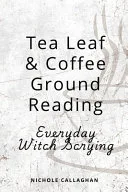
Tea Leaf & Coffee Ground Reading - Everyday Witch Scrying
 81
81

Tea Leaf & Coffee Ground Reading - Everyday Witch Scrying
Nichole Callaghan's *Tea Leaf & Coffee Ground Reading - Everyday Witch Scrying* presents a refreshingly grounded approach to divination. The book's strength lies in its clear, step-by-step instructions, making complex symbolic interpretation feel attainable for novices. Callaghan avoids overly arcane language, focusing instead on developing the reader's own intuitive faculties. For instance, the section on interpreting the 'Cup' symbol offers a practical framework for understanding its multifaceted meanings without resorting to dogmatic pronouncements. However, the book occasionally leans towards a slightly simplistic view of symbol interpretation; a deeper exploration of how cultural context might alter a symbol's meaning, beyond the immediate personal resonance, would have added further depth. Despite this minor limitation, the work serves as an excellent primer for those seeking to imbue their daily rituals with a touch of the mystical. Callaghan effectively bridges the gap between esoteric practice and modern life.
📝 Description
81
Nichole Callaghan's 2025 guide makes tea leaf and coffee ground reading simple.
This book presents a practical method for scrying using tea leaves (tasseography) and coffee grounds (cafenomancy). It aims to make these divination techniques accessible for developing intuition and gaining personal insight. The guide walks readers through the process, from preparing the drink and reading the patterns to interpreting symbols and documenting insights.
The book emphasizes the symbolic language found in the residue left by leaves and grounds. It encourages readers to trust their inner knowing when interpreting these patterns. This approach is suited for individuals interested in witchcraft, divination, and self-discovery who want practical, everyday tools.
It is for those new to scrying or esoteric practices, as well as experienced practitioners looking to add to their skills. Readers drawn to nature spirituality, intuitive growth, or simple rituals will find its style appealing. The book also speaks to anyone who enjoys a daily beverage and seeks deeper meaning in ordinary moments.
Tasseography and cafenomancy have a long history, with roots in ancient divination. These methods gained traction in Europe during the 18th and 19th centuries, often practiced in coffee houses. This book connects to that tradition of using everyday consumables for spiritual understanding. It views the patterns in leaves and grounds as reflections of a person's inner state or external situation, a concept the author calls 'symbolic resonance.' The approach fosters intuitive development through these accessible, domestic practices.
💡 Why Read This Book?
• Learn to brew with intention, discovering how the specific preparation of your beverage, as detailed in the 'Intuitive Brewing' section, can set the stage for a more insightful reading. • Master the interpretation of common symbols, gaining a practical understanding of archetypes like the 'Snake' or 'Tree' as presented in the book's dedicated symbol guide. • Cultivate your own intuitive divination practice, transforming the everyday act of drinking tea or coffee into a personal ritual for self-reflection and guidance.
⭐ Reader Reviews
Honest opinions from readers who have explored this book.
❓ Frequently Asked Questions
What is the difference between tea leaf reading and coffee ground reading?
Tea leaf reading, or tasseography, uses the residue of brewed tea leaves, while coffee ground reading, or cafenomancy, utilizes the sediment from brewed coffee. Both involve interpreting patterns and symbols left behind, but the texture and density of the residue can offer slightly different visual cues.
Do I need special equipment for tea leaf or coffee ground reading?
No special equipment is required beyond your usual teacups or coffee mugs and your preferred loose-leaf tea or ground coffee. The book emphasizes using what you have readily available for an 'everyday witch' approach.
When was Tea Leaf & Coffee Ground Reading - Everyday Witch Scrying first published?
The book was first published on August 11, 2025.
Is this book suitable for complete beginners in divination?
Yes, the book is specifically designed for beginners, breaking down the art of scrying with tea leaves and coffee grounds into simple, actionable steps. It assumes no prior knowledge of esoteric practices.
Can I use pre-bagged tea or instant coffee for reading?
While the book primarily focuses on loose-leaf tea and ground coffee for richer patterns, it acknowledges that beginners can experiment with tea bags. However, instant coffee is generally not recommended due to its fine, powdery residue.
What are some common symbols I might see in a reading?
Common symbols include animals (like birds or snakes), natural elements (trees, water), geometric shapes, and everyday objects. The book provides interpretations for many such recurring motifs.
🔮 Key Themes & Symbolism
Symbolic Interpretation
The core of this work lies in deciphering the symbolic language formed by tea leaves and coffee grounds. It posits that these patterns are not random but are visual manifestations of the querent's subconscious or external influences. The book guides readers to develop an intuitive vocabulary for these symbols, moving beyond rote memorization to a personal understanding of what shapes like a 'cup' or 'tree' might signify in a specific context.
Intuitive Development
This practice is presented as a powerful method for honing intuitive abilities. By engaging with the subtle visual cues in a beverage's residue, readers are encouraged to trust their gut feelings and inner perceptions. The process of brewing and reading becomes a meditative act that strengthens the connection to one's inner voice, transforming mundane moments into opportunities for self-awareness and insight.
Everyday Ritual
The book champions the integration of esoteric practices into daily life. It reframes seemingly ordinary activities, like enjoying a morning cup of tea or coffee, into accessible rituals. This approach democratizes divination, making it available to anyone, anywhere, without the need for elaborate tools or sacred spaces, aligning with the 'everyday witch' philosophy.
The Power of the Mundane
A significant theme is the recognition of magic and meaning within the ordinary. The seemingly simple act of observing the residue in a cup is elevated to a form of scrying, demonstrating that useful insights can be found in the most commonplace objects and routines. This perspective encourages a greater appreciation for the mystical potential inherent in everyday existence.
💬 Memorable Quotes
Direct passages from the work, attributed to the author.
“The patterns left behind are a mirror to your inner world.”
— This highlights the central tenet of the book: that the visual configurations in tea leaves or coffee grounds are not arbitrary but directly correlate with the querent's thoughts, feelings, or circumstances, acting as a form of externalized self-reflection.
“Brew with intention, read with intuition.”
— This concise phrase expresses the book's methodology. It suggests that the act of preparing the beverage is as crucial as the interpretation, emphasizing the importance of focused energy during brewing and a receptive, intuitive state during the reading itself.
“Every cup holds a story waiting to be told.”
— This interpretation emphasizes the narrative potential inherent in tasseography and cafenomancy. It frames each reading not just as a prediction or analysis, but as the unfolding of a unique story relevant to the individual seeking guidance.
“The symbols speak a language you already know.”
— This speaks to the book's focus on innate intuition. It reassures the reader that the ability to understand the symbols is not learned from scratch but rather awakened, suggesting that the subconscious already holds the keys to interpretation.
“Transform your morning routine into a sacred practice.”
— This points to the book's aim of integrating magic into daily life. It encourages readers to view simple, repetitive actions, like drinking a beverage, as opportunities for spiritual connection and personal growth, elevating the mundane.
🌙 Esoteric Significance
Tradition
This work falls broadly under the umbrella of folk magic and divination, often associated with the 'witchcraft' tradition that emphasizes practical, nature-based, and personally intuitive practices. It departs from highly formalized Hermetic or Kabbalistic systems by focusing on universally accessible elements – a beverage and its residue – rather than complex correspondences or arcane rituals. Its lineage is more akin to kitchen witchery or Hedge traditions that find magic in the mundane.
Symbolism
Key symbols explored include the 'Cup' itself, representing containment, the womb, or receptivity; the 'Snake,' often signifying transformation, healing, or hidden knowledge; and the 'Tree,' symbolizing growth, connection to the divine, and life cycles. These archetypes are interpreted not through rigid dogma but through their resonance with the individual's lived experience and intuition.
Modern Relevance
Contemporary practitioners of witchcraft, modern paganism, and intuitive development draw heavily on works like this. It speaks to those seeking simple, non-dogmatic spiritual tools. Thinkers and practitioners in the 'Hedge Witch' or 'Kitchen Witch' movements, as well as those interested in mindfulness and ritualizing daily life, find its approach highly relevant for personal growth and self-discovery.
👥 Who Should Read This Book
• Aspiring witches and divination students seeking an accessible entry point into scrying practices, particularly those interested in nature-based or folk magic traditions. • Individuals looking to deepen their intuition and self-awareness through simple, daily rituals, transforming everyday moments like drinking tea or coffee into meaningful practices. • Those interested in comparative divination studies who wish to understand the historical and practical applications of tasseography and cafenomancy outside of more complex systems.
📜 Historical Context
Published in 2025, *Tea Leaf & Coffee Ground Reading - Everyday Witch Scrying* enters a contemporary landscape where interest in practical, accessible forms of divination has surged. While its subject matter is ancient, its approach aligns with modern esoteric trends favoring personal empowerment and integration into daily life, diverging from the more formal, ceremonial practices of earlier eras. The 18th and 19th centuries saw a significant rise in tasseography and cafenomancy, particularly within European coffee house culture and spiritualist circles. This book, however, bypasses the more formal historical contexts, focusing on the 'everyday witch' accessibility. It offers a counterpoint to the more complex divination systems like Tarot or the Kabbalah, which often require extensive study. Unlike the more structured approaches found in earlier divination manuals from figures like Madame Blavatsky or the Hermetic Order of the Golden Dawn, Callaghan's work prioritizes immediate, personal application.
📔 Journal Prompts
Reflect on the 'Cup' symbol's appearance in your reading: what does it signify for your current state of receptivity?
Consider the 'Snake' symbol: how does its meaning of transformation or hidden knowledge apply to your life right now?
Document the 'Intuitive Brewing' process: how did your intention influence the final patterns?
Analyze the 'Tree' symbol: what aspects of growth or connection does it highlight for you?
Record a reading focusing on the 'Power of the Mundane': what deeper meaning did you uncover in this simple ritual?
🗂️ Glossary
Tasseography
The practice of reading fortunes or divining the future by interpreting the patterns formed by tea leaves in a cup.
Cafenomancy
A form of divination involving the reading of patterns formed by coffee grounds or sediment in a cup.
Scrying
A divination technique involving gazing into a reflective surface (like water, a mirror, or in this case, beverage residue) to receive visions or insights.
Symbolic Resonance
The concept that visual patterns or symbols encountered hold personal meaning and reflect the querent's inner state or external circumstances.
Intuitive Brewing
The practice of consciously infusing intention and focus into the process of preparing tea or coffee for a reading.
Archetypal Symbols
Universal symbols or motifs (like the snake, tree, or cup) that carry deep psychological and spiritual meaning across cultures and time.
Querent
The person for whom a divination reading is performed.