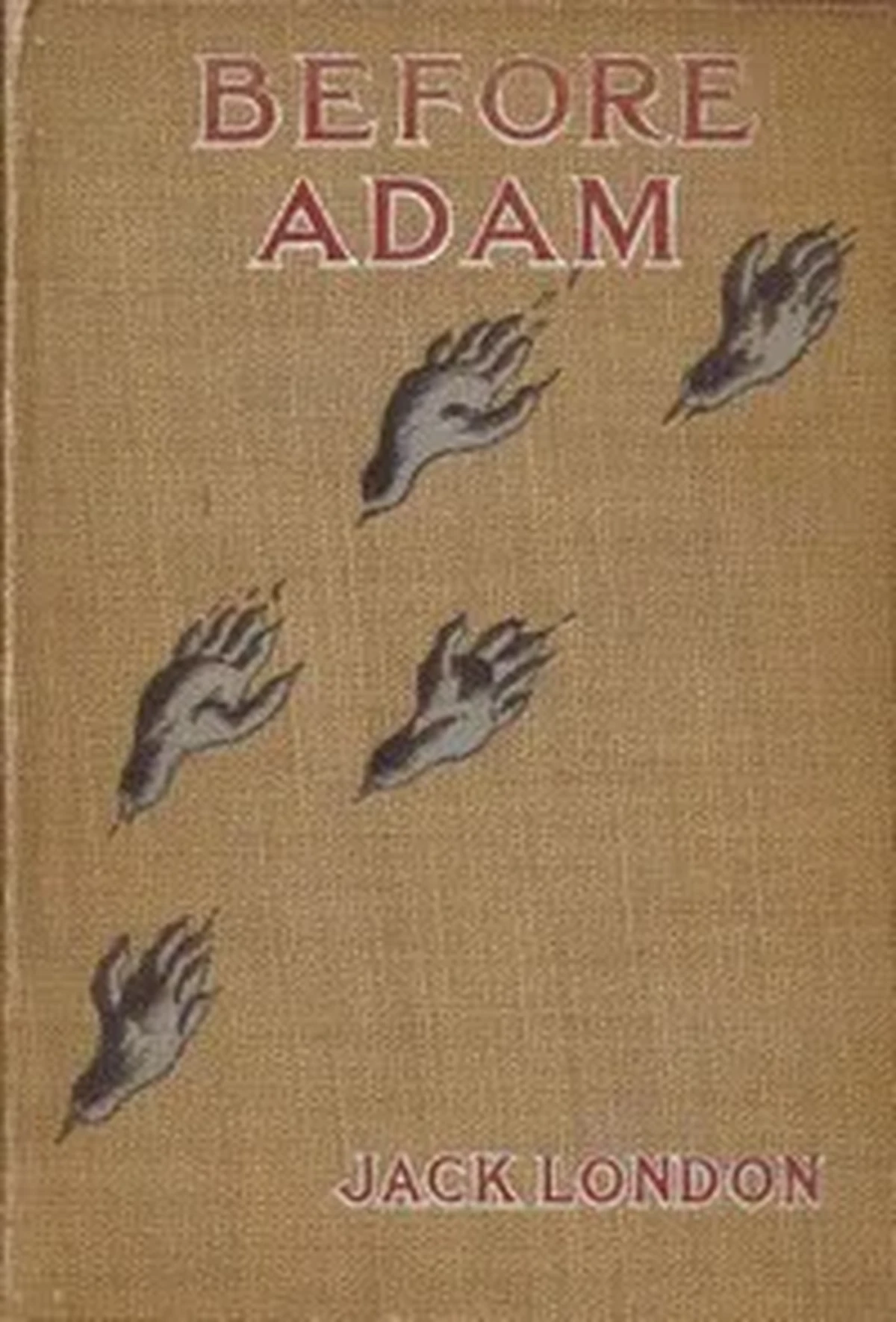
Origins of Psychometry

 76
76

Origins of Psychometry
The "Origins of Psychometry" presents a surprisingly structured approach to a topic often shrouded in vagueness. Its strength lies in its attempt to systematize the practice, treating it as a perceptual discipline rather than mere fortune-telling. The work explores the mechanics of "psychic residue," which is a compelling concept for understanding how an object might retain energetic signatures. However, the book's primary limitation is its age and the lack of modern scientific corroboration for its core tenets. The discussion on "sympathetic resonance," while interesting from a historical esoteric viewpoint, feels dated without contemporary research to support its claims. Nevertheless, for understanding the early frameworks of psychometric theory, it remains a valuable, if dated, reference.
📝 Description
76
Published in 1970, Origins of Psychometry examines the alleged psychic ability to gain information by touching objects.
This text from 1970 investigates psychometry, the purported ability to sense an object's past or owner through touch. It moves beyond simple anecdotes, attempting to define the principles and methods behind this practice. The book frames psychometry not as supernatural magic, but as a heightened form of perception, a sensitivity to energies left on material items.
Origins of Psychometry is for students of parapsychology, occult history, and anyone interested in how psychic phenomena might work. It aims to explain the theoretical basis of psychometry, whether for personal interest or academic study. Readers who appreciate historical accounts of psychic abilities and the development of esoteric thought will find it valuable. It is suited for those approaching these subjects with an open yet analytical mindset, willing to consider the proposed frameworks for psychic sensing.
The early 1970s saw considerable public and academic attention paid to the paranormal, partly due to the counterculture movement and interest in alternative belief systems. This book appeared when researchers like J.B. Rhine were conducting parapsychological studies at Duke University, seeking to validate psychic phenomena scientifically. It reflects a time when the lines between science, spirituality, and the occult were being tested, contributing to discussions about consciousness and extrasensory perception.
This book emerged during a period of renewed interest in spiritualism and psychic research. It engages with the idea of "psychic residue," a concept that objects retain impressions from their history or users. The text considers individuals capable of perceiving these impressions, often termed "sensitives." It situates psychometry within broader discussions about consciousness, extrasensory perception, and the potential for material objects to act as conduits for information about their past, aligning with traditions that explore the energetic connections between consciousness and the physical world.
💡 Why Read This Book?
• Gain insight into the early theoretical frameworks of psychometry, understanding the concept of "psychic residue" as proposed in the 1970s, which informs later esoteric practices. • Explore the proposed conditions for effective psychometric readings, learning about factors like emotional intensity and practitioner state, as detailed in the text. • Understand the historical context of parapsychological inquiry in the early 1970s, referencing figures like J.B. Rhine and the broader cultural interest in psychic phenomena.
⭐ Reader Reviews
Honest opinions from readers who have explored this book.
❓ Frequently Asked Questions
What is the central thesis of "Origins of Psychometry"?
The central thesis posits that objects retain energetic imprints or "psychic residue" from their owners and significant events, and that psychometry is the ability to perceive these imprints through touch.
When was "Origins of Psychometry" first published?
The book was first published in 1970, placing it within a period of heightened interest in parapsychology and esoteric studies.
Does the book offer practical exercises for developing psychometry?
While the book focuses more on the theoretical underpinnings and principles of psychometry, it implicitly guides the reader toward understanding the conditions necessary for developing such sensitivity.
Who are the key figures or movements influencing this work?
The work is influenced by the general milieu of parapsychological research of the mid-20th century, including figures like J.B. Rhine, and broader esoteric traditions exploring extrasensory perception.
Is "Origins of Psychometry" considered a scientific text?
No, it is considered an esoteric text exploring psychic phenomena. While it attempts a structured approach, its concepts are not validated by mainstream scientific methodology.
What is "psychic residue" according to the book?
Psychic residue refers to the alleged energetic imprints or impressions left on objects by individuals who have handled them or by events that occurred in their vicinity.
🔮 Key Themes & Symbolism
Psychic Residue
The book extensively explores the concept of "psychic residue," theorizing that objects absorb energetic imprints from their owners and historical events. This residue is presented as the fundamental basis for psychometric readings. The work attempts to explain how these imprints are formed and how they might be perceived, moving beyond simple superstition to a proposed energetic interaction between consciousness, objects, and time.
The Sensitive's Perception
Central to the text is the notion of the "sensitive," an individual possessing heightened perceptive abilities. The book differentiates this from mere intuition, framing it as a specialized form of awareness capable of interpreting the subtle energies or imprints on objects. It discusses the nature of this sensitivity, suggesting it can be both innate and potentially cultivated through focused practice and understanding.
Methodology of Object Reading
Rather than presenting psychometry as an inexplicable gift, the work endeavors to outline potential methodologies and conditions conducive to successful readings. It examines factors influencing the clarity and accuracy of perceptions, such as the emotional charge of an object's history and the mental state of the practitioner. This focus on a systematic approach distinguishes it from purely anecdotal accounts.
Energetic Imprints
The core idea revolves around the transmission and retention of energetic information. The book suggests that strong emotions, significant events, and prolonged contact leave a distinct energetic signature on physical items. This concept of energetic imprints provides a theoretical framework for how past experiences and human connections can be accessed through tactile interaction with the material world.
💬 Memorable Quotes
Direct passages from the work, attributed to the author.
“Objects carry the elements of those who have held them.”
— This statement expresses the fundamental premise of psychometry as presented in the book: that physical items are not inert but retain energetic traces of their past associations and interactions with people.
“Sensitivity to psychic residue requires a focused, receptive mind.”
— This highlights the importance of the practitioner's mental state in psychometry. It suggests that developing the ability involves not only external object interaction but also internal cultivation of attention and receptivity.
“Emotional intensity amplifies the residual energies.”
— This points to a key factor discussed in the book regarding the strength of psychometric impressions. It implies that events or associations charged with strong emotion leave more discernible traces.
“The practitioner acts as a conduit for perceived information.”
— This interpretation frames the role of the psychometrist not as a source of information, but as a channel through which the energies and history imprinted on an object can be perceived and interpreted.
💡 Key Ideas
Editorial paraphrase of the work's core concepts — not direct quotes.
The history of an object is imprinted upon its very substance.
This paraphrased concept emphasizes the tangible nature of the alleged information accessible through psychometry, suggesting that the object itself acts as a medium for historical data.
🌙 Esoteric Significance
Tradition
This work fits within the broader lineage of Western Esotericism, particularly drawing from traditions that explore subtle energies and extrasensory perception (ESP). It echoes concepts found in Theosophy and later New Age thought regarding the energetic imprint of consciousness on matter. While not strictly Hermetic or Kabbalistic, it shares the esoteric library's interest in hidden knowledge and the potential of the human mind beyond conventional understanding.
Symbolism
The primary "symbol" is the object itself, acting as a repository of history and personal connection. The "imprint" or "residue" functions as a symbolic representation of memory and consciousness externalized onto matter. The act of touch becomes a symbolic bridge, connecting the present consciousness of the practitioner to the past energies embedded within the object.
Modern Relevance
Contemporary practitioners of energy healing, intuitive counseling, and even some forms of forensic psychology (though controversially) may draw upon the conceptual groundwork laid by texts like this. It informs discussions on object-reading in modern occultism and provides a historical perspective for those exploring the energetic basis of memory and consciousness.
👥 Who Should Read This Book
• Students of parapsychology seeking historical perspectives on ESP phenomena, particularly the theories surrounding psychometry and object reading. • Esoteric practitioners interested in the conceptual frameworks behind tactile psychic perception, understanding how "psychic residue" is theorized to work. • Researchers of 20th-century occult and metaphysical movements, gaining insight into the intellectual currents that sought to explain psychic abilities during the 1970s.
📜 Historical Context
Published in 1970, "Origins of Psychometry" emerged during a fertile period for esoteric thought and parapsychological investigation. The mid-20th century saw figures like J.B. Rhine at Duke University striving to establish parapsychology as a legitimate field of study, albeit often met with skepticism from mainstream science. This era was also influenced by the Theosophical movement and earlier spiritualist explorations of unseen energies. The book reflects a desire within these circles to articulate the mechanisms of psychic phenomena, including psychometry, in a more systematic manner. It can be seen as a response to the growing public fascination with the paranormal, attempting to provide a theoretical scaffolding for abilities discussed in less structured formats. While not directly engaging with specific contemporaries in its text, it existed alongside and contributed to a broader cultural conversation about consciousness and extrasensory perception.
📔 Journal Prompts
The concept of "psychic residue" on everyday objects.
Reflecting on the "sensitive's perception" and its potential cultivation.
How might "energetic imprints" influence our interaction with historical artifacts?
Consider the proposed "methodology of object reading" in relation to personal experience.
The object as a "symbol" of stored history and connection.
🗂️ Glossary
Psychometry
The alleged psychic ability to gain information about an object or its history by touching it, sensing residual energies or imprints.
Psychic Residue
The theoretical energetic imprint or trace left on an object by its owner, users, or significant events associated with it.
The Sensitive
An individual believed to possess a natural or developed capacity to perceive subtle energies and information through psychic means, such as psychometry.
Imprint
A specific mark or impression, in this context referring to the energetic signature left on an object by past interactions or events.
Energetic Imprint
The conceptual idea that consciousness, emotions, and experiences can leave a detectable energetic signature on physical matter.
Object Reading
The practice or process of obtaining information from an object through psychometric means.
Sympathetic Resonance
A principle suggesting that like affects like, and that an object can resonate with the energies of its past associations or owners.
🔮 Readers Also Liked
Browse all →



![Yogic perception, meditation and altered states of consciouness [sic]](/img/thumb/yogic-perception-meditation-and-altered-states-of-consciouness-sic-eli-franco-166481.webp)




More by Unknown
All books →





More Free Occult Philosophy Books
View all →