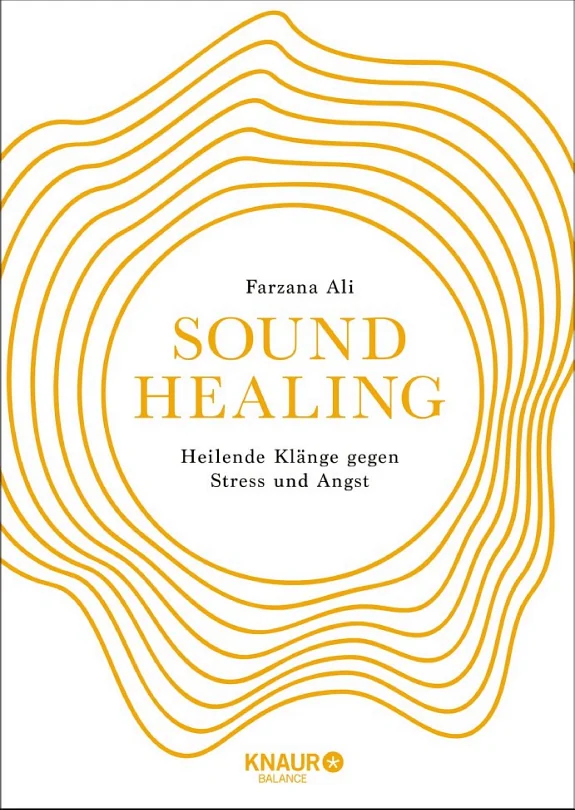
Sound Healing
 80
80

Sound Healing
Farzana Ali’s "Sound Healing" enters the crowded wellness space with a clear, science-informed objective: to demystify sonic therapy for the everyday practitioner. The book’s strength lies in its directness; Ali eschews overly mystical language for practical explanations of how sound impacts our physiology. For instance, the section detailing the effects of specific frequencies on the nervous system offers a tangible understanding of the mechanisms at play. However, the work occasionally leans too heavily on the "accessible" angle, sometimes at the expense of deeper theoretical exploration. While the focus on stress and anxiety is pertinent, readers seeking a comprehensive history or more advanced sonic techniques might find it introductory. Ali’s approach, particularly in the practical exercises, provides a solid foundation for self-care, making it a useful starting point for those curious about sound's therapeutic potential. It serves as a competent, if not revolutionary, introduction to the field.
📝 Description
80
Farzana Ali's "Sound Healing" explains how specific sound frequencies can affect physical and mental states.
This book serves as an introduction to sound healing for self-care. It argues that sound, often neglected in wellness conversations, has significant therapeutic power. The text moves past simple relaxation to show how particular frequencies and vibrations can alter physiological and psychological conditions. Ali aims to simplify the practice, making it accessible to readers with no background in acoustics or spiritual traditions.
The guide is mainly for people dealing with stress and anxiety who want non-drug alternatives. It appeals to those interested in holistic health and alternative methods, especially if conventional approaches feel lacking or if they seek additional practices. Ali's straightforward writing style also suits beginners curious about sound's effects but unsure how to begin. The book acknowledges modern pressures and the need for easily applied solutions.
The use of sound for healing has ancient roots in traditions worldwide. Vedic cultures used mantra, and Indigenous peoples employed drumming, both recognizing sound's ability to induce altered states and promote health. Ali's contemporary work connects these historical practices with modern understanding, framing its methods within a long lineage of sonic therapeutics. It suggests that while the applications are current, the underlying principles draw from a deep, historical well of sonic understanding.
💡 Why Read This Book?
• Understand the science behind sonic therapy, learning how specific frequencies, as explored in the book's early chapters, can demonstrably alter physiological responses like heart rate and stress hormone levels. • Acquire practical, self-administered techniques for managing anxiety and stress, guided by Farzana Ali's exercises that leverage principles of resonance and vibration. • Gain context for sound healing's place in modern wellness by connecting its contemporary applications to ancient practices discussed, offering a unique perspective beyond typical self-care guides.
⭐ Reader Reviews
Honest opinions from readers who have explored this book.
❓ Frequently Asked Questions
What is the primary benefit of sound healing according to Farzana Ali's book?
The book emphasizes that the primary benefit of sound healing is its capacity to reduce stress and anxiety by influencing the body and mind through scientific, vibration-based methods.
Is "Sound Healing" by Farzana Ali suitable for beginners?
Yes, the book is designed as an accessible guide, explaining complex concepts in simple terms and offering practical exercises for those new to sound healing practices.
What scientific approach does the book take?
It explores the impact of sound on the body and mind, referencing how specific frequencies and vibrations can affect physiological and psychological states.
When was "Sound Healing" by Farzana Ali first published?
The book was first published on February 13, 2024, positioning it as a very recent contribution to the field of sound healing and self-care.
What are some common self-care practices mentioned or implied in the book?
The book suggests using sound for self-soothing, similar to how one might use music, and actively engaging with sonic vibrations for therapeutic purposes.
Does the book offer techniques to overcome stress and anxiety?
Yes, it provides lessons and exercises specifically designed to help readers overcome stress and anxiety through the application of sound healing principles.
🔮 Key Themes & Symbolism
Sonic Vibrations and Physiology
The book posits that sound is more than auditory input; it's a physical force. Ali explains how specific frequencies and vibrations interact with the body at a cellular level. This theme explores the scientific underpinnings, suggesting that sonic waves can influence biological processes, potentially reducing stress hormones like cortisol and promoting relaxation responses within the nervous system. The work aims to clarify this interaction, making it accessible for practical application in self-care routines.
Stress and Anxiety Management
Central to "Sound Healing" is its application as a tool for mental and emotional well-being. The book focuses on providing practical lessons and exercises designed to alleviate symptoms of stress and anxiety. It frames sound healing not as a passive experience but as an active modality that individuals can employ to regain equilibrium. This theme addresses the modern prevalence of these conditions and offers a tangible, non-pharmacological approach through sonic intervention.
Accessible Self-Care Modality
Farzana Ali presents sound healing as the 'next big thing' in self-care, emphasizing its ease of use and broad applicability. The book's accessible nature is a key theme, aiming to empower individuals to integrate sonic practices into their daily lives without requiring extensive prior knowledge. This democratizes therapeutic techniques, making potent wellness tools available to a wider audience seeking effective methods for personal care and stress reduction.
Bridging Science and Ancient Practice
While rooted in contemporary science, the book likely acknowledges the ancient lineage of sound as a healing force. This theme connects modern therapeutic techniques with historical practices found across various cultures. By grounding new methods in established traditions, Ali suggests a universal efficacy of sound, presenting a holistic view that integrates historical wisdom with current scientific understanding for enhanced personal well-being.
💬 Memorable Quotes
Direct passages from the work, attributed to the author.
“Discover how sound can help you overcome stress and anxiety.”
— This direct statement from the book's blurb highlights its core promise: providing actionable methods for mental wellness through sonic therapy, moving beyond mere relaxation to active resolution of common psychological burdens.
“Taking a science-based approach which explores the impact of sound on your body and mind...”
— This indicates the book's commitment to grounding its practices in empirical understanding, suggesting that the techniques offered are not purely speculative but are informed by research into sound's physiological and psychological effects.
“Popular sound healer Farzana Ali presents this accessible guide...”
— This positions the author as an experienced practitioner and emphasizes the book's design intent: to make the complex field of sound healing understandable and usable for a general audience.
“We already use sound as a form of healing, from self-soothing with music...”
— This observation suggests the book builds upon existing, intuitive uses of sound for comfort, extending this concept to more structured and intentional therapeutic applications through the practice of sound healing.
“An accessible guide to the next big thing in self-care: sound healing.”
— This opening line frames sound healing as a contemporary, potentially revolutionary, wellness practice, positioning the book as a key resource for understanding and adopting this emerging trend in personal care.
🌙 Esoteric Significance
Tradition
While not explicitly tied to a single lineage like Hermeticism or Kabbalah, "Sound Healing" taps into the universal esoteric principle of vibration as a fundamental force of creation and consciousness. It echoes traditions that utilize mantra, chanting, and rhythmic sound for spiritual or therapeutic purposes, such as Vedic yogic practices or shamanic journeying. Ali's approach likely reframes these ancient techniques through a contemporary, science-informed lens, making esoteric concepts accessible without necessarily adhering to strict traditional doctrines.
Symbolism
The primary 'symbol' in sound healing is the sound wave itself, representing energy, vibration, and resonance. Ali likely explores how different frequencies symbolize different states of being or energetic qualities – for instance, lower frequencies associated with grounding and stability, and higher frequencies with expansion or spiritual connection. The act of listening, often portrayed as passive, becomes a symbolic act of receptivity and internal harmonization when applied therapeutically, mirroring esoteric practices of meditative absorption.
Modern Relevance
Contemporary thinkers and practitioners in fields like bioacoustics, sound therapy, and integrative medicine are increasingly exploring the therapeutic applications of sound, often referencing its potential for stress reduction and emotional regulation. Ali's work aligns with this modern resurgence, contributing to a growing body of literature that bridges the gap between esoteric traditions and evidence-based wellness practices, appealing to those seeking natural, mind-body interventions.
👥 Who Should Read This Book
• Individuals experiencing chronic stress or anxiety seeking practical, non-pharmacological coping strategies, who will learn specific sonic exercises to apply immediately. • Wellness practitioners and therapists interested in expanding their toolkit with accessible sound healing techniques, gaining a foundational understanding of its scientific basis. • Beginners curious about esoteric or alternative healing modalities, who will find an approachable introduction to the power of sound without requiring prior esoteric knowledge.
📜 Historical Context
Published in 2024, Farzana Ali's "Sound Healing" emerges in an era where interest in holistic wellness and alternative therapies has surged, particularly post-pandemic. This period saw a heightened focus on mental health and stress reduction, with practices like mindfulness and yoga becoming mainstream. Sound healing, while ancient in origin, is experiencing a contemporary renaissance, often presented through a lens that seeks to blend traditional wisdom with modern scientific validation. Ali's work likely situates itself within this movement, potentially drawing inspiration from figures like Alfred Tomatis, whose research in the mid-20th century explored the therapeutic effects of sound on the ear and brain, or from the broader New Age movement of the late 20th century which popularized many esoteric practices. While not facing overt censorship, the field often contends with skepticism from the established medical community, requiring practitioners like Ali to emphasize empirical evidence and accessible explanations to gain broader acceptance.
📔 Journal Prompts
Reflect on your personal experience with the concept of sonic resonance.
Consider the impact of specific frequencies on your emotional state.
Analyze the relationship between sound and stress reduction in your daily life.
Explore the historical context of sound as a healing tool.
How can the practice of self-soothing with music be intentionally amplified through sound healing techniques?
🗂️ Glossary
Sound Healing
A practice that uses specific sounds, frequencies, and vibrations to promote physical, emotional, and mental well-being, often involving instruments or vocalizations.
Frequency
The rate at which a vibration occurs, measured in Hertz (Hz); in sound healing, different frequencies are believed to have distinct effects on the body and mind.
Vibration
A physical oscillation or shaking that produces sound; in this context, it refers to the energetic movement that impacts biological systems.
Resonance
The phenomenon where one object vibrating at the same natural frequency as another will cause that other object to vibrate; applied to the body's response to sound.
Self-Soothing
The act of calming oneself, often through comforting activities; the book extends this to intentional sound-based practices.
Holistic Wellness
An approach to health that emphasizes the interconnectedness of mind, body, and spirit, aiming for overall well-being rather than just absence of disease.
Sonic Therapy
A broader term for therapeutic applications of sound, often used interchangeably with sound healing, focusing on physiological and psychological benefits.