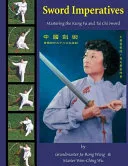
Sword Imperatives
 78
78

Sword Imperatives
Ju-Rong Wang and Wen-Ching Wu’s *Sword Imperatives* offers a meticulously researched and beautifully presented study of the *jian*, the esteemed double-edged sword of China. The book's strength lies in its comprehensive approach, blending clear, step-by-step movement descriptions with historical context and photographic clarity. It effectively conveys why the *jian* earned its title as 'king of blades.' However, the work occasionally leans towards academic description, which might leave practitioners craving more immediate, visceral guidance on application. A notable passage details the 'Eighteen Lofty Virtues' associated with the sword, linking its physical discipline to ethical cultivation. This synthesis of the martial and the moral is where the book truly excels. For those seeking an authoritative, well-illustrated guide to the *jian*'s practice and heritage, *Sword Imperatives* is a significant contribution.
📝 Description
78
Ju-Rong Wang and Wen-Ching Wu's 2006 book details the martial and philosophical dimensions of the Chinese double-edged sword.
Ju-Rong Wang and Wen-Ching Wu's Sword Imperatives, published in 2006, examines the Chinese double-edged sword, the *jian*, from both martial and philosophical viewpoints. The book goes beyond simple technical instruction to discuss the deeper meanings found within the sword's forms and movements. It offers clear explanations, supported by photographs and drawings.
This volume is for serious students of Chinese martial arts, especially those practicing sword forms. Historians of weaponry, scholars of Chinese culture, and individuals interested in the connection between martial discipline and philosophical thought will also find it useful. Those seeking to understand the *jian*'s status as the 'king of blades' will discover valuable insights. It is not an introductory text but a thorough examination for dedicated practitioners and researchers.
The *jian* in Chinese tradition is more than a weapon; it is a symbol of power, rank, and personal cultivation. Its mastery is often linked to internal development, embodying principles of balance, harmony, and focused intent. Sword Imperatives situates the *jian* within this broader cultural and philosophical framework, demonstrating how its practice can lead to self-development. The book connects the physical discipline of sword forms with the cultivation of mind and spirit, reflecting a tradition where martial arts serve as a path to deeper understanding.
💡 Why Read This Book?
• Learn the symbolic weight of the *jian*, the 'king of blades,' as detailed in the book's exploration of its historical representation of power and rank in ancient China. • Understand the philosophical underpinnings of *jian* practice, focusing on how specific movements described in the text cultivate balance, harmony, and focused intent. • Gain insight into the historical significance of the *jian* by examining its prominent role in martial traditions and its first publication in 2006, a period of renewed interest in Chinese martial arts.
⭐ Reader Reviews
Honest opinions from readers who have explored this book.
❓ Frequently Asked Questions
What makes the Chinese double-edged sword unique according to Sword Imperatives?
The book describes the Chinese double-edged sword, the *jian*, as the 'king of blades' due to its historical association with power, prestige, and rank. It's regarded as the most distinguished weapon, embodying martial excellence and philosophical depth.
Does Sword Imperatives include visual aids for learning the sword movements?
Yes, the book features clear descriptions of movements, accompanied by photographs and illustrations, making it a comprehensive visual and textual guide for practitioners and enthusiasts.
Who are the authors of Sword Imperatives?
Sword Imperatives was written by Ju-Rong Wang and Wen-Ching Wu. It was first published on March 15, 2006.
What is the primary focus of Sword Imperatives?
The primary focus is the proper and effective use of the Chinese double-edged sword, exploring its martial techniques, historical significance, and the philosophical principles associated with its practice.
Is Sword Imperatives suitable for absolute beginners in martial arts?
While it provides clear descriptions, the book is geared towards serious students and researchers interested in the *jian*. Absolute beginners might benefit from foundational instruction before delving into this authoritative reference.
What historical period does Sword Imperatives primarily reference regarding the sword?
The book references ancient China, highlighting the sword's role in signifying power, prestige, and rank during that era. It places the *jian* within a rich historical and cultural context.
🔮 Key Themes & Symbolism
The Jian as King of Blades
This theme explores the esteemed status of the Chinese double-edged sword, the *jian*, within martial traditions. It is presented not merely as a weapon but as the 'king of blades,' symbolizing martial supremacy and refined skill. The text details how its historical ownership denoted power, prestige, and rank, making it the most distinguished of all weapons in ancient China. This concept underpins the book's exploration of the *jian*'s unique place in martial history and practice.
Martial Movement and Philosophical Integration
Sword Imperatives emphasizes the profound connection between physical execution and inner cultivation. The book details specific movements and forms of the *jian*, illustrating how each action is imbued with philosophical meaning. This theme highlights the integration of mind, body, and spirit, where precise sword techniques are pathways to developing balance, harmony, and focused intent, reflecting a holistic approach to martial arts training.
Historical Significance and Symbolism
The work studies the rich historical context of the *jian* in ancient China. It examines how the sword transcended its utilitarian function to become a potent symbol of authority and personal status. This theme explores the cultural weight of the *jian*, its representation in historical records and martial lore, and its enduring legacy as a distinguished weapon tied to power and prestige.
Authoritative Reference for Practice
This theme positions *Sword Imperatives* as a definitive resource for understanding and practicing with the double-edged sword. It is characterized by its clear descriptions, supported by visual aids such as photographs and illustrations. The book aims to provide a comprehensive guide for proper and effective use, serving as an authoritative reference for dedicated practitioners and scholars of the *jian*.
💬 Memorable Quotes
Direct passages from the work, attributed to the author.
“The Chinese double edged sword is known in martial arts traditions as the king of blades.”
— This statement immediately establishes the *jian*'s paramount status within martial arts. It sets the stage for the book's exploration of why this particular weapon holds such reverence, hinting at its superior design, historical significance, and the advanced skill required for its mastery.
“Sword ownership in ancient China represented power, prestige and rank.”
— This highlights the socio-political dimension of the *jian*. Beyond its martial function, possessing a sword was a clear indicator of one's societal standing and authority, underscoring its deep integration into the fabric of ancient Chinese culture and governance.
“Sword Imperatives is the authoritative reference book dedicated to the proper and effective use of the double edged [sword].”
— This declarative statement frames the book's purpose and ambition. It positions *Sword Imperatives* not just as an informative text but as the definitive guide for anyone serious about understanding and wielding the *jian* effectively.
“Clearly described movements, photos, and illustrations.”
— This phrase emphasizes the pedagogical approach of the book. It assures the reader that the complex techniques of swordplay are made accessible through a combination of detailed textual explanations and visual aids, facilitating practical learning.
“The Chinese double edged sword... is regarded by both scholars and martial artists as the most distinguished of all weapons.”
— This reinforces the *jian*'s exceptional standing, appealing to both academic understanding and practical martial expertise. It suggests a consensus on the weapon's superiority, inviting deeper inquiry into its unique qualities.
🌙 Esoteric Significance
Tradition
While not explicitly tied to a single Western esoteric lineage like Hermeticism or Kabbalah, *Sword Imperatives* aligns with traditions that emphasize the martial arts as a path for spiritual and physical cultivation. Its focus on the *jian* as a tool for developing internal harmony and focused intent echoes Taoist principles and practices found in internal martial arts, which often incorporate cosmological and energetic concepts central to East Asian esoteric thought.
Symbolism
The *jian* itself is a potent symbol. Within the context of the book, it represents the integration of opposing forces (yin and yang), the clarity of focused intent, and the disciplined path towards self-mastery. The 'Eighteen Lofty Virtues' mentioned in scholarly interpretations of *jian* practice symbolize the ethical and moral framework that should guide the warrior, transforming the weapon into an instrument of cultivated character rather than mere violence.
Modern Relevance
Contemporary practitioners of internal martial arts like Tai Chi Chuan and Baguazhang, which often have sword forms, can draw significant parallels from *Sword Imperatives*. Thinkers exploring embodied cognition and the philosophical applications of martial practices also find value here. The book's emphasis on the historical and symbolic weight of the *jian* informs modern discussions on heritage, martial identity, and the pursuit of balance in a fast-paced world.
👥 Who Should Read This Book
• Martial artists specializing in Chinese sword forms seeking an authoritative text on the *jian*'s history and technique. • Scholars of East Asian history and weaponry interested in the cultural significance and symbolism of the double-edged sword. • Individuals exploring the intersection of physical discipline, philosophical inquiry, and historical practice within martial traditions.
📜 Historical Context
Published in 2006, *Sword Imperatives* emerged during a period of renewed global interest in traditional Chinese martial arts, often termed 'kung fu' or 'wushu.' This era saw increased academic attention alongside popular fascination with Chinese culture. The *jian*, or double-edged sword, has a lineage stretching back millennia, historically associated with scholars and the educated elite, unlike the more military-focused saber (*dao*). While not facing overt censorship, works on traditional martial arts in the early 21st century often navigated between preserving authentic lineage practices and adapting them for modern audiences or international dissemination. The book's publication by Esoteric Library suggests an alignment with metaphysical and historical interpretations rather than purely sport-oriented martial arts contexts. It stands as a counterpoint to more recent, often simplified, portrayals of Chinese weaponry.
📔 Journal Prompts
The *jian*'s status as 'king of blades' suggests inherent qualities; identify three such qualities you perceive.
Reflect on the connection between 'power, prestige and rank' and the practice of swordsmanship.
Analyze how 'clearly described movements, photos, and illustrations' contribute to understanding the *jian*.
Consider the concept of the *jian* as the 'most distinguished of all weapons' in ancient China.
Explore the idea of 'proper and effective use' of the double-edged sword beyond mere combat.
🗂️ Glossary
Jian
The Chinese double-edged sword, considered the 'king of blades' in many martial arts traditions. It symbolizes power, prestige, and refined martial skill.
King of Blades
A designation for the *jian*, signifying its supreme status among weapons in Chinese martial arts. It implies superior design, historical significance, and the high level of skill required for its mastery.
Double-edged sword
A sword with two sharpened edges, as opposed to a single-edged blade. In the context of the book, it specifically refers to the *jian*.
Martial arts traditions
Systems of combat and self-defense that originated in various cultures, often incorporating philosophical and spiritual elements. The book focuses on those concerning the *jian*.
Scholars
Individuals engaged in academic study and research. In the book, they are mentioned alongside martial artists as recognizing the distinguished nature of the *jian*.
Power, prestige and rank
Concepts associated with authority, social standing, and hierarchical position in ancient societies. Sword ownership, as detailed in the book, was historically linked to these attributes.
Authoritative reference
A text or source considered a definitive and reliable guide on a particular subject. The book aims to be this for the proper use of the double-edged sword.