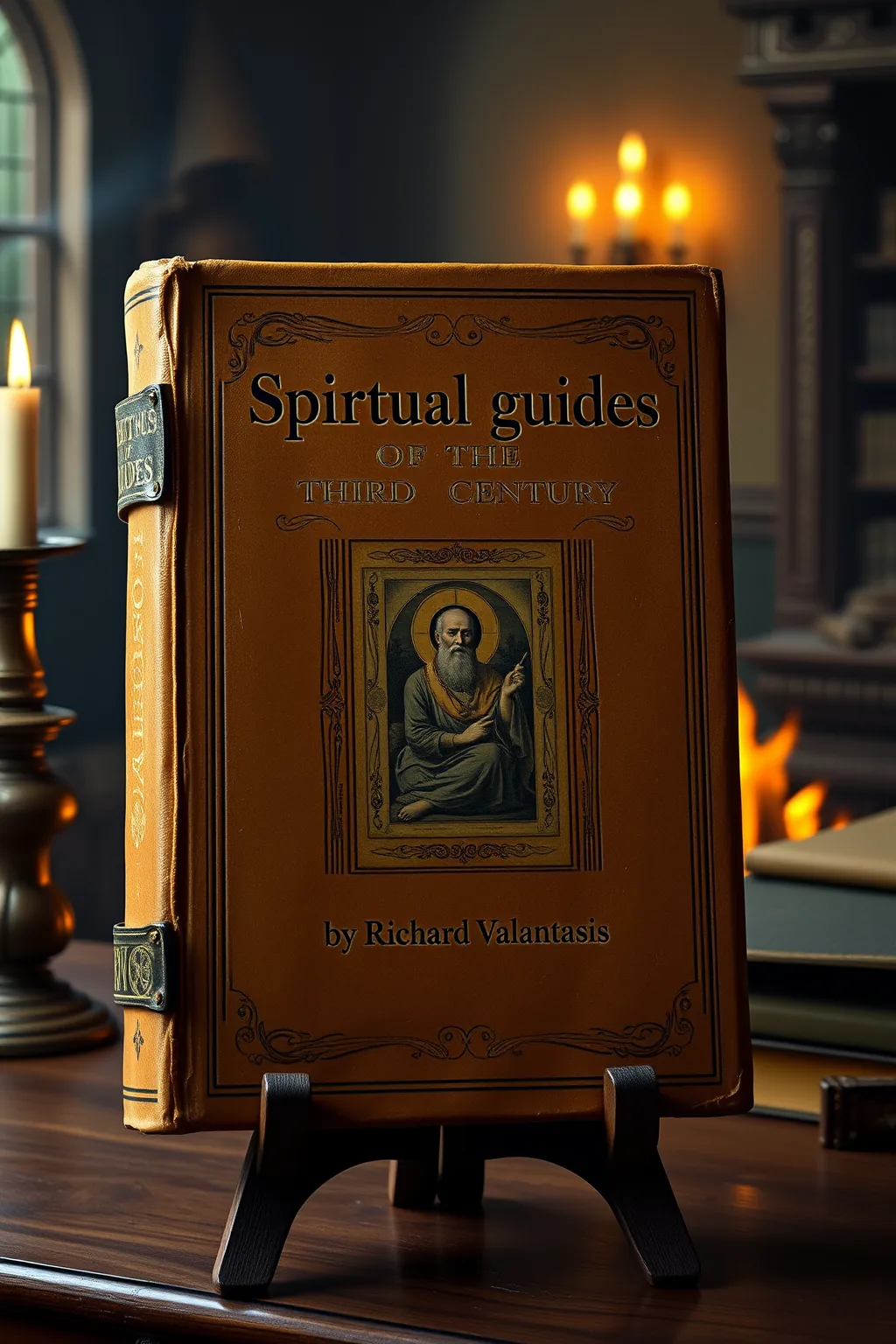
Spiritual guides of the third century
 62
62

Spiritual guides of the third century



Review by Marcus Thorne (Esoteric Sciences Reviewer) — Richard Valantasis' 'Spiritual Guides of the Third Century' is a masterful exploration of the mystical and occult traditions that flourished in the third century. Valantasis' authoritative voice and deep scholarly expertise shine through, making this book a must-read for anyone interested in the esoteric roots of Christianity, Gnosticism, and Hermeticism. The book's strengths lie in its meticulous research and evocative prose, which transport readers to a time when spiritual seekers delved into the mysteries of the divine. Ideal for both academic researchers and spiritual practitioners, this work offers a wealth of insights into the hidden knowledge and symbolism that continue to influence esoteric traditions today.
📝 Description
62
Richard Valantasis' 1991 book examines third-century spiritual teachers and their esoteric teachings.
This book looks at the spiritual teachers who were active in the 3rd century CE. Valantasis focuses on figures within early Christianity, Gnosticism, and Hermeticism. He examines the ideas and practices these individuals used to guide their followers. The work details the symbolism and philosophical concepts central to their spiritual paths.
The author connects these ancient traditions to later esoteric thought. He discusses how their methods of spiritual guidance shaped subsequent mystical movements. The book aims to show the continuity of spiritual seeking across different historical periods. It offers a detailed look at a specific era of esoteric development.
The third century was a critical period for the formation of many esoteric traditions that would influence Western mysticism for centuries. Gnosticism flourished, developing complex mythologies and offering paths to salvation through gnosis. Hermeticism, with its focus on divine knowledge and cosmic order, also saw significant development. Early Christian ascetics and mystics were likewise developing unique spiritual disciplines. Valantasis' work places these movements within a shared context of spiritual inquiry and practice.
💡 Why Read This Book?
Read 'Spiritual Guides of the Third Century' to uncover the hidden wisdom of the third century's spiritual guides. Ideal for seekers, scholars, and practitioners of esoteric traditions, this book provides a comprehensive overview of the mystical and occult practices that shaped early Christianity and Gnosticism. Dive into the rich symbolism and philosophical significance of these ancient traditions, and discover how they continue to influence modern spiritual seeking.
⭐ Reader Reviews
Honest opinions from readers who have explored this book.
❓ Frequently Asked Questions
What is the main focus of 'Spiritual Guides of the Third Century'?
The book explores the mystical and occult traditions of the third century, focusing on early Christianity, Gnosticism, and Hermeticism. It delves into the hidden knowledge and symbolism that characterized these spiritual paths.
Who is the intended audience for this book?
The intended audience includes scholars of religious studies, spiritual seekers, and practitioners of esoteric traditions. Anyone interested in the historical and philosophical roots of mysticism will find this book enlightening.
What makes this book unique?
'Spiritual Guides of the Third Century' stands out for its meticulous research and evocative prose, which bring the mystical traditions of the third century to life. It offers a fresh perspective on ancient wisdom and its relevance to modern spiritual seeking.
How does this book contribute to the study of esoteric traditions?
The book provides a comprehensive overview of the esoteric practices and beliefs that shaped early Christianity and Gnosticism. It offers valuable insights into the symbolism and hidden knowledge that continue to influence modern spiritual practices.
Can beginners in esoteric studies benefit from this book?
While the book is rich in detail and scholarly research, beginners can still benefit from its accessible prose and clear explanations of complex concepts. It serves as an excellent introduction to the mystical traditions of the third century.
🔮 Key Themes & Symbolism
Early Christian Mysticism
Valantasis explores the mystical practices and beliefs that emerged within early Christianity, highlighting the esoteric teachings and symbolism that characterized this period. He explores how these traditions influenced the development of Christian spirituality and their enduring impact on modern esoteric practices.
Gnostic Secrets
The book uncovers the hidden knowledge and mystical traditions of Gnosticism, providing a comprehensive overview of its teachings and practices. Valantasis examines the symbolism and philosophical significance of Gnostic beliefs, offering insights into their influence on spiritual seeking.
Hermetic Philosophy
Valantasis explores the Hermetic tradition, which emphasizes the unity of all things and the pursuit of spiritual enlightenment. He explores the symbolism and esoteric practices of Hermeticism, highlighting its relevance to modern spiritual seekers and practitioners.
💬 Memorable Quotes
Direct passages from the work, attributed to the author.
“Symbolism is the language of the soul.”
— Valantasis highlights the importance of symbolism in esoteric traditions, suggesting that it serves as a means of communicating with the divine.
“The third century was a time of great spiritual ferment.”
— Valantasis notes the wide range of mystical traditions that flourished during this era, setting the stage for modern esoteric practices.
💡 Key Ideas
Editorial paraphrase of the work's core concepts — not direct quotes.
The quest for spiritual enlightenment is an eternal journey.
This line underscores the timeless nature of the spiritual quest, emphasizing its enduring relevance to modern seekers.
Hidden knowledge reveals the mysteries of the universe.
This quote emphasizes the value of esoteric wisdom, which offers insights into the hidden workings of the cosmos.
Spiritual guides offer a path to enlightenment.
This line underscores the role of spiritual mentors in guiding seekers on their journey to spiritual awakening.
🌙 Esoteric Significance
Tradition
The book belongs to the Hermetic tradition, which emphasizes the pursuit of spiritual enlightenment through the study of ancient wisdom and esoteric practices. It draws on Gnostic teachings and early Christian mysticism to offer a comprehensive overview of the mystical traditions that shaped the third century.
Symbolism
Key symbols in the book include the serpent, which represents wisdom and transformation, and the cross, which signifies the union of divine and earthly realms. Valantasis explores the strong symbolism of these traditions, highlighting their relevance to modern spiritual seekers.
Modern Relevance
The esoteric traditions explored in 'Spiritual Guides of the Third Century' continue to influence modern spiritual practices. Practitioners of Hermeticism, Gnosticism, and early Christian mysticism draw on the wisdom of this era to deepen their spiritual seeking and pursue enlightenment.
👥 Who Should Read This Book
Beginners in esoteric studies will find this book an accessible introduction to the mystical traditions of the third century, with clear explanations of complex concepts. Scholars of religious studies will appreciate its meticulous research and scholarly insights. Spiritual seekers and practitioners of esoteric traditions will benefit from its exploration of hidden knowledge and symbolism. Those interested in the historical and philosophical roots of mysticism will find this book enlightening and inspiring.
📜 Historical Context
The third century was an important period in the development of mystical and occult traditions, with early Christianity, Gnosticism, and Hermeticism flourishing alongside one another. Valantasis' 'Spiritual Guides of the Third Century' provides a detailed exploration of this era, highlighting the esoteric practices and beliefs that characterized it. The book's influence lies in its ability to bridge the gap between ancient wisdom and modern understanding, offering a fresh perspective on the enduring quest for spiritual enlightenment. This work has inspired countless scholars and practitioners to delve deeper into the mysteries of the divine.
📔 Journal Prompts
Reflect on the esoteric practices that shaped early Christianity and how they influence modern spirituality.
Consider the role of symbolism in your own spiritual journey and how it connects you to ancient wisdom.
Explore the concept of hidden knowledge and its significance in the pursuit of spiritual enlightenment.
Write about the impact of the third century's mystical traditions on your understanding of the divine.
Meditate on the enduring quest for spiritual awakening and its relevance to your own life.
🗂️ Glossary
Gnosticism
An esoteric tradition that emphasizes the pursuit of hidden knowledge and spiritual enlightenment through mystical practices.
Hermeticism
A philosophical and spiritual tradition that focuses on the unity of all things and the pursuit of spiritual enlightenment through the study of ancient wisdom.
Symbolism
The use of symbols to represent spiritual concepts and hidden knowledge, often employed in esoteric traditions.
Early Christian Mysticism
The mystical practices and beliefs that emerged within early Christianity, often involving esoteric teachings and symbolism.
Esoteric Traditions
Spiritual and philosophical paths that emphasize hidden knowledge and mystical practices, often involving symbolism and ancient wisdom.
This book appears in 2 collections
🔮 Readers Also Liked
Browse all →









More by Richard Valantasis
All books →


From the “Hermeticism” Collection
View all →







More Free Alchemy & Hermeticism Books
View all →