The elixir and the stone
 72
72

The elixir and the stone
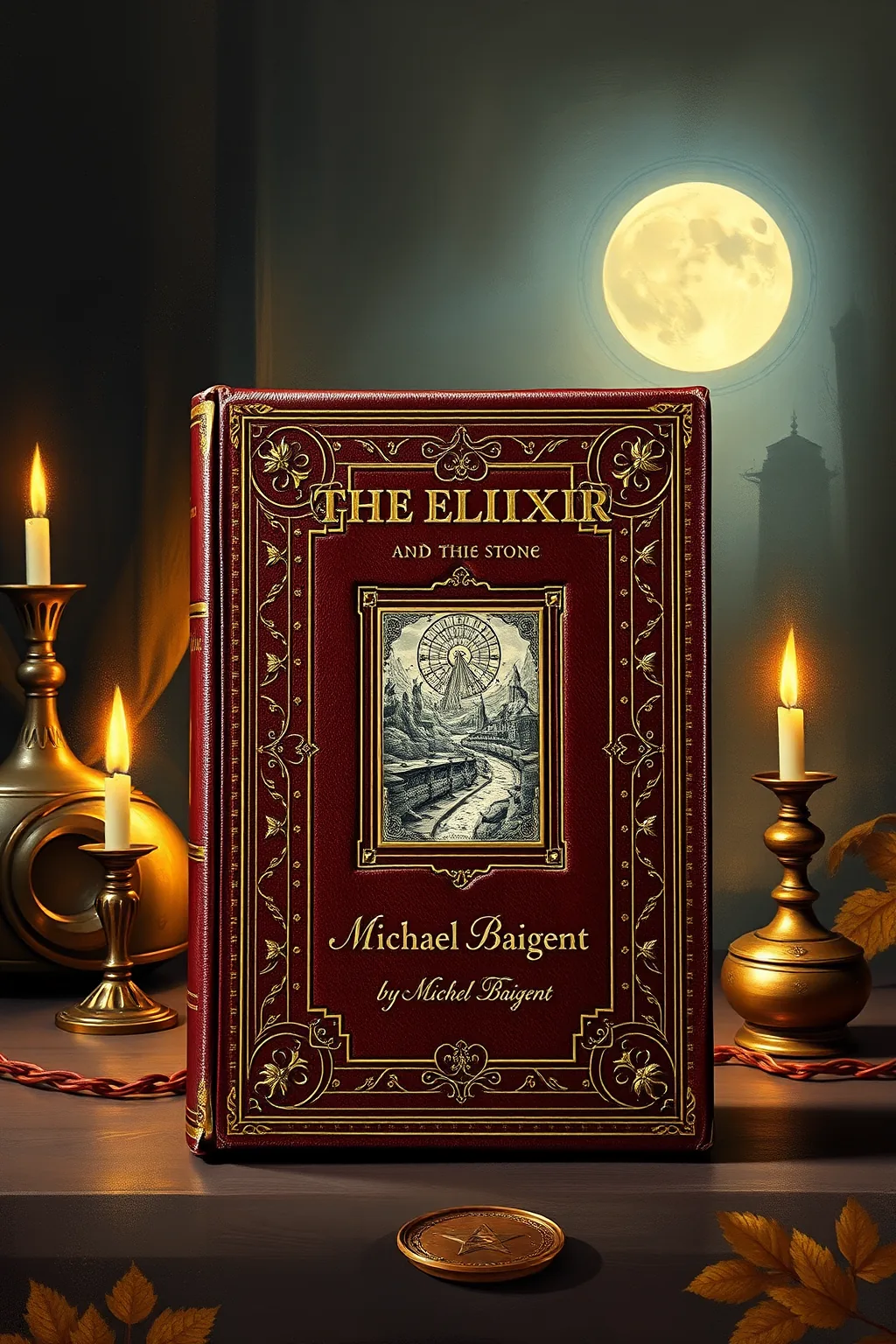
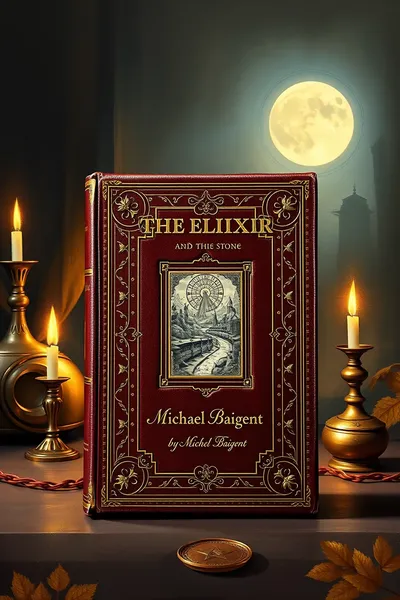
Michael Baigent’s The Elixir and the Stone attempts to map the spiritual landscape of alchemy, moving beyond the common perception of mere metallurgical fakery. Baigent is at his strongest when delineating the symbolic language of the alchemical process, presenting the Great Work as a profound metaphor for inner transformation. He particularly excels in connecting alchemical aspirations to early Christian and Gnostic ideas of salvation and rebirth. A notable strength is his handling of the concept of the 'spiritual body,' a subtle yet central theme. However, the work sometimes feels constrained by its academic approach, occasionally sacrificing narrative momentum for exhaustive exposition. The central argument concerning the alchemist's quest for a higher state of consciousness is compelling, though the specific mechanisms for achieving this remain somewhat abstract. Ultimately, Baigent offers a scholarly yet accessible overview of alchemy’s esoteric dimensions.
📝 Description
72
Michael Baigent's 1997 book argues alchemy was a spiritual quest, not just gold-making.
The Elixir and the Stone examines the historical and philosophical basis of alchemy, moving past its common association with turning base metals into gold. Michael Baigent's work investigates the symbolic language and spiritual aims embedded within alchemical traditions. He shows how alchemists saw the Great Work as a metaphor for personal transformation and achieving higher consciousness, not just a chemical process.
This book suits individuals interested in the deeper currents of Western esotericism. It is particularly for those who want to understand alchemy as a philosophical and spiritual discipline. Readers with a background in comparative religion, mythology, or the history of ideas will find Baigent's approach informative. It appeals to those who question simple interpretations of historical practices and are curious about the psychological and metaphysical dimensions of ancient wisdom traditions.
Published in 1997, The Elixir and the Stone arrived during a time of growing academic and popular interest in esoteric subjects. Baigent's work contributes to the ongoing discussion surrounding the intellectual history of alchemy. It places alchemical pursuits within the broader context of Renaissance thought, Gnosticism, and early Christian mysticism. The book challenges purely materialistic interpretations, emphasizing the spiritual quest that motivated these practices for centuries.
💡 Why Read This Book?
• Understand alchemy as a spiritual path: Learn how the alchemical pursuit of the Philosopher's Stone, as detailed in its historical texts, represented a metaphor for personal spiritual evolution and achieving a higher state of consciousness. • Grasp the Prima Materia's significance: Discover the alchemical concept of the Prima Materia not just as a raw substance, but as a foundational principle underlying all creation and transformation, central to the Great Work. • Connect alchemy to Gnostic traditions: Explore the explicit links Baigent draws between alchemical symbolism and early Gnostic and Christian ideas of rebirth and spiritual enlightenment, offering a unique comparative perspective.
⭐ Reader Reviews
Honest opinions from readers who have explored this book.
❓ Frequently Asked Questions
What is the primary focus of Michael Baigent's The Elixir and the Stone?
The book primarily focuses on the esoteric and spiritual dimensions of alchemy, interpreting alchemical processes and symbols as metaphors for personal transformation and the pursuit of higher consciousness, rather than solely literal chemical transmutations.
When was The Elixir and the Stone first published?
The Elixir and the Stone was first published in 1997, contributing to the late 20th-century resurgence of interest in esoteric philosophy and historical spiritual traditions.
Does the book discuss the Philosopher's Stone in detail?
Yes, the book delves into the concept of the Philosopher's Stone, examining its alchemical significance as a symbol of ultimate spiritual attainment and perfection, beyond its association with turning lead into gold.
What other historical or philosophical traditions does Baigent connect alchemy to?
Baigent connects alchemical traditions to Hermeticism, Gnosticism, and early Christian mysticism, exploring shared themes of spiritual rebirth, cosmic understanding, and the attainment of divine knowledge.
Is this book suitable for beginners in esoteric studies?
While accessible, the book assumes a certain level of interest in historical philosophy and spiritual concepts. It is particularly valuable for those seeking a deeper, symbolic understanding of alchemy beyond introductory texts.
What does 'The Great Work' refer to in the context of this book?
'The Great Work' (Magnum Opus) in Baigent's exploration refers to the alchemical quest for spiritual perfection and enlightenment, often symbolized by the creation of the Philosopher's Stone, encompassing both inner and outer transformation.
🔮 Key Themes & Symbolism
Alchemy as Inner Transformation
This theme posits that the alchemical 'Great Work' was not primarily about material transmutation but a profound metaphor for the alchemist's spiritual journey. Baigent illustrates how the processes described in alchemical texts—such as calcination, dissolution, and conjunction—parallel stages of psychological purification and spiritual awakening. The pursuit of the Philosopher's Stone becomes an allegory for achieving inner wholeness and union with the divine, reflecting a core tenet found in many esoteric traditions.
The Symbolism of Prima Materia
The concept of Prima Materia, the primordial, undifferentiated substance from which all things arise, is central. Baigent interprets this not merely as a physical starting point but as a symbol of potentiality, chaos, and the unmanifest divine. Understanding the Prima Materia is presented as the first crucial step in the alchemical process, requiring an alchemist to confront the raw, unformed aspects of existence and consciousness before any transformation can occur.
Esoteric Christianity and Gnosticism
A significant aspect of the book involves drawing parallels between alchemical symbolism and the doctrines of early Christian mystics and Gnostic sects. Baigent highlights how alchemical language often served as a coded expression for concepts like spiritual rebirth, the resurrection of the 'spiritual body,' and the attainment of gnosis (direct knowledge of the divine). This connection suggests that alchemy was deeply embedded within a broader esoteric worldview prevalent in late antiquity and the Renaissance.
The Elixir of Life and Immortality
Beyond the Philosopher's Stone, the Elixir of Life is examined as a symbol of spiritual immortality or perfected existence. Baigent explores how alchemists sought not just physical longevity but a state of being that transcended the limitations of mortal life. This quest for the Elixir is framed as the culmination of the alchemical journey, representing a profound integration of the material and spiritual realms.
💬 Memorable Quotes
Direct passages from the work, attributed to the author.
“The transmutation of metals was but a shadow of the true Work.”
— This interpretation highlights the core argument that alchemists were more concerned with inner spiritual change than with literal gold production. The physical processes served as a symbolic language for psychological and spiritual evolution.
“Understanding the Prima Materia is the key to unlocking all transformations.”
— This interpretation underscores the foundational importance of the Prima Materia in alchemical thought. It signifies the raw, primordial essence that must first be understood and worked with before any meaningful change or creation can occur.
“The alchemical laboratory was a stage for spiritual resurrection.”
— This interpretation frames the alchemical workspace as a sacred space for profound personal metamorphosis. It suggests that the physical experiments mirrored a deeper process of spiritual renewal and rebirth.
“Alchemy provided a language for esoteric Christian aspirations.”
— This interpretation points to the book's exploration of how alchemical symbolism was used to express Christian mystical ideas, particularly those related to spiritual transformation and union with the divine, often in coded language.
💡 Key Ideas
Editorial paraphrase of the work's core concepts — not direct quotes.
The Philosopher's Stone represented the attainment of divine perfection.
This paraphrased concept emphasizes the symbolic goal of alchemy. The Stone is presented not as a mere chemical substance, but as a metaphor for spiritual enlightenment and the realization of one's highest potential.
🌙 Esoteric Significance
Tradition
The work is situated within the Western Esoteric Tradition, with strong ties to Hermeticism and Gnosticism. Baigent interprets alchemical symbolism not as a precursor to modern chemistry, but as a sophisticated language for expressing spiritual and cosmological ideas common in these lineages. It departs from purely materialist interpretations by emphasizing the alchemist’s quest for spiritual perfection and union with the divine, aligning with the goal of many Gnostic and Hermetic initiates seeking inner gnosis and transformation.
Symbolism
Central symbols explored include the Philosopher's Stone, representing ultimate spiritual attainment and wholeness, and the Elixir of Life, symbolizing perfected being or spiritual immortality. The Prima Materia is discussed as the undifferentiated source of all existence, a symbol of raw potentiality and the chaos from which order and perfection are wrought through the alchemical process. These symbols function as archetypal keys to understanding the stages of spiritual evolution.
Modern Relevance
Contemporary practitioners of Hermeticism, Rosicrucianism, and various forms of ceremonial magic often draw upon Baigent’s interpretations for a deeper understanding of alchemical symbolism. His work informs modern psychological approaches to alchemy, such as those influenced by Jungian analysis, by providing historical context for the symbolic language. Thinkers exploring the intersection of spirituality, mythology, and personal development find renewed relevance in alchemy’s framework for transformation.
👥 Who Should Read This Book
• Students of Western Esotericism: Individuals seeking to understand the historical and philosophical underpinnings of traditions like Hermeticism and Rosicrucianism will benefit from Baigent’s detailed exploration of alchemical symbolism. • Comparative Religion Scholars: Researchers interested in the cross-pollination of ideas between alchemy, Gnosticism, and early Christian mysticism will find valuable connections and historical context. • Aspiring Alchemists (Spiritual Focus): Those drawn to the spiritual or inner dimensions of alchemy, looking to grasp its symbolic language for personal transformation rather than literal laboratory work, will find this book informative.
📜 Historical Context
Published in 1997, Michael Baigent's *The Elixir and the Stone* arrived during a period of burgeoning academic interest in Western esotericism, building upon the foundational work of scholars like Frances Yates, who extensively explored the Hermetic tradition. Baigent's book engaged with the intellectual currents of the Renaissance and late antiquity, examining how alchemical practices were interwoven with mystical and philosophical traditions such as Gnosticism and early Christian mysticism. This era saw a diversification of scholarly approaches to alchemy, moving beyond purely materialistic or psychological interpretations to consider its historical spiritual context. While not directly engaging in public debate, Baigent’s work contributed to a broader academic and popular re-evaluation of alchemy’s significance as a spiritual discipline, offering an alternative to purely historical or psychoanalytic readings that had previously dominated discussions.
📔 Journal Prompts
The concept of the Prima Materia as untapped potential.
Reflect on the alchemical process as a metaphor for personal growth.
The symbolic meaning of the Philosopher's Stone in your own life.
Connections between alchemical language and early Christian symbolism.
The goal of spiritual immortality as presented in the Elixir of Life.
🗂️ Glossary
Prima Materia
The fundamental, undifferentiated substance or chaos from which all things are believed to originate in alchemical cosmology. It represents raw potentiality and the starting point of the Great Work.
Philosopher's Stone
The legendary alchemical substance believed to be capable of transmuting base metals into gold and producing the Elixir of Life. Esoterically, it symbolizes spiritual perfection and enlightenment.
Elixir of Life
A potion or substance believed to grant immortality or prolong life indefinitely. In esoteric alchemy, it represents the attainment of spiritual perfection and a transcendent state of being.
The Great Work (Major work)
The entire process of alchemical transformation, encompassing both material transmutation and, more importantly, spiritual purification and enlightenment. It is the alchemist's ultimate quest.
Gnosis
A Greek term meaning 'knowledge,' particularly direct, intuitive, or spiritual knowledge of the divine. It is a central concept in Gnosticism and often a goal in esoteric traditions.
Spiritual Body
In esoteric contexts, an immortal or perfected spiritual essence or form that is believed to survive physical death. Alchemical texts often allude to its creation or resurrection through the Great Work.
Calcination
An alchemical process involving heating a substance strongly in air to reduce it to a fine powder or ash. Symbolically, it represents purification through fire or intense trial.
🔮 Readers Also Liked
Browse all →







More by Michael Baigent
All books →



More Free Alchemy & Hermeticism Books
View all →