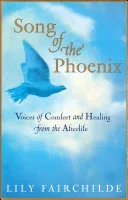
Song of the Phoenix
 76
76

Song of the Phoenix
Lily Fairchilde's *Song of the Phoenix* attempts to map the terrain beyond physical death, presenting a collection of purported post-mortem narratives. The strength of the work lies in its compassionate framing of loss, particularly for those who have died under difficult circumstances, such as suicide or accidental death. Fairchilde’s role as a spiritual counselor is evident in the empathetic tone. However, the book struggles to move beyond anecdotal evidence, relying heavily on the authority of the voices it presents without offering rigorous corroboration. A passage detailing the experience of a child soul's transition, while moving, exemplifies this reliance on faith over verifiable experience. The work’s limitation is its lack of critical engagement with potential psychological or subjective interpretations of these experiences. Ultimately, *Song of the Phoenix* serves as a comforting collection of beliefs for those already inclined toward spiritualist views on the afterlife.
📝 Description
76
Published in 2014, Song of the Phoenix shares accounts of afterlife transitions.
Lily Fairchilde's 2014 book, Song of the Phoenix, examines accounts from individuals who report experiences beyond earthly life. The author, a spiritual healer, aims to clarify notions of death, loss, and spiritual continuation. Fairchilde uses the Egyptian phoenix as a symbol of rebirth after destruction, drawing parallels with ancient mythology. This work is for those confronting grief, questions about mortality, or seeking comfort about the soul's fate. Readers interested in near-death experiences, mediumship, and spiritualist literature will find its perspectives valuable. The book offers solace and alternative views for individuals who have faced personal losses, including the death of a child or suicide.
The book's core idea is the soul's continued existence after death. Fairchilde discusses the circumstances and experiences of souls, even those who died tragically or by suicide, positing that spiritual growth is achievable for everyone. The phoenix symbol represents transformation, endurance, and the spirit's unending nature, reborn from the remnants of earthly life. The work emerges from a tradition of spiritualist inquiry into the afterlife, a field that saw increased interest in the 19th and early 20th centuries.
Song of the Phoenix continues a spiritualist tradition that investigated the afterlife and communication with the deceased. This lineage includes figures like Helena Blavatsky and Arthur Conan Doyle, prominent in the 19th and early 20th centuries. Fairchilde's book connects these historical inquiries with contemporary narratives, focusing on the nature of consciousness beyond physical existence. It addresses cultural interests in what happens after death, echoing earlier spiritualist accounts of the spirit world.
💡 Why Read This Book?
• Gain a spiritual perspective on the continuity of consciousness beyond earthly life, specifically exploring the concept of soul progression as presented in the book's narratives concerning souls who experienced difficult earthly lives. • Understand the symbolic meaning of the phoenix, as used in the book to represent rebirth and transformation, and how this ancient motif is applied to contemporary understandings of post-mortem existence. • Find solace and alternative viewpoints on grief and mortality by engaging with the book's accounts of souls transitioning after death, including those who died by suicide or as children, as detailed in the 2014 publication.
⭐ Reader Reviews
Honest opinions from readers who have explored this book.
❓ Frequently Asked Questions
What does the phoenix symbolize in Lily Fairchilde's 'Song of the Phoenix'?
In 'Song of the Phoenix,' the phoenix symbolizes rebirth, immortality, and spiritual transformation. It represents the soul's ability to rise anew from the 'ashes' of earthly life or even death, mirroring the mythological bird's cycle of renewal.
What is the central theme of 'Song of the Phoenix'?
The central theme is the continuity of the soul and the nature of the afterlife. The book explores what happens after death, offering narratives and insights into the experiences of souls transitioning from earthly existence.
Who is Lily Fairchilde and what is her background?
Lily Fairchilde is identified in the book as a spiritual healer and counselor. Her background suggests a focus on guiding individuals through emotional and spiritual challenges, particularly those related to life, death, and the afterlife.
When was 'Song of the Phoenix' first published?
'Song of the Phoenix' by Lily Fairchilde was first published on November 18, 2014. This publication date places it within contemporary discussions of spirituality and the afterlife.
Does the book discuss the afterlife for souls who died by suicide?
Yes, the book addresses the experiences of various souls after death, including those who died by suicide. It aims to provide comfort and understanding regarding their spiritual journey beyond earthly life.
What ancient mythology is referenced in 'Song of the Phoenix'?
The book prominently references Egyptian mythology, specifically the legend of the phoenix. This ancient symbol is used as a metaphor for rebirth and immortality in the context of the soul's journey after death.
🔮 Key Themes & Symbolism
The Soul's Post-Mortem Journey
The core of 'Song of the Phoenix' is the exploration of the soul's path after physical death. It posits that consciousness continues and undergoes a transition, encountering various states and guides. The book presents these transitions not as an end, but as a continuation of spiritual evolution, drawing on channeled or perceived communications to illustrate the process for different souls, including those who met tragic ends.
Rebirth and Transformation
Symbolized by the titular phoenix, the theme of rebirth is central. This concept applies not only to the general idea of an afterlife but also to the potential for souls to overcome past traumas or negative earthly experiences. The book suggests that even souls who suffered greatly or ended their lives prematurely can find renewal and progress in the spiritual realms, echoing ancient cyclical views of existence.
Grief and Comfort
Fairchilde's work offers a perspective intended to alleviate the pain of loss. By presenting narratives of continued existence and spiritual peace, the book provides a framework for understanding the departure of loved ones. It aims to comfort those left behind by suggesting that death is not an absolute end but a transition to another form of being.
Diverse Afterlife Experiences
The book details a spectrum of experiences encountered by souls post-mortem. It addresses the fates of children, those who committed suicide, and others who experienced difficult earthly lives. This diversity aims to illustrate that the afterlife is not monolithic but offers tailored experiences and opportunities for growth, regardless of one's earthly circumstances or manner of death.
💬 Memorable Quotes
Direct passages from the work, attributed to the author.
“The phoenix rose from the ashes of death to attain immortality.”
— This serves as the foundational metaphor, illustrating the core concept of perpetual spiritual existence and renewal that the book explores regarding the soul's journey beyond earthly life.
“What awaits each of us after life on Earth is over.”
— This expresses the book's central inquiry, promising to shed light on the mysteries of the afterlife and the continuity of consciousness for every individual soul.
“Encountering many different souls, accompanied by the...”
— This phrase suggests a structured, guided journey through the spirit world, where souls are not alone but are met and supported by entities or guides during their transition.
“The soul’s dark, Earthly life finally ends.”
— This interpretation implies that even souls who experienced profound suffering or negativity during their earthly existence can find a conclusion to that pain and move towards a different state.
“A magical voyage during which we learn...”
— This frames the book's content as an enlightening and possibly transformative exploration, inviting the reader to begin of spiritual discovery concerning life after death.
🌙 Esoteric Significance
Tradition
The work aligns with modern spiritualist and New Age traditions that emphasize the continuity of consciousness and the soul's journey beyond the physical body. It departs from strict adherence to established esoteric lineages like Hermeticism or Kabbalah by focusing on experiential accounts and accessible symbolism rather than complex symbolic systems or ritualistic practices.
Symbolism
The primary symbol is the Phoenix, representing resurrection, immortality, and the cyclical nature of existence. It signifies the soul's ability to emerge renewed from the 'ashes' of death or earthly suffering. Another motif is the 'magical voyage,' representing the soul's transition and learning process in the afterlife, guided by unseen forces or entities.
Modern Relevance
Fairchilde's work speaks to contemporary interest in near-death experiences (NDEs), consciousness studies, and grief counseling that incorporates spiritual perspectives. It offers a narrative framework for understanding death that appeals to those seeking meaning beyond materialist explanations, finding echoes in modern channels and intuitive explorations of the spirit world.
👥 Who Should Read This Book
• Individuals experiencing grief or loss who seek spiritual comfort and alternative perspectives on what happens after death, particularly those open to spiritualist or New Age concepts. • Students of comparative religion and esoteric studies interested in contemporary interpretations of the afterlife and soul continuity, especially those examining the evolution of spiritualist thought post-20th century. • Seekers of personal spiritual growth interested in exploring themes of transformation, rebirth, and the potential for continued existence, drawing parallels with mythological symbols like the phoenix.
📜 Historical Context
Published in 2014, *Song of the Phoenix* emerges within a contemporary spiritual landscape that continues to engage with perennial questions of life, death, and the afterlife. While the spiritualist movement peaked in the late 19th and early 20th centuries, with prominent figures like Sir Arthur Conan Doyle exploring similar themes of spirit communication and the soul's journey, Fairchilde's work adapts these concepts for a modern audience. It can be seen as a continuation of the Theosophical Society's interest in reincarnation and the astral plane, though it focuses more directly on the immediate post-mortem experience. Unlike the more structured, often religiously inflected spiritualist doctrines of the past, Fairchilde's approach leans towards a more individualized and emotionally resonant exploration of spiritual continuity, offering solace in a secularizing world.
📔 Journal Prompts
The phoenix motif as a symbol of personal renewal after hardship.
Reflecting on the concept of a 'soul's dark, Earthly life' and its potential for resolution.
Considering the 'magical voyage' of the soul in the context of personal spiritual beliefs.
Exploring the idea of continuity beyond physical death and its implications for life.
The experience of encountering 'different souls' in transitions, real or metaphorical.
🗂️ Glossary
Soul's Journey
The path and experiences of consciousness after the physical body ceases to function. It implies a continuation of existence with learning, growth, and potential progression.
Phoenix
A mythological bird, famously from Egyptian lore, that cyclically regenerates or is otherwise born again. In this context, it symbolizes rebirth, immortality, and the soul's renewal.
Afterlife
The existence of consciousness or a soul after physical death. The book explores various interpretations and alleged experiences of this state.
Spiritual Healer
An individual who assists others in their spiritual or emotional well-being, often through non-traditional or metaphysical means, as Lily Fairchilde is described.
Transition
The process of moving from one state or phase to another, specifically referring to the soul's movement from earthly life to the afterlife.
Immortality
The state of living forever; in the context of the book, it refers to the eternal nature of the soul or consciousness rather than the physical body.
Lost Soul
A soul that is perceived to be suffering, confused, or disconnected from its spiritual path, particularly after death, often due to difficult earthly experiences.