Six Feet Over
 80
80

Six Feet Over
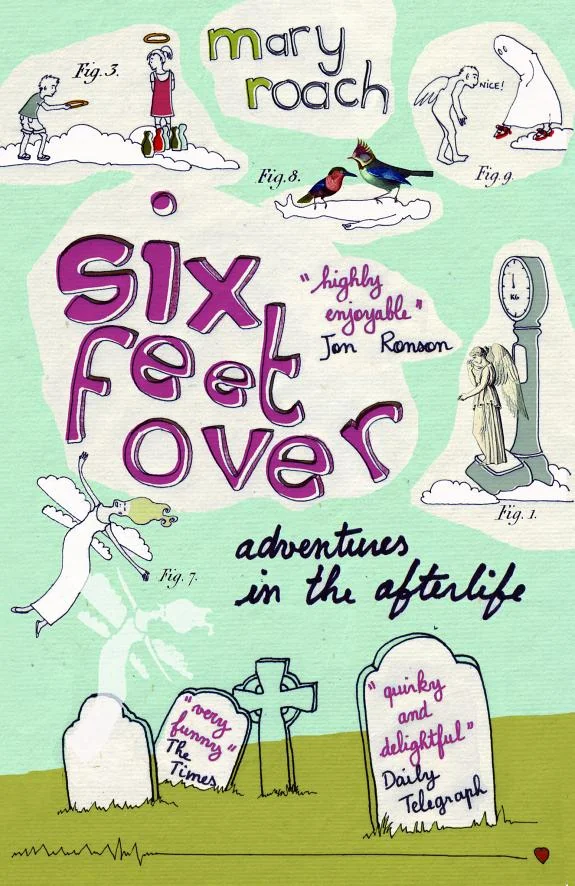
Mary Roach’s Six Feet Over is a work of morbid fascination, meticulously detailing the biological aftermath of death. Roach’s journalistic approach, characterized by her characteristic blend of dark humor and scientific rigor, makes even the most visceral descriptions palatable, if not entirely comfortable. She excels at translating complex biological processes into accessible prose. A particular strength lies in her exploration of historical embalming techniques and the sheer ingenuity, however macabre, employed to preserve bodies for viewing, a practice often taken for granted. However, the book occasionally feels like a collection of disparate essays rather than a cohesive narrative, with transitions between topics sometimes abrupt. Roach’s investigation into the science of body farms, for instance, is fascinating but could have been more tightly integrated. Despite this minor structural quibble, Six Feet Over remains an informative and unflinching examination of a subject most prefer to avoid.
📝 Description
80
Mary Roach's 2009 book, Six Feet Over, examines the science of death.
Six Feet Over, published in 2009, is Mary Roach's investigation into the scientific processes that follow death. The book covers decomposition, funeral customs, and the biological and cultural reactions to mortality. Roach's writing appeals to readers interested in the scientific realities of death, including forensic science and thanatology. It offers a factual, unsentimental perspective on what occurs after life.
Published during a time of growing public interest in death sciences, often fueled by forensic dramas, Roach's work distinguishes itself. Unlike more sensationalized narratives, it centers on diligent scientific inquiry and the historical evolution of funerary practices. This approach contrasts with earlier texts that focused solely on anatomy or philosophy concerning death. The book details decomposition, embalming science, cremation methods, and the biological aspects of decay.
While not strictly esoteric in the sense of occult or mystical traditions, Six Feet Over engages with a subject often relegated to the fringes of polite conversation and conventional science. It addresses the biological finality of existence, a topic that touches upon deeply held cultural and personal beliefs about the afterlife and the body's fate. By meticulously detailing the physical transformations after death and the historical methods humans have devised to manage it, Roach brings a scientific lens to a subject that frequently inspires fear, ritual, and philosophical contemplation.
💡 Why Read This Book?
• Gain a scientific understanding of decomposition processes, moving beyond common myths about what happens to the body after death, as detailed in Roach’s exploration of autolysis and putrefaction. • Appreciate the history and scientific evolution of funerary practices, from ancient embalming to modern cremation, as discussed in sections examining the work of early pathologists. • Confront the cultural and biological aspects of mortality with a rational, evidence-based perspective, challenging emotional responses with factual accounts of biological persistence.
⭐ Reader Reviews
Honest opinions from readers who have explored this book.
❓ Frequently Asked Questions
What is the primary focus of Mary Roach's Six Feet Over?
Six Feet Over primarily focuses on the scientific processes of death and decomposition. Mary Roach investigates the biological, chemical, and physical changes that occur to a body after death, as well as the history and science behind various funeral practices.
Is Six Feet Over a gruesome book?
While the subject matter is inherently grim, Mary Roach's writing style is known for its scientific accuracy and dark humor, which often serves to distance the reader from gratuitous gore and focus on the scientific aspects rather than shock value.
What historical periods or figures does Six Feet Over reference?
The book references historical practices and figures in thanatology and forensic science, including early embalming techniques and the work of pioneers in fields like pathology, such as Sir Bernard Spilsbury.
Does the book discuss cultural views on death?
Yes, while primarily scientific, Six Feet Over touches upon cultural attitudes and historical practices surrounding death and burial rituals, contrasting them with the biological realities. It explores how societies have dealt with the physical presence of the deceased.
What makes Mary Roach's approach to this topic unique?
Roach's uniqueness lies in her ability to tackle taboo subjects with scientific curiosity and a disarming wit. She interviews scientists, explores laboratories, and participates in investigations, bringing a journalistic, accessible, and often humorous perspective to the study of death.
When was Six Feet Over first published?
Six Feet Over was first published in 2009, contributing to a growing public discourse on the science of death and mortality.
🔮 Key Themes & Symbolism
The Science of Decay
This theme looks at the biological processes that govern the decomposition of human remains. Roach meticulously details autolysis, putrefaction, and the role of various organisms, from bacteria to insects, in breaking down tissues. The work provides a factual counterpoint to common misconceptions, illustrating the complex, albeit unappetizing, natural cycles involved in the body's return to the earth. It underscores the biological inevitability and scientific fascination surrounding post-mortem changes, moving beyond mere morbid curiosity into an examination of ecological and chemical transformations.
Historical Funeral Practices
Roach examines the evolution of methods developed to preserve or dispose of the dead. This includes historical and contemporary embalming techniques, the science behind cremation, and the development of morgues and dissection practices. The work highlights human efforts to control or alter the natural process of death, often driven by social customs, religious beliefs, or scientific inquiry. It traces the lineage of these practices, often encountering surprising scientific discoveries or persistent folk beliefs that shaped funerary rituals over centuries.
Thanatology and Forensic Science
The book illuminates the field of thanatology, the study of death, with a particular focus on its forensic applications. Roach investigates how scientific understanding of decomposition aids in criminal investigations, touching upon the work done at places like body farms. This theme explores the practical uses of studying death, from determining time of death to understanding environmental impacts. It showcases the dedication of scientists working in often challenging conditions to advance knowledge about mortality and its physical consequences.
Cultural Perceptions of Death
While primarily scientific, Six Feet Over implicitly contrasts the biological realities of death with societal attitudes and taboos. Roach's interviews and observations reveal how cultural norms dictate our comfort levels with discussing and interacting with the deceased. The book highlights the human desire to sanitize or distance ourselves from the physical aspects of mortality, often through elaborate rituals or technological interventions. This exploration underscores the tension between our biological fate and our cultural constructions of death and remembrance.
💬 Memorable Quotes
Direct passages from the work, attributed to the author.
“The body is a machine that runs down.”
— This conceptual quote expresses Roach's fundamental approach: viewing the human body through a scientific, mechanical lens. It suggests that death is a natural cessation of function, akin to a machine breaking, rather than a mystical event, emphasizing biological processes over spiritual interpretations.
“Death is the great equalizer, but the decomposition process is a great decomposer.”
— This interpretation highlights Roach's focus on the biological realities that follow death. While society may view death as a spiritual or social leveller, the physical body undergoes a universal biological breakdown, subject to natural forces regardless of one's former status.
“The smell of death is the smell of life’s continuation.”
— This interpretation captures the paradoxical aspect of decomposition. The biological processes that create the odors associated with death are, in fact, teeming with microbial and insect life, representing a continuation of the ecological cycle, albeit in a form that humans often find repellent.
💡 Key Ideas
Editorial paraphrase of the work's core concepts — not direct quotes.
Embalming is a form of taxidermy for humans.
This paraphrased concept draws a stark, albeit humorous, parallel between preserving animal specimens and preserving human bodies for viewing. It highlights the artificiality and technical nature of embalming, framing it as a scientific process of halting natural decay for aesthetic or ceremonial purposes.
Science has a solution for everything, even death.
This sentiment, paraphrased from the book's exploration of various scientific interventions related to death, reflects Roach's underlying theme. It points to the human drive to understand and control even the most fundamental aspects of existence, applying scientific methods to manage, study, or mitigate the consequences of mortality.
🌙 Esoteric Significance
Tradition
While Six Feet Over is primarily a work of popular science and not rooted in any specific esoteric tradition, its exploration of the physical transformation after death touches upon themes relevant to various metaphysical and Hermetic philosophies. Esoteric traditions often focus on the soul's journey or the spiritual body's separation from the physical. Roach’s work provides a stark, materialist counterpoint, grounding discussions of death in biological processes rather than spiritual or mystical ones. It implicitly engages with how physical decay relates to concepts of impermanence and the material world, a common concern in Hermetic thought.
Symbolism
The book itself doesn't employ overt esoteric symbolism in the traditional sense. However, the very process of decomposition can be viewed metaphorically within an esoteric framework as a form of alchemical dissolution and transformation. The breakdown of the physical body mirrors concepts of 'solve et coagula' (dissolve and coagulate), where matter is broken down to be reformed. Insects and microbes, often seen in mundane terms, could be interpreted as agents of this transformative process, facilitating the return of the physical form to elemental states, a concept resonant with Hermetic ideas of cyclical change and elemental interplay.
Modern Relevance
Roach's unflinching scientific approach to death has paved the way for more open, secular discussions about mortality. Contemporary movements like the 'death positive' movement, championed by figures such as Caitlin Doughty, owe a debt to works like Six Feet Over for normalizing the scientific study of death. Modern thinkers and practitioners in fields ranging from palliative care to forensic science continue to draw on the scientific understanding of decomposition and post-mortem processes that Roach so effectively popularized, encouraging a more rational and less fearful engagement with our inevitable end.
👥 Who Should Read This Book
• Curious minds interested in the biological and scientific aspects of death and decomposition, seeking factual answers to morbid questions. • Forensic science enthusiasts and students who want to understand the real-world processes behind death investigation and thanatology. • Readers who appreciate investigative journalism that tackles taboo subjects with rigor, humor, and a commitment to scientific accuracy, even when the subject matter is grim.
📜 Historical Context
Published in 2009, Mary Roach's Six Feet Over emerged in a cultural landscape increasingly curious about the science of death, partly fueled by the popularity of forensic television dramas. The book distinguished itself by offering a rigorously researched, yet accessible, look at thanatology and funerary science, moving beyond sensationalism. It arrived in an era where scientific understanding of mortality was becoming more openly discussed, contrasting with earlier, more philosophical or purely medical texts on death. Roach’s work can be seen as part of a broader trend in nonfiction that explains complex or taboo subjects. Contemporaries like Caitlin Doughty, who would later found The Order of the Good Death, would build upon this growing public interest, though Roach’s 2009 work predates Doughty's more prominent public advocacy. The book’s reception was generally positive, lauded for its factual reporting and mix of humor and scientific detail, avoiding the moralistic or purely anatomical approaches that characterized earlier discussions.
📔 Journal Prompts
The biological processes of decomposition as depicted in the book.
Historical funeral practices and their scientific underpinnings.
The role of insects and microbes in the post-mortem environment.
Scientific understanding versus cultural taboos surrounding death.
The concept of the body as a complex biological machine.
🗂️ Glossary
Thanatology
The scientific study of death, including the biological, psychological, social, and philosophical aspects of dying and bereavement.
Decomposition
The process by which organic substances are broken down into simpler organic or inorganic matter, such as by bacterial or fungal action.
Autolysis
The breakdown of cells by their own internal enzymes. It is one of the earliest stages of decomposition.
Putrefaction
The process of decomposition of organic matter, especially by anaerobic microorganisms, often associated with foul odors.
Embalming
The process of preserving a corpse by treating it with chemicals to delay decomposition, typically for viewing during funeral services.
Forensic Pathology
A medical specialty that determines the cause of death in legally relevant cases, often involving examination of a body and laboratory tests.
Sir Bernard Spilsbury
A prominent British forensic pathologist known for his work in the early 20th century, whose cases helped establish modern forensic science.
🔮 Readers Also Liked
Browse all →








More by Mary Roach
All books →

More Free Occult Philosophy Books
View all →