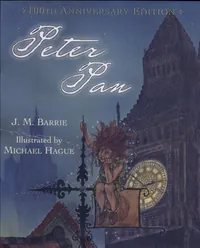
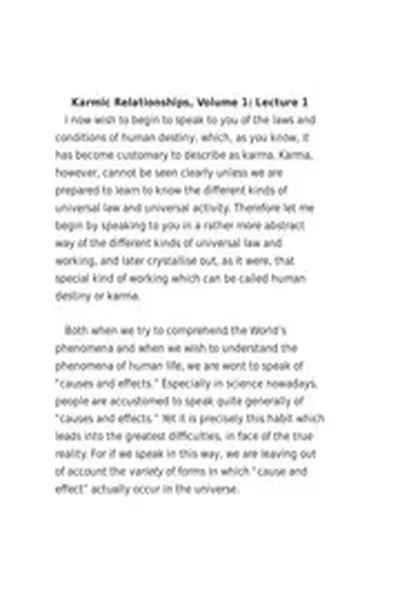
A Secret History of Memphis Hoodoo

 84
84

A Secret History of Memphis Hoodoo
Tony Kail's "A Secret History of Memphis Hoodoo" provides a necessary corrective to the often romanticized or generalized accounts of African American folk magic. By anchoring the discussion firmly in Memphis, Kail offers a grounded, almost anthropological, study of a specific regional practice. His meticulous research into the city's spiritual geography, particularly his exploration of the symbolic "Memphis Grid," is a standout element. However, the work occasionally suffers from an overabundance of detail that can obscure the broader narrative flow, making certain sections dense for the casual reader. The section detailing the use of specific graveyard dirt and its symbolic weight is particularly illuminating, showcasing Kail's deep engagement with the material. "A Secret History of Memphis Hoodoo" is a valuable, if at times demanding, scholarly contribution to the study of American esoteric traditions.
📝 Description
84
Tony Kail's 2017 book details the unique Memphis Hoodoo tradition.
This work focuses on a specific, localized African American folk magic tradition originating in Memphis, Tennessee. It moves beyond general discussions of Hoodoo to examine its particular forms, practices, and practitioners within a defined cultural and geographical area. The book traces the historical development of these spiritual methods, charting their beginnings and changes over time. It is written for readers seriously interested in the specifics of American folk magic, especially those who have already read general texts on Hoodoo and want a more geographically specific understanding. Cultural historians, folklorists, religious studies scholars, and practitioners interested in the detailed aspects of magical traditions will find value here. Those who appreciate ethnographic depth and historical accuracy will consider this an important resource. The story unfolds against the backdrop of Memphis's rich history, a city known for its role in blues music, civil rights activism, and a lively spiritual atmosphere. Kail places Memphis Hoodoo within the larger context of post-slavery African American religious expression, syncretism, and the lasting impact of West African spiritual systems. The work acknowledges the societal circumstances that shaped these practices, including segregation and urban migration.
Memphis Hoodoo represents a regional variant within the broader spectrum of African American folk magic. It builds upon West African spiritual traditions, adapting them to the American South, particularly the urban environment of Memphis. This tradition is distinct from generalized Hoodoo, incorporating local beliefs and practices shaped by the city's unique history and cultural influences. The book examines how these spiritual technologies developed in response to specific social and historical conditions, including the legacy of slavery and subsequent African American religious expression.
💡 Why Read This Book?
• Gain a precise understanding of the "Memphis Grid" and its significance within a specific Hoodoo tradition, learning how urban geography shapes spiritual practice beyond generalized notions. • Discover the historical development of Memphis Hoodoo from the late 19th century through the 20th century, understanding how societal shifts like the Great Migration influenced its evolution. • Examine the specific tools and techniques employed by Memphis conjure doctors, moving beyond abstract concepts to practical applications and their symbolic meanings within this localized context.
⭐ Reader Reviews
Honest opinions from readers who have explored this book.
❓ Frequently Asked Questions
What makes Memphis Hoodoo distinct from other regional Hoodoo practices?
Memphis Hoodoo is distinguished by its unique geographical and spiritual mapping, notably the concept of the "Memphis Grid." This focuses spiritual energies and practices within the city's specific layout, cemeteries, and cultural landmarks, differentiating it from more generalized or other regional forms.
When was "A Secret History of Memphis Hoodoo" first published?
The initial publication of "A Secret History of Memphis Hoodoo" by Tony Kail was in 2017, marking its entry into contemporary discussions of esoteric and folk magic traditions.
Who is Tony Kail and what is his background?
Tony Kail is an author and researcher specializing in Southern folk magic and esoteric traditions. His work often focuses on the history and practice of Hoodoo, particularly within specific geographical areas like Memphis.
Does the book discuss specific conjure doctors or historical figures?
Yes, the book explores the roles and practices of various conjure doctors and spiritual practitioners who have shaped Memphis Hoodoo. It aims to document their contributions and the lineage of these traditions.
Are there practical applications or spells detailed in "A Secret History of Memphis Hoodoo"?
While the book is primarily historical and ethnographic, it does detail the methods, tools, and conceptual frameworks used by practitioners. This provides insight into the practical aspects of Memphis Hoodoo without necessarily being a spellbook.
What is the significance of cemeteries in Memphis Hoodoo as discussed by Kail?
Cemeteries, such as Elmwood Cemetery, are presented as vital spiritual landscapes in Memphis Hoodoo. They are viewed as places where the veil between worlds is thin, and where practitioners can access ancestral energies or specific spiritual forces.
🔮 Key Themes & Symbolism
The Memphis Grid
Kail introduces the concept of the "Memphis Grid" as a spiritual cartography unique to the city's Hoodoo tradition. This isn't merely a geographical map but a symbolic representation of energetic ley lines and spiritual power centers within Memphis. The work explores how practitioners utilize this understanding of urban space, specific intersections, and significant landmarks like cemeteries (such as Elmwood Cemetery) to conduct their work, perform rituals, and access spiritual forces. It highlights how the city's layout itself becomes an active component in magical practice, moving beyond generalized geomancy to a localized, urban spiritual system.
Lineage and Practice of Conjure Doctors
The book meticulously documents the historical development and practices of conjure doctors and rootworkers specifically within the Memphis context. It moves beyond broad categorizations to identify individuals, trace their lineages where possible, and describe the specific methods, tools, and belief systems they employed. This focus on individual practitioners and their unique approaches offers a granular view of how Hoodoo was adapted and maintained in a particular urban environment, emphasizing the personal transmission of knowledge and skill across generations.
Syncretism and Adaptation
Kail examines the complex syncretism inherent in Memphis Hoodoo, showing how it integrated elements from West African spiritual traditions, Christian beliefs, and other folk practices prevalent in the American South. The work details how these diverse influences were not simply blended but actively adapted to the specific social, cultural, and urban range of Memphis. This process of adaptation is presented as crucial to the tradition's resilience and its ability to serve the spiritual needs of its community through various historical periods.
Spiritual Geography and Cemeteries
A significant theme is the role of spiritual geography, with particular emphasis on cemeteries. Kail looks at the specific significance of Memphis cemeteries, such as Elmwood, as potent sites for spiritual work. These locations are not just burial grounds but are understood as liminal spaces where communication with ancestors, spirits, and other entities is facilitated. The book explores the rituals, beliefs, and practices associated with these sacred grounds within the context of Memphis Hoodoo.
💬 Memorable Quotes
Direct passages from the work, attributed to the author.
“The Memphis Grid functions as a spiritual blueprint for the city.”
— This statement captures Kail's central thesis regarding the unique spatial magic of Memphis Hoodoo, suggesting that the city's layout is imbued with spiritual significance utilized by practitioners.
“Cemeteries are not merely resting places, but active spiritual crossroads.”
— This highlights the dynamic view of cemeteries within Memphis Hoodoo, portraying them as potent sites for spiritual interaction and ritual work, rather than passive locations.
“Hoodoo in Memphis evolved through the crucible of urban migration and segregation.”
— This interpretation points to the social and historical forces that shaped the tradition, emphasizing that its practices are a response to lived experiences within a specific socio-political environment.
“The lineage of conjure doctors is often transmitted through personal mentorship.”
— This emphasizes the importance of direct, personal teaching and apprenticeship in the continuation of Hoodoo practices, underscoring the relational aspect of magical knowledge transfer.
“Specific grave dirt possesses unique energetic properties relevant to ritual.”
— This interpretation underscores the material aspect of Hoodoo practice, suggesting that elements drawn from the environment, like cemetery soil, hold inherent spiritual power that practitioners harness.
🌙 Esoteric Significance
Tradition
Memphis Hoodoo, as detailed by Kail, represents a potent manifestation of African Diasporic religious traditions, deeply rooted in West African animistic and spiritualist beliefs, which were subsequently syncretized with elements of Christianity and European folk magic. It fits within the broader umbrella of Hoodoo but distinguishes itself through its specific urban geographical focus and the unique spiritual cartography known as the "Memphis Grid." This localized approach underscores the adaptability and resilience of these traditions in new environments.
Symbolism
Key symbols explored include the "Memphis Grid" itself, representing the city as a charged spiritual landscape. Cemeteries, such as Elmwood Cemetery, function as powerful symbolic sites, understood as liminal spaces for accessing ancestral spirits and spiritual forces. The tools of conjure doctors—bags, roots, herbs, and personal artifacts—also carry significant symbolic weight, representing connections to the physical and spiritual realms, and acting as conduits for focused intention and power.
Modern Relevance
Contemporary practitioners and scholars of folk magic, particularly those focused on American esoteric traditions, draw upon Kail's work to understand the granular details of regional Hoodoo. His research informs discussions on urban spirituality, the impact of geography on magical practice, and the continuing evolution of African Diasporic religions. Thinkers interested in comparative religious studies and the persistence of folk practices in modern society find value in this detailed case study.
👥 Who Should Read This Book
• Students of American folk magic seeking to understand regional variations beyond generalized Hoodoo texts, who will learn about the specific "Memphis Grid" and its spiritual applications. • Cultural historians and folklorists interested in the impact of urbanization and migration on religious and spiritual practices, gaining insights into how traditions adapt to new environments. • Practitioners of spiritualism and rootwork looking for detailed ethnographic accounts of historical methods and beliefs, understanding the specific context of Memphis conjure doctors.
📜 Historical Context
Published in 2017, Tony Kail's "A Secret History of Memphis Hoodoo" emerged during a period of renewed academic and popular interest in African American folk magic, moving beyond earlier, more generalized studies. The work grounds itself in the specific historical milieu of Memphis, a city deeply marked by the Great Migration, blues music's birth, and enduring racial dynamics. Kail situates Memphis Hoodoo within the broader range of post-slavery spiritual development, acknowledging its roots in West African traditions but emphasizing its unique adaptation to the American South. Unlike works that might focus on generalized conjure or rootwork, Kail's contribution lies in its intense geographic and cultural specificity. While not directly engaging with contemporaneous scholars in a polemical manner, the book implicitly addresses the need for localized ethnography, countering a potential tendency towards universalizing esoteric studies. Its reception likely appealed to folklorists and religious historians seeking detailed case studies of regional spiritual practices.
📔 Journal Prompts
Reflect on the concept of the "Memphis Grid" and its potential application to your own locality.
Consider the role of cemeteries as spiritual crossroads, drawing parallels to your understanding of sacred spaces.
Analyze the syncretic nature of Memphis Hoodoo as described, identifying how diverse influences merged.
Explore the historical context of conjure doctors in Memphis, considering their societal role.
Examine the symbolic significance of specific tools used by practitioners mentioned in the book.
🗂️ Glossary
Memphis Grid
A concept introduced by Tony Kail referring to a symbolic mapping of spiritual energies and power centers within the city of Memphis, used by practitioners of local Hoodoo.
Conjure Doctor
A practitioner of Hoodoo or rootwork, often skilled in divination, healing, and the use of spiritual tools and remedies derived from folk traditions.
Rootworker
An alternative term for a practitioner of Hoodoo, emphasizing the use of roots, herbs, and natural elements in magical practices and remedies.
Elmwood Cemetery
A specific historic cemetery in Memphis, Tennessee, discussed in the book as a significant location for spiritual work within the local Hoodoo tradition.
Syncretism
The merging or blending of different religious beliefs, cultures, or schools of thought, particularly relevant to how African spiritual traditions mixed with Christianity and European folk magic.
Spiritual Geography
The study or practice of understanding and utilizing the spiritual significance and energetic properties of physical locations, such as cities, landmarks, and cemeteries.
Liminal Space
A transitional or in-between state or place, such as a threshold, crossroads, or cemetery at dusk, considered potent for spiritual activity and interaction.
🔮 Readers Also Liked
Browse all →








More by Tony Kail
All books →
More Free Occult Philosophy Books
View all →