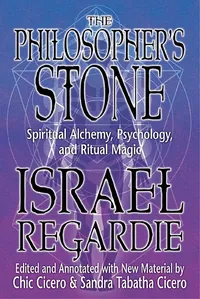
Shamans, mystics, and doctors
 79
79

Shamans, mystics, and doctors
Sudhir Kakar’s 1984 study, Shamans, Mystics, and Doctors, provides a compelling framework for understanding healing across disparate cultural landscapes. Kakar’s strength lies in his ability to synthesize psychoanalytic thought with ethnographic observation, demonstrating how the shaman, the mystic, and the physician each embody distinct, yet often overlapping, societal roles in confronting affliction. His examination of the Indian subcontinent offers particularly vivid examples, though the work’s broader applicability is clear. A limitation, perhaps inherent to its era, is the reliance on a somewhat binary distinction between the ‘magico-religious’ and the ‘rational’ healer, which can feel oversimplified in light of more recent scholarship on integrated healing practices. Nevertheless, Kakar’s analysis of how cultural narratives shape the experience of illness and the efficacy of cure remains sharp and insightful. The book is a valuable contribution for anyone studying the anthropology of healing.
📝 Description
79
Sudhir Kakar's 1984 book compares healing practices across cultures, examining shamans, mystics, and doctors.
Shamans, Mystics, and Doctors offers a comparative look at how different societies understand and treat illness, both physical and spiritual. Sudhir Kakar examines the roles of the shaman, the mystic, and the physician, showing how these figures embody and channel societal beliefs and anxieties. The book bridges psychological interpretation with anthropological observation, presenting a view of healers shaped by their cultural contexts.
Originally published in 1984, this work was written during a time of growing academic interest in cross-cultural psychology and the anthropology of healing. It questioned dominant Western medical ideas by studying indigenous healing systems as complex cultural phenomena, not simply superstition. Kakar engaged with the psychological theories of Freud and Jung, applying them to a global perspective and supporting the study of non-Western healing traditions.
This book engages with traditions that understand illness and healing through symbolic, psychological, and spiritual lenses, rather than purely biological ones. It examines how shamans and mystics use ritual, belief, and altered states of consciousness to address suffering. Kakar situates these practices within broader cultural narratives about the soul and its well-being, linking them to enduring human concerns about life, death, and meaning that transcend modern scientific frameworks.
💡 Why Read This Book?
• Gain insight into the distinct roles of shamans, mystics, and physicians in diverse healing traditions, as Kakar details their unique approaches to illness. • Understand how cultural narratives, as explored in the book's comparative studies, influence perceptions of disease and the effectiveness of various cures. • Explore the psychological underpinnings of healing, examining concepts like 'soul disturbance' and the power of belief as presented in Kakar's cross-cultural analysis from 1984.
⭐ Reader Reviews
Honest opinions from readers who have explored this book.
❓ Frequently Asked Questions
What is the central argument of Sudhir Kakar's Shamans, Mystics, and Doctors?
The central argument posits that shamans, mystics, and doctors represent culturally defined responses to human suffering and illness, each embodying distinct roles and belief systems within their societies. Kakar argues these figures are shaped by and, in turn, shape cultural understandings of health and the psyche.
How does Kakar differentiate between shamans, mystics, and doctors?
Kakar differentiates them based on their primary modes of operation and societal roles: shamans often act as intermediaries with the spirit world for healing, mystics focus on spiritual transcendence and inner experience, and doctors employ rational, empirical methods rooted in scientific understanding, as explored in his 1984 work.
What cultural examples does Sudhir Kakar use in his analysis?
Kakar extensively uses examples from the Indian subcontinent, drawing on Hindu and Islamic traditions, alongside comparisons with indigenous healing practices in other parts of the world, to illustrate his theories on the archetypes of healers.
Does the book discuss the psychological aspects of healing?
Yes, a significant focus of Shamans, Mystics, and Doctors is the psychological dimension of healing. Kakar examines how belief, ritual, and cultural narratives impact the patient's psyche and contribute to the healing process, often drawing parallels to psychoanalytic concepts.
Is Shamans, Mystics, and Doctors still relevant today for understanding healing?
Absolutely. The book remains relevant for its foundational exploration of the cultural and psychological dimensions of healing. It provides a valuable lens for examining contemporary approaches to medicine, alternative therapies, and the enduring human need for holistic well-being.
What is the significance of the 1984 publication date for this book?
The 1984 publication date places Shamans, Mystics, and Doctors within a critical period of cross-cultural psychological and anthropological study. It contributed significantly to validating non-Western healing systems and integrating them into academic discourse, moving beyond purely Western medical frameworks.
🔮 Key Themes & Symbolism
Archetypes of the Healer
Kakar dissects the enduring archetypes of the shaman, the mystic, and the physician as fundamental figures in humanity's quest for health and wholeness. He posits that these roles, while culturally expressed differently, represent universal responses to suffering. The shaman acts as a bridge between the material and spiritual realms, often employing ecstatic states and ritual. The mystic seeks healing through inner spiritual transformation and connection to the divine. The physician, grounded in empirical observation and scientific knowledge, represents the rational approach to corporeal ailments. This comparative analysis, first presented in 1984, highlights how each archetype addresses different facets of the human condition – the spiritual, the psychological, and the physical.
Cultural Construction of Illness
This work emphasizes that the experience and understanding of illness are not solely biological but are profoundly shaped by cultural narratives and belief systems. Kakar illustrates how societies imbue certain conditions with meaning, attributing causes ranging from supernatural forces to psychological imbalance. The book examines how these cultural frameworks dictate not only the perception of sickness but also the acceptance and efficacy of various healing modalities, from ancient rituals to modern medical interventions. The analysis, particularly through examples from India, shows how collective consciousness influences individual suffering and the collective endeavor of healing.
The Psyche and the Sacred
Shamans, Mystics, and Doctors explores the intricate relationship between the human psyche and the sacred in the context of healing. Kakar draws parallels between psychoanalytic concepts and the experiences of mystics and shamans, suggesting that altered states of consciousness, symbolic language, and the interpretation of inner experiences are crucial to both psychological integration and spiritual well-being. He investigates how the unconscious mind, repressed desires, and the search for meaning manifest in both illness and the healing process. The book suggests that the sacred dimension, often accessed through ritual or contemplation, plays a vital role in addressing existential anxieties and promoting a sense of wholeness.
Faith, Belief, and Healing Efficacy
A core part of Kakar's argument is the potent role of faith and belief in the efficacy of healing practices. Whether through the shaman's ritual, the mystic's devotion, or even the patient's trust in a physician, belief acts as a powerful catalyst for change. The book examines how shared cultural understandings and individual conviction can create a fertile ground for recovery, sometimes achieving results that elude purely material interventions. This concept highlights the psychosomatic nature of much human suffering and demonstrates how the symbolic and ritualistic aspects of healing are as important as the physical.
💬 Memorable Quotes
Direct passages from the work, attributed to the author.
“Illness is often a language of the soul.”
— This interpretation suggests that physical or psychological ailments can be understood as expressions of deeper spiritual or emotional distress. It implies that true healing requires addressing not just the symptoms but the underlying 'message' the body or mind is conveying, often rooted in existential or psychological conflict.
“Culture defines what it means to be sick and how one should be cured.”
— This interpretation emphasizes the social construction of illness. It means that our understanding of disease, its causes, symptoms, and appropriate treatments are not universal truths but are learned and dictated by the specific cultural context in which we live.
“The mystic's journey is one of inward discovery leading to outward transformation.”
— This concept describes the process of spiritual seeking central to mysticism. It suggests that profound personal transformation, often manifesting as healing or a new perspective on life, originates from deep introspection and a connection with the divine or ultimate reality.
💡 Key Ideas
Editorial paraphrase of the work's core concepts — not direct quotes.
The healer's power lies in his ability to give meaning to suffering.
This paraphrased concept highlights how healers, regardless of their specific tradition (shaman, mystic, or doctor), provide a framework for understanding affliction. By offering explanations and rituals, they help individuals and communities process pain, transforming it from mere chaos into something comprehensible and potentially surmountable.
The rational physician and the faith healer operate on different, yet sometimes intersecting, planes of reality.
This paraphrased idea points to the distinct methodologies of scientific medicine versus spiritual or ritualistic healing. While the physician focuses on empirical evidence and material causes, the faith healer engages with symbolic meaning, belief, and the intangible aspects of human experience, suggesting both can be effective.
🌙 Esoteric Significance
Tradition
While not strictly adhering to a single esoteric lineage, Shamans, Mystics, and Doctors engages with themes resonant in Hermeticism, Gnosticism, and various shamanic traditions. It explores the concept of the 'soul' or inner essence as distinct from the physical body, a common thread in many esoteric philosophies. The work examines how individuals access altered states of consciousness and tap into deeper realities for healing, echoing mystical practices across diverse cultures. Kakar's analysis departs from dogmatic adherence to any one tradition, instead offering a comparative psychological lens on universal human experiences of suffering and transcendence.
Symbolism
The book implicitly engages with potent symbols of healing. The shaman's journey into the spirit world represents the descent into the unconscious or the 'underworld' of the psyche to retrieve lost parts or vital energies. The mystic's pursuit of divine union symbolizes the ultimate integration of the self and the transcendence of egoic limitations. The physician's tools and diagnostic methods can be seen as symbols of rational order imposed upon the chaos of disease, representing the Logos or principle of order in the manifest world.
Modern Relevance
Contemporary thinkers and practitioners in fields like transpersonal psychology, depth psychology, and integrative medicine draw upon Kakar's foundational work. His exploration of the psychological dimensions of healing, the cultural construction of illness, and the enduring power of archetypal healers continues to inform discussions on mind-body medicine and the limitations of purely mechanistic healthcare. Modern shamanic revivalists and mindfulness practitioners also find resonance in his analysis of altered states and the therapeutic potential of symbolic engagement.
👥 Who Should Read This Book
• Students of comparative religion and anthropology: Gain a structured understanding of diverse healing practices and their cultural significance. • Psychology and psychotherapy practitioners: Explore the psychological underpinnings of belief, ritual, and the therapeutic relationship across cultures. • Individuals interested in the history of medicine and alternative healing: Understand the historical and cultural context of non-Western healing traditions and their relationship to modern medical science.
📜 Historical Context
Sudhir Kakar's Shamans, Mystics, and Doctors, first published in 1984, emerged during a vibrant period of cross-cultural psychological and anthropological inquiry. The mid-20th century saw a growing challenge to Western medical hegemony, with scholars increasingly examining the validity and efficacy of indigenous healing systems. Kakar's work contributed to this discourse by bridging psychoanalytic theory (influenced by figures like Freud and Jung) with ethnographic data, particularly from India. This approach offered a counterpoint to purely biomedical models, which often dismissed non-Western practices as superstition. While scholars like Claude Lévi-Strauss had explored structuralist approaches to myth and ritual, Kakar focused more directly on the psychological dynamics within healing contexts. The book's reception likely validated the academic study of comparative religion and the anthropology of healing, positioning these fields as essential for a holistic understanding of human well-being, moving beyond the 'rational' discourse dominant in Western medicine.
📔 Journal Prompts
The shaman's role as mediator between worlds.
Mystic practices and the concept of soul disturbance.
The physician's reliance on rational observation versus faith.
Cultural narratives shaping the experience of illness.
Interpreting the 'language of the soul' in personal affliction.
🗂️ Glossary
Shaman
An individual believed to have the ability to contact and influence the spirit world, often acting as a healer, diviner, and spiritual guide within their community.
Mystic
A person who seeks profound spiritual knowledge and direct experience of the divine or ultimate reality, often through contemplation, meditation, or ecstatic practices.
Physician
A medical practitioner qualified to practice medicine, typically employing scientific knowledge and empirical methods to diagnose and treat illness.
Magico-religious healing
Healing practices that involve supernatural beliefs, rituals, spells, or communication with spirits, as opposed to purely scientific or empirical methods.
Soul disturbance
A concept, often found in non-Western or psychological frameworks, where illness or distress is attributed to a disharmony, fragmentation, or loss of the soul or essential spiritual self.
Cultural narrative
The stories, beliefs, and interpretations that a society uses to explain phenomena, including health, illness, and the human condition.
Psyche
The human soul, mind, or spirit, encompassing consciousness, the unconscious, emotions, and cognitive processes.
🔮 Readers Also Liked
Browse all →









More by Sudhir Kakar
All books →


More Free Occult Philosophy Books
View all →