Shamans, Mystics and Doctors
 71
71

Shamans, Mystics and Doctors
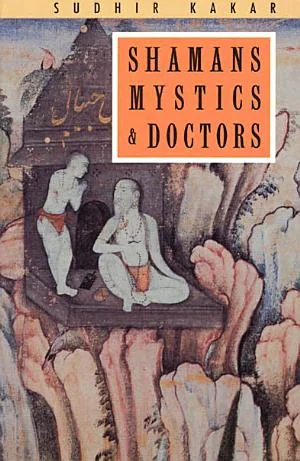
Sudhir Kakar’s *Shamans, Mystics and Doctors* attempts a bold synthesis, examining Indian healing traditions through the lens of psychoanalysis. Kakar’s primary strength lies in his ability to articulate the psychological dynamics at play within shamanic rituals and guru-disciple relationships with remarkable clarity. His empathy for the subjects, a quality noted by early reviewers like Rosemary Dinnage, prevents the analysis from becoming purely clinical. However, the book occasionally struggles to fully escape the confines of its Western psychoanalytic framework, sometimes imposing interpretive structures that might not entirely capture the indigenous worldview. A particularly insightful passage discusses the guru's role not merely as a spiritual guide but as a figure who facilitates profound psychological transformation, mirroring therapeutic processes. Ultimately, the work offers a valuable, if sometimes limited, bridge between disparate healing paradigms.
📝 Description
71
Sudhir Kakar's 1991 book analyzes India's healing traditions through a psychoanalytic lens.
Sudhir Kakar, a psychoanalyst, examines the roles of shamans, gurus, and Ayurvedic medicine in India's healing traditions. First published in 1991, the book compares Western psychiatric perspectives with indigenous healing practices, exploring their psychological underpinnings and cultural significance. Kakar draws on his psychoanalytic training and deep familiarity with Indian culture to offer a perspective that counters simplistic Western interpretations of Eastern spiritual and healing methods.
The work is intended for readers interested in the intersection of psychology, anthropology, and spirituality. It appeals to those curious about comparative religion, the history of medicine, and cross-cultural understandings of the mind. Students of psychoanalysis and those seeking to understand non-Western therapeutic modalities will find particular value in Kakar's comparative study of different approaches to well-being and spiritual inquiry.
This book engages with the long tradition of studying esoteric and indigenous healing systems. It places Indian practices like shamanism and Ayurveda within a framework that allows for psychological interpretation, connecting them to universal human needs for meaning and healing. Kakar's work emerged during a time of growing global interest in Eastern philosophies and alternative methods, offering a more complex view than often presented by Western scholarship.
💡 Why Read This Book?
• Gain insight into the psychological functions of shamanic rituals, as explored by Kakar's analysis of their role in community and individual healing. • Understand the guru-disciple dynamic as a unique form of therapeutic relationship, contrasting it with Western psychological models. • Explore the principles of Ayurveda, examining its diagnostic and healing precepts as presented in the context of Indian traditional medicine.
⭐ Reader Reviews
Honest opinions from readers who have explored this book.
❓ Frequently Asked Questions
When was Shamans, Mystics and Doctors first published?
Shamans, Mystics and Doctors by Sudhir Kakar was first published in 1991, offering a psychoanalytic perspective on Indian healing traditions at a time of growing global interest in Eastern practices.
What is the main focus of Sudhir Kakar's book?
The book's main focus is on examining and understanding the ancient healing traditions of India, including shamanism, guru teachings, and Ayurveda, through the framework of psychoanalysis.
How does the book relate psychoanalysis to Indian healing traditions?
Kakar uses psychoanalytic concepts to interpret the psychological dynamics and therapeutic functions within Indian healing practices, aiming to bridge Western and Eastern understandings of the mind and well-being.
What is Ayurveda as discussed in the book?
Ayurveda, as presented by Kakar, is one of India's ancient medical systems, explored for its unique diagnostic methods and therapeutic principles, viewed alongside shamanic and spiritual healing modalities.
Who is Sudhir Kakar?
Sudhir Kakar is an Indian psychoanalyst and author known for his work exploring the intersection of psychoanalysis, culture, and spirituality, particularly within the Indian context.
What is the significance of the guru-disciple relationship in this book?
The book examines the guru-disciple relationship as a profound psychological and spiritual dynamic, akin to a therapeutic alliance, facilitating deep personal transformation and healing for the disciple.
🔮 Key Themes & Symbolism
Psychoanalytic Interpretation
The work applies psychoanalytic theory to deconstruct the psychological underpinnings of Indian healing practices. Kakar examines how concepts like the unconscious, transference, and defense mechanisms manifest within shamanic states, guru-disciple interactions, and Ayurvedic treatments. This approach seeks to find universal psychological truths within culturally specific traditions, offering a framework for understanding the emotional and mental dimensions of these practices from a Western academic perspective.
Guru-Disciple Dynamics
A central theme is the intricate relationship between the guru and the disciple. Kakar analyzes this dynamic not just as a spiritual transmission but as a potent form of psychological healing and personal transformation. He highlights how the guru's presence and teachings can facilitate profound inner change, akin to the therapeutic process in Western psychoanalysis, addressing deep-seated psychological needs and developmental issues.
Indigenous Healing Systems
The book provides a detailed look at shamanic rituals and the ancient Indian medical system of Ayurveda. Kakar explores their methodologies, their roles within their respective societies, and their efficacy in addressing physical and mental ailments. By comparing these with Western medicine and psychiatry, he illuminates the diverse ways humans have sought to understand and alleviate suffering across different cultures and historical periods.
Cross-Cultural Psychology
Shamans, Mystics and Doctors contributes to cross-cultural psychology by investigating whether fundamental human psychological needs and responses are expressed differently across cultures. Kakar's work explores how diverse traditions conceptualize the mind, illness, and healing, suggesting commonalities in the human quest for meaning and well-being, even when expressed through vastly different cultural frameworks and symbolic systems.
💬 Memorable Quotes
Direct passages from the work, attributed to the author.
“The book examines the rituals of shamans as expressions of collective and individual psychological needs.”
— This interpretation focuses on Kakar's view of shamanic practices. It suggests they are not merely primitive rites but serve crucial psychological functions, addressing anxieties, providing social cohesion, and facilitating personal catharsis within their cultural contexts.
“Kakar sought to understand how the native healer and Western psychiatrist approach the human psyche.”
— This interpretation emphasizes the comparative nature of Kakar's study. It highlights his effort to map the conceptual landscapes of different healing traditions, seeking commonalities and differences in their understanding of mental and emotional life.
💡 Key Ideas
Editorial paraphrase of the work's core concepts — not direct quotes.
With extraordinary sympathy, open-mindedness, and insight Sudhir Kakar has drawn from both his Eastern and Western backgrounds to show how the gulf that divides native healer from Western psychiatrist can be spanned.
This quote, from Rosemary Dinnage's review in the New York Review of Books, highlights Kakar's success in bridging disparate cultural and professional perspectives. It emphasizes his balanced approach, drawing equally from his psychoanalytic training and his cultural heritage to foster understanding.
The work explores the psychotherapeutic potential inherent in the guru-disciple relationship.
This paraphrased concept points to Kakar's analysis of the guru's role as more than a spiritual leader. It suggests the guru acts as a catalyst for profound psychological growth, mirroring the deep, transformative work undertaken in Western therapeutic settings.
Ayurveda's diagnostic precepts are analyzed for their psychological implications.
This paraphrased concept indicates Kakar's investigation into Ayurveda goes beyond its physical remedies. It suggests he looks at how Ayurvedic principles of balance and imbalance in the body reflect or influence mental and emotional states.
🌙 Esoteric Significance
Tradition
While not strictly adhering to a single esoteric lineage, Kakar's work engages with traditions that often intersect with Hermetic, Gnostic, and Eastern mystical thought. It examines practices rooted in deep psychological exploration and the pursuit of altered states of consciousness, common in many esoteric paths. The book fits within the broader discourse of comparative mysticism and the psychology of religion, seeking underlying universal principles in diverse spiritual expressions.
Symbolism
The book implicitly explores symbols within its subject matter. The shaman's journey, for instance, can be seen as a symbolic descent into the unconscious to retrieve healing knowledge. The guru figure often acts as a living symbol of spiritual attainment, guiding disciples through their own symbolic landscapes of transformation. Ayurvedic principles, focusing on elemental balance (e.g., Vata, Pitta, Kapha), represent a symbolic language for understanding the body-mind connection.
Modern Relevance
Contemporary thinkers in transpersonal psychology, depth psychology, and comparative spirituality continue to draw on Kakar's foundational work. His approach to understanding indigenous healing appeals to modern interest in shamanic practices, mindfulness, and integrated approaches to mental health that acknowledge cultural context. Researchers exploring the efficacy of spiritual and traditional healing methods often cite Kakar's comparative analyses.
👥 Who Should Read This Book
• Psychoanalysts and psychotherapists interested in cross-cultural applications of psychological theory and the study of non-Western healing modalities. • Anthropologists and religious studies scholars seeking a nuanced understanding of Indian spiritual traditions and their psychological dimensions. • Individuals curious about the intersection of spirituality, psychology, and healing, who wish to explore diverse approaches to well-being beyond conventional Western medicine.
📜 Historical Context
Published in 1991, Sudhir Kakar's *Shamans, Mystics and Doctors* arrived at a moment when Western interest in Eastern spirituality and alternative healing was significant, yet often superficial. The book engaged with intellectual currents questioning the universality of psychoanalytic theory, particularly its application to non-Western cultures. Kakar, trained as a psychoanalyst in Vienna and London before returning to India, brought a unique dual perspective. His work offered a nuanced counterpoint to the more romanticized or exoticized portrayals of Eastern traditions prevalent at the time. Notably, his approach was critically examined by scholars in comparative religion and anthropology, who debated the extent to which his psychoanalytic framework could truly capture the essence of indigenous practices. The book's reception was generally positive, with reviewers like Rosemary Dinnage in the *New York Review of Books* commending its sympathetic yet analytical stance.
📔 Journal Prompts
The shaman's role in community and individual healing.
Psychological functions of the guru-disciple dynamic.
Ayurvedic principles versus Western medical diagnostic frameworks.
Cross-cultural expressions of the human need for healing.
The bridge between native healer and Western psychiatrist.
🗂️ Glossary
Shaman
An individual believed to have the ability to interact with the spirit world, often acting as a healer, mediator, or diviner within their community.
Guru
A spiritual teacher or master in Hinduism, Buddhism, Sikhism, and Jainism, revered for imparting wisdom and guiding disciples towards spiritual realization.
Ayurveda
An ancient Indian system of holistic medicine that emphasizes balance between mind, body, and spirit, using diet, herbal treatments, and other natural therapies.
Psychoanalysis
A set of psychological theories and therapeutic techniques originating from Sigmund Freud, focusing on unconscious drives, early childhood experiences, and the interpretation of dreams and defenses.
Transference
In psychoanalysis, the unconscious redirection of feelings from one person (e.g., a parent) to another (e.g., a therapist or guru).
Altered States of Consciousness
Any mental state significantly different from a normal waking state, often achieved through meditation, shamanic practices, or other techniques.
Indigenous Healing
Traditional healing practices and beliefs that originate within a specific culture or community, often passed down through generations.
This book appears in 1 collection
🔮 Readers Also Liked
Browse all →









From the “Shamanism” Collection
View all →







More Free Occult Philosophy Books
View all →