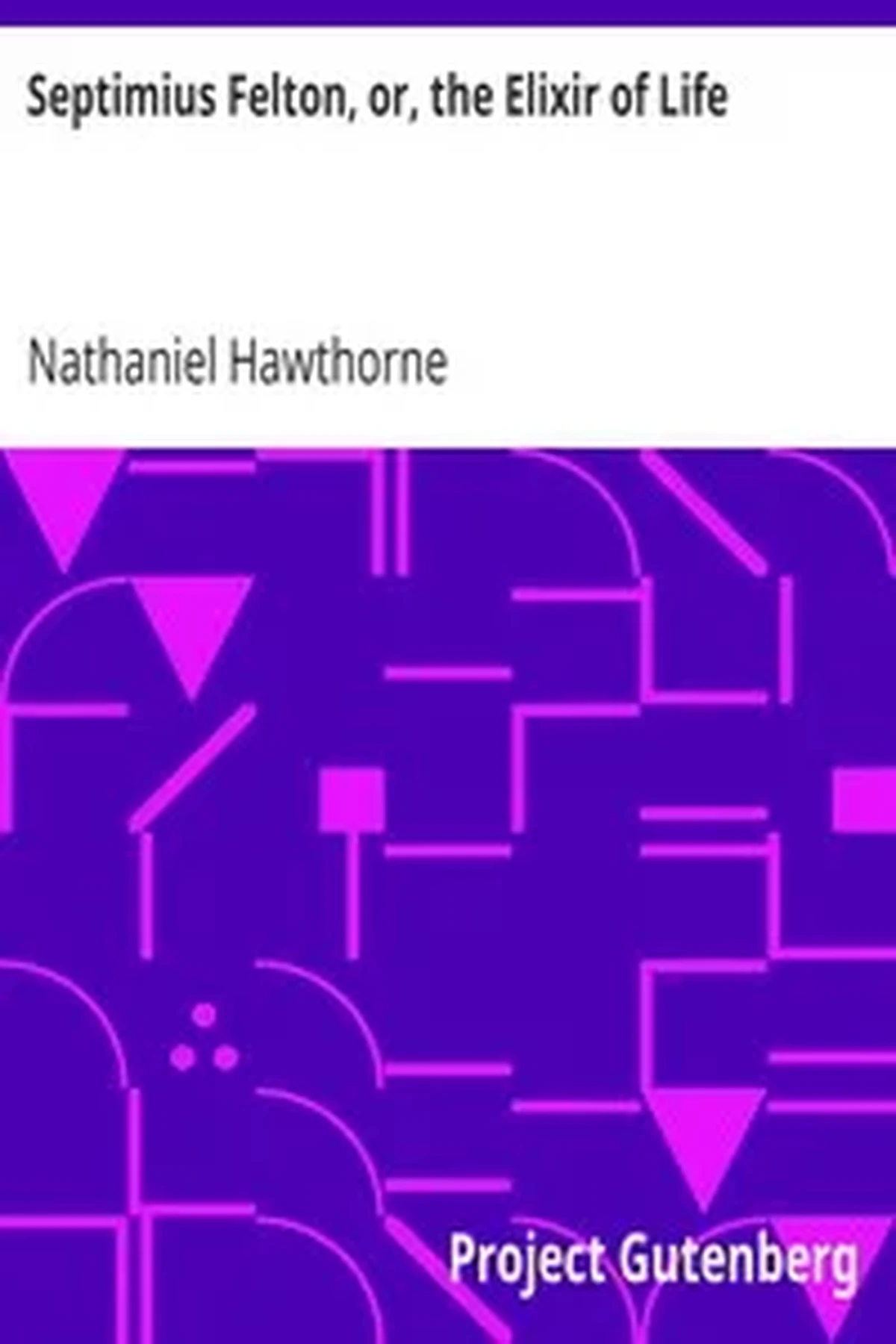
Septimius Felton Or, the Elixir of Life
 73
73

Septimius Felton Or, the Elixir of Life
Hawthorne’s *Septimius Felton* is less a fully realized novel and more a fascinating fragment, a window into the author’s late-career contemplations on mortality and the arcane. Its strength lies in its atmospheric evocation of a mysterious, almost gothic New England, where alchemical secrets are whispered in shadowed parlors. The depiction of Septimius’s internal struggle with the potential for immortality, though underdeveloped due to the book’s unfinished nature, offers a compelling psychological study. However, the narrative’s incompleteness is also its most significant limitation; readers accustomed to resolution will find themselves adrift. The passage describing the potential for the elixir to grant visions of the future, hinting at a profound, yet terrifying, omniscience, is particularly striking in its speculative ambition. *Septimius Felton* is a curious, albeit incomplete, exploration of a persistent human desire.
📝 Description
73
Nathaniel Hawthorne's unfinished novel, Septimius Felton, was published in 1872.
Septimius Felton; or, the Elixir of Life is an incomplete novel by Nathaniel Hawthorne, published posthumously in 1872. Hawthorne originally planned a Civil War setting, but the story shifted to a speculative look at alchemy and the moral costs of seeking to live forever. The narrative's unfinished state contributes to its mysterious quality, challenging readers to interpret Hawthorne's evolving ideas.
This work will appeal to those interested in Hawthorne's later, more experimental writings, especially his engagement with the supernatural and philosophical questions. Readers who accept incomplete stories and enjoy the intellectual task of deciphering artistic intentions will find it rewarding. Those drawn to historical fiction that crosses into speculative and proto-esoteric territories, examining humanity's drive for longevity and its hidden possibilities, should find this text of interest.
Published in 1872, Septimius Felton emerged during a time of widespread interest in spiritualism, mesmerism, and various occult philosophies. The novel reflects Hawthorne's curiosity about these movements, diverging from his earlier Puritan-focused narratives. It engages with alchemical lore and the scientific and pseudoscientific inquiries of the era, hinting at a fascination with the hidden knowledge sought by alchemists.
💡 Why Read This Book?
• Gain insight into Nathaniel Hawthorne’s late-career interest in alchemy and immortality, specifically through the exploration of the titular "elixir of life" which he began conceptualizing in the manuscript's early stages. • Understand the historical context of 19th-century occult and scientific speculation by examining how Hawthorne engaged with ideas about longevity and hidden knowledge. • Experience the unique challenge of interpreting an unfinished work, prompting reflection on the nature of narrative, authorial intent, and the allure of the incomplete.
⭐ Reader Reviews
Honest opinions from readers who have explored this book.
❓ Frequently Asked Questions
When was Septimius Felton originally published?
Septimius Felton was first published in 1872, after Nathaniel Hawthorne's death, though the exact circumstances of its compilation from his notes remain a subject of literary discussion.
What is the primary subject of Septimius Felton?
The novel primarily concerns the quest for the elixir of life, exploring themes of immortality, hidden knowledge, and the potential psychological consequences of extended existence.
Is Septimius Felton a complete novel?
No, Septimius Felton is an unfinished novel, compiled posthumously from Nathaniel Hawthorne's manuscripts and notes, leaving its narrative arc open to interpretation.
What are the main esoteric themes in Septimius Felton?
Key esoteric themes include alchemy, the pursuit of immortality, the transmission of secret knowledge, and the moral implications of transcending natural human lifespans.
What other works did Nathaniel Hawthorne write?
Nathaniel Hawthorne is renowned for classics such as The Scarlet Letter, The House of the Seven Gables, and Twice-Told Tales, often exploring Puritan history and moral allegory.
Where can I read Septimius Felton online for free?
As a work published in 1872, Septimius Felton is in the public domain and can often be found for free on platforms like Project Gutenberg and Internet Archive.
🔮 Key Themes & Symbolism
The Elixir of Immortality
The central focus of *Septimius Felton* is the alchemical pursuit of an elixir that promises eternal life. This concept taps into ancient Hermetic traditions and medieval alchemy, where the quest for the Philosopher's Stone was often intertwined with the search for a panacea capable of reversing aging and granting immortality. Hawthorne uses this trope not merely as a plot device but as a means to explore the profound existential and moral questions surrounding such a desire, questioning whether unending life is truly a boon or a curse.
Secret Knowledge and Inheritance
The narrative suggests that the knowledge required to create the elixir of life is not readily available but is instead a guarded secret, passed down through select individuals or families. This speaks to esoteric traditions that emphasize hidden wisdom and initiation. The novel hints at a lineage of alchemists and keepers of arcane lore, raising questions about who is worthy of such power and the responsibilities that come with it, mirroring concepts found in Gnostic texts or Rosicrucian lore.
The Burden of Longevity
Beyond the physical attainment of immortality, Hawthorne examines the psychological and spiritual ramifications of outliving one's peers and the natural world. This theme explores the potential for profound alienation, the weight of accumulated memories, and the loss of connection to the human experience of finitude. It serves as a cautionary exploration, suggesting that the desire for perpetual existence might overlook the intrinsic value and meaning found within a finite lifespan.
Transformation and Transmutation
The alchemical undertones of the novel extend to the idea of personal transformation. The pursuit of the elixir is not just about extending life but about fundamentally altering the human condition. This aligns with the broader alchemical principle of transmutation – not only of metals but also of the self. The work implies that the process of seeking such profound change, even if ultimately incomplete, initiates a form of inner metamorphosis in the seeker.
💬 Memorable Quotes
Direct passages from the work, attributed to the author.
“the elixir of life”
— This phrase expresses the novel's central speculative element – a mythical substance promising immortality, drawing directly from alchemical lore and the age-old human desire to conquer death.
“a secret passed down through generations”
— This concept highlights the theme of inherited knowledge and guarded wisdom, suggesting that profound truths or powerful substances like the elixir are not common discoveries but are part of a hidden, transmitted tradition.
“the weight of endless years”
— This captures the psychological burden explored in the novel: the potential despair, alienation, and existential dread that might accompany an unnaturally prolonged existence, suggesting immortality's dark side.
“transmutation of the human condition”
— Beyond mere physical longevity, this points to the deeper alchemical idea of fundamentally changing what it means to be human, altering one's very essence through arcane knowledge or substances.
“visions of the future”
— This refers to the potential side effect or power of the elixir, suggesting a form of precognition or expanded awareness that comes with transcending normal human limitations, hinting at profound, perhaps terrifying, revelations.
🌙 Esoteric Significance
Tradition
The work aligns loosely with Hermetic and alchemical traditions, which historically sought not only material transformation (gold) but also spiritual perfection and the discovery of a life-extending elixir. Hawthorne's exploration of the elixir of life and the hidden knowledge associated with it reflects the Rosicrucian ideals and alchemical symbolism prevalent in esoteric circles during the 19th century.
Symbolism
The "elixir of life" itself is the primary symbol, representing not just physical immortality but also the ultimate pursuit of hidden knowledge and spiritual attainment. The concept of inherited "secret knowledge" symbolizes the guarded nature of esoteric wisdom, often passed through lineages or secret societies, accessible only to the initiated or the truly dedicated seeker.
Modern Relevance
Contemporary discussions around life extension, biohacking, and the philosophical implications of radical longevity draw parallels to Hawthorne's early speculative fiction. Thinkers and practitioners in transhumanism and longevity science may find resonance in his questioning of the human desire for immortality and its potential consequences.
👥 Who Should Read This Book
• Readers interested in Nathaniel Hawthorne's later, more speculative works, who appreciate unfinished narratives and the exploration of alchemical themes. • Students of 19th-century American literature and culture, seeking to understand the era's engagement with spiritualism, occultism, and the evolving literary landscape. • Enthusiasts of esoteric traditions, particularly alchemy and Hermeticism, looking for fictional explorations of immortality quests and the symbolism of hidden knowledge.
📜 Historical Context
Published in 1872, *Septimius Felton* emerged from the latter period of Nathaniel Hawthorne's life, a time when American literature was grappling with its identity and exploring diverse themes. The 19th century witnessed a significant rise in interest in spiritualism, mesmerism, and various occult phenomena, a cultural undercurrent that Hawthorne, known for his exploration of darker psychological and historical themes, seemed to engage with in his final works. While his contemporaries like Walt Whitman were embracing a more expansive, democratic vision, Hawthorne, even in this unfinished novel, retained a focus on individual moral struggles and the mysteries of the human psyche. This period also saw the burgeoning of comparative mythology and folklore studies, which provided a framework for understanding ancient beliefs about immortality and alchemy, concepts central to *Septimius Felton*.
📔 Journal Prompts
Septimius Felton's pursuit of the elixir of life.
The concept of secret knowledge passed through generations.
The psychological weight of the "burden of longevity".
Hawthorne's portrayal of transformation and transmutation.
Interpreting the unfinished narrative of Septimius Felton.
🗂️ Glossary
Elixir of Life
A legendary alchemical potion said to grant immortality, eternal youth, or a cure for all diseases. Its pursuit is a central theme in historical alchemy and folklore, and the subject of Hawthorne's novel.
Alchemy
An ancient proto-scientific and philosophical tradition concerned with the transmutation of substances, the creation of a universal solvent, and the discovery of the elixir of life and the Philosopher's Stone.
Immortality
The state of living forever; exemption from death. In esoteric contexts, it can refer to physical, spiritual, or psychological enduring existence beyond the natural lifespan.
Transmutation
In alchemy, the process of changing one element or substance into another, most famously the transformation of base metals into gold. It also carries symbolic meaning for spiritual transformation.
Hermeticism
A religious, philosophical, and esoteric tradition based on writings attributed to Hermes Trismegistus. It emphasizes the interconnectedness of all things and the potential for human spiritual ascent.
Posthumous Publication
The publication of a work after the author's death. Septimius Felton is an example, compiled from Hawthorne's notes and manuscripts.
Occultism
A general term for a range of beliefs and practices concerned with the supernatural, magic, and hidden knowledge, often drawing from esoteric traditions. 19th-century occultism saw a resurgence of interest in these areas.