Scholastic magic
 77
77

Scholastic magic
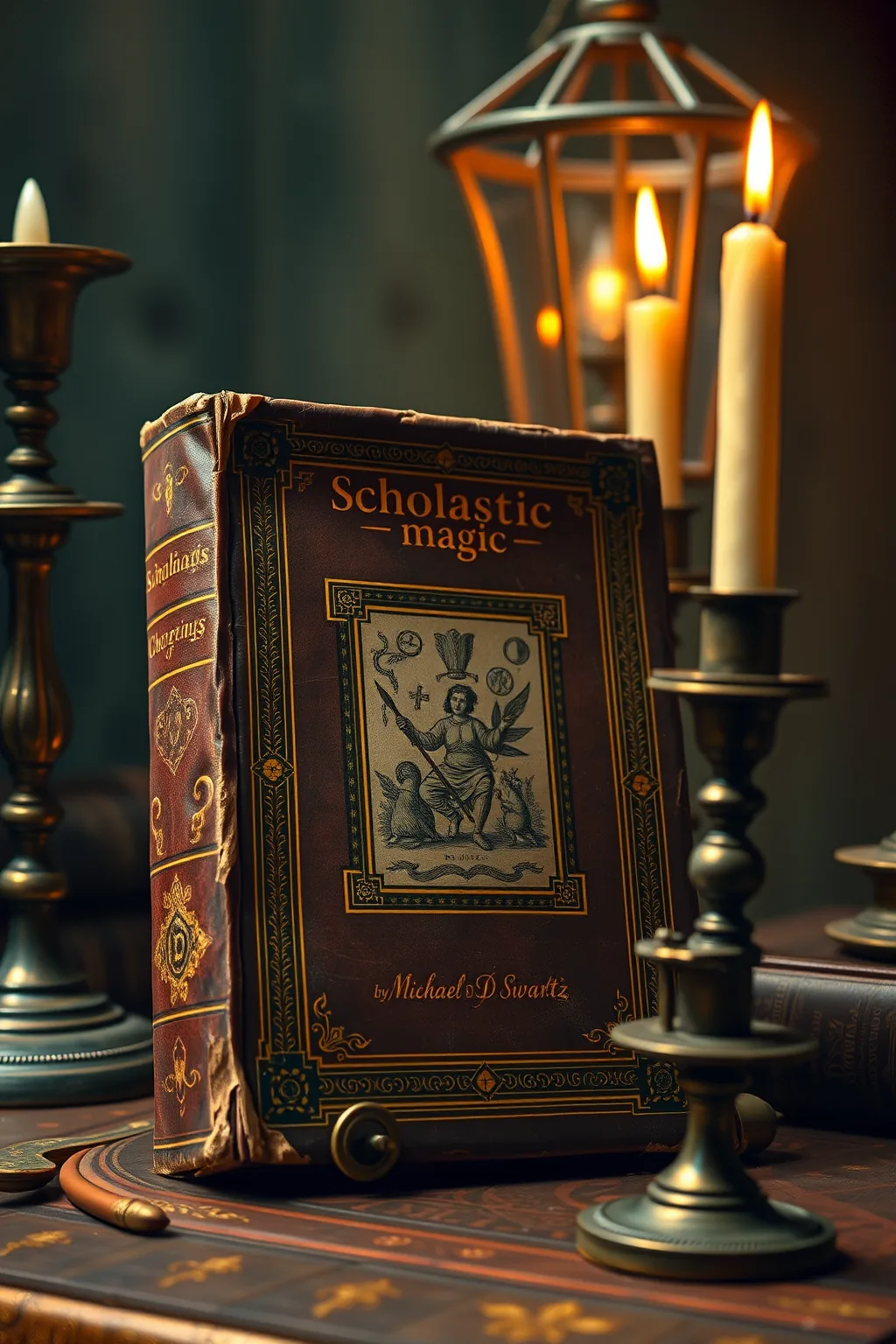
Michael D. Swartz's Scholastic Magic offers a compelling argument for understanding magic as an integral part of the academic discourse of the Middle Ages and Renaissance. Swartz meticulously details how figures within universities grappled with magical theories, integrating them into broader philosophical and theological frameworks. A particular strength lies in his precise categorization of different magical practices as understood by scholastic authors, moving beyond simplistic notions of occultism. However, the book’s academic rigor, while laudable, can at times render its prose dense and less accessible to those outside specialized fields. The section discussing the angelic hierarchies, for instance, provides a deep dive into the complex medieval cosmology but requires significant concentration. Ultimately, Scholastic Magic serves as an essential, if demanding, resource for scholars of intellectual history and Western esotericism.
📝 Description
77
Michael D. Swartz's Scholastic Magic reveals how magic was a subject of serious academic study in medieval and Renaissance universities.
Scholastic Magic by Michael D. Swartz provides a detailed account of how magic was understood and practiced within the academic settings of medieval and Renaissance universities. This is not a practical guide to spellcasting, but a scholarly reconstruction of a complex intellectual system. Swartz traces the evolution of magical theory from its ancient origins to its incorporation into university curricula. The book shows how concepts such as astrology, alchemy, and natural philosophy were connected to magical practices.
The work is aimed at those seriously studying intellectual history, the history of science, and esoteric traditions. It will interest readers with backgrounds in medieval studies, Renaissance humanism, or Western esotericism who want to see magic as a field of academic inquiry, not merely folklore or superstition. Readers should expect to engage with dense philosophical and theological arguments. Swartz places scholastic magic within the intellectual world of the late medieval and early modern periods, a time of rediscovering classical texts and reconciling them with Christian theology. Universities at this time were places where magical theories were debated and classified, sometimes even becoming part of larger cosmologies.
This book examines magic not as a fringe practice, but as an intellectual discipline debated and classified within formal academic institutions during the late medieval and Renaissance periods. It connects the formal study of magic to broader movements in Western esotericism, such as the influence of Hermetic traditions and the philosophical efforts to reconcile classical pagan thought with Christian theology. Swartz's work situates these magical theories within the intellectual currents of the time, demonstrating their presence within university curricula and scholarly discourse.
💡 Why Read This Book?
• Understand the intellectual framework of medieval and Renaissance magic, learning how figures like Thomas Aquinas viewed natural magic and its relation to divine power, a perspective often overlooked in popular accounts. • Gain insight into the academic debates surrounding astrology and demonology within universities before the modern scientific revolution, appreciating the sophisticated philosophical arguments employed. • Discover the specific scholastic classifications of magic, such as the distinction between natural magic and necromancy, and their theological implications as presented by Swartz.
⭐ Reader Reviews
Honest opinions from readers who have explored this book.
❓ Frequently Asked Questions
What is 'Scholastic Magic' as presented by Michael D. Swartz?
Scholastic Magic refers to the systematic study and theoretical integration of magical principles within the academic and philosophical frameworks of medieval and Renaissance universities, distinct from folk magic or purely ritualistic practices.
When was Scholastic Magic first explored academically?
Academic exploration into scholastic magic gained significant traction from the mid-20th century onwards, with foundational works appearing in the 1970s, a period that saw renewed scholarly interest in esoteric traditions.
Did universities in the Middle Ages teach magic?
While not taught as practical spellcasting, universities debated and analyzed magical theories, including astrology and natural magic, integrating them into their curricula as philosophical and scientific subjects.
What is the difference between natural magic and other forms of magic in scholastic thought?
Natural magic, in scholastic thought, was seen as operating through the hidden forces of nature and celestial influences, distinct from forbidden practices like necromancy, which involved invoking spirits.
Who was a key figure in the study of Renaissance Hermeticism that relates to this field?
Frances Yates is a prominent scholar whose work on the Hermetic tradition in the Renaissance, particularly her 1964 book ' Giordano Bruno and the Hermetic Tradition', illuminated the intellectual currents that Swartz's work further explores.
What role did astrology play in scholastic magic?
Astrology was a significant component, viewed as a natural science by many scholastic thinkers, used for prognostication and understanding celestial influences on earthly events and human affairs.
🔮 Key Themes & Symbolism
Magic as Academic Discipline
Swartz demonstrates that magic, far from being relegated to the fringes, was a subject of serious intellectual debate within medieval and Renaissance universities. The book details how concepts from natural philosophy, theology, and astrology were synthesized to create a theoretical framework for understanding magical operations. This perspective challenges the modern dichotomy between science and magic, showing their historical entanglement within scholastic systems of knowledge. It examines the classification of magical arts and the philosophical justifications provided by thinkers aiming to reconcile occult phenomena with established doctrines.
Celestial Hierarchies and Influence
A central theme is the scholastic understanding of celestial beings and their influence on the sublunar world. Swartz explores how the hierarchy of angels and demons, as conceived in medieval thought, was linked to the mechanics of sympathetic magic and astrological causation. The book examines texts that discuss the invocation of angelic powers for beneficial effects and the perceived dangers of dealing with malevolent entities. This cosmological view underpinned much of the theoretical magic, linking divine order to natural phenomena and human agency.
Natural Magic and Sympathy
The concept of natural magic, operating through the inherent properties of matter and the hidden sympathies between objects, is a key focus. Swartz explains how scholastic authors interpreted phenomena like magnetism, herbal virtues, and astrological influences as evidence of a universe interconnected by invisible forces. This form of magic was often seen as permissible, aligning with God's creation, provided it did not transgress into forbidden arts like necromancy. The book dissects the philosophical underpinnings of these sympathetic connections.
Theology and the Ethics of Magic
Scholastic Magic meticulously investigates the theological considerations surrounding magical practices. Swartz highlights how theologians and philosophers debated the licitness of various magical arts, distinguishing between those that operated by natural means and those that relied on demonic pacts or divine intervention. The work explores the ethical boundaries drawn by scholastic thinkers, their concerns about idolatry, superstition, and the potential for magic to lead souls astray, contextualizing these debates within Christian doctrine.
💬 Memorable Quotes
Direct passages from the work, attributed to the author.
“Magic was often treated as a species of natural philosophy, concerned with the powers of nature.”
— This statement expresses the book's core argument: that magic in academic circles was not purely superstition but a field of study analyzing natural forces and their applications, akin to early forms of science.
“The medieval university provided a space for the theoretical exploration of occult phenomena.”
— This highlights how institutions of higher learning, rather than rejecting magic outright, engaged with it intellectually, classifying, debating, and theorizing about its principles and possibilities.
“Astrology was integrated into the curriculum as a predictive science.”
— This interpretation emphasizes the academic acceptance of astrology within universities, where it was studied for its potential to forecast future events based on celestial movements, rather than being dismissed as mere fortune-telling.
💡 Key Ideas
Editorial paraphrase of the work's core concepts — not direct quotes.
Scholastic thinkers distinguished between natural magic and illicit arts like necromancy.
This paraphrase points to a crucial distinction made within scholasticism, separating magic understood through natural causes and celestial influence from practices involving direct communication with spirits or demons.
The concept of sympathy linked disparate parts of the created universe.
This paraphrase underscores the idea that scholastic magic relied on the belief in a divinely ordered cosmos where objects and beings were interconnected through hidden forces and correspondences, enabling magical operations.
🌙 Esoteric Significance
Tradition
This work fits squarely within the tradition of Western Esotericism, specifically engaging with the intellectual currents of medieval and Renaissance scholasticism. It examines how magical theories were not peripheral but were actively considered, debated, and integrated into the dominant philosophical and theological systems of the time. Swartz departs from simplistic views by demonstrating the sophisticated intellectual engagement with these topics, showing how scholasticism attempted to reconcile occult sciences with Christian doctrine and Aristotelian philosophy.
Symbolism
Key symbols explored include angelic hierarchies, which represented the ordered structure of the cosmos and intermediaries for divine power in magical operations. Celestial bodies and their astrological influences served as potent symbols of universal sympathy and causation. The concept of 'sympathy' itself functions symbolically, representing the hidden interconnectedness of all creation, a foundational principle for understanding how magical correspondences could operate across distances.
Modern Relevance
Contemporary scholars of intellectual history, the history of science, and Western esotericism continue to draw on Swartz's meticulous research. His work informs modern discussions on the pre-modern understanding of natural philosophy, the blurred lines between science and magic, and the intellectual history of occult traditions. Practitioners and students of Hermeticism and Kabbalah may find his analysis of scholastic frameworks relevant for understanding the historical development and theoretical underpinnings of their own traditions.
👥 Who Should Read This Book
• Students of Medieval and Renaissance intellectual history seeking to understand the full scope of university curricula beyond theology and logic. • Researchers in the history of science interested in the pre-modern understanding of natural philosophy, astrology, and alchemy. • Practitioners and scholars of Western Esotericism wishing to grasp the academic context and philosophical debates surrounding magic in historical European universities.
📜 Historical Context
Michael D. Swartz's Scholastic Magic emerges from a scholarly landscape that, particularly from the mid-20th century, began to re-evaluate the intellectual history of the late medieval and Renaissance periods. Following groundbreaking work like Frances Yates's "Giordano Bruno and the Hermetic Tradition" (1964), which highlighted the occult roots of Renaissance thought, a deeper academic interest developed in how esoteric ideas permeated university curricula. This era saw scholars move beyond viewing the medieval university solely as a bastion of Aristotelian logic, recognizing its engagement with a broader spectrum of knowledge, including astrology, alchemy, and various forms of magic. Swartz builds upon this foundation, meticulously detailing how these subjects were theorized, classified, and debated by figures like Thomas Aquinas and others within scholastic frameworks, often in dialogue with or in contrast to emerging humanist philosophies. The reception of such works within academia has generally been positive, contributing to a more nuanced understanding of intellectual history.
📔 Journal Prompts
The scholastic classification of magic: Analyze the distinction between natural magic and demonic magic in your own spiritual practice.
Reflect on the concept of celestial hierarchies as intermediaries for divine power.
Consider the role of sympathy in connecting seemingly disparate elements of existence.
How did theological doctrines shape the acceptance or rejection of magical practices in the university setting?
Explore the philosophical justifications for astrological prognostication within scholastic frameworks.
🗂️ Glossary
Natural Magic
A category of magic in scholastic thought that operated through the understanding and manipulation of the inherent forces and properties of nature, including celestial influences and sympathetic correspondences.
Scholasticism
The dominant philosophical and theological system of medieval European universities, characterized by rigorous logical analysis, dialectical method, and attempts to reconcile faith with reason, particularly Aristotelian philosophy.
Astrology
The study of the movements and relative positions of celestial bodies interpreted as having an influence on human affairs and the natural world, considered a form of natural science by many scholastic thinkers.
Sympathy (in magic)
The doctrine that objects and forces in the universe are interconnected through hidden affinities, allowing for actions at a distance based on shared qualities or influences.
Necromancy
A forbidden art in scholastic thought, typically involving the invocation of the dead or demonic spirits for knowledge or power, seen as distinct from natural magic.
Celestial Hierarchies
The ordered ranks of angels and other spiritual beings as conceived in medieval theology and angelology, often seen as influencing or mediating cosmic forces.
Theurgy
A form of ritualistic magic aiming to invoke or commune with divine or spiritual beings, often for purification or spiritual ascent, sometimes debated within scholastic circles.
🔮 Readers Also Liked
Browse all →





More by Michael D. Swartz
All books →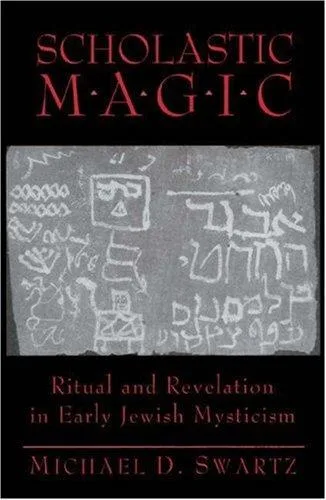

More Free Mysticism & Contemplation Books
View all →