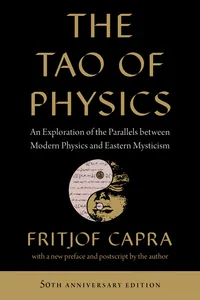
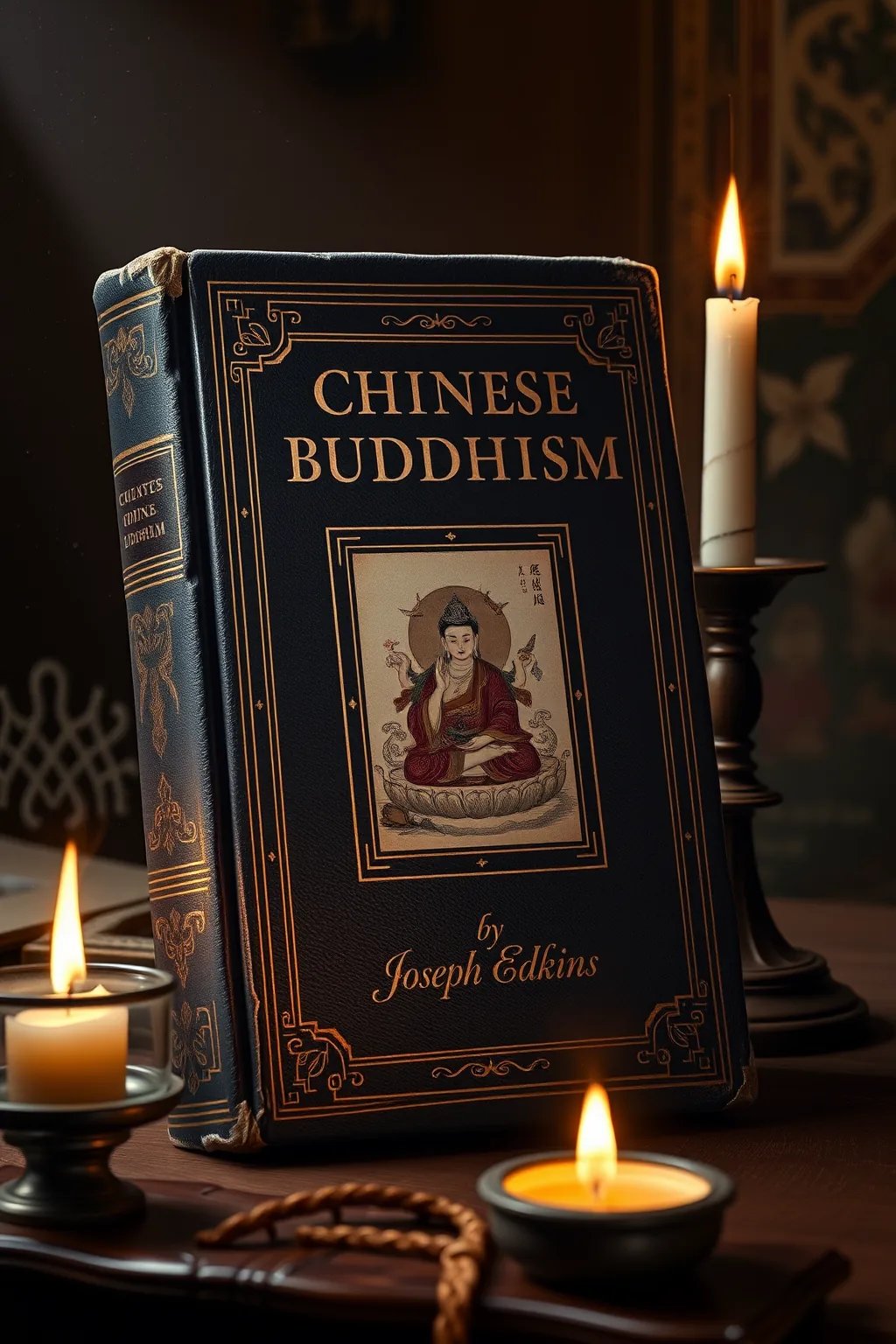
Chinese Buddhism
 82
82

Chinese Buddhism



Aurelia Blackwood (Occult Philosophy Critic) — Joseph Edkins' 'Chinese Buddhism' stands as a monumental testament to early Western engagement with the profound spiritual currents of the East. Published in 1880, it transcends mere historical cataloging, offering an exceptionally insightful exploration of Buddhist doctrines as they were sculpted by Chinese philosophical traditions. Edkins masterfully illuminates the symbolic language and contemplative practices that form the bedrock of this transformative path. For the serious student of comparative mysticism and esoteric traditions, this work provides foundational knowledge, revealing the intricate interplay between the material and the metaphysical. It is a richly rewarding text for scholars and practitioners alike, offering a window into an ancient and enduring wisdom.
📝 Description
82
Joseph Edkins published 'Chinese Buddhism' in 1880, detailing its esoteric dimensions.
Joseph Edkins' 1880 book examines the development of Buddhism within China. He details how Indian Buddhist concepts were adapted and synthesized with Chinese philosophical traditions. The work specifically looks at the mystical aspects that emerged, including symbolic language and contemplative methods.
Edkins, who was both a sinologist and a missionary, provides an account of practices and beliefs that influenced Chinese spiritual thought. He discusses the integration of Buddhist metaphysics into Chinese art, literature, and everyday life. The book aims to illuminate the specific spiritual path that developed in China, connecting it to broader human aspirations for liberation.
This work fits within the broader study of how religious traditions transform when transplanted to new cultural contexts, particularly focusing on their less obvious, mystical, or practical dimensions. Edkins' approach highlights the internal workings and symbolic systems that underpin religious practice. It places Chinese Buddhism within a lineage of esoteric traditions that often involve complex symbolism and specific meditative or devotional techniques, differentiating them from purely philosophical or exoteric interpretations.
✍️ Author

Joseph Edkins
Joseph Edkins was a British Protestant missionary to China and a lexicographer.
💡 Why Read This Book?
Delve into the profound spiritual metamorphosis of Buddhism in China, uncovering its mystical dimensions and philosophical innovations. Joseph Edkins provides an unparalleled historical and doctrinal exploration, revealing the esoteric symbolism and contemplative practices that shaped a civilization. Essential for scholars, practitioners, and seekers of Eastern wisdom who wish to understand the deep roots of Chinese spiritual thought and its universal appeal.
⭐ Reader Reviews
Honest opinions from readers who have explored this book.
❓ Frequently Asked Questions
What is the primary focus of Joseph Edkins' 'Chinese Buddhism'?
The book meticulously details the development, doctrines, and cultural integration of Buddhism in China, tracing its adaptation from Indian origins and its profound influence on Chinese society and thought.
Who was Joseph Edkins and what was his background?
Joseph Edkins was a British missionary and sinologist who lived in China for decades. His extensive experience and linguistic skills provided him with unique insights into Chinese culture and religion.
Does the book cover esoteric or mystical aspects of Chinese Buddhism?
Yes, the book explores the mystical underpinnings, symbolic language, contemplative disciplines, and the adaptation of Buddhist metaphysics, offering a rich perspective on its esoteric dimensions.
What makes this book significant for modern readers?
It offers a foundational understanding of a major world religion's evolution in a specific cultural context, providing historical depth and insights into universal spiritual quests that remain relevant today.
Is this book suitable for beginners interested in Buddhism?
While comprehensive, its scholarly nature makes it best suited for those with some existing interest or background in Buddhism or comparative religion, though dedicated beginners will find it rewarding.
🔮 Key Themes & Symbolism
The Syncretic Evolution of Buddhist Doctrine
This theme explores the fascinating process by which Indian Buddhist philosophies, such as Mahayana concepts of emptiness (sunyata) and compassion (karuna), were not merely imported but actively reinterpreted and integrated with existing Chinese philosophical frameworks like Taoism and Confucianism. It examines how core Buddhist tenets were subtly altered to resonate with Chinese cultural sensibilities, leading to unique schools of thought and practices that differ significantly from their Indian origins. The focus is on the dynamic interplay and transformative dialogue that birthed a distinctively Chinese Buddhist tradition.
Symbolism and Ritual as Vehicles of Enlightenment
The book studies the rich symbolic language and intricate rituals that became central to Chinese Buddhism. It illuminates how seemingly mundane objects, gestures, and iconography serve as profound metaphors for complex metaphysical concepts and the path to spiritual awakening. From the symbolism of the lotus flower representing purity amidst defilement, to the nuanced meanings embedded in monastic robes and temple architecture, this theme highlights how ritual practices and visual representations act as accessible pathways for devotees to connect with higher truths and cultivate meditative states.
The Contemplative Life and Inner Transformation
Central to the Chinese Buddhist experience is the emphasis on contemplative practices aimed at achieving inner transformation and spiritual liberation. Edkins' work sheds light on various meditation techniques, ascetic disciplines, and the philosophical underpinnings that guide the monastic and lay pursuit of enlightenment. It explores the concept of 'mind-only' (cittamatra) and the cultivation of mindfulness as tools to transcend illusion, understand the nature of reality, and ultimately attain Buddhahood. This theme underscores the practical, experiential dimension of Buddhism as a path to profound personal and spiritual change.
💬 Memorable Quotes
Direct passages from the work, attributed to the author.
“The introduction of Buddhism into China was a great event.”
— This simple statement expresses the profound and transformative impact Buddhism had on Chinese civilization, initiating a rethinking in its spiritual and philosophical landscape.
“Chinese Buddhism is a Buddhism adapted.”
— Highlights the core theme of syncretism, emphasizing how Indian Buddhist doctrines were meticulously reshaped to harmonize with existing Chinese cultural and intellectual traditions.
“The path to enlightenment is through understanding the mind.”
— Points to the central role of contemplative practice and psychological insight in achieving spiritual realization within the Chinese Buddhist context.
“Symbolism in Buddhist art conveys deep metaphysical truths.”
— Underscores the importance of visual and symbolic language as a pedagogical tool, making complex philosophical ideas accessible and experiential for practitioners.
“Devotion and wisdom are two wings of the bird.”
— Illustrates the balanced approach required in Buddhist practice, where both faith/devotion and intellectual understanding/wisdom are essential for spiritual flight.
🌙 Esoteric Significance
Tradition
This work is deeply rooted in the esoteric traditions of Mahayana Buddhism, particularly as it manifested and evolved within the Chinese cultural milieu. It studies practices and philosophies that emphasize the hidden potential for Buddhahood within all sentient beings, the illusory nature of perceived reality, and the profound interconnectedness of all phenomena. The book explores how meditative states, symbolic language, and the understanding of 'emptiness' (sunyata) serve as gateways to esoteric knowledge and direct spiritual realization, moving beyond mere intellectual assent to experiential wisdom.
Symbolism
The text is rich with the exploration of Buddhist symbolism, which serves as a profound vehicle for esoteric understanding. Key symbols like the lotus flower (purity arising from mud), the Dharma wheel (the Buddha's teachings in motion), and mandalas (cosmic diagrams representing the universe and the enlightened mind) are analyzed not just as decorative elements but as mnemonic devices and visual aids for contemplation. Edkins highlights how these symbols encapsulate complex philosophical ideas, acting as keys to unlock deeper layers of meaning for the practitioner on the path to awakening.
Modern Relevance
In an era increasingly seeking spiritual depth and contemplative practices, Edkins' 'Chinese Buddhism' offers timeless wisdom. Its exploration of mindfulness, the nature of consciousness, and the interconnectedness of existence resonates powerfully with contemporary spiritual seekers and psychologists. The book provides historical context for enduring philosophical questions about suffering, liberation, and the human condition, making it a vital resource for understanding how ancient traditions continue to offer useful insights into reading through the complexities of modern life and fostering inner peace.
👥 Who Should Read This Book
This key work is useful for a broad spectrum of readers. **Scholars** of religious studies, sinology, and comparative philosophy will find its meticulous research and historical depth indispensable. **Spiritual seekers** and **practitioners** of meditation and contemplative disciplines will discover useful insights into the practical application of Buddhist wisdom and esoteric techniques. **Beginners** interested in the collection of Eastern spirituality will find a foundational, albeit scholarly, introduction to a major world religion. Ultimately, anyone with a curiosity about the intersection of culture, philosophy, and the quest for enlightenment will be deeply rewarded by Edkins' comprehensive exploration.
📜 Historical Context
Published in 1880, Joseph Edkins' 'Chinese Buddhism' emerged during a period of significant Western engagement with Asian cultures, often driven by missionary zeal and burgeoning academic sinology. The late 19th century saw increased exploration and translation of Eastern texts, aiming to understand and, for some, propagate Western thought. Edkins, however, distinguished himself through his decades of lived experience in China, allowing for a more nuanced and deeply informed perspective than many of his contemporaries. His work reflects a scholarly yet empathetic approach, seeking to bridge cultural divides by clear the intricate spiritual and philosophical system of Chinese Buddhism for a Western audience, thereby contributing to a growing global awareness of diverse religious traditions.
📔 Journal Prompts
Reflect on a Buddhist symbol mentioned in the text and its potential personal meaning for your spiritual journey.
How did the adaptation of Indian Buddhism to Chinese culture change its core tenets, and what does this suggest about the nature of spiritual transmission?
Consider the concept of 'emptiness' (sunyata) as described in the book. How does this idea challenge conventional perceptions of reality?
What are the practical implications of contemplative practices for achieving inner transformation in modern life?
Compare and contrast the role of ritual and symbolism in Chinese Buddhism with similar practices in other traditions you are familiar with.
🗂️ Glossary
Mahayana
A major branch of Buddhism that emphasizes the path of the Bodhisattva, who seeks enlightenment for all sentient beings, often characterized by concepts of emptiness and compassion.
Sunyata
A central concept in Mahayana Buddhism, often translated as 'emptiness' or 'voidness,' referring to the absence of inherent existence or self-nature in all phenomena.
Bodhisattva
An enlightened being in Mahayana Buddhism who delays their own final enlightenment to help all sentient beings achieve liberation from suffering.
Dharma
In Buddhism, refers to the teachings of the Buddha, the universal truth or law, and the path to liberation.
Karma
The principle of cause and effect, where intentional actions (physical, verbal, or mental) have consequences that shape future experiences and rebirths.
This book appears in 3 collections
🔮 Readers Also Liked
Browse all →





More by Joseph Edkins
All books →


From the “Meditation” Collection
View all →







More Free Mysticism & Contemplation Books
View all →