Hindu Mysticism
 73
73

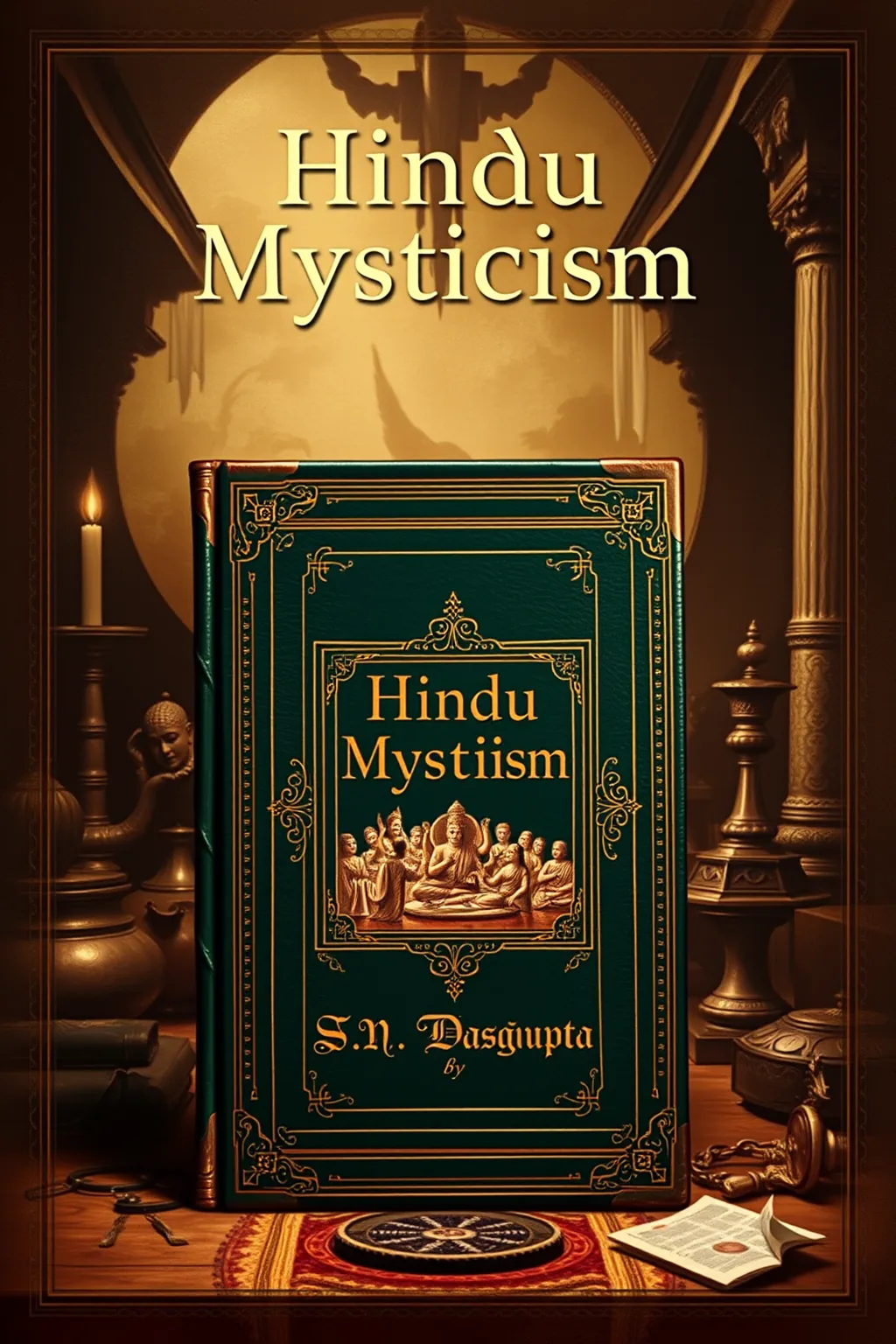
Hindu Mysticism



S.N. Dasgupta's Hindu Mysticism is a timeless classic that continues to resonate with modern esoteric seekers. Published in 1927, this book offers a meticulous exploration of Hindu mystical traditions, making it an essential read for anyone interested in the contemplative dimensions of Hinduism. Dasgupta's work is notable for its scholarly rigor and spiritual depth, providing readers with a comprehensive understanding of various mystical schools within Hinduism. The book's detailed analysis of Vedanta, Yoga, and Tantra is particularly enlightening, offering insights into the philosophical underpinnings and practical applications of these traditions. For contemporary seekers, Hindu Mysticism serves as a bridge between ancient wisdom and modern spiritual inquiry. Dasgupta's ability to weave together historical context, philosophical insight, and spiritual practice makes this book a valuable guide for those on the path of self-discovery and enlightenment. The book's enduring relevance lies in its capacity to inspire and inform readers, regardless of their background or level of spiritual understanding.
📝 Description
73
S.N. Dasgupta's 1927 study examines the philosophical and practical dimensions of Hindu mysticism.
This book approaches Hindu mysticism through its philosophical and contemplative traditions, drawing on classical Sanskrit texts. Dasgupta details concepts such as Brahman, Atman, Maya, and the various schools of Vedanta and Yoga. He connects these abstract ideas to the lived experiences and practices of mystics throughout Indian history. The work aims to illuminate the intellectual rigor and spiritual depth underlying these traditions. It is organized around key philosophical debates and mystical experiences found in sources like the Upanishads, the Bhagavad Gita, and Patanjali's Yoga Sutras.
The study is not a simple compilation but an analytical account of the development of mystical thought in India. Dasgupta traces the lineage of ideas and practices, showing how different philosophical systems informed spiritual pursuits. He discusses the paths to liberation (moksha) and the nature of ultimate reality as understood by various Indian traditions. The book seeks to provide a clear exposition of complex doctrines for readers interested in the intellectual foundations of Indian spirituality.
S.N. Dasgupta's work situates Hindu mystical traditions within the broader history of Indian philosophy. It examines practices and beliefs often considered esoteric, such as meditation techniques, yogic states, and the understanding of subtle energies. The book places these within their philosophical frameworks, particularly Vedanta and Yoga, showing how they are integrated into established schools of thought. It highlights the contemplative and experiential aspects of Hinduism that go beyond ritualistic or devotional forms, focusing on the direct realization of spiritual truths.
💡 Why Read This Book?
Reading Hindu Mysticism today offers a unique opportunity to explore the esoteric dimensions of Hindu spirituality. This book provides a deep dive into ancient contemplative practices and mystical philosophies, making it an invaluable resource for spiritual seekers and academics alike. By engaging with Dasgupta's insights, readers can gain a richer understanding of the self, the path to enlightenment, and the role of meditation and ritual in spiritual practice. Whether you are a seasoned scholar or a curious seeker, Hindu Mysticism offers timeless wisdom that can enrich your spiritual journey.
⭐ Reader Reviews
Honest opinions from readers who have explored this book.
❓ Frequently Asked Questions
What makes Hindu Mysticism a significant work in esoteric studies?
Hindu Mysticism is significant for its detailed exploration of various mystical schools within Hinduism, including Vedanta, Yoga, and Tantra. It provides a comprehensive understanding of their historical development, philosophical underpinnings, and practical applications.
Who should read this book?
This book is ideal for academics, spiritual seekers, and anyone interested in the deeper dimensions of Hindu philosophy and esoteric studies.
What is the historical context of Hindu Mysticism?
Published in 1927, Hindu Mysticism reflects the cultural and intellectual milieu of early 20th-century India, blending traditional Hindu scholarship with modern Western thought.
🔮 Key Themes & Symbolism
Mystical Dimensions of Hinduism
This book looks at the mystical and contemplative dimensions of Hinduism, offering readers a deep understanding of the spiritual and philosophical underpinnings of this ancient faith. Dasgupta's exploration of ancient texts and practices provides a rare glimpse into the transcendental aspects of Hinduism, making it an invaluable resource for seekers and scholars alike.
Hidden Knowledge and Symbolism
Hindu Mysticism uncovers the hidden knowledge and symbolism embedded within Hindu philosophy, revealing the esoteric dimensions of this rich tradition. Dasgupta's work is a comprehensive guide to the spiritual and philosophical depths of Hinduism, providing insights that are both intellectually stimulating and spiritually enriching.
Spiritual Enlightenment
The book's journey through the labyrinth of spiritual enlightenment and philosophical depth is a quest for transcendental wisdom. Dasgupta's exploration of ancient texts and practices offers a pathway to spiritual enlightenment, guiding readers through the contemplative and mystical dimensions of Hinduism.
💬 Memorable Quotes
Direct passages from the work, attributed to the author.
“Symbolism is the language of the soul.”
— Dasgupta emphasizes the importance of symbolism in uncovering the hidden knowledge within Hinduism.
“The ancient texts hold the key to spiritual wisdom.”
— Dasgupta's work underscores the significance of ancient texts in the quest for mystical knowledge.
💡 Key Ideas
Editorial paraphrase of the work's core concepts — not direct quotes.
The mystic's journey is one of self-discovery and transcendence.
This quote underscores the transformative power of mystical exploration in Hindu thought.
Contemplation leads to the realization of the divine.
This line highlights the contemplative dimensions of Hindu mysticism and its path to spiritual enlightenment.
Mysticism is the bridge between the human and the divine.
This quote expresses the essence of Hindu mysticism and its role in spiritual enlightenment.
🌙 Esoteric Significance
Tradition
Hindu Mysticism belongs to the esoteric tradition of Hindu philosophy, which emphasizes the mystical and contemplative dimensions of this ancient faith. Dasgupta's work is a deep dive into the hidden knowledge and symbolism embedded within Hindu thought, providing insights that are both intellectually stimulating and spiritually enriching.
Symbolism
Key symbols in Hindu mysticism include the mandala, which represents the universe and the path to spiritual enlightenment, and the lotus, which symbolizes purity and transcendence. Dasgupta's exploration of these symbols offers a rare glimpse into the esoteric dimensions of Hinduism.
Modern Relevance
Hindu Mysticism remains relevant today for modern practitioners seeking to understand the mystical and contemplative dimensions of Hinduism. The book's insights into the spiritual and philosophical underpinnings of this rich tradition continue to inspire seekers and scholars alike, providing a pathway to spiritual enlightenment and transcendental wisdom.
👥 Who Should Read This Book
Beginners interested in Hindu mysticism will find this book accessible and enlightening, as it bridges the gap between scholarly research and spiritual practice. Scholars will appreciate the meticulous research and profound understanding of Hindu philosophy. Spiritual seekers will benefit from the contemplative and transcendental dimensions explored in the text. Practitioners of Hindu mysticism will find valuable insights and guidance in their spiritual journeys.
📜 Historical Context
Hindu Mysticism was written during a time when the study of Eastern philosophies was gaining traction in the Western world. S.N. Dasgupta's work, published in New York, reflects the growing interest in the mystical and contemplative dimensions of Hinduism. The book's significance lies in its ability to bridge the gap between Eastern spiritual traditions and Western scholarly inquiry, providing a comprehensive and authoritative guide to Hindu mysticism. Its influence can be seen in the works of subsequent scholars and practitioners, who have built upon Dasgupta's insights to further explore the esoteric dimensions of Hinduism.
📔 Journal Prompts
Reflect on the mystical dimensions of Hinduism and how they resonate with your spiritual journey.
Consider the significance of symbolism in Hindu philosophy and its role in spiritual enlightenment.
Explore the hidden knowledge within Hindu mysticism and how it can guide your spiritual quest.
How does the contemplative aspect of Hinduism enrich your understanding of spiritual wisdom?
Reflect on the transformative power of mystical exploration in your personal growth.
🗂️ Glossary
Mandala
A symbolic representation of the universe and the path to spiritual enlightenment in Hindu mysticism.
Lotus
A symbol of purity and transcendence, often used in Hindu mystical practices and rituals.
Contemplation
The practice of deep reflection and meditation to achieve spiritual enlightenment and wisdom.
Mysticism
The pursuit of transcendental wisdom and spiritual enlightenment through mystical practices and contemplation.
Symbolism
The use of symbols to represent deeper spiritual truths and hidden knowledge within Hindu philosophy.
This book appears in 1 collection
🔮 Readers Also Liked
Browse all →









From the “Christian Mysticism” Collection
View all →







More Free Mysticism & Contemplation Books
View all →