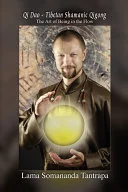
Qi Dao - Tibetan Shamanic Qigong
 79
79

Qi Dao - Tibetan Shamanic Qigong
Lama Somananda Tantrapa's Qi Dao - Tibetan Shamanic Qigong offers a potent, if sometimes dense, exploration of energy cultivation through a distinctly Tibetan lens. The book’s strength lies in its direct transmission of specific practices, moving beyond abstract spiritual concepts to actionable techniques. The chapter detailing the "Five Elements" (Tsa Lung) is particularly instructive, providing a concrete framework for understanding energetic imbalances and their correction through breath and movement. However, the narrative occasionally suffers from a lack of clear definitions for some Tibetan terms, assuming a prior familiarity that not all readers may possess. The initial blurb, for instance, seems to have been mistakenly associated with a different text entirely, suggesting potential editorial oversight. Despite this, the core teachings on energetic mastery present a valuable resource for serious practitioners seeking to deepen their connection to Tibetan esoteric traditions.
📝 Description
79
Lama Somananda Tantrapa's 2007 book, Qi Dao, synthesizes Tibetan Buddhist practices with Qigong.
Qi Dao - Tibetan Shamanic Qigong, published in 2007 by Lama Somananda Tantrapa, combines Tibetan Buddhist teachings with Qigong techniques. The book moves beyond general meditation to detail specific methods for cultivating vital energy, rooted in a particular lineage. It functions as a practical manual for individuals interested in personal growth and esoteric knowledge through the manipulation of internal energies. This work is suited for practitioners of esoteric arts, especially those engaged with Tibetan Buddhism, shamanism, or energy work. It will also appeal to those seeking a more embodied spiritual practice or who find standard meditation insufficient. Students of comparative mysticism may find its exploration of Tibetan yogic traditions alongside shamanic principles of interest.
The book addresses the concept of 'Qi,' understood as the vital life force within a Tibetan shamanic context. It outlines specific breathing exercises and other practices designed to harness this energy. The author's approach integrates established Buddhist philosophy with animistic shamanic beliefs, creating a unique system.
Qi Dao emerged in 2007 amidst growing Western interest in Eastern spirituality. While Qigong was often presented through Taoist lenses, Tantrapa's work offered a distinct Tibetan shamanic viewpoint. It bridges established Tibetan Buddhist philosophy with animistic shamanic traditions, contributing to a dialogue similar to that initiated by figures like Chögyam Trungpa in integrating Tibetan thought with Western life, though with a different focus on energetic practices.
💡 Why Read This Book?
• You will learn specific Tibetan shamanic breathing techniques and visualizations from the 'Five Elements' section, offering a practical method for energetic purification not commonly found in generic Qigong texts. • You will gain an understanding of how mantra and mudra are integrated with Qigong in Lama Somananda Tantrapa's lineage, providing a unique framework for spiritual cultivation rooted in Tibetan traditions. • You will discover how to work with subtle energy channels (Tsa Lung) as described in the text, allowing for a more profound and embodied approach to spiritual development beyond intellectual study.
⭐ Reader Reviews
Honest opinions from readers who have explored this book.
❓ Frequently Asked Questions
What is the primary difference between Qi Dao and traditional Chinese Qigong?
Qi Dao integrates Tibetan shamanic principles and Buddhist cosmology with Qigong practices. Unlike many Chinese Qigong systems that focus on Taoist foundations, Qi Dao emphasizes specific Tibetan energetic practices like Tsa Lung and the use of Tibetan mantras and visualizations.
Who is Lama Somananda Tantrapa?
Lama Somananda Tantrapa is the author and teacher who compiled and presented the practices within Qi Dao - Tibetan Shamanic Qigong. He is known for synthesizing Tibetan Buddhist teachings with shamanic elements for contemporary practitioners.
When was Qi Dao - Tibetan Shamanic Qigong first published?
Qi Dao - Tibetan Shamanic Qigong was first published in 2007, making it a relatively modern text offering ancient practices for contemporary spiritual seekers.
What are the core energetic practices taught in this book?
The book focuses on cultivating 'Qi' (life force) through specific breathing exercises, visualizations, and energetic transmissions, often drawing from Tibetan practices like Tsa Lung (wind-channel yoga).
Is this book suitable for absolute beginners in Qigong?
While the book presents foundational concepts, its depth and specific Tibetan context might be more suited for those with some prior experience in Qigong, meditation, or esoteric practices, or those specifically drawn to Tibetan traditions.
What is the significance of the 'Five Elements' in Qi Dao?
In Qi Dao, the 'Five Elements' relate to specific energetic qualities and functions within the body and mind, as understood through Tibetan shamanic and Buddhist frameworks. Practices in the book aim to harmonize these elements.
🔮 Key Themes & Symbolism
Tibetan Shamanic Energetics
This theme explores the unique approach to vital energy (Qi) as understood within a Tibetan shamanic paradigm. It moves beyond generalized energy work to detail specific Tibetan practices like Tsa Lung, focusing on the intricate interplay of breath, body, and consciousness. The text illustrates how these methods aim to purify energetic channels and awaken dormant potentials, offering a direct route to spiritual realization and enhanced vitality distinct from other traditions.
Integration of Mind and Body
Qi Dao emphasizes the profound interconnectedness of mental states and physical energetic conditions. Lama Somananda Tantrapa outlines how specific visualizations, mantras, and physical postures work in concert to influence both subtle and gross bodily systems. This theme highlights the book's practical application for practitioners seeking not just spiritual insight, but also tangible improvements in physical health and energetic balance through disciplined practice.
Esoteric Transmission and Lineage
The book functions as a conduit for esoteric knowledge passed down through a specific Tibetan lineage. It underscores the importance of authentic transmission, suggesting that these practices are most effectively learned and applied within the context of their originating tradition. The text implicitly guides the reader toward understanding the role of a qualified teacher and the sacredness of the knowledge being imparted.
The Five Elements in Practice
A central concept explored is the Tibetan understanding of the Five Elements (earth, water, fire, air, space) as fundamental energetic forces. Qi Dao details how these elements manifest within the practitioner and how specific Qigong exercises, breathing patterns, and meditations can be used to harmonize them. This elemental framework provides a comprehensive system for understanding and balancing the individual's energetic constitution.
💬 Memorable Quotes
Direct passages from the work, attributed to the author.
“Qi is the fundamental life force that animates all existence.”
— This foundational statement defines the core subject of the book. It posits Qi not merely as energy, but as the essential animating principle of the universe, setting the stage for practices aimed at cultivating and directing this vital force.
“The breath is the bridge between the physical and the subtle realms.”
— This highlights the key role of breathwork in Qi Dao. It suggests that by mastering the breath, practitioners can consciously influence their energetic state and gain access to subtler dimensions of reality.
“Visualization empowers the practitioner to shape energetic currents.”
— This emphasizes the active role of the mind in Qigong. It explains that directed mental imagery is not mere fantasy but a potent tool for guiding and transforming the body's energy field.
“Tsa Lung practices unlock stagnant energies and purify the channels.”
— This points to a specific set of Tibetan practices. It suggests that these methods are essential for clearing energetic blockages, facilitating the free flow of vital force throughout the body's subtle system.
“Harmonizing the Five Elements leads to balance and well-being.”
— This expresses a key therapeutic principle within the text. It posits that by achieving equilibrium among the elemental forces, one can attain optimal physical, mental, and spiritual health.
🌙 Esoteric Significance
Tradition
Qi Dao - Tibetan Shamanic Qigong is rooted in the Tibetan Vajrayana Buddhist tradition, specifically incorporating elements of shamanic practices often found in pre-Buddhist Bon traditions and integrated into Tibetan yogic systems. It departs from purely monastic or philosophical interpretations by emphasizing direct energetic cultivation and shamanic modes of interaction with subtle energies. The work bridges the esoteric practices of Tibetan Buddhism with animistic and shamanic principles, offering a unique synthesis for modern practitioners seeking embodied spiritual realization.
Symbolism
Key symbols include the 'Five Elements' (earth, water, fire, air, space), representing fundamental energetic qualities and their interplay within the cosmos and the individual. The practice of 'Tsa Lung' itself is symbolic, referring to the manipulation of vital winds (lung) within the subtle energy channels (tsa) to achieve spiritual and physical purification. Mantras and visualizations, specific to Tibetan traditions, also serve as potent symbolic tools for focusing the mind and invoking spiritual energies.
Modern Relevance
Contemporary practitioners of somatic therapies, energy healing, and embodied spirituality find resonance in Qi Dao's approach. Thinkers and practitioners interested in the cross-pollination of Buddhist and shamanic traditions, particularly within Tibetan contexts, draw upon this work. Schools focusing on embodied mindfulness and the integration of subtle energy practices into daily life often reference or are influenced by the methodologies presented by Lama Somananda Tantrapa.
👥 Who Should Read This Book
• Dedicated students of Tibetan Buddhism or shamanism seeking practical, embodied techniques for spiritual growth. • Qigong practitioners looking to deepen their practice with a unique Tibetan energetic and shamanic perspective. • Individuals interested in comparative mysticism who wish to explore the synthesis of Buddhist yogic traditions with indigenous spiritual practices.
📜 Historical Context
Published in 2007, Qi Dao - Tibetan Shamanic Qigong arrived during a flourishing period for holistic and esoteric studies in the West. While Qigong, predominantly from a Chinese Taoist perspective, had been accessible for decades, Lama Somananda Tantrapa's work offered a distinct Tibetan Buddhist and shamanic interpretation. This publication contributed to a broader trend of exploring diverse non-Western spiritual technologies for personal development. It emerged in dialogue with the growing interest in Tibetan Buddhism, spurred by figures like the Dalai Lama and Chögyam Trungpa, though Tantrapa’s focus on shamanic integration presented a less conventional path. Unlike the more academic or monastic approaches to Tibetan Buddhism, Qi Dao provided practical, embodied exercises intended for direct experience, carving out a niche for practitioners seeking shamanic depth within a Buddhist framework.
📔 Journal Prompts
The Five Elements: Reflect on your current energetic balance concerning earth, water, fire, air, and space.
Tsa Lung: How can the concept of purifying subtle channels inform your daily energetic hygiene?
Breathwork: Explore the connection between your breath and your mental state during practice.
Visualization: Detail a visualization used in Qi Dao and its intended energetic effect.
Mantra: Consider the power of sound vibration in focusing intention and energy.
🗂️ Glossary
Qi
The fundamental vital life force or energy that animates all living beings and phenomena, as understood in various Eastern traditions, particularly emphasized here within a Tibetan shamanic context.
Tsa Lung
A specific set of Tibetan yogic practices involving breathwork (lung), physical postures, and visualization to purify the subtle energy channels (tsa) and awaken spiritual awareness.
Mantra
Sacred sounds, syllables, words, or phrases used in meditation and ritual to focus the mind, invoke spiritual energies, or achieve specific states of consciousness.
Visualization
The practice of forming mental images or scenes, used in Qi Dao as a technique to direct energy, purify the mind, and connect with spiritual forces.
Five Elements
In Tibetan cosmology and practice, these are fundamental energetic constituents (earth, water, fire, air, space) that form the basis of all phenomena and influence physical and mental well-being.
Subtle Body
The energetic or non-physical aspect of a person, comprising channels (tsa), winds (lung), and drops (tigle), which is cultivated and purified through practices like Tsa Lung.
Esoteric
Intended for or likely to be understood by only a small number of people with a specialized knowledge or interest, often referring to hidden or inner teachings.
This book appears in 1 collection
🔮 Readers Also Liked
Browse all →







From the “Qi Gong” Collection
View all →




More Free Occult Philosophy Books
View all →