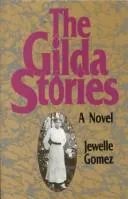
The Gilda Stories
 78
78

The Gilda Stories
Jewelle Gomez's The Gilda Stories presents a fascinating reimagining of vampiric mythology, grounding it in the lived experiences of Black women across centuries. The narrative’s strength lies in its intimate portrayal of its protagonists, particularly the central figure of Bird. Gomez skillfully depicts Bird’s journey from a young woman grappling with her newfound immortality to a resilient figure navigating the prejudices of various eras, from the post-Reconstruction South to 1980s New York. The book is less about the sensationalism of the supernatural and more about the endurance of spirit and the creation of found family. A minor limitation might be the episodic nature of some sections, which, while offering rich individual vignettes, occasionally slows the overarching momentum. However, the sheer humanity and historical sweep more than compensate. The depiction of the Gildas' shared trauma and their communal support system, especially in the face of external threats like the Hunters, offers a compelling exploration of survival and belonging. This is a vital contribution to speculative fiction, offering a nuanced perspective on power, identity, and legacy.
📝 Description
78
Jewelle Gomez's 2016 novel, The Gilda Stories, follows immortal African American women across centuries.
The Gilda Stories chronicles the lives of immortal African American women, called Gildas, who possess unique abilities and a history spanning centuries. The narrative traces their individual journeys and their collective actions to protect themselves from a world that often misunderstands or targets them. It is a story about survival, love, and resistance against oppressive societal forces.
This novel appeals to readers who appreciate speculative fiction interwoven with character studies and social critique. Those interested in complex female characters, explorations of identity, and examinations of power structures will find much to engage with. The book reimagines vampire lore and offers a feminist perspective within historical fiction, adding a fantastical element.
The Gilda Stories draws from Black feminist literature and speculative fiction traditions. Reimagining themes first presented in Gomez's 1991 novella, the book emerged during a period of increased discussion about race, gender, and sexuality in speculative genres. It builds on the work of authors like Octavia Butler and Samuel R. Delany, who used science fiction and fantasy to address marginalized experiences.
💡 Why Read This Book?
• You will learn how to conceptualize immortality not as a curse but as a vessel for enduring historical witness, as exemplified by the Gildas' centuries-long existence, offering a unique lens on the passage of time. • You will feel the power of chosen family and collective resilience when exploring the bonds forged between the Gildas, particularly Bird and her companions, demonstrating how shared identity can foster strength against external threats. • You will gain a deeper appreciation for speculative fiction's capacity for social critique by examining how Gomez uses the supernatural elements of the Gildas to comment on racism and sexism throughout American history, from the post-Reconstruction era onwards.
⭐ Reader Reviews
Honest opinions from readers who have explored this book.
❓ Frequently Asked Questions
When was The Gilda Stories first published?
The Gilda Stories by Jewelle Gomez was first published in 2016, though it builds upon a novella of the same name released earlier.
What are the Gildas in Jewelle Gomez's novel?
The Gildas are immortal, powerful beings, primarily African American women, who possess unique abilities and a long shared history, navigating different eras of American society.
What themes does The Gilda Stories explore?
The novel explores themes of identity, race, gender, sexuality, chosen family, the burden of history, and resistance against oppression and societal prejudice.
Is The Gilda Stories a vampire novel?
While the Gildas share characteristics with vampires, such as immortality, the novel reframes these elements, focusing more on their humanity, history, and social commentary than traditional vampire tropes.
Who are the main characters in The Gilda Stories?
The central character is Bird, an immortal woman whose life spans centuries. She is surrounded by a network of other Gildas, forming a chosen family.
What is the significance of the time periods depicted in the book?
The novel spans various historical periods in America, from the post-Reconstruction South to the late 20th century, using these settings to highlight the enduring struggles and resilience of Black women.
🔮 Key Themes & Symbolism
Centuries of Resilience
The narrative centers on the extraordinary longevity of the Gildas, who have witnessed and survived centuries of American history. This enduring presence allows Gomez to explore the persistent challenges of racism and sexism from a unique vantage point. The Gildas' ability to adapt and persist through eras like post-Reconstruction to the late 20th century highlights a powerful narrative of survival and the accumulation of wisdom and experience over vast stretches of time.
Chosen Family and Belonging
Central to the Gildas' existence is the concept of chosen family. Lacking traditional familial structures due to their unique nature and the historical disruptions they've faced, they form deep, enduring bonds with one another. This theme underscores the importance of community and mutual support, especially for marginalized individuals. Their relationships provide a sanctuary and a source of strength against the external world's hostility and their own existential isolation.
Reclaiming Identity
The Gilda Stories offers a powerful reclamation of identity, particularly for Black women, within speculative fiction. By centering immortal Black women, Gomez challenges dominant narratives and presents characters who are agents of their own lives, despite historical and societal constraints. Their immortality is not merely a supernatural trait but a framework through which to examine the enduring legacy of identity, power, and self-determination across generations.
The Weight of History
Each Gilda carries the immense weight of lived history. Their memories and experiences span generations, shaping their perspectives and actions. The novel uses this to explore how the past continuously informs the present, influencing individual and collective identities. The Gildas' long lives serve as a conduit for understanding historical trauma and triumph, demonstrating how past events continue to resonate and affect present realities.
💬 Memorable Quotes
Direct passages from the work, attributed to the author.
“Immortality is a way of living with history, not escaping it.”
— This concept emphasizes that the Gildas' extended lifespan doesn't grant them detachment from the past. Instead, it forces them to continuously engage with and carry the burdens and lessons of historical events, shaping their present existence.
“The greatest threat is not death, but forgetting.”
— This highlights the importance of memory and historical continuity for the Gildas. Forgetting their past, their community, and their struggles would mean losing their identity and the lessons learned, making them vulnerable.
“Love is the only true magic that outlasts time.”
— This idea posits that emotional bonds and connections are the most powerful and enduring forces, even for immortal beings. It suggests that love provides meaning and sustenance that transcends the physical and temporal.
“The world fears what it doesn't understand, especially power in the hands of the marginalized.”
— This interpretation speaks to the societal prejudice faced by the Gildas. Their unique abilities and existence challenge established power structures, leading to fear and persecution from those who feel threatened by their strength and autonomy.
💡 Key Ideas
Editorial paraphrase of the work's core concepts — not direct quotes.
We are the stories we choose to remember and tell.
This paraphrased concept suggests that identity and legacy are actively constructed through narrative. The Gildas' survival depends on their ability to maintain their collective memory and share their experiences, shaping their present and future.
🌙 Esoteric Significance
Tradition
While not explicitly aligned with a single esoteric lineage, The Gilda Stories draws from archetypal concepts of immortality and ancient wisdom found across various traditions, including Gnostic ideas of hidden knowledge and enduring spiritual lineages. The Gildas, as long-lived beings possessing unique powers, can be seen as embodying a form of esoteric heritage, their existence a secret history. Their journey is one of self-discovery and the preservation of a unique form of being, akin to maintaining an esoteric school or tradition across ages.
Symbolism
The concept of 'Gilda' itself functions as a potent symbol, representing a hidden sisterhood and a unique, enduring form of life. Blood, a common motif in esoteric lore, is central, symbolizing lineage, life force, and shared connection among the Gildas, particularly in their sustenance. The recurring motif of travel and migration across different eras and locations symbolizes their constant adaptation and search for safety and community in a hostile world.
Modern Relevance
Contemporary practitioners of magical traditions focusing on ancestral veneration and the power of lineage may find resonance with the Gildas' collective memory and enduring bonds. Furthermore, scholars and writers exploring Afrofuturism and queer interpretations of mythology often cite Gomez's work for its innovative approach to Black representation and its subversion of traditional supernatural figures, influencing modern narratives that seek to decolonize genre fiction.
👥 Who Should Read This Book
• Readers interested in speculative fiction with strong social commentary, who will gain a nuanced perspective on historical oppression and resilience through the eyes of immortal Black women. • Students of Black feminist literature and queer theory, who can analyze Gomez's complex characters and their navigation of identity across different historical periods. • Fans of reimagined folklore and mythology, who will appreciate the unique, empowering take on immortality and supernatural beings that challenges traditional vampire narratives.
📜 Historical Context
Jewelle Gomez's The Gilda Stories, first published in 2016, arrives as a significant contribution to contemporary speculative fiction, building on a legacy of Black feminist literature. The novel revisits and expands upon themes introduced in Gomez's 1991 novella, placing it within a broader context of science fiction and fantasy that began to seriously grapple with race and gender in the late 20th century. Authors like Octavia Butler, with works such as 'Kindred' (1979), had already paved the way for exploring Black experiences through speculative lenses. Gomez's work engages with these currents, offering a narrative focused on Black women's resilience and agency across historical epochs. The 2016 publication date situates it within a period of increased visibility for marginalized voices in genre fiction, where discussions around representation and the subversion of traditional tropes, like vampirism, were gaining momentum. The reception of such works reflects a growing audience eager for diverse perspectives and complex characters.
📔 Journal Prompts
Bird's journey through different historical epochs.
The symbolism of the Gildas' shared meals and communal gatherings.
The concept of immortality as a means of bearing witness.
The Hunters as antagonists and their symbolic representation.
The formation of chosen family among the Gildas.
🗂️ Glossary
Gilda
Refers to the specific immortal beings, primarily African American women, who are central to the novel. They possess unique abilities and a shared history spanning centuries.
Bird
The primary protagonist of The Gilda Stories, an immortal African American woman whose life is chronicled across various historical periods, showcasing her resilience and growth.
The Hunters
Antagonistic figures in the novel who seek to capture or eliminate the Gildas, representing external threats and societal prejudice that the immortal women must constantly evade.
Post-Reconstruction South
The historical period following the American Civil War, characterized by significant social and political upheaval, which forms an early backdrop for the Gildas' experiences.
Chosen Family
A concept central to the novel, describing the deep bonds and supportive networks formed between the Gildas, who rely on each other for survival and belonging.
Immortality
The state of living forever, possessed by the Gildas. In the novel, it is explored not just as an ability but as a burden and a unique perspective on history and human experience.
Metamorphosis
The process of transformation, which the Gildas undergo physically and emotionally as they adapt to new eras and challenges, reflecting their enduring nature.
🔮 Readers Also Liked
Browse all →








More by Jewelle Gomez
All books →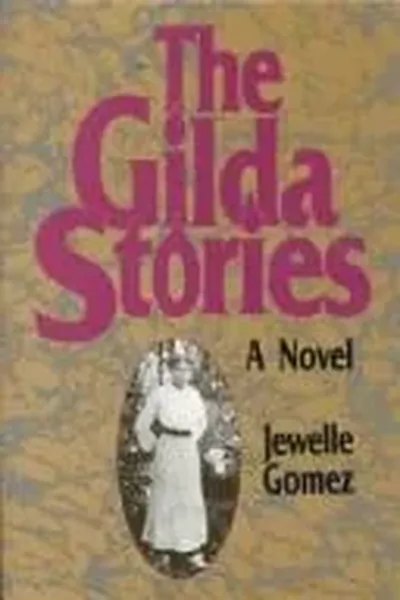
More Free Occult Philosophy Books
View all →