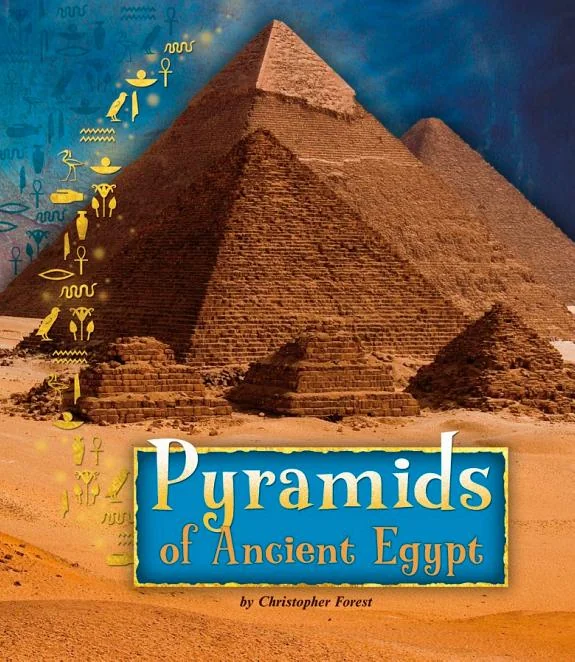
Pyramids of Ancient Egypt
 75
75

Pyramids of Ancient Egypt
Asselin's "Pyramids of Ancient Egypt" presents a commendable effort to demystify the construction and purpose of these ancient marvels, steering clear of sensationalism. The author effectively grounds the discussion in archaeological evidence, particularly when detailing the logistical challenges faced during the Fourth Dynasty construction phases. A particular strength lies in the section discussing the evolution of pyramid design, tracing the architectural lineage from earlier burial structures. However, the work could benefit from a more robust engagement with the esoteric interpretations that have long surrounded these sites, offering perhaps a brief comparative analysis with, say, the more overtly mystical analyses found in some Theosophical literature. While the book is factually sound, its exploration of potential non-conventional meanings feels somewhat constrained. It remains a solid, if conventional, overview.
📝 Description
75
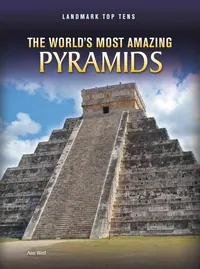
Kristine Carlson Asselin's 2008 book examines the pyramids beyond mere architecture.
Kristine Carlson Asselin's "Pyramids of Ancient Egypt" looks at these monumental structures not just as buildings, but as expressions of Egyptian belief and societal organization. The book details the construction methods, the labor required, and how the pyramids' functions changed across different dynasties. It moves past a simple description of architecture to consider the intentions behind them, their place in society, and the cosmological ideas they represented.
This work is for anyone interested in Egyptology, ancient history, or how grand building projects connect with spiritual beliefs. It offers readers a thorough look at the most lasting symbols of the pharaohs' era. Asselin goes beyond surface-level fascination to investigate the practical and symbolic aspects of how the pyramids were built and used by the ancient Egyptians.
This work engages with the esoteric traditions surrounding ancient Egypt by examining the pyramids as more than just tombs or monuments. It considers their role as conduits for spiritual transformation and cosmic connection, aligning with esoteric interpretations that view such structures as symbolic representations of universal principles. The focus on the pharaoh's divine status, the afterlife journey, and the pyramid as a 'stairway to the heavens' directly addresses themes common in esoteric studies of ancient civilizations, which seek deeper, often spiritual, meanings behind material achievements.
💡 Why Read This Book?
• Gain a grounded understanding of the construction logistics and societal organization required for building the pyramids, as detailed by examining the Fourth Dynasty's achievements. • Explore the evolving purposes of pyramid construction across different Egyptian dynasties, moving beyond a singular, static interpretation of their function. • Understand the specific cosmological beliefs, such as the concept of the 'stairway to the heavens,' that directly informed the design and placement of these ancient monuments.
⭐ Reader Reviews
Honest opinions from readers who have explored this book.
❓ Frequently Asked Questions
What specific dynasty is most associated with the construction of the Great Pyramid of Giza?
The Great Pyramid of Giza is primarily associated with the Fourth Dynasty of the Old Kingdom, with construction estimated to have occurred between 2580 and 2560 BCE, during the reign of Pharaoh Khufu.
Beyond tombs, what other purposes did the pyramids serve in ancient Egypt?
Pyramids served as focal points for the royal mortuary cult, symbolizing the pharaoh's divine kingship and his journey to the afterlife. They were also integral to the broader religious and cosmological landscape of ancient Egypt.
What evidence exists for the astronomical alignments in Egyptian pyramids?
Scholars have noted precise cardinal alignments and, in some cases, alignments with specific stars or constellations, suggesting a sophisticated understanding of astronomy and its integration into religious architecture.
How did pyramid construction evolve over time in Egypt?
The evolution is traceable from earlier mastaba tombs to the Step Pyramid of Djoser (Third Dynasty) and finally to the true smooth-sided pyramids of the Fourth Dynasty, like those at Giza.
What role did the pharaoh play in the context of pyramid building?
The pharaoh was central, seen as a divine ruler whose successful transition to the afterlife ensured cosmic order. Pyramids were monumental expressions of this belief and the pharaoh's power.
Does the book discuss the labor force involved in pyramid construction?
Yes, the work addresses the organization and scale of the labor force required, moving beyond older theories of slave labor to discuss skilled workers and conscripted labor.
🔮 Key Themes & Symbolism
Architectural Evolution
The work meticulously traces the architectural development of pyramids, beginning with the earliest mastaba tombs and progressing through the innovative Step Pyramid of Djoser in the Third Dynasty. It highlights the geometric and engineering advancements leading to the true pyramids of the Fourth Dynasty, such as those at Giza. This evolution is presented not just as technological progress but as a reflection of changing religious doctrines and royal ambitions, illustrating how structural form followed ideological function.
Cosmological Blueprint
Asselin examines the pyramids as more than mere tombs; they are understood as conduits between the earthly and divine realms. The precise astronomical alignments, cardinal orientations, and symbolic proportions are explored as intentional features designed to facilitate the pharaoh's journey to the stars and maintain cosmic order (Ma'at). This perspective underscores the ancient Egyptians' sophisticated worldview and their belief in the pyramid's active role in the afterlife.
Kingship and Divine Authority
The construction of pyramids is deeply intertwined with the concept of divine kingship. The book illustrates how these massive undertakings served to legitimize the pharaoh's rule, solidify his divine status, and ensure his successful transition into godhood. The immense resources and labor mobilized reflect the centralized power and ideological control exercised by the Old Kingdom rulers.
Labor and Organization
Challenging older notions of slave labor, Asselin explores the practicalities of organizing the vast workforce required for pyramid construction. The book discusses the evidence for skilled artisans, engineers, overseers, and a managed labor force, suggesting a complex logistical and administrative system. This sheds light on the sophisticated societal structure capable of sustaining such monumental projects.
💬 Memorable Quotes
Direct passages from the work, attributed to the author.
“The pyramids were not merely burial places but potent symbols of the pharaoh's eternal power and connection to the cosmos.”
— This interpretation highlights the dual nature of the pyramids: their function as tombs for the deceased rulers and their symbolic representation of the pharaoh's divine authority and his cosmic role.
“Precise astronomical alignments suggest the builders possessed advanced knowledge of celestial movements.”
— This points to the sophisticated understanding of astronomy among ancient Egyptian builders, indicating that celestial observation played an important role in the planning and orientation of pyramid construction.
“The sheer scale of construction points to a highly organized state capable of managing vast resources and labor.”
— This reflects the understanding that building the pyramids required immense societal organization, central authority, and the effective mobilization of human and material resources, indicative of a powerful state apparatus.
“Pyramids served as focal points for the royal mortuary cult, ensuring the king's continued influence in the afterlife.”
— This captures the idea that pyramids were active centers for ongoing rituals and worship dedicated to the deceased king, reinforcing his divine status and ensuring his beneficial presence beyond death.
💡 Key Ideas
Editorial paraphrase of the work's core concepts — not direct quotes.
From mastabas to smooth-sided edifices, the evolution of pyramid design mirrors shifts in Egyptian religious thought.
This paraphrased concept emphasizes how changes in burial practices and theological understanding directly influenced the architectural forms that ancient Egyptians developed for their monumental tombs.
🌙 Esoteric Significance
Tradition
While "Pyramids of Ancient Egypt" is primarily an archaeological and historical text, its subject matter inherently touches upon themes explored within Hermeticism and ancient Egyptian religious traditions. The concept of the pyramid as a vehicle for ascension and transformation aligns with Hermetic principles of spiritual evolution. The focus on celestial alignment and the pharaoh's divine journey speaks to ancient Egyptian beliefs about Ma'at (cosmic order) and the afterlife, which have been reinterpreted through various esoteric lenses.
Symbolism
The pyramid itself is a potent symbol, representing the primeval mound (Benben) from which creation arose, the rays of the sun, and a stairway to the heavens. The precise orientation towards cardinal points and celestial bodies signifies a deep connection to cosmic order and knowledge. The internal chambers and passages can be interpreted as symbolic representations of the journey through the underworld and the process of spiritual rebirth.
Modern Relevance
Contemporary esoteric practitioners and scholars of comparative religion continue to draw inspiration from the symbolic and architectural grandeur of the pyramids. Movements exploring sacred geometry, ancient cosmology, and consciousness studies often reference the pyramids as prime examples of advanced ancient knowledge and spiritual technology. Thinkers in these fields frequently re-examine the pyramids' alignments and design for insights into universal principles of harmony and spiritual development.
👥 Who Should Read This Book
• Students of ancient history and archaeology seeking a fact-based overview of pyramid construction and purpose. • Readers interested in the intersection of religion, power, and monumental architecture in the ancient world. • Individuals curious about the foundational beliefs of ancient Egyptian civilization regarding kingship and the afterlife.
📜 Historical Context
Kristine Carlson Asselin's "Pyramids of Ancient Egypt" emerges within a rich tradition of Egyptological study, building upon foundational work from scholars like Flinders Petrie and later figures such as Zahi Hawass. The book's focus on the Old Kingdom, particularly the Fourth Dynasty (circa 2613–2494 BCE), places it squarely in the era of monumental pyramid building, including the iconic structures at Giza. This period was characterized by a powerful, centralized monarchy and a sophisticated understanding of engineering and administration. While the work itself, published in 2017, doesn't engage directly with overt esoteric movements, its subject matter has long been fertile ground for speculative interpretations, from Helena Blavatsky's Theosophical writings to later New Age theories. Asselin's approach, however, remains grounded in archaeological and historical evidence, differentiating it from more mystical analyses that often cite the pyramids as evidence of lost ancient technologies or extraterrestrial influence.
📔 Journal Prompts
The Fourth Dynasty's architectural achievements and their relation to royal power.
Reflect on the symbolic meaning of the pyramid as a 'stairway to the heavens'.
Consider the evidence for advanced astronomical knowledge in pyramid construction.
Analyze the evolution of pyramid design from mastabas to true pyramids.
Evaluate the logistical challenges of mobilizing labor for Old Kingdom projects.
🗂️ Glossary
Mastaba
An early form of ancient Egyptian tomb, characterized by a flat-roofed, rectangular structure with outward sloping sides, built above an underground burial chamber.
Old Kingdom
The period in ancient Egyptian history spanning from the Third to the Sixth Dynasties (circa 2686–2181 BCE), renowned for its stable government and the construction of the great pyramids.
Fourth Dynasty
A dynasty within the Old Kingdom (circa 2613–2494 BCE) particularly famous for the construction of the Giza pyramids, including the Great Pyramid of Khufu.
Ma'at
The ancient Egyptian concept of truth, balance, order, harmony, law, morality, and justice. It was personified as a goddess and was essential to the pharaoh's role.
Royal Mortuary Cult
The religious practices and rituals established to honor and sustain the deceased king in the afterlife, often centered around his tomb complex, including the pyramid.
Benben
In Egyptian mythology, the primeval mound that arose from the waters of Nun at the beginning of creation. It was often symbolized by a pyramidion or obelisk.
Pyramidion
The uppermost piece or capstone of an Egyptian pyramid, often made of granite or basalt and sometimes covered in electrum or gold.
This book appears in 1 collection
🔮 Readers Also Liked
Browse all →









From the “Pyramids” Collection
View all →
![" A Self Powered Psychotronic Generator"...rch [ Vol. 35, No. 2, March April 1979]](/img/thumb/a-self-powered-psychotronic-generator-rch-vol-35-no-2-march-april-1979.webp)


More Free Occult Philosophy Books
View all →