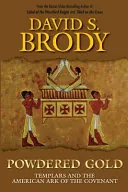
Practical Guide to Palmistry

 83
83

Practical Guide to Palmistry
Santiago Bermejo Fernández's "Practical Guide to Palmistry" presents a refreshingly straightforward entry into a field often mired in esotericism. The book’s strength lies in its systematic breakdown of palm features—lines, mounts, and hand shapes—offering clear correlations to personality traits. Unlike many texts that overwhelm beginners, Fernández’s approach is grounded and methodical, making the practice feel accessible. A notable example is the detailed explanation of how variations in the Head Line can suggest different cognitive styles, from analytical to imaginative. However, the guide’s limitation is its relative lack of historical depth; while it acknowledges palmistry’s antiquity, it doesn't deeply explore the evolution of its interpretations or its place within specific esoteric traditions. The 1997 publication date means it reflects a particular era of occult revivalism without significant engagement with subsequent scholarly or popular reinterpretations. It serves well as an introductory manual but offers less for the seasoned practitioner seeking nuanced historical context or advanced theoretical frameworks. Ultimately, it’s a competent, no-nonsense primer for the curious neophyte.
📝 Description
83
First published in 1997, Santiago Bermejo Fernández's guide offers a systematic approach to palmistry.
This volume provides a structured introduction to chiromancy, or palmistry. It breaks down the practice by examining the lines, mounts, and valleys of the palm, along with the shape and texture of the hand and fingers. The book aims to clarify palm interpretation, equipping readers with methods to understand personality traits and potential life directions based on these physical characteristics. It functions as a practical manual for personal application, designed for those wishing to gain insight into themselves and others through this divinatory system.
The "Practical Guide to Palmistry" is suitable for newcomers to the subject. It appeals to individuals interested in self-awareness, interpersonal understanding, or the broader field of esoteric studies. Readers seeking a clear introduction, free from overly technical language or complex theories, will find this manual accessible. It is for anyone wanting to learn the basics of palm reading for personal insight or to supplement their understanding of human nature.
Published in 1997, this guide emerged during a time of increased interest in esoteric subjects and self-improvement. While palmistry has ancient origins, possibly dating back to ancient India, the late 20th century saw a rise in the popularity of such practices. Fernández's work fits into this resurgence by presenting a clear, methodical explanation that differs from more obscure or historically dense texts. It acts as a connection for a modern audience to a practice that has varied in acceptance throughout history.
💡 Why Read This Book?
• Gain practical skills in interpreting the major palm lines like the Heart Line and Head Line, understanding specific variations (e.g., chained, forked) as indicators of emotional and intellectual tendencies, as detailed in the book's line analysis sections. • Learn to identify and interpret the significance of the palm's mounts (e.g., Mount of Venus, Mount of Jupiter), recognizing their connection to fundamental personality drives like passion and ambition, as presented in the mount-specific chapters. • Decode the overarching meaning derived from hand shape and finger length, understanding how these broad physical characteristics, such as a square palm or long fingers, offer insights into a person's core nature and approach to life, as outlined in the hand and finger morphology discussions.
⭐ Reader Reviews
Honest opinions from readers who have explored this book.
❓ Frequently Asked Questions
What is the primary focus of the "Practical Guide to Palmistry"?
The book focuses on providing a foundational understanding of palmistry by systematically explaining how to interpret the lines, mounts, and shapes of the hand and fingers as indicators of personality traits.
Is this book suitable for complete beginners in palmistry?
Yes, the guide is designed as an accessible introduction. It breaks down complex information into manageable sections, making it suitable for individuals with no prior knowledge of palmistry.
When was "Practical Guide to Palmistry" first published?
The book was first published in 1997, reflecting a period of renewed interest in esoteric practices and self-discovery.
Does the book discuss the historical origins of palmistry?
While the book acknowledges the ancient roots of palmistry, its primary emphasis is on practical interpretation rather than a deep historical exploration of the practice's evolution.
What specific elements of the hand does the guide cover?
It covers the major and minor lines (like the Life, Head, and Heart lines), the mounts (elevations on the palm), and the overall shape and texture of the hand and fingers.
Can reading this book help me understand my own personality better?
Absolutely. By learning to interpret the features of your own palm as described in the guide, you can gain insights into your inherent traits, tendencies, and potential.
🔮 Key Themes & Symbolism
Line Interpretation
The guide meticulously details the significance of major and minor palm lines. It explores how the length, depth, and breaks in lines such as the Life Line, Head Line, and Heart Line correlate with an individual's vitality, intellect, and emotional landscape. Variations like chained or island formations are presented not as fixed destinies but as indicators of specific energies or challenges, encouraging a nuanced understanding of personal disposition and potential life experiences.
Mount Analysis
Central to the book is the study of the mounts – the fleshy pads on the palm associated with planetary influences. The text explains how the development and characteristics of mounts like Jupiter (ambition, leadership), Saturn (wisdom, discipline), and Venus (love, vitality) offer insights into core personality drivers. Readers learn to assess the prominence of these mounts to gauge an individual's strengths and inclinations in areas related to power, introspection, and emotional connection.
Hand and Finger Morphology
Beyond the lines and mounts, the guide emphasizes the importance of the hand's overall shape and the proportions of the fingers. It categorizes hand types (e.g., Earth, Air, Fire, Water hands) and finger lengths, linking these physical attributes to fundamental character structures and behavioral patterns. This holistic approach allows for a broader assessment, integrating the detailed readings of lines and mounts with the overarching characteristics suggested by the hand's form.
Personality Correlation
The overarching theme is the direct correlation between physical palm features and psychological traits. The book operates on the principle that the hand serves as a map of the individual's inner world. By learning the language of chiromancy as presented here, readers are equipped to interpret these markings as indicators of personality, potential talents, challenges, and general life tendencies, fostering self-awareness and interpersonal understanding.
💬 Memorable Quotes
Direct passages from the work, attributed to the author.
“The lines of the hand are not immutable decrees, but rather indicators of tendencies and energies.”
— This statement reframes palmistry from rigid prediction to a tool for understanding potential. It emphasizes that the markings suggest inclinations rather than pre-determined fates, encouraging personal agency in shaping one's life path.
“A well-developed Mount of Venus suggests a capacity for strong affections and a vibrant appreciation for beauty.”
— This highlights the connection between a specific palm feature (Mount of Venus) and a core personality aspect (capacity for love and aesthetics). It provides a concrete example of how physical form is linked to psychological disposition within the practice.
“Breaks or islands in the Life Line may indicate periods of significant change or challenges to one's vitality.”
— This highlights how specific imperfections in a major line, like the Life Line, are interpreted as markers for potentially transformative or difficult phases related to health and energy.
“Understanding the shape of the palm itself provides an essential framework for interpreting the finer details of the lines.”
— This concept underscores the importance of a holistic approach, suggesting that the overall hand shape acts as a primary lens through which the meanings of individual lines and mounts should be understood.
💡 Key Ideas
Editorial paraphrase of the work's core concepts — not direct quotes.
The length and proportion of the fingers often provide clues to an individual's fundamental approach to life.
This paraphrase points to the significance of finger morphology as a foundational element in palmistry, suggesting that finger characteristics offer broad insights into someone's core nature and general life strategies.
🌙 Esoteric Significance
Tradition
This work aligns with the Western esoteric tradition of chiromancy, a practice that has been intermittently studied and integrated within various occult systems since antiquity. While not explicitly tied to a specific lineage like Kabbalah or Theosophy, its methodical approach to interpreting physical signs as reflections of inner states echoes Hermetic principles of correspondence ('As above, so below'). It departs from purely mystical or religiously-based divination by focusing on tangible, observable features of the hand as the primary interpretive medium.
Symbolism
The core symbolism in palmistry, as presented in this guide, links planetary archetypes to specific hand features. The mounts, named after planets like Jupiter, Saturn, and Venus, symbolize associated qualities: leadership, wisdom, and love, respectively. The lines themselves carry symbolic weight; the Heart Line represents emotional capacity, the Head Line signifies intellect, and the Life Line denotes vitality and physical well-being. Hand shapes, too, are symbolic, often categorized by elemental associations (Earth, Air, Fire, Water), representing fundamental temperaments.
Modern Relevance
Fernández's guide remains relevant today for its clear, foundational approach to palmistry. It serves as an accessible entry point for contemporary practitioners and enthusiasts engaging with comparative divination systems or seeking self-understanding through somatic practices. Its emphasis on personality traits rather than rigid fortune-telling aligns with modern psychological interests in character assessment and personal development, making it a useful tool for those exploring the intersection of esoteric knowledge and contemporary self-awareness movements.
👥 Who Should Read This Book
• Individuals new to palmistry seeking a clear, step-by-step introduction to interpreting hand features. • Those interested in self-discovery and personal growth who wish to use chiromancy as a tool for understanding their own character and potential. • Students of esoteric arts looking for a practical manual to supplement theoretical studies in divination or comparative mysticism.
📜 Historical Context
Published in 1997, Santiago Bermejo Fernández's "Practical Guide to Palmistry" emerged during a resurgence of interest in divination and esoteric studies, a trend amplified by the burgeoning internet culture. While palmistry, or chiromancy, has ancient roots tracing back to Vedic India and Hellenistic Greece, its interpretation has varied significantly over centuries. This guide arrived in a landscape populated by both historical texts and contemporary New Age interpretations. It offered a methodical, accessible approach, differentiating itself from more mystical or academically dense works. Unlike the more philosophically oriented Hermetic traditions, Fernández's work focused on practical, direct application for the layperson. Its reception was likely within the broader self-help and occult communities, providing a clear manual that aligned with the era's popular embrace of personal growth and spiritual exploration, distinct from the rigorous academic study of divination practiced by scholars like John Michael Greer.
📔 Journal Prompts
The Head Line's variations: how does its depiction of your thinking style align with your perceived intellectual approach?
Mount of Venus prominence: assess its development and reflect on how it manifests in your capacity for affection and enthusiasm.
Life Line analysis: consider the implications of its shape and markings for your perceived vitality and life energy.
Hand shape classification: how does your dominant hand shape correlate with your general temperament and life approach?
Finger length ratios: reflect on whether the proportions of your fingers suggest a disposition towards detail or broader concepts.
🗂️ Glossary
Chiromancy
The practice of fortune-telling or divining character through the study of the palm, including its lines, mounts, and shape. It is often used interchangeably with palmistry.
Mounts
The fleshy, raised pads on the palm, typically named after classical planets (e.g., Mount of Jupiter, Mount of Venus). Each mount is believed to correspond to specific personality traits and potentials.
Life Line
A major line on the palm that curves around the base of the thumb. Traditionally interpreted as indicating vitality, physical health, and significant life events.
Head Line
A prominent horizontal line on the palm, typically running across the middle. It is associated with intellect, mental abilities, and communication style.
Heart Line
The uppermost horizontal line on the palm, running across the palm below the fingers. It is interpreted as relating to emotional capacity, romantic relationships, and heart health.
Spatulate Hand
A hand shape characterized by a broad palm base that flares out towards the fingers, resembling a spatula. Often associated with energy, initiative, and a practical, action-oriented nature.
Islands (on a line)
A formation on a palm line appearing as an oval or elongated gap, suggesting a period of weakness, difficulty, or disruption related to the meaning of that specific line.
This book appears in 1 collection
🔮 Readers Also Liked
Browse all →








From the “Palmistry” Collection
View all →









More Free Occult Philosophy Books
View all →