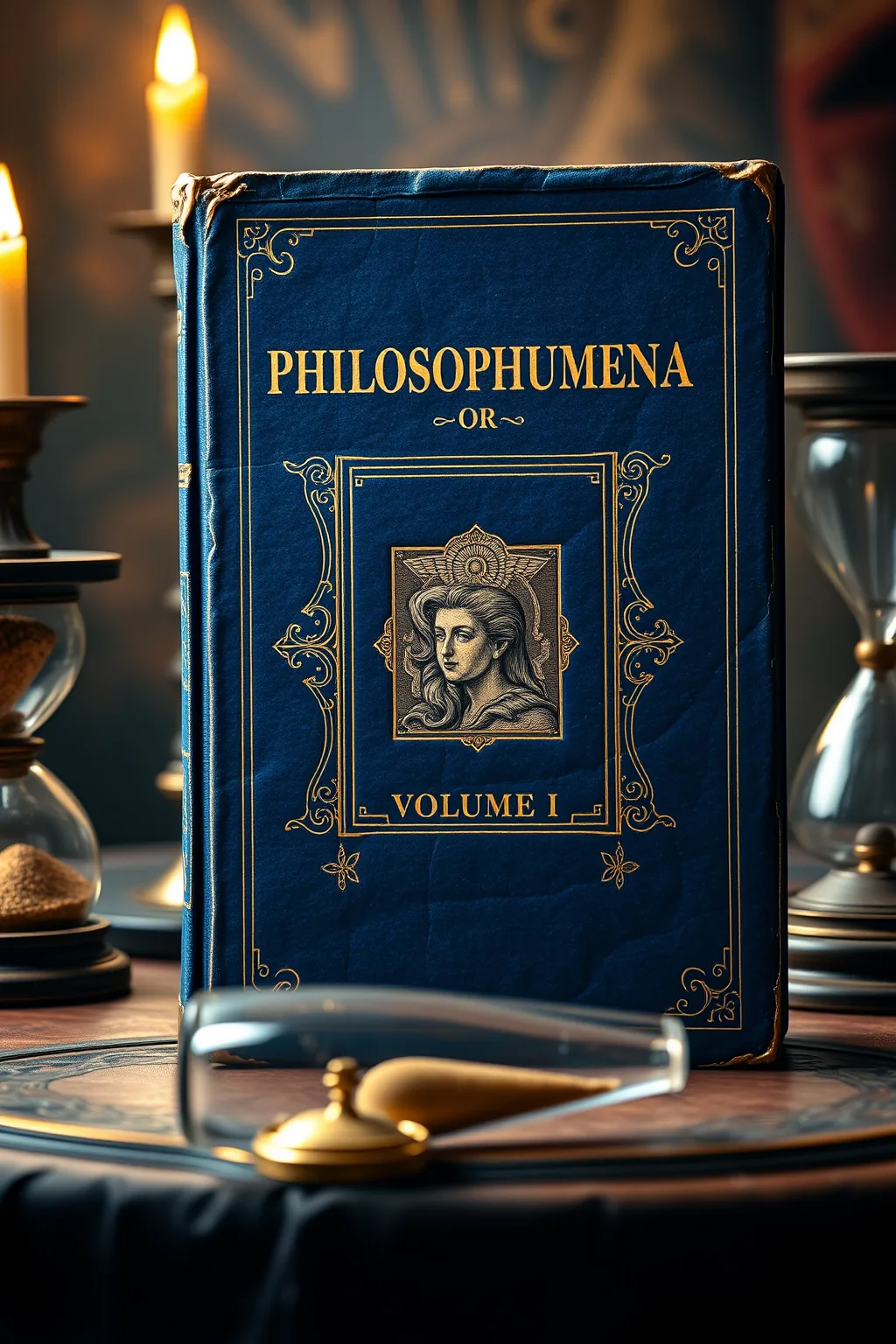
Philosophumena; or, The refutation of all heresies, Volume I
 70
70

Philosophumena; or, The refutation of all heresies, Volume I



Philosophumena; or, The Refutation of All Heresies, Volume I, by Hippolytus, Antipope, is a fascinating journey into the esoteric and occult beliefs that shaped the early Christian church. For modern esoteric seekers, this text provides a wealth of information on the diverse and often misunderstood heretical movements of the time. Hippolytus' detailed refutations offer a glimpse into the intellectual rigor and theological debates that characterized the early church. The book's historical context is invaluable, as it sheds light on the complex interplay between religion, philosophy, and occultism. While the language and style may be challenging for some, the depth of knowledge and insight it provides makes it a worthwhile read. The value of this text lies in its ability to bridge the gap between ancient esoteric beliefs and modern esoteric seekers, offering a rich tapestry of historical and philosophical exploration.
📝 Description
70
Hippolytus, writing in the early third century, compiled 'Philosophumena' to expose and refute early Christian heresies.
In 'Philosophumena; or, The Refutation of All Heresies, Volume I,' Hippolytus, an early Christian writer and antipope, meticulously details and critiques a range of beliefs he identified as heretical. He aims to establish the orthodox Christian position by systematically dismantling the theological and philosophical arguments of various groups. The text covers a spectrum of doctrines, including Gnosticism and other movements that diverged from what Hippolytus considered the true apostolic tradition. His work serves as a historical record of these diverse early Christian currents and the intellectual battles surrounding them.
This volume is not merely a historical account; it represents an attempt to preserve the integrity of Christian doctrine as Hippolytus understood it. He confronts divergent philosophical systems that influenced these heresies, showing how they departed from what he saw as pure Christian teaching. Readers will find detailed examinations of the origins and tenets of these early dissenting groups.
Hippolytus's 'Philosophumena' engages with ideas that resonated with esoteric traditions, even as he sought to refute them. He discusses figures like Simon Magus and the philosophical underpinnings of Gnosticism, which involved complex cosmologies and secret knowledge. These concepts, while framed negatively by Hippolytus, touched upon themes of divine emanations, spiritual hierarchies, and the hidden meaning of scripture that were also present in other mystically oriented movements of the era. The text thus provides a window into the philosophical milieu where esoteric interpretations of religious and cosmic order were being formulated and debated.
✍️ Author
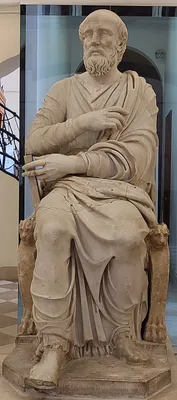
Hippolytus, Antipope
Hippolytus of Rome ( hi-POLL-it-əs, Ancient Greek: Ἱππόλυτος; Romanized: Hippólytos, c. 165 – c.
💡 Why Read This Book?
Reading Philosophumena; or, The Refutation of All Heresies, Volume I, today offers readers a unique opportunity to understand the foundational beliefs and controversies that shaped early Christianity. This book provides deep insights into the occult and philosophical underpinnings of early Christian heresies, making it an invaluable resource for those interested in esoteric studies. By exploring the refutations of various heretical movements, readers gain a broader perspective on the development of Christian theology and its interaction with occult traditions. This knowledge enriches one's understanding of both historical and contemporary esoteric practices.
⭐ Reader Reviews
Honest opinions from readers who have explored this book.
❓ Frequently Asked Questions
What is the significance of Philosophumena in the study of early Christian heresies?
Philosophumena is significant because it provides a detailed refutation of various heretical movements that challenged early Christian doctrine, offering valuable insights into the religious and philosophical landscape of the time.
Who should read Philosophumena?
This book is ideal for historians, theologians, and esoteric enthusiasts interested in the development of early Christian thought and its interaction with occult and philosophical traditions.
How does Philosophumena contribute to the understanding of occult philosophy?
Philosophumena explores the esoteric beliefs and practices that influenced early Christian thought, providing a rich context for understanding the interplay between religion, philosophy, and occultism.
🔮 Key Themes & Symbolism
Hidden Knowledge
One of the key themes in 'Philosophumena' is the revelation of hidden knowledge within early Christian heresies. Hippolytus studies the esoteric beliefs and practices of these movements, uncovering secrets that challenge orthodox narratives. This theme is particularly significant for those interested in the occult and mystical dimensions of religious thought.
Symbolism and Allegory
The book is rich in symbolism and allegory, with Hippolytus using these literary devices to expose the deeper meanings within heretical doctrines. This theme invites readers to interpret the text on multiple levels, making it a valuable resource for esoteric studies.
Philosophical Refutation
Hippolytus' method of refutation is deeply philosophical, engaging with the intellectual underpinnings of heretical beliefs. This theme highlights the philosophical significance of the text, making it a valuable resource for scholars and practitioners of the occult.
💡 Key Ideas
Editorial paraphrase of the work's core concepts — not direct quotes.
The heretics claim to possess a secret knowledge
This quote underscores the theme of hidden knowledge within heretical movements.
Symbols and allegories abound in their teachings
This passage highlights the use of symbolism in early Christian heresies.
The true path lies in understanding the mysteries
This quote emphasizes the mystical dimensions of the text.
Their doctrines challenge the very foundations of orthodoxy
This line underscores the philosophical significance of the heresies discussed.
The seeker of truth must explore the depths of these mysteries
This quote invites readers to explore the esoteric insights within the text.
🌙 Esoteric Significance
Tradition
This book belongs to the esoteric tradition of Gnosticism and early Christian mysticism. It reveals the hidden knowledge and symbolism within heretical movements, making it a valuable resource for those interested in the occult and mystical dimensions of religious thought.
Symbolism
Key symbols in 'Philosophumena' include the use of allegory and mystical imagery to represent hidden truths. These symbols are central to the esoteric insights offered by the text, inviting readers to interpret the deeper meanings within heretical doctrines.
Modern Relevance
This text remains relevant today for modern practitioners of the occult and esoteric studies. It offers a unique perspective on the hidden beliefs and practices of early Christian heresies, providing insights that can be applied to contemporary spiritual and philosophical inquiries.
👥 Who Should Read This Book
This book is ideal for scholars of early Christian history, seekers of esoteric knowledge, and practitioners of the occult. Beginners may find the text challenging due to its complex and technical content, but those with a background in esoteric studies or religious history will find it invaluable. Spiritual seekers will appreciate the mystical dimensions of the text, while practitioners of the occult will benefit from the deep philosophical insights offered by Hippolytus.
📜 Historical Context
The early Christian Church was a time of great theological diversity, with numerous heretical movements challenging the orthodox teachings. 'Philosophumena' was written during this era to refute these heresies and to establish a clearer understanding of Christian doctrine. The book's significance lies in its detailed examination of these heretical beliefs, providing a window into the esoteric traditions of the time. Hippolytus' work had a lasting influence on the development of Christian theology, shaping the way future generations understood and refuted heretical doctrines.
📔 Journal Prompts
Reflect on the hidden knowledge revealed in 'Philosophumena'. How does this challenge your understanding of early Christian heresies?
Explore the symbolism and allegory used in the text. What deeper meanings do these symbols represent?
Consider the philosophical significance of Hippolytus' refutations. How do these arguments contribute to your understanding of esoteric traditions?
Examine the mystical dimensions of the heresies discussed in the book. How do these insights apply to your own spiritual journey?
Reflect on the relevance of 'Philosophumena' to modern practitioners of the occult. How can the insights from this text be applied to contemporary spiritual inquiries?
🗂️ Glossary
Gnosticism
A religious movement that emphasizes hidden knowledge (gnosis) as the path to spiritual enlightenment.
Heretic
A person who holds beliefs that are contrary to the established doctrines of a religion.
Orthodox
Conforming to the established and accepted doctrines of a religion.
Allegory
A symbolic narrative that conveys a deeper meaning through metaphorical representation.
Esoteric
Intended for or likely to be understood by only a small number of people with a specialized knowledge or interest.
This book appears in 9 collections
🔮 Readers Also Liked
Browse all →

![The secrets of black arts!: A key note to witchcraft, devination [sic], omens, forwarnings, apparitions, sorcery, dæmonology, dreams, predictions, visions, and the Devil's legacy to earth mortals, compacts with the Devil! With the most authentic history of Salem witchcraft](/img/thumb/the-secrets-of-black-arts-b-a-key-note-to-witchcraft-devination-sic-omens-forwarnings-apparitions-sorcery-d-monology-dreams-predictions-visions-and-the-devil-s-legacy-to-earth-mortals-compacts-with-th.webp)
More by Hippolytus, Antipope
All books →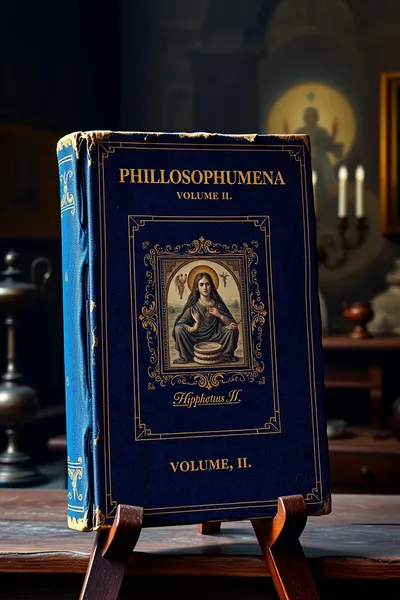
From the “Transcendental Meditation” Collection
View all →




More Free Occult Philosophy Books
View all →